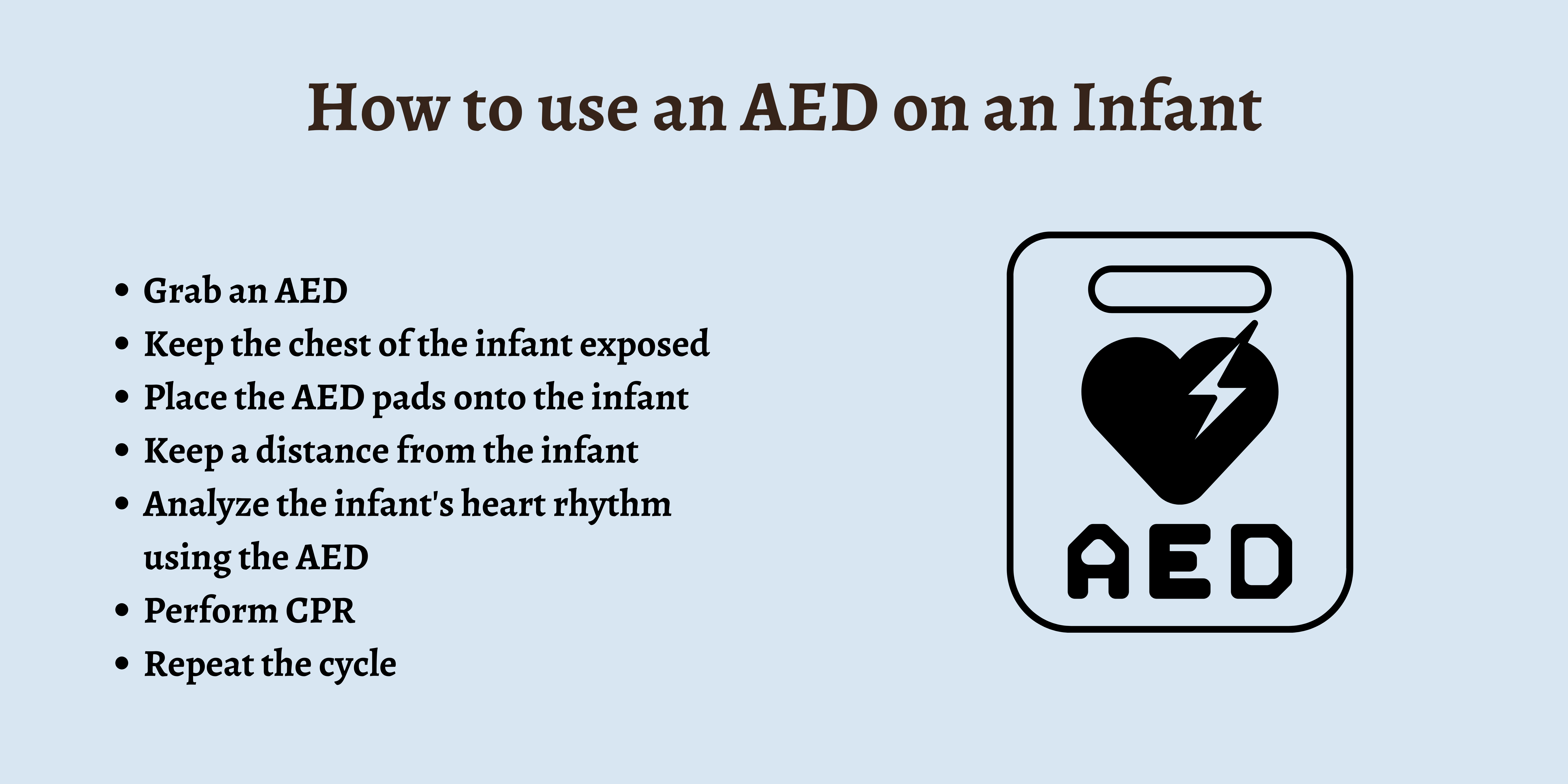
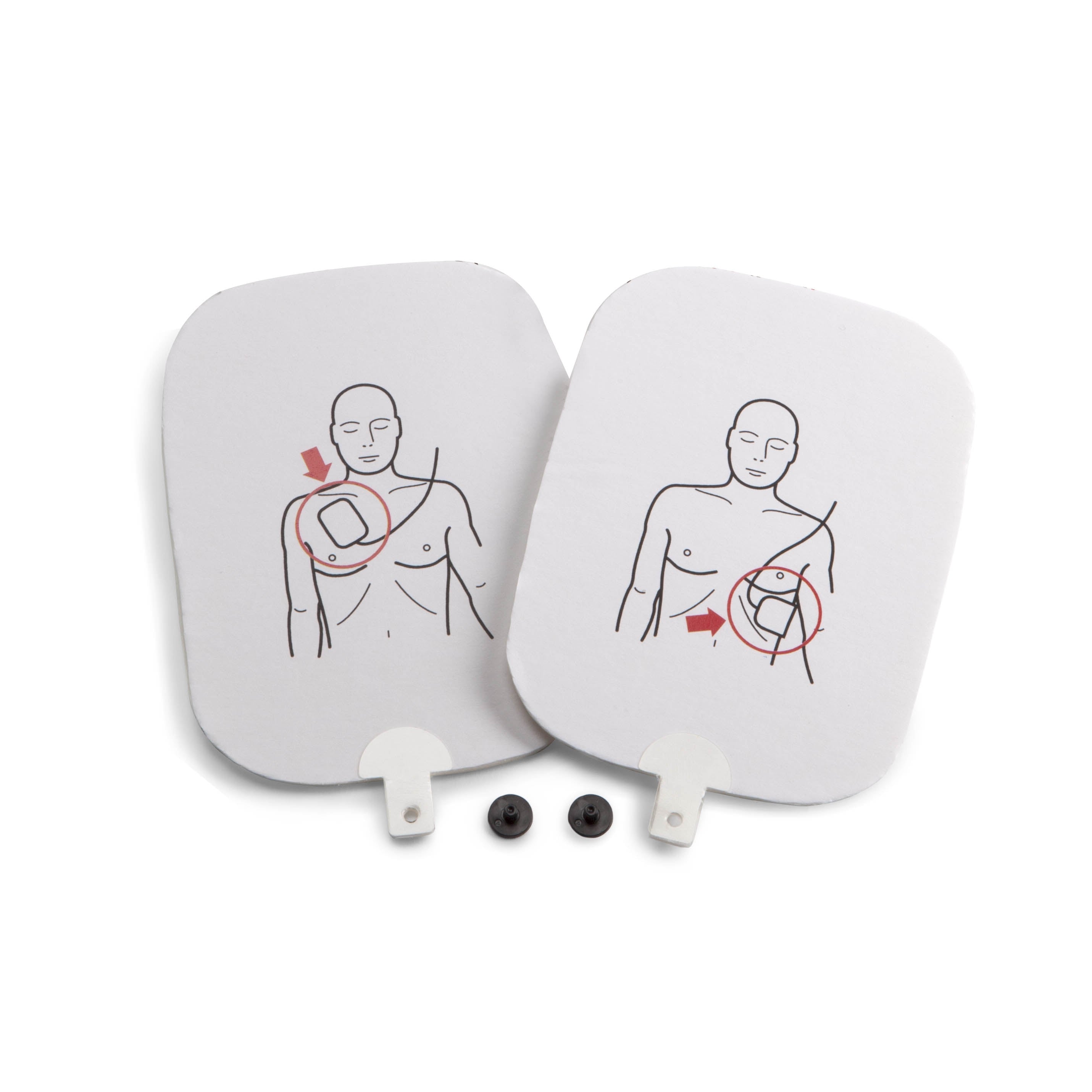
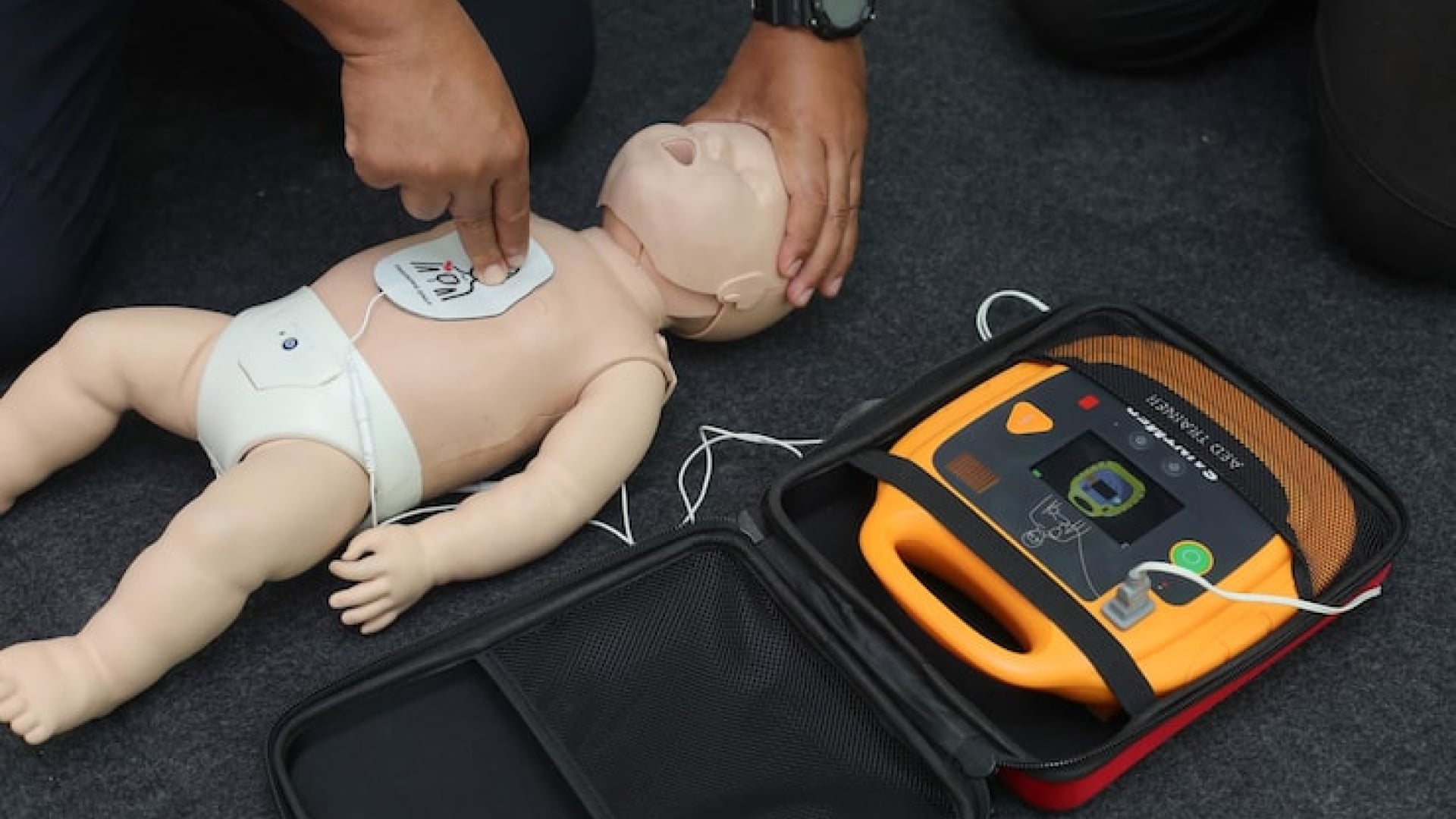
When using an AED on an infant (under one year of age), you must prioritize pediatric-specific pads or a pediatric setting if available. These pads reduce the electrical dose to a level safe for a small heart. If pediatric equipment is unavailable, use adult pads, ensuring they do not touch by placing one on the center of the chest and the other on the center of the back.
The application of an Automated External Defibrillator (AED) to an infant is a high-pressure situation that requires immediate, decisive action. While the prospect of delivering an electric shock to a baby is daunting, modern AED technology is designed to be nearly foolproof, guiding the rescuer through every step. In 2026, AEDs have become even more prevalent in public spaces, and understanding the specific nuances of infant pad placement and energy attenuation is a critical skill for parents, childcare providers, and first responders alike.
Defining the Infant Patient in Emergency Care
Before deploying an AED, it is essential to correctly identify the age and size of the patient, as this determines the equipment and techniques used. In the context of Basic Life Support (BLS) and Advanced Cardiovascular Life Support (ACLS), an infant is defined as a child under the age of one (excluding the neonatal period immediately following birth in a hospital setting).
Children between the ages of one and eight, or weighing less than 55 pounds (25 kg), are categorized as pediatric patients. While the techniques for infants and older children are similar, the physical size of an infant necessitates a specific pad placement strategy—the anterior-posterior (front and back) method—to ensure the electrical current passes through the heart rather than arcing across the surface of the skin.
Pediatric vs. Adult AED Pads: The Role of Attenuation
The primary difference between adult and pediatric AED use lies in the energy levels delivered by the machine. A standard adult AED shock typically ranges from 150 to 360 joules, depending on the manufacturer and whether the device is biphasic or monophasic. For an infant’s smaller, more delicate heart, this amount of energy is excessive and potentially damaging.
How Pediatric Pads Work
Pediatric pads are equipped with an internal resistor or "attenuator" that reduces the energy of the shock. When these pads are plugged into the AED, the device recognizes the pediatric circuit and automatically lowers the energy output, typically to a range of 50 to 75 joules. This dose is sufficient to terminate lethal arrhythmias like ventricular fibrillation (VF) or pulseless ventricular tachycardia (VT) in a small body without causing unnecessary myocardial injury.
Using Adult Pads in an Emergency
A common point of confusion is whether one can use adult pads on an infant if pediatric pads are missing. According to current American Heart Association (AHA) and International Liaison Committee on Resuscitation (ILCOR) guidelines, if no pediatric-specific pads or "child keys" are available, a standard AED with adult pads should be used. A higher-energy shock is preferable to no shock at all in a cardiac arrest scenario. However, the rescuer must ensure the pads do not overlap or touch, as this will cause the electricity to bypass the heart entirely.
Step-by-Step Guide to Applying AED Pads on an Infant
In a cardiac arrest event, time is the most critical factor. For every minute that defibrillation is delayed, the chance of survival drops by approximately 7% to 10%. Follow these steps to ensure rapid and correct application.
1. Confirm Cardiac Arrest
Before touching the AED, confirm the infant needs it. The infant must be:
- Unresponsive: Does not react to a flick of the foot or a shout.
- Not Breathing: No chest rise or only occasional gasps (agonal breathing).
- Pulseless: For healthcare providers, this is checked via the brachial artery (inside the upper arm); lay rescuers should start CPR if the infant is unresponsive and not breathing.
2. Activate the AED
Turn the device on immediately. Most modern units have a power button, while others activate when the lid is opened. Once active, the AED will begin providing voice prompts. Follow these prompts exactly.
3. Prepare the Infant’s Chest
The infant's chest must be bare and dry.
- Remove Clothing: Cut or pull away any shirts or onesies.
- Dry the Skin: If the infant was in water or is sweaty, quickly wipe the chest and back dry. Moisture can conduct electricity across the skin rather than through the heart.
- Remove Jewelry/Patches: If the infant is wearing a necklace or has a medical patch (rare in infants, but possible), remove them.
4. Placement: The Anterior-Posterior Method
Because an infant’s chest is small, the standard adult placement (upper right and lower left) is not viable. Use the Anterior-Posterior (Front-Back) method:
- Anterior (Front): Place one pad in the center of the infant's chest, directly over the breastbone (sternum).
- Posterior (Back): Flip the infant or reach behind them to place the second pad in the center of the back, between the shoulder blades.
- The "Sandwich" Effect: The heart is now sandwiched between the two pads, ensuring the electrical path goes directly through the cardiac muscle.
5. Analyzing and Shocking
Once the pads are connected, the AED will tell you to "Stand clear." Ensure no one is touching the infant. The AED will analyze the heart rhythm.
- If a shock is advised: Ensure everyone is "clear" and press the shock button (or wait for the automatic shock).
- If no shock is advised: Immediately resume CPR, starting with chest compressions.
Comparison of AED Pad Usage by Age and Equipment
The following table outlines the critical differences in AED application based on the patient's age and the type of equipment available in 2026.
| Feature | Infant (Under 1 Year) | Child (1–8 Years / <55 lbs) | Adult (8+ Years / >55 lbs) |
|---|---|---|---|
| Primary Pad Choice | Pediatric/Infant Pads | Pediatric Pads | Adult Pads |
| Backup Option | Adult Pads (if necessary) | Adult Pads (if necessary) | N/A |
| Placement Method | Front and Back | Front and Back (or Side-by-Side) | Upper Right and Lower Left |
| Energy Level | Attenuated (50–75J) | Attenuated (50–75J) | Full Dose (150J+) |
| Compression Depth | 1.5 inches (4 cm) | ~2 inches (5 cm) | 2 to 2.4 inches (5–6 cm) |
| Compression Ratio | 30:2 (1 rescuer) / 15:2 (2) | 30:2 (1 rescuer) / 15:2 (2) | 30:2 (Always) |
Critical Safety Precautions for Infant Defibrillation
While AEDs are safe, specific environmental factors can influence their effectiveness or the safety of the rescuer.
Water and Wet Surfaces
If the infant is in a puddle, a bathtub, or a pool area, they must be moved to a dry surface. If the chest is wet, the electricity may travel along the water on the skin (a "skin arc") rather than through the heart. While the rescuer can be on a damp surface, the infant’s torso must be as dry as possible.
Metal Surfaces
Do not allow the AED pads or the infant to touch metal conductors like bleachers or metal flooring during the shock delivery. Metal can divert the current away from the patient or potentially shock the rescuer.
Medication Patches
Though rare in infants, some may have transdermal medication patches. If a patch is located where a pad needs to be placed, remove the patch with gloved hands and wipe the area clean before applying the AED pad. Placing a pad over a patch can cause skin burns and prevent the shock from reaching the heart.
Troubleshooting Common AED Issues
During an emergency, the AED might issue specific warnings. Understanding these in advance can save precious seconds.
- "Check Pads" or "Attach Pads": This usually means the pads are not making good contact with the skin. Check for moisture, or ensure the pads are plugged into the machine. On an infant, make sure the pads are pressed firmly against the chest and back.
- "Analysis Interrupted": This occurs if the infant is being moved or if someone is touching them during the analysis phase. Ensure everyone stands completely still and clear.
- Low Battery: Most public AEDs in 2026 are equipped with self-monitoring systems that alert owners to low batteries. However, if a device fails, immediately resume high-quality CPR and wait for emergency services.
The Relationship Between CPR and AED Use
The AED is not a replacement for CPR; it is a partner. CPR maintains a small amount of oxygenated blood flow to the brain and heart, keeping the organs "viable" until the AED can restart the heart's normal rhythm.
When using an AED on an infant:
- Do not stop CPR until the AED is literally being turned on and the pads are being applied.
- Minimize interruptions: The time between the last compression and the delivery of the shock should be less than 10 seconds.
- Resume immediately: As soon as the shock is delivered (or if no shock is advised), start chest compressions again. Do not wait for the infant to wake up or move.
For infants, compressions should be performed with two fingers in the center of the chest (for a single rescuer) or the two-thumb-encircling-hands technique (for two rescuers). The depth must be approximately one-third the depth of the chest, which is about 1.5 inches (4 cm).
FAQs About Infant AED Use
Can I use adult AED pads on a newborn?
AED use is generally not recommended for neonates (newborns in the first hours or days of life) in a lay-person setting, as cardiac arrest in newborns is almost always respiratory and requires ventilation and compressions. However, for an infant over a few weeks old, an AED is appropriate if they are in cardiac arrest. If only adult pads are available, use them in the front-back position.
What if the AED pads are too big for the infant's chest?
This is the primary reason for the front-back (anterior-posterior) placement. By placing one on the chest and one on the back, you prevent the pads from touching each other, which is the main risk when using large pads on a small body.
Is it possible to "accidentally" shock an infant?
No. Modern AEDs are designed to analyze the heart rhythm automatically. They will only deliver or advise a shock if they detect a "shockable rhythm" (VF or pulseless VT). If the infant's heart is beating normally or has stopped completely (asystole), the AED will not shock.
Should I wait for an ambulance if I don't have pediatric pads?
No. Do not wait. If you have an AED and only adult pads, use the adult pads. Brain death begins in as little as 4 to 6 minutes after the heart stops. Rapid defibrillation is the only way to successfully treat certain types of cardiac arrest.
Are there any legal risks to using an AED on an infant?
In the United States and many other jurisdictions, "Good Samaritan" laws protect lay rescuers who act in good faith to help someone in an emergency. As long as you are not acting with gross negligence, these laws are designed to protect you from liability.
Essential Recommendation for Preparedness
The best time to learn how to use an AED on an infant is before an emergency occurs. If you are a parent, teacher, or caregiver, enroll in a certified Pediatric First Aid and CPR/AED course offered by organizations like the American Red Cross or the American Heart Association. These courses provide hands-on practice with manikins and trainer AEDs, which significantly increases confidence and effectiveness during a real-life crisis. Additionally, check the AEDs in your workplace or local community center to ensure they are equipped with pediatric pads or a pediatric switch.