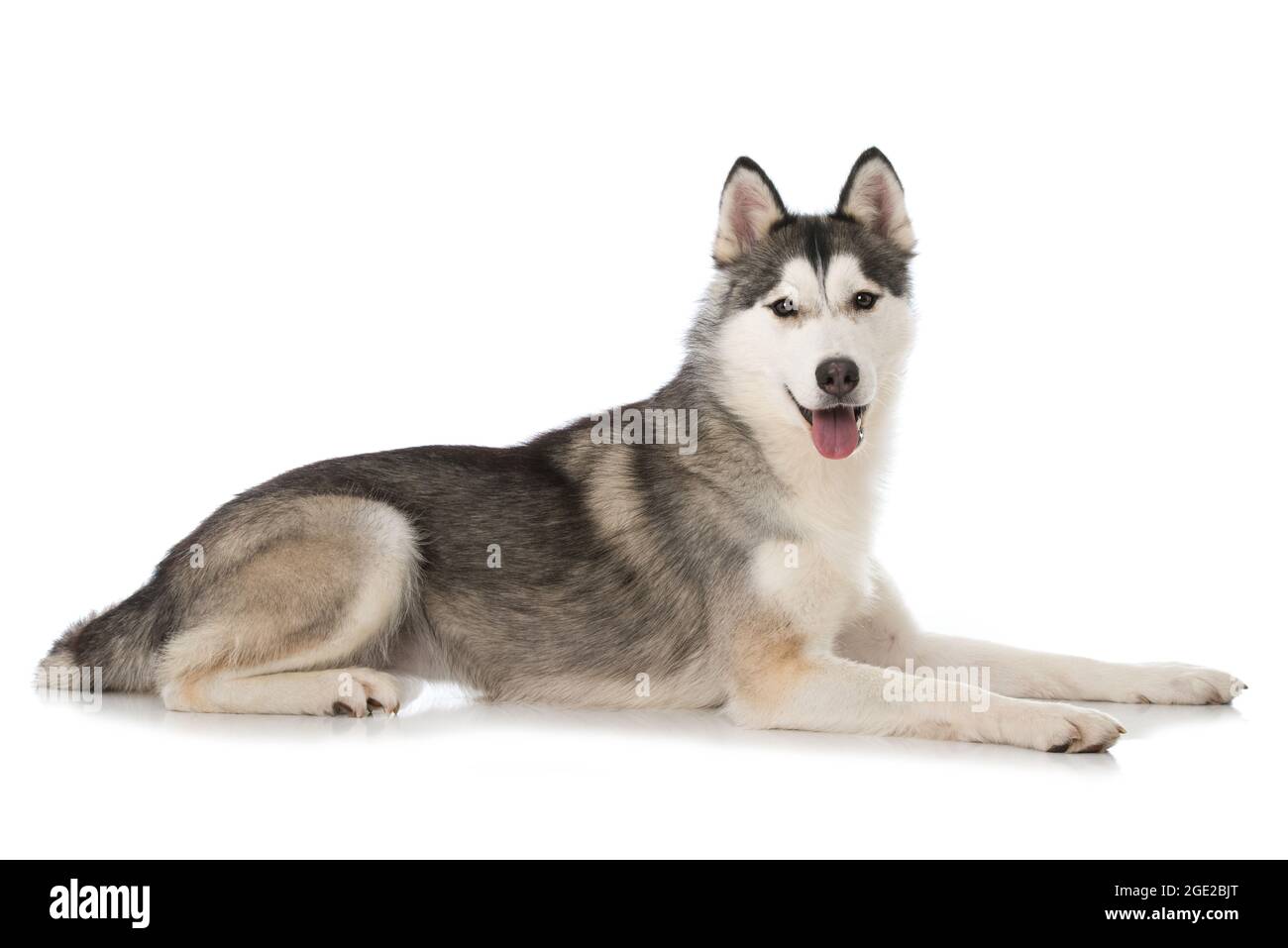
An adult white husky is a striking, high-energy working breed characterized by a pristine white coat, piercing blue or amber eyes, and an independent yet affectionate temperament. Prospective and current owners must prepare for an active lifestyle, rigorous grooming routines, and specialized care to manage the unique traits of this magnificent canine.
Owning an adult white husky differs significantly from caring for a puppy or managing other dog breeds. While puppies demand intensive house-training and socialization, adult huskies bring established personalities, predictable sizing, and fully developed energy levels. However, they also retain the stubborn streak, high prey drive, and double-coat maintenance requirements inherent to the Siberian Husky breed. Understanding these dynamics is essential for creating a harmonious environment and ensuring the dog thrives physically and mentally.
Physical Characteristics and Coat Genetics of the White Husky
The striking appearance of a white husky stems from specific genetic traits rather than albinism. True white huskies possess dark pigmentation on their noses, eye rims, and lips, distinguishing them from albino animals. Their eyes are frequently bright blue, though bi-eyed (one blue, one brown) or amber eyes also occur naturally within the breed standard established by major kennel clubs like the American Kennel Club (AKC).
The Double Coat Structure
The adult white husky features a thick double coat designed to withstand sub-zero temperatures. This system consists of:
- The Undercoat: A dense, woolly layer that traps heat in cold weather and insulates against heat in warmer months.
- The Guard Hairs: A longer, coarser outer layer that repels moisture, dirt, and UV rays.
Maintaining this coat requires understanding the shedding cycle. Adult white huskies typically experience two major "blows" per year during seasonal transitions, shedding their entire undercoat in clumps. Daily brushing becomes mandatory during these periods to prevent matting and skin irritation, though standard weekly maintenance suffices for the rest of the year. Shaving a white husky is strongly discouraged, as the double coat regulates body temperature in both winter and summer; removing it damages the follicle structure and increases the risk of sunburn and heatstroke.
Size and Dimorphism
Adult male white huskies typically stand between 21 and 23.5 inches at the shoulder and weigh between 45 and 60 pounds. Adult females are slightly smaller, standing 20 to 22 inches and weighing 35 to 50 pounds. Their frames are compact, heavily muscled, and built for endurance rather than raw speed, reflecting their heritage as sled dogs capable of pulling moderate loads over vast distances across frozen landscapes.
Temperament and Behavioral Traits
The personality of an adult white husky is a blend of friendly socialization, high intelligence, and an independent work ethic. Unlike companion-focused breeds that look constantly to their owners for approval, huskies possess an autonomous mindset. They were bred to make independent decisions while pulling sleds in harsh conditions, a trait that translates into selective obedience and a notorious penchant for testing boundaries.
Intelligence and Escape Artistry
Huskies rank moderately high in working intelligence, but they utilize this intelligence to solve problems on their own terms—often finding ways to open gates, unlock crates, or scale fences. An adult white husky requires secure containment. Standard four-foot chain-link fences are rarely sufficient; six-foot privacy fences or secure kennel runs with top netting are often necessary to prevent roaming. Their high prey drive also means they should never be trusted off-leash in unsecured areas, as their recall command tends to fail the moment they spot wildlife.
Vocalization and Social Needs
Huskies are notoriously vocal dogs. Rather than excessive nuisance barking, they tend to "talk," howl, and whine to express excitement, demand attention, or respond to high-pitched sounds like sirens. Furthermore, they are pack-oriented animals that suffer severely from separation anxiety if left alone for extended periods. Households where humans work away from home for ten hours a day without dog-walking support or canine companionship are generally unsuited for an adult white husky.
| Behavioral Trait | Husky Characteristic | Management Strategy |
|---|---|---|
| Energy Level | Extremely high; endurance-focused | Minimum 90 minutes of vigorous daily exercise |
| Prey Drive | High instinct to chase small animals | Secure leashes, fenced yards, no off-leash walking |
| Vocalization | Frequent howling, talking, and whining | Early quiet training, mental stimulation toys |
| Independence | Stubborn, selective obedience | Consistent positive reinforcement, firm boundaries |
| Socialization | Highly pack-oriented, friendly with humans | Regular group interaction, preventing isolation |
Exercise and Nutritional Requirements
An under-exercised adult white husky is prone to destructive chewing, excessive howling, escaping, and obsessive behaviors. Fulfilling their physical and mental needs is the cornerstone of successful ownership.
Designing an Exercise Routine
Meeting a husky's exercise quota requires more than a casual walk around the neighborhood. These dogs possess boundless stamina. Ideal physical activities include:
- Running and Jogging: Huskies make excellent running partners in cool weather.
- Urban Mushing: Activities like bikejoring, skijoring, and carting allow the dog to utilize its natural pulling instincts safely.
- Agility and Obedience Trials: Mental fatigue is just as important as physical exhaustion; puzzle toys and agility courses challenge their cognitive abilities.
Caution: Because of their heavy double coat, adult white huskies are highly susceptible to heat exhaustion and heatstroke. Exercise regimens must be modified during summer months, shifting outdoor activities to early morning or late evening hours and providing constant access to fresh water and shade.
Nutritional Guidelines
Adult huskies have a surprisingly efficient metabolism compared to other large breeds, often requiring fewer calories per pound of body weight than expected for working dogs. High-protein, high-fat dog foods that list real meat as the first ingredient support their active musculature and coat health. Owners should monitor body condition score regularly rather than relying strictly on feeding charts, adjusting portions based on activity levels to prevent canine obesity, which places undue stress on their joints.
Health Considerations and Preventive Care
Siberian Huskies are generally a healthy, robust breed with an average lifespan of 12 to 14 years. However, they are predisposed to certain genetic conditions that prospective and current owners must monitor through regular veterinary oversight.
Common Breed-Specific Health Issues
- Ocular Disorders: Juvenile cataracts, progressive retinal atrophy (PRA), and corneal dystrophy can impair vision. Regular evaluations by a veterinary ophthalmologist are recommended for breeding stock and aging adults.
- Hip Dysplasia: Malformation of the hip joint can lead to arthritis and mobility issues. Maintaining a lean body weight during the adult years mitigates this risk.
- Follicular Dysplasia and Zinc-Responsive Dermatosis: Some huskies struggle to absorb zinc properly, leading to hair loss, crusting, and skin lesions around the eyes, muzzle, and pressure points. This condition requires lifelong dietary supplementation under veterinary supervision.
Preventive Veterinary Protocols
Routine care for an adult white husky includes annual or biannual wellness exams, core vaccinations, parasite prevention (heartworm, fleas, and ticks), and dental hygiene management. Because white fur highlights staining around the eyes and mouth, regular gentle cleaning with pet-safe wipes prevents tear-staining and bacterial buildup in skin folds.
Integration Into the Household and Training
Bringing an adult white husky into a home requires patience, clear leadership, and structured training protocols. Whether adopting a rescue dog or acquiring an adult from a breeder, consistency is vital.
Positive Reinforcement Training
Huskies respond poorly to harsh corrections, heavy-handed dominance theories, or punishment-based training methods. Such approaches damage trust and often cause the dog to shut down or become reactive. Instead, reward-based training utilizing high-value treats, praise, and play creates a cooperative dynamic. Training sessions should be short, engaging, and varied to prevent boredom.
Coexisting with Other Pets and Children
Due to their predatory instincts, adult white huskies generally cannot live safely with small household pets such as cats, rabbits, or small rodents. Multi-dog households can succeed, provided the dogs are properly socialized and introduced in neutral territory. When interacting with children, adult huskies are typically gentle and tolerant, but their high energy and boisterous play style mean interactions should always be supervised to prevent accidental toppling or rough housing.
Frequently Asked Questions
Do white huskies get dirty easily?
Despite their snow-white coats, huskies are remarkably clean animals. Their fur features a natural oil barrier that repels dirt and mud, which dries and falls off easily. Frequent bathing is unnecessary and can strip these essential oils, leading to dry, itchy skin.
Are white huskies prone to sunburn?
Yes. While their thick coat provides protection, areas with thin fur—such as the bridge of the nose, ear tips, and belly—are susceptible to sunburn, particularly during intense summer months. Pet-safe sunscreens approved by a veterinarian may be required for outdoor activities in high-altitude or sunny regions.
Can an adult white husky live in a hot climate?
An adult white husky can live in warmer climates provided their environment is strictly temperature-controlled with air conditioning. Owners must limit outdoor exposure during peak heat hours, provide constant access to water, and never leave the dog in a parked vehicle, where temperatures can turn fatal in minutes.
Why do white huskies howl so much?
Howling is an ancestral form of long-distance communication. Huskies retain strong pack instincts and often howl in response to environmental triggers, such as music, sirens, or when expressing loneliness and excitement. It is a natural behavior rather than a sign of distress, unless accompanied by destructive chewing or pacing.
How much does it cost to care for an adult white husky annually?
Basic ownership costs—including premium food, routine veterinary care, preventive medications, grooming supplies, and emergency funds—typically range from $1,000 to $2,000 per year. This estimate excludes unexpected medical procedures or specialized training classes.
Conclusion and Next Actions
Owning an adult white husky is a rewarding commitment that blends outdoor adventure with dedicated household management. Success relies on respecting the breed's independent nature, securing their environment against escape, and committing to daily physical and mental exercise. For those prepared to meet these demands, a white husky offers loyalty, companionship, and a striking presence. Prospective owners should connect with reputable breed rescues or specialized organizations to evaluate adult dogs whose temperament matches their specific lifestyle before making a final commitment.