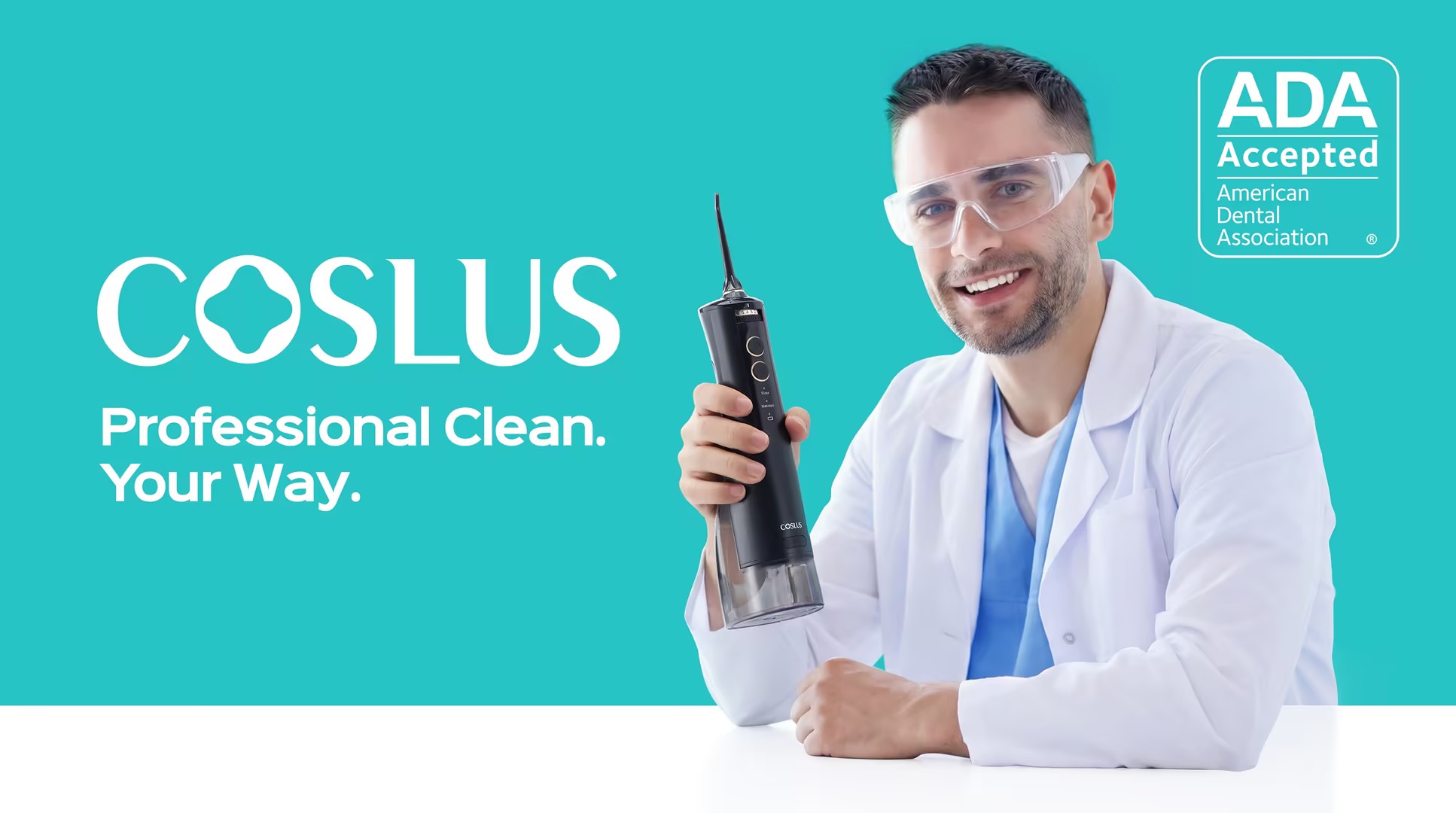
An ADA Seal of Acceptance water flosser is an oral irrigator independently evaluated and verified by the American Dental Association (ADA) to safely and effectively remove dental plaque biofilm and reduce gingivitis. To earn the Seal, manufacturers must submit rigorous scientific evidence from clinical trials demonstrating that the device improves gum health without harming soft tissues or dental restorations.
Disclaimer: This article is for educational purposes and is not a substitute for professional dental advice, diagnosis, or treatment. Always consult a licensed dentist or periodontist regarding specific oral hygiene regimens and health conditions.
What Does the ADA Seal of Acceptance Mean for Water Flossers?
The American Dental Association established the Seal of Acceptance program to help consumers and dental professionals identify oral care products that meet strict standards of safety and efficacy. While many water flosser manufacturers claim their products are "dentist-recommended" or "clinically proven," only devices that undergo formal evaluation by the ADA Council on Scientific Affairs are awarded the official Seal of Acceptance.
The ADA Seal differs fundamentally from regulatory clearances such as U.S. Food and Drug Administration (FDA) 510(k) clearance. FDA clearance primarily verifies that a medical device is substantially equivalent to an existing legally marketed device and safe for consumer use. In contrast, the ADA Seal of Acceptance requires positive evidence of therapeutic value. The manufacturer must prove through clinical human trials that using the device leads to measurable biological improvements, such as reduced gingival inflammation and lower bleeding indices.
When a water flosser earns the ADA Seal, the consumer receives verified assurance of three core attributes:
- Safety: The pressurized water stream will not damage delicate gingival tissues, enamel, cementum, or existing dental restorations (such as crowns, bridges, and implants) when used as directed.
- Efficacy: The unit significantly reduces plaque along the gumline and between teeth, leading to a statistically significant decrease in gingivitis and bleeding.
- Accuracy of Claims: Every therapeutic and clinical claim on the product packaging and advertising has been independently audited and substantiated by scientific experts.
The Rigorous Testing Standards Required by the ADA
The evaluation process conducted by the ADA Council on Scientific Affairs is exhaustive. A manufacturer seeking the Seal for an oral irrigator must submit comprehensive physical, electrical, and clinical data.
ADA Seal Evaluation Workflow:
- Submission of Physical & Electrical Safety Protocols
- Submission of Independent Clinical Human Trial Data
- Laboratory Assessment of Hydrodynamic Pressure & Materials (BPA, Toxins)
- ADA Council on Scientific Affairs Peer Review & Audit
- Award of ADA Seal of Acceptance (Valid for 5 Years; Requires Renewal)
1. Clinical Trial Design and Methodology
The ADA requires randomized, controlled clinical human trials comparing the water flosser against standard oral hygiene practices (such as manual brushing alone or manual brushing combined with traditional string floss). These studies must measure standardized oral health metrics:
- Gingival Index (GI): Assessment of the severity and location of gum inflammation.
- Bleeding on Probing (BOP) / Papillary Bleeding Index (PBI): Direct measurement of vascular fragility and active inflammation in the periodontal pockets.
- Plaque Index (PI): Quantitative evaluation of bacterial biofilm accumulation along the cervical margins and interdental spaces.
2. Hydrodynamic Safety and Pressure Calibrations
Water flossers operate by delivering combination streams of pressure and pulsation. The ADA evaluates the mechanical force generated by the pump mechanism to ensure the water pressure (typically measured in pounds per square inch, or PSI) remains within safe physiological boundaries. Excessive pressure can force bacteria deeper into periodontal pockets or cause tissue micro-trauma, whereas insufficient pressure fails to disrupt tough biofilm.
Most ADA-accepted units deliver pulse rates between 1,200 and 1,500 pulses per minute and operate within a pressure spectrum of 10 to 100 PSI. The rapid pulsation creates a hydrodynamic shearing force (combination of compression and tension waves) that detaches bacterial colonies from the tooth surface without requiring physical abrasion.
3. Material and Electrical Integrity
The device components—including internal tubing, water reservoirs, pump chambers, and nozzle tips—must be free of harmful chemical leaching agents such as bisphenol A (BPA), phthalates, and heavy metals. Additionally, electrical safety testing ensures that motorized countertop and rechargeable cordless units pass safety checks against water ingress and electrical shock.
Verified Brands and Models Holding the ADA Seal
In 2017, Waterpik became the first water flosser brand to earn the ADA Seal of Acceptance across its primary line of powered interdental cleaners. Since then, specific models and select competing manufacturers have also earned validation by submitting their clinical dossiers to the ADA.
Waterpik (Water Pik, Inc.)
Waterpik holds the most extensive portfolio of ADA-accepted water flossers. The ADA Council on Scientific Affairs awarded the Seal to Waterpik water flossers based on clinical evidence showing they reduce plaque, gingivitis, and gum bleeding. Accepted product lines include:
- Countertop Models: Waterpik Aquarius (WP-660 series), Ultra (WP-100 series), and Nano (WP-310).
- Cordless Models: Waterpik Cordless Advanced (WP-560 series), Cordless Express, and Cordless Select.
- Combination Units: Waterpik Sonic-Fusion (flossing toothbrush combination units) and Complete Care systems.
Other Dental Brands
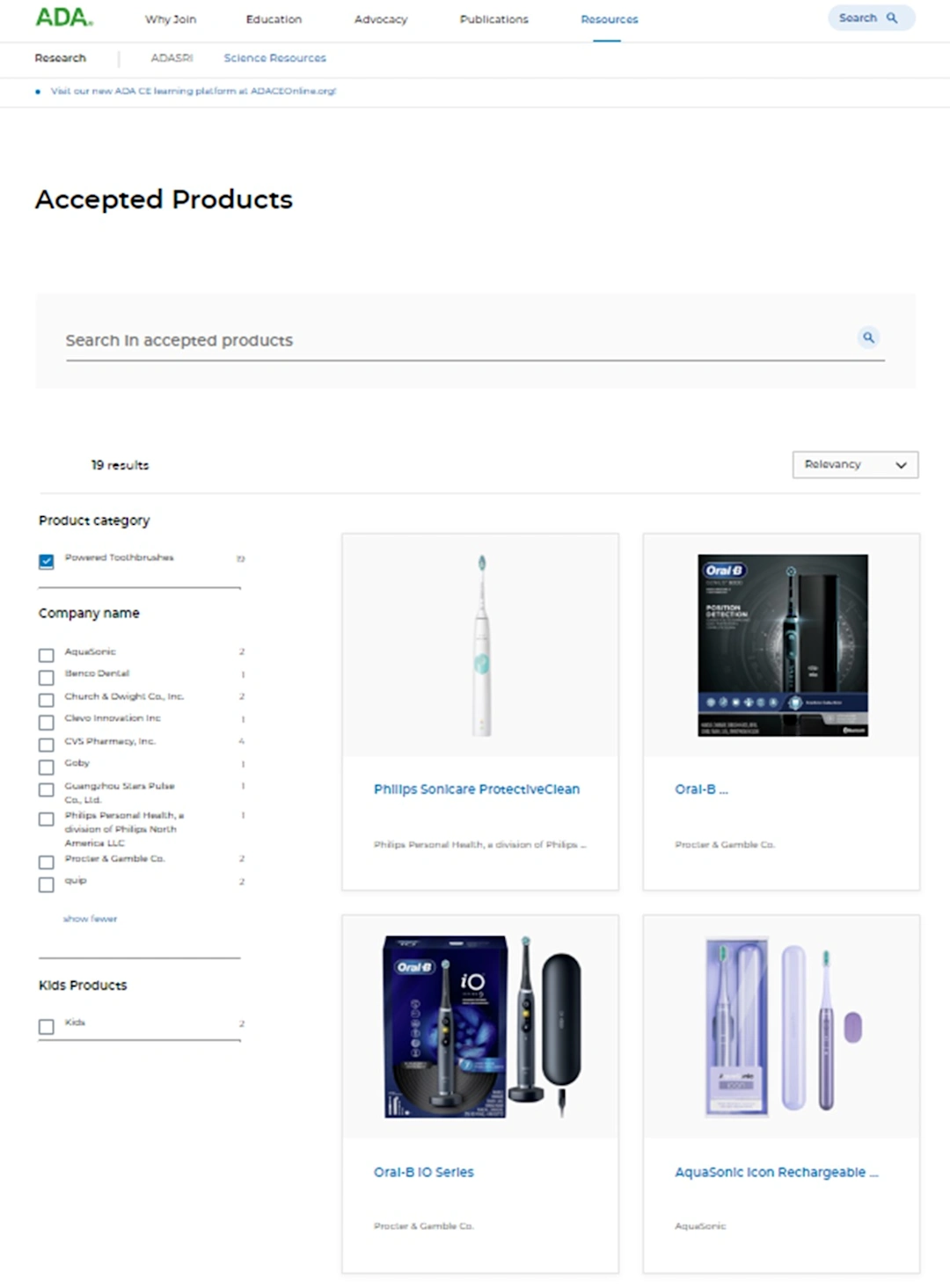
While Waterpik dominates the market for ADA-accepted oral irrigators, consumers should always consult the official ADA Seal of Acceptance Product Database to verify the current status of any brand. Models from other manufacturers, such as Aquapick or specific private-label oral irrigators, periodically enter clinical testing to secure certification.
Caution Regarding Unverified Marketing: Many off-brand water flossers sold on third-party online marketplaces claim to be "ADA Approved." The ADA does not approve medical devices; it awards a Seal of Acceptance based on voluntary submission and rigorous testing. If a brand does not appear in the official ADA database, it has not met or submitted to these standards.
Comparing ADA-Accepted Water Flosser Types
Choosing the right ADA-accepted water flosser depends on lifestyle preferences, bathroom setup, and specific dental needs. Oral irrigators generally fall into three main mechanical formats: Countertop, Cordless, and Combination Flossing Toothbrushes.
Technical Comparison Matrix
| Feature / Metric | Countertop Water Flossers | Cordless Water Flossers | Combination Units (Flossing Toothbrush) |
|---|---|---|---|
| Typical PSI Range | 10 to 100 PSI | 45 to 75 PSI | 10 to 100 PSI |
| Pressure Settings | 6 to 10 variable levels | 2 to 3 fixed settings | Multiple brush & flosser modes |
| Reservoir Capacity | 20 to 35 ounces (60+ seconds) | 5 to 7 ounces (45 seconds) | 15 to 22 ounces (60 seconds) |
| Power Source | AC Wall Outlet | Rechargeable Lithium-ion / AA | AC Wall Outlet (Base station) |
| Pulse Rate | ~1,400 pulses/minute | ~1,200–1,450 pulses/minute | ~1,300–1,400 pulses/minute |
| Ideal User | Home use, multi-user families, orthodontic patients | Travelers, small bathrooms, shower users | Users seeking all-in-one toothbrush + irrigator |
| ADA Seal Status | Widely available across major lines | Select top-tier models certified | Specific dual-action models certified |
Countertop Units
Countertop models connect directly to a wall outlet and feature a dedicated water basin attached to a lightweight handle via flexible tubing.
- Pros: Provide the broadest range of pressure control (10 fine-tuned settings), hold enough water for uninterrupted 60-to-90-second flossing sessions, and accommodate multiple specialized nozzle attachments.
- Cons: Require counter space near a power outlet; less portable for travel.
Cordless Units
Cordless units integrate the motor, battery, and water reservoir into a single hand-held device.
- Pros: Highly portable, compact footprint, ideal for small spaces or flossing inside the shower.
- Cons: Smaller water capacity requiring mid-session refills, fewer pressure adjustments, slightly lower maximum PSI output compared to top-tier countertop units.
Combination Units (Flossing Toothbrushes)
Combination units integrate sonic toothbrush technology directly with a water flosser nozzle built into the brush head.
- Pros: Allows users to brush and water floss simultaneously or sequentially with a single handle, saving time and simplifying morning and evening routines.
- Cons: Premium price point, requires proprietary replacement heads, depends on a larger base charging station.
Clinical Benefits: Water Flossing vs. Traditional String Floss
A frequent question in preventive dentistry is whether an ADA-accepted water flosser can replace traditional string flossing. Independent clinical studies evaluated by the ADA demonstrate distinct performance profiles for both tools.
- Mechanical String Floss:
- Manual contact scraping
- Requires high dexterity
- Can slice tender gums
- Removes tight contact macroscopic debris
- Hydrodynamic Water Flosser:
- Pulsating fluid stream
- Cleans subgingival pockets
- Ideal for braces/implants
- Disrupts free biofilm
- Massages gum tissue
Biofilm Disruption in Subgingival Pockets
Traditional string floss relies on physical friction to scrape away plaque from interdental tooth surfaces. However, string floss rarely reaches more than 2 to 3 millimeters into subgingival (below the gumline) pockets.
Pulsating water flossers utilize hydraulic pressure to flush out plaque biofilm, food debris, and inflammatory cytokines from depths up to 6 millimeters within periodontal pockets. The hydraulic action causes shear stress that destabilizes the matrix of dental plaque (Porphyromonas gingivalis and other anaerobic pathogens).
Efficacy for Orthodontic Patients
For individuals wearing fixed orthodontic appliances (metal or ceramic braces), string flossing with threaders can be difficult and time-consuming. Clinical trials submitted to the ADA show that water flossers equipped with specialized orthodontic tips (featuring small brush clusters at the nozzle apex) are significantly more effective at removing plaque around brackets and wires than traditional floss threaders.
Implants, Crowns, and Bridges
Dental implants require delicate peri-implant care to prevent peri-implantitis—an inflammatory condition that causes bone loss around the implant fixture. Metal floss threaders or rough plastic implements can scratch titanium implant abutments. ADA-accepted water flossers featuring soft-tipped nozzles (such as periodontal or tip-guided attachments) clean around implant prosthetics safely without scratching metallic surfaces or damaging the mucosal seal.
How to Use an ADA-Accepted Water Flosser Correctly
To maximize therapeutic outcomes and avoid messy splashing or tissue irritation, observe the following standard operating protocol:
Step 1: Prep the Reservoir and Nozzle
- Fill the reservoir with lukewarm water. Warm water is gentler on sensitive teeth and root surfaces.
- Select the appropriate nozzle tip:
- Classic Jet Tip: For general everyday interdental cleaning.
- Orthodontic Tip: Fitted with bristle tufts to clean around brackets and archwires.
- Plaque Seeker Tip: Designed with soft bristles for implants, crowns, and bridges.
- Periodontal Pocket Tip (Pik Pocket): A soft rubber tip designed to deliver low-pressure therapeutic rinses into deep periodontal pockets.
- Click the tip firmly into the handle shaft until it locks into place.
Step 2: Establish Position and Pressure Settings
- For first-time users, adjust the pressure dial to Level 1 (Lowest Pressure). Gradually increase the pressure over several days as your gum tissues adapt.
- Lean low over the bathroom sink to catch water runoff.
- Place the tip inside your mouth before turning the power switch on to avoid spraying water across the room.
- Close your lips partially around the tip to prevent splashing, while allowing water to flow freely out of your mouth into the sink basin.
Step 3: Master the Cleaning Technique
- Aim the water tip at a 90-degree angle to your long axis of the tooth, right at the gumline (cervical margin).
- Start with the back molars and follow the gumline around the arch.
- Pause briefly at each interdental space (the gap between two teeth) for 2 to 3 seconds to allow the fluid dynamics to scour out the embrasure space.
- Clean both the facial (outside) and lingual/palatal (inside) surfaces of the upper and lower teeth.
- Correct Angle (90 Degrees): Water stream directed straight at the tooth surface along the gumline.
- Incorrect Angle (Slanted): Water stream directed at a slanted angle to the tooth surface, pushing bacteria into the pocket.
Maintenance, Sanitation, and Troubleshooting
An uncleaned water flosser can harbor mold, mildew, and mineral scale built up from hard tap water. Proper maintenance ensures your ADA-accepted device operates safely and at its rated PSI pressure output.
Daily Hygiene Routine
- Empty Residual Water: Never leave standing water in the reservoir between uses. Bacterial biofilms can form within the tank walls.
- Air Dry: Remove the reservoir lid and invert the reservoir tank to air dry completely on a clean towel.
Weekly/Monthly Deep Cleaning and Descaling
- Descaling Mineral Build-up: Mineral deposits (calcium and magnesium) from tap water can clog internal valves and lower jet pressure. Every 1 to 2 months, mix a solution of 1 part white white vinegar to 2 parts warm water. Run half of the solution through the unit into the sink, turn the unit off for 20 minutes to allow the acid to dissolve scale, and then run the remaining solution through.
- Rinsing: Flush the system by running a full reservoir of clean, warm water through the handle.
- Handle and Reservoir Cleaning: Most removable reservoirs are top-rack dishwasher safe (check manufacturer guidelines). Wipe the handle exterior down with a soft damp cloth. Never submerge an electrical countertop base in water.
Tip Replacement Schedules
Just like manual toothbrushes, water flosser nozzles experience mechanical wear. Replace nozzles according to the following schedule:
- Standard Jet Tips: Replace every 6 months.
- Specialty Tips (Orthodontic, Plaque Seeker, Periodontal): Replace every 3 months, as the soft bristle clusters fray and lose efficacy.
Common Mistakes to Avoid
- Starting at Maximum Pressure: Setting a high-powered countertop irrigator directly to setting 10 on day one can cause painful gum bleeding, bruising, or soft-tissue micro-lacertions. Always ramp up pressure gradually.
- Directing the Spray Downward Into Gums: Tilting the tip downward forces water into the delicate gingival sulcus at an angle that can propel plaque debris deeper into pockets. Keep the stream perpendicular (90 degrees) to the tooth surface.
- Using Hot Water or Pure Essential Oils: Pouring boiling water into the reservoir can warp internal valves and melt seal gaskets. Adding concentrated pure essential oils or non-dissolved powders can erode plastic reservoirs, clog internal pump lines, and void manufacturer warranties. If using therapeutic mouthwash dilutions, flush the machine with pure water afterward.
- Assuming Water Flossing Replaces Brushing: Water flossers are interdental cleaning tools designed to clean between teeth and under the gumline. They do not replace the surface brushing action of manual or electric toothbrushes in removing plaque from facial and occlusal (chewing) surfaces.
Frequently Asked Questions
Are all Waterpik models ADA accepted?
The vast majority of Waterpik countertop, cordless, and combination systems carry the ADA Seal of Acceptance. However, it is always recommended to check the specific packaging or cross-reference the model number on the official ADA product directory to ensure certification.
Can an ADA-accepted water flosser completely replace string floss?
For many patients—particularly those with tight contact points, physical dexterity limitations (such as arthritis), or dental work—an ADA-accepted water flosser is a proven alternative to string floss. Clinical research shows that water flossers can be equal or superior to string floss for reducing gingival bleeding and plaque. However, for removing sticky macro-debris between extremely tight teeth, some dentists recommend using both methods in combination.
How do I verify if a water flosser actually has the ADA Seal?
Look for the official ADA Seal logo on the product packaging, which features the text "American Dental Association Accepted" alongside a brief summary of the claim. You can also visit the official website (ada.org) and search their Seal of Acceptance database by category or brand name.
Is an ADA-accepted water flosser safe for sensitive teeth and gums?
Yes. The ADA testing process verifies that the pressure ranges are safe for delicate oral tissues. If you have sensitive teeth, fill the reservoir with warm water and begin at the lowest pressure setting, gradually adjusting as comfort allows.
Can I put mouthwash in my water flosser reservoir?
Yes, most ADA-accepted water flossers allow you to add mouthwash. You can add a small amount of antiseptic or antimicrobial mouthwash to the reservoir diluted in a 1:1 ratio with warm water. After using a mouthwash mixture, always flush the device by running a full reservoir of plain warm water through the unit to prevent internal clogging.
Practical Recommendation: Finding the Right Certified Model
When shopping for an ADA Seal of Acceptance water flosser, base your choice on your primary oral health needs and daily habits:
- For General Home Care & Maximum Performance: Choose a countertop unit (such as the Waterpik Aquarius). Countertop units provide fine-tuned pressure control (10 settings), large water capacity for unhurried cleaning, and the widest compatibility with specialty tips.
- For Active Travelers or Small Bathrooms: Opt for an ADA-accepted cordless model (such as the Waterpik Cordless Advanced). Ensure you are willing to refill the smaller reservoir mid-session in exchange for cordless portability.
- For Orthodontic Braces or Implants: Select a unit that includes specialized tips—specifically an orthodontic tip with bristle clusters or a plaque seeker tip for implant abutments—and verify that the box explicitly carries the ADA Seal of Acceptance logo.
Investing in an ADA-certified model ensures that your daily interdental routine is backed by independent scientific peer review, helping to prevent periodontitis and maintain lifelong oral health.