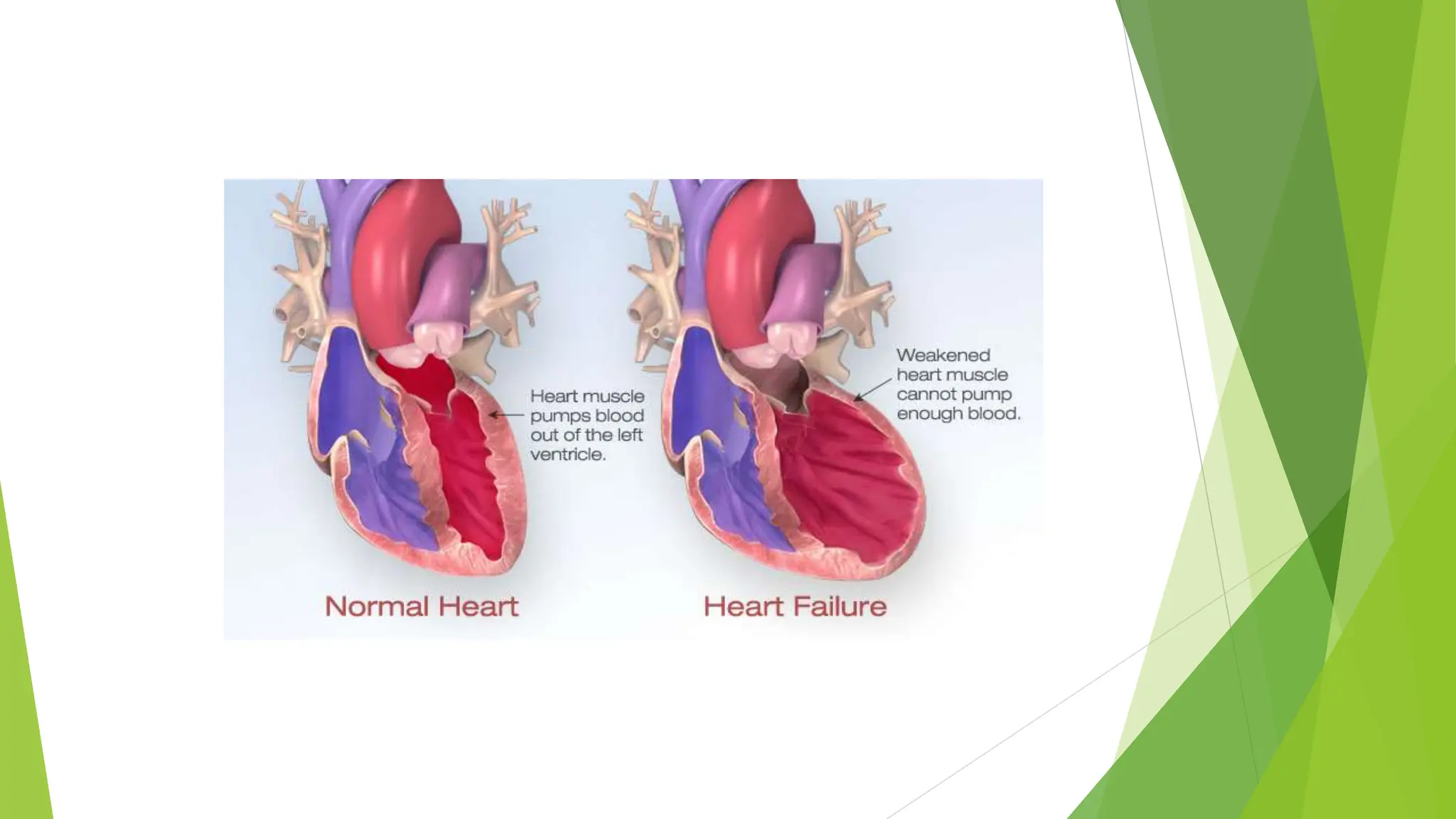
The specific ICD-10-CM code for acute diastolic congestive heart failure is I50.31. This code is used to report a diagnosis of heart failure with preserved ejection fraction (HFpEF) that is currently in an acute phase or experiencing a new-onset exacerbation. Accurate usage requires clinical documentation specifying both the "acute" nature and the "diastolic" type of the failure.
Understanding the ICD-10 Classification for Diastolic Heart Failure
In the 2026 coding environment, specificity remains the cornerstone of clinical documentation and revenue cycle management. Heart failure (HF) is no longer coded as a monolithic condition. Instead, the ICD-10-CM (International Classification of Diseases, Tenth Revision, Clinical Modification) divides heart failure into categories based on the functional nature of the impairment—systolic, diastolic, or combined—and the temporal nature of the condition—acute, chronic, or acute on chronic.
Acute diastolic congestive heart failure, categorized under code I50.31, represents a condition where the left ventricle of the heart has grown stiff or thick, preventing it from filling properly with blood during the relaxation phase (diastole). Despite this filling problem, the heart's "squeeze" or ejection fraction often remains within normal or near-normal limits, which is why it is frequently referred to clinically as Heart Failure with Preserved Ejection Fraction (HFpEF).
The "acute" designation in I50.31 is critical. It indicates that the patient is currently experiencing a sudden onset of symptoms or a severe worsening of their condition that requires immediate medical intervention, often resulting in hospitalization or emergency department visits. For coders and clinicians, distinguishing this from the "chronic" or "acute on chronic" stages is essential for both clinical tracking and accurate reimbursement under the Diagnostic Related Group (DRG) system.
Clinical Criteria and Documentation Requirements
To assign the code I50.31, the medical record must contain specific terminology. Under the official ICD-10-CM guidelines, coders are not permitted to infer a diagnosis based on laboratory results or imaging alone. For instance, an echocardiogram showing "diastolic dysfunction" with a normal ejection fraction is insufficient to code I50.31 unless the physician explicitly links those findings to a diagnosis of "acute diastolic heart failure" or "acute HFpEF."
Necessary Elements for Documentation
- Acuity: The physician must state the condition is "acute." Terms like "new onset," "exacerbation," or "decompensated" are often used to describe the acute state.
- Type: The physician must specify "diastolic" or "preserved ejection fraction."
- Connection: There must be a clear link between the heart failure and its acuity.
If a provider documents "acute congestive heart failure" without specifying systolic or diastolic, the coder is forced to use a less specific code, such as I50.9 (Heart failure, unspecified). This leads to a loss of clinical data and can negatively impact the complexity level (and thus the reimbursement) of the patient's encounter.
The Pathophysiology of Acute Diastolic CHF (HFpEF)
Understanding the underlying medical mechanism of acute diastolic CHF helps explain why specific coding is necessary. In diastolic heart failure, the primary issue is not the strength of the heart muscle, but its compliance. The walls of the ventricles become non-compliant. When the heart attempts to fill with blood between beats, the pressure inside the ventricle rises rapidly because the muscle cannot stretch.
This high pressure "backs up" into the pulmonary veins and the lungs, leading to pulmonary edema (fluid in the lungs), shortness of breath (dyspnea), and decreased oxygenation. During an acute episode, this process happens rapidly. Common triggers for an acute diastolic event include:
- Uncontrolled hypertension (causing a sudden "flash" pulmonary edema).
- Atrial fibrillation with rapid ventricular response (RVR), which shortens the time the heart has to fill.
- Excessive sodium or fluid intake.
- Myocardial ischemia.
By using code I50.31, the healthcare system tracks these specific physiological events, allowing for better population health management and resource allocation for patients with stiff-heart syndromes rather than pump-failure syndromes.
Comparison of Diastolic Heart Failure Codes
When navigating the I50.3 category, it is vital to choose the sub-code that exactly matches the patient’s status at the time of the encounter. The following table illustrates the distinctions between the codes within the diastolic heart failure family.
| ICD-10 Code | Clinical Description | Documentation Requirements |
|---|---|---|
| I50.30 | Diastolic heart failure, unspecified | Used when "diastolic" is noted, but "acute" or "chronic" is not specified. |
| I50.31 | Acute diastolic heart failure | Must document "acute" or "new-onset" diastolic heart failure or HFpEF. |
| I50.32 | Chronic diastolic heart failure | For patients in a stable state or receiving ongoing management for HFpEF. |
| I50.33 | Acute on chronic diastolic heart failure | For patients with known chronic diastolic failure who are currently in an acute flare. |
In many clinical settings, I50.33 (Acute on chronic) is the most frequently used code for hospitalizations, as most patients presenting with acute symptoms have an underlying, pre-existing chronic condition. However, if the patient has no prior history of heart failure and is presenting for the first time, I50.31 is the legally and clinically correct choice.
Coding Relationships: Hypertension and Kidney Disease
Heart failure rarely exists in a vacuum. In 2026, the ICD-10-CM guidelines maintain strong "assumed relationships" between certain conditions. One of the most important for I50.31 is the relationship between hypertension and heart failure.
According to the ICD-10-CM Official Guidelines for Coding and Reporting (Section I.C.9.a.1), there is a presumed causal relationship between hypertension and heart failure. When both are present, they should be coded as a single hypertensive heart disease code.
- Hypertensive Heart Disease: If a patient has acute diastolic CHF and hypertension, the primary code is I11.0 (Hypertensive heart disease with heart failure). You must then add I50.31 as a secondary code to specify the type of heart failure.
- Hypertensive Heart and Chronic Kidney Disease: If the patient has hypertension, heart failure, and chronic kidney disease (CKD), the category I13 (Hypertensive heart and chronic kidney disease) is used. Again, I50.31 is added as a secondary code to identify the acute diastolic component.
Failure to follow these sequencing rules can result in claim denials or audits, as the "combination codes" are mandatory when the conditions coexist.
The Impact of Specificity on CC and MCC Status
In the United States, hospital reimbursement is largely driven by the Medicare Severity Diagnosis Related Group (MS-DRG) system. Within this system, certain secondary diagnoses are classified as a Complication or Comorbidity (CC) or a Major Complication or Comorbidity (MCC).
As of 2026, code I50.31 (Acute diastolic heart failure) is generally classified as a CC. This means that if it is documented as a secondary diagnosis, it can increase the weight of the DRG, reflecting the higher intensity of care and resources required to treat an acute exacerbation.
However, if the provider fails to specify "acute" and instead documents "diastolic heart failure" (I50.30) or just "heart failure" (I50.9), the code may not carry CC status. This lead to a "lower tier" DRG, which results in significantly lower reimbursement for the facility, despite the fact that the same amount of clinical work was performed. Precision in documentation is therefore not just a matter of clinical accuracy, but a financial necessity for healthcare institutions.
Common Mistakes and How to Avoid Them
Even for experienced coders, certain pitfalls exist when assigning codes for acute diastolic heart failure. Avoiding these ensures compliance and accurate reporting.
1. Confusing Diastolic Dysfunction with Heart Failure
It is common to see "diastolic dysfunction" on an echo report. However, diastolic dysfunction is a physiological finding, whereas diastolic heart failure is a clinical syndrome. You cannot code I50.31 based on "grade II diastolic dysfunction" alone. The provider must confirm the patient is in a state of failure.
2. Misusing "Acute on Chronic"
If a patient has a known history of chronic diastolic heart failure and is admitted for an acute exacerbation, use I50.33. Do not code both I50.31 and I50.32 separately. The "acute on chronic" code captures both elements in a single alphanumeric string.
3. Neglecting Excludes1 Notes
The ICD-10 manual contains Excludes1 notes that prevent certain codes from being used together. For example, heart failure complicating abortion, ectopic pregnancy, or postpartum states should be coded from the O-series (Obstetrics), not the I-series. Always check the instructional notes under the I50 category.
4. Overlooking HFpEF Terminology
With the rise of clinical trials and new medications (like SGLT2 inhibitors) specifically for HFpEF, many physicians have shifted their terminology. Ensure that the coding department understands that "Acute HFpEF" is synonymous with "Acute Diastolic Heart Failure" (I50.31) for coding purposes.
Practical Steps for Medical Coding Professionals
To ensure the highest level of accuracy for acute diastolic chf icd 10 reporting, follow this workflow:
- Review the History and Physical (H&P): Look for symptoms of acute distress such as paroxysmal nocturnal dyspnea (PND), orthopnea, or acute peripheral edema.
- Examine the Imaging: Look for evidence of preserved ejection fraction (usually >40% or >50%, depending on the facility guidelines) alongside diastolic impairment.
- Check for "Acute" Markers: Identify triggers for the admission. Was there a sudden increase in weight or a need for intravenous diuretics (like Lasix)?
- Query the Physician: If the record shows a patient being treated with IV diuretics for "HFpEF" but the word "acute" is missing, a physician query is appropriate to clarify the acuity.
- Assign the Hierarchy: Apply the hypertensive heart disease codes first if hypertension is present, followed by I50.31.
Frequently Asked Questions
Is I50.31 the correct code for an exacerbation of HFpEF?
Yes, in the ICD-10-CM coding system, "acute diastolic heart failure" is the clinical equivalent of an "acute exacerbation of heart failure with preserved ejection fraction (HFpEF)." If the patient has a known chronic history of the condition, I50.33 (Acute on chronic) would be more specific and appropriate.
What is the difference between I50.31 and I50.9?
I50.31 is a highly specific code indicating both the timing (acute) and the functional type (diastolic) of the heart failure. I50.9 is an "unspecified" code used when the documentation does not state the type of heart failure or whether it is acute or chronic. Using I50.9 should be avoided whenever more specific information is available in the medical record.
Can I code I50.31 if the ejection fraction is 45%?
Clinical definitions for "preserved" ejection fraction can vary slightly between the American College of Cardiology (ACC) and the European Society of Cardiology (ESC). However, for coding purposes, if the physician documents the condition as "diastolic heart failure" or "HFpEF," you assign the I50.3x series regardless of the specific percentage, as long as it is not documented as "systolic."
Does acute diastolic heart failure (I50.31) always require a secondary code for hypertension?
If the patient has hypertension, the ICD-10-CM guidelines require that you use a combination code from category I11 (Hypertensive heart disease) or I13 (Hypertensive heart and chronic kidney disease) as the primary diagnosis, with I50.31 as a secondary diagnosis. If the patient does not have hypertension, I50.31 can stand alone as the primary diagnosis if it is the reason for the encounter.
How does I50.31 affect hospital reimbursement in 2026?
I50.31 is classified as a Complication or Comorbidity (CC). In the MS-DRG system, the presence of a CC can move a case from a lower-weighted DRG to a higher-weighted one, reflecting the increased complexity of treating acute heart failure compared to a simpler diagnosis. This usually results in higher reimbursement to the hospital to cover the costs of acute stabilization.
Final Recommendation for Clinical Documentation
To ensure clinical and financial integrity, healthcare providers should move away from general "CHF" terminology. For a patient experiencing an acute episode of diastolic failure, the documentation should ideally read: "Acute Diastolic Congestive Heart Failure (HFpEF) exacerbated by [triggering factor]." This phrasing provides all the necessary components—acuity, type, and clinical context—required to support the assignment of I50.31 and ensures that the severity of the patient's illness is accurately reflected in the medical record.