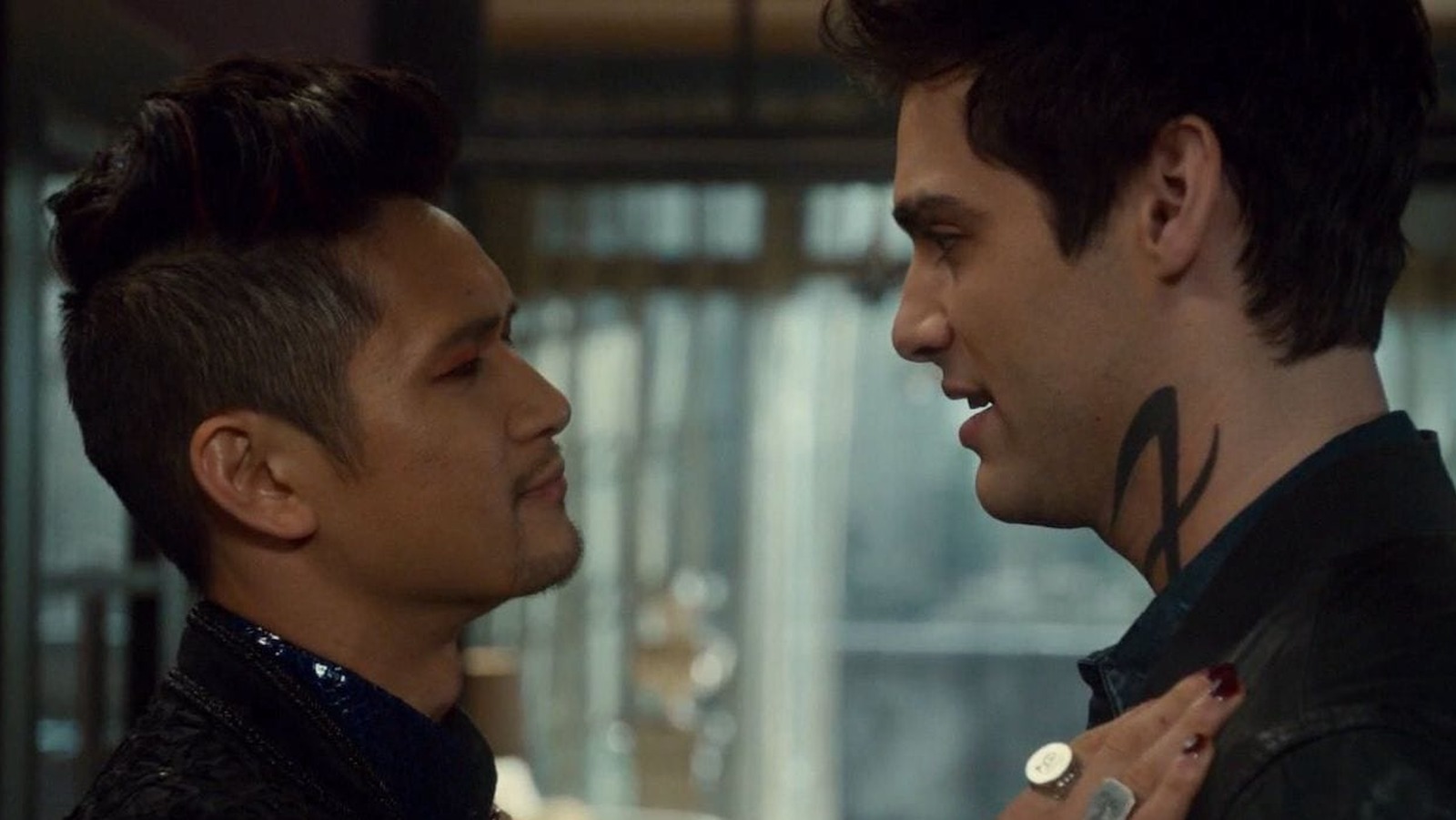
The history of LGBTQ+ representation in cinema is deeply intertwined with a complex legacy of censorship, social stigma, and coded expression. Long before open casting, queer storylines, and mainstream LGBTQ+ visibility became common, the silver screen was populated by actors navigating the strict confines of the closet. These performers used subtext, physical mannerisms, camp sensibilities, and carefully chosen roles to carve out hidden paths of queer representation, allowing audiences to read between the lines of studio-era Hollywood.
The Studio Era and the Shadow of Censorship
To understand hidden LGBTQ+ representation in classic film, one must examine the regulatory environment that governed Hollywood for decades. The Motion Picture Production Code, commonly known as the Hays Code, was strictly enforced from 1934 until the late 1960s. Formulated to appease moral watchdogs and stave off government censorship, the Code explicitly prohibited any depiction of "sex perversion," which included homosexuality.
- Hays Code Censorship Framework (1934–1968)
- Prohibited Subjects: Homosexuality, explicit cross-dressing, same-sex romance, and "immorality."
- Enforcement Mechanism: Mandatory script approval and final certificates before theatrical release.
- Resulting Creative Work: Coded language, subtextual glances, villainous or tragic queer coding.
Despite these rigid boundaries, queer people—both in front of and behind the camera—found ways to subvert the system. Filmmakers and actors relied on shared cultural codes, gestures, and vocal inflections to signal a character's inner life without uttering a single prohibited word. For closeted actors living under public scrutiny, portraying characters with hidden depths or alternative desires offered a subtle mirror to their own lived realities.
Coding and Subtext: Reading Between the Lines
Because explicit representation was outlawed, filmmakers and actors developed a sophisticated visual and verbal language of subtext. This phenomenon, often analyzed by film historians and queer theorists, relied on several distinct stylistic devices:
- Queer Coding of Villains and Dandies: Studio executives frequently allowed non-conforming gender presentation or implied same-sex attraction only when applied to antagonists, eccentric sidekicks, or doomed characters. Actors often leaned into these roles to project a subtle authenticity that bypassed censors while resonating with queer viewers.
- The Camp Aesthetic: Exaggerated theatricality, wry humor, and flamboyant self-awareness allowed actors to signal irony and detachment from traditional heterosexual norms.
- Subversive Costuming and Makeup: Wardrobe choices often communicated hidden traits. Cross-dressing, tailored menswear for women, and elaborate grooming for men were deployed to hint at identities that the script could never explicitly name.
- Micro-Expressions and Chemistry: Many closeted performers mastered the art of the lingering look, a double-entendre delivery, or physical vulnerability that communicated forbidden desire past the watchful eyes of studio censors.
Iconic Figures and Their Hidden Legacies
Countless actors from the golden age of Hollywood and beyond carried the heavy burden of the closet while sustaining massive public careers. While some lived double lives in private, others used their star power to protect queer colleagues or subtly shape the narrative arcs of the characters they played.
| Actor / Performer Era | Primary Studio Era Context | Mechanisms of Hidden Representation |
|---|---|---|
| Classic Hollywood (1930s–1950s) | Bound by strict Hays Code enforcement and morality clauses. | Utilized camp, subtextual romantic tension, and non-traditional gender presentation in supporting roles. |
| Transition Era (1960s–1970s) | Code collapse; emergence of psychological thrillers and independent cinema. | Explored ambiguous sexuality, tortured antagonists, and coded psychological depth. |
| Modern Era (1980s–Present) | Gradual coming out, diversification of roles, and activist visibility. | Bridged the gap between classic coded performance and authentic, transparent queer storytelling. |
The preservation of these performances relies heavily on modern film scholarship, archival research, and oral histories. Biographies and documentary features have increasingly shed light on how actors managed their public personas as traditional romantic leads while maintaining secret personal lives within underground urban networks.
The Evolution from Subtext to Authenticity
As the Hays Code dissolved in 1968, replaced by the MPAA rating system, the necessity for total concealment began to recede, though stigma persisted for decades. The transition from coded representation to explicit storytelling marked a massive shift in how queer actors approached their craft.
However, the legacy of the closet cast a long shadow. Well into the late 20th century, many bankable stars feared that coming out would derail their careers, deny them leading roles, or subject them to typecasting. Consequently, the tradition of the hidden performance continued in new forms: actors who played straight-passing leads while privately advocating for or embodying queer narratives in independent cinema.
Frequently Asked Questions
What does "queer coding" mean in classic cinema?
Queer coding refers to the practice of giving a fictional character traits, mannerisms, dress, or speech patterns that subtly suggest homosexuality or gender non-conformity without explicitly stating it, primarily used to bypass censorship under the Hays Code.
Why did closeted actors take on roles with negative queer stereotypes?
During the studio era, openly LGBTQ+ characters were almost exclusively written as villains, tragic figures, or comic relief due to censorship laws. Actors often accepted these roles because they were the only avenue available to portray characters that reflected aspects of their own identities or inner experiences.
How did audiences recognize hidden LGBTQ+ representation?
Audiences—particularly within urban queer communities—relied on shared cultural understanding, camp sensibilities, visual cues, and subtle subtext to identify and relate to characters and actors whose real-world experiences mirrored their own.
Did the end of the Hays Code immediately eliminate hidden representation?
No. While the formal censorship code ended in the late 1960s, industry homophobia, commercial pressures, and the fear of professional blacklisting meant that actors remained in the closet and relied on subtext for decades afterward.
Next Actions and Further Exploration
For those interested in exploring the depth of hidden LGBTQ+ representation in film, historical scholarship offers rich resources. Viewers can examine classic Hollywood cinema through analytical documentaries such as The Celluloid Closet, read comprehensive actor biographies detailing the realities of the studio system, and support contemporary film archives dedicated to preserving marginalized cinematic histories. Understanding this legacy highlights the resilience of artists who found ways to communicate truth under the weight of systemic restriction.