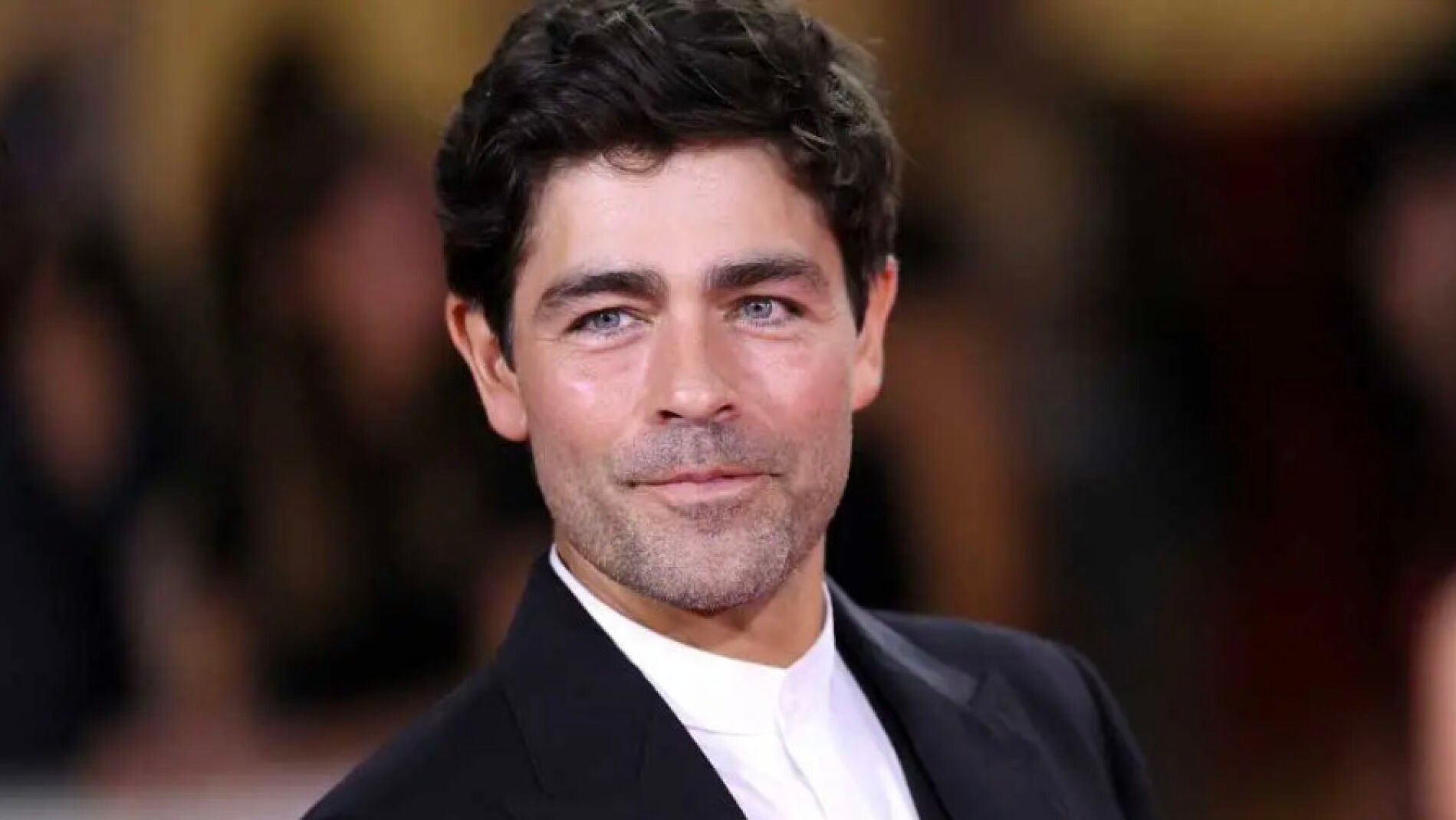
Adrian Grenier is an American actor, director, producer, and environmental activist best known for his portrayal of Vincent Chase in the long-running HBO series Entourage. Beyond his acting career, Grenier has established a significant presence as a social entrepreneur and advocate for ocean conservation, leveraging his public platform to promote sustainable living and corporate responsibility through various media projects and non-profit initiatives.
The Foundations of a Hollywood Career
Born in Santa Fe, New Mexico, and raised in New York City, Adrian Grenier began his professional acting journey in the late 1990s. He gained early attention for his roles in independent cinema, such as Drive Me Crazy (1999) and The Adventures of Sebastian Cole (1998). These early projects defined his persona as a versatile actor capable of navigating both studio teen comedies and character-driven indie dramas.
However, his career trajectory shifted significantly in 2004 when he was cast as the lead in HBO’s Entourage. Playing the rising movie star Vincent Chase, Grenier became the face of a series that defined the cultural zeitgeist of the 2000s. The show, which drew loose inspiration from the life of executive producer Mark Wahlberg, followed the lives of a group of friends navigating the complexities of fame and the entertainment industry in Los Angeles. For eight seasons, Grenier’s portrayal of the grounded yet charismatic "Vince" earned him widespread recognition and served as the cornerstone of his professional identity for over a decade.
Transitioning to Directing and Producing
Grenier’s interest in the entertainment industry extended well beyond his on-camera work. He developed an early inclination toward the creative processes behind the lens, specifically in documentary filmmaking. His 2002 documentary, Shot in the Dark, was a deeply personal project that documented his quest to find his estranged father. This film provided audiences with a rare, unfiltered look at his private life and demonstrated his commitment to honest, investigative storytelling.
Following the success of Entourage, Grenier expanded his production efforts to focus on content that prioritized social impact. He became involved in various projects that sought to highlight critical global issues, including the climate crisis and the necessity for sustainable consumer habits. His work as a producer moved toward elevating narratives that challenge viewers to reconsider their relationship with the environment and technology.
Environmental Advocacy and Sustainable Living
While many figures in Hollywood are associated with philanthropy, Adrian Grenier is distinguished by his hands-on approach to environmentalism, particularly concerning ocean health. His advocacy is centered on the principle that systemic change requires both individual action and structural reform in how corporations handle waste and natural resources.
The Shift Toward Sustainable Practices
Grenier’s advocacy reached a significant turning point through his partnership with the Lonely Whale Foundation, an organization he helped build. The foundation focuses on creating awareness about the hazards of plastic pollution and the importance of marine ecosystem preservation. By utilizing his celebrity status to spearhead campaigns—most notably the "Strawless Ocean" initiative—Grenier successfully brought the issue of single-use plastics into the mainstream consciousness, influencing policies in several municipalities and corporate chains.
The Role of Technology in Conservation
A recurring theme in Grenier’s recent career is the intersection of technology and sustainability. He has frequently explored how digital platforms can be used to track supply chains, increase transparency, and encourage ethical consumerism. His perspective on this matter is rooted in the belief that technology should serve as a tool to bridge the gap between abstract environmental data and the daily habits of individuals.
Career Comparison: Acting vs. Advocacy
To understand the evolution of Adrian Grenier’s public life, it is helpful to contrast the focus of his professional commitments over the last two decades.
| Feature | Acting (Early-Mid Career) | Advocacy & Entrepreneurship |
|---|---|---|
| Primary Medium | Television, Feature Film | Documentary, Digital Media, Panels |
| Main Objective | Character Portrayal, Entertainment | Awareness, Behavioral Change |
| Core Audience | General Viewers, Fans of Entourage | Environmentalists, Investors, Activists |
| Key Organizations | HBO, Warner Bros. | Lonely Whale, SHFT.com |
This transition is not necessarily a departure from the arts; rather, it is an evolution of his medium. Grenier often describes his environmental activism as a form of storytelling, where the "narrative" is the state of the planet and the "protagonists" are the people taking action to save it.
Establishing a Life Beyond the Spotlight
In recent years, Grenier has made notable shifts in his lifestyle, distancing himself from the fast-paced environment of Los Angeles. Moving to a farm in Texas, he has adopted a lifestyle centered on permaculture and self-sufficiency. This move is presented not just as a relocation, but as a practical exercise in the principles he advocates. By managing a farm, Grenier explores the logistics of regenerative agriculture, water conservation, and soil health on a micro-scale.
This lifestyle change has allowed him to participate in a more grounded version of public life. He continues to appear in projects that align with his values, often appearing as a subject or producer in media that addresses agriculture and climate change. His approach provides a blueprint for how public figures can transition away from traditional Hollywood structures toward community-focused and ecologically conscious living.
Frequently Asked Questions
What is Adrian Grenier’s current primary focus?
Adrian Grenier is primarily focused on regenerative agriculture and ocean conservation. While he remains open to acting opportunities, his professional life is currently centered on his farm in Texas and his ongoing work as an advocate for environmental sustainability through various non-profit partnerships.
Is Adrian Grenier still involved with the Entourage franchise?
The original Entourage series concluded in 2011, and the film adaptation was released in 2015. As of 2026, there are no active, authorized productions involving the original cast. Grenier has moved on to projects that reflect his current environmental and agricultural priorities.
What is the significance of the "Strawless Ocean" initiative?
The "Strawless Ocean" campaign, championed by Grenier and the Lonely Whale Foundation, was a viral movement that successfully highlighted the damage caused by single-use plastic straws to marine life. It served as a gateway campaign, encouraging businesses to move toward plastic-free alternatives and inspiring thousands of individuals to reduce their single-use plastic consumption.
How did Adrian Grenier’s documentary Shot in the Dark impact his career?
Shot in the Dark was pivotal because it displayed Grenier's ability to be vulnerable and authentic, qualities that helped deepen the audience's connection to him beyond his role as a fictional movie star. It established his capability as a filmmaker and revealed his interest in documentary work, which would eventually become the foundation of his advocacy career.
Can individuals follow his regenerative farming practices at home?
Yes. Grenier often discusses the scalability of his farming practices. The core principles—such as composting, water harvesting, and supporting local biodiversity—can be applied in urban gardens, balcony planters, or backyard plots. He advocates for the idea that every small effort contributes to a larger, more resilient agricultural system.
Recommendations for Further Engagement
For those interested in the intersections of celebrity advocacy and environmentalism, the most effective next action is to examine the impact reports of organizations Grenier has supported, such as the Lonely Whale Foundation. These reports offer a transparent look at the measurable outcomes of his campaigns, providing a clearer understanding of how high-level advocacy translates into tangible, real-world change.
Furthermore, observing Grenier’s recent public interviews—specifically those focusing on the transition to rural, regenerative living—can provide valuable insights for readers interested in sustainable transitions. His life serves as a practical, albeit high-profile, case study in how one might reorient their daily life to minimize environmental impact. By shifting focus from the persona of a celebrity to the substance of the activist, one gains a more nuanced understanding of the potential for public figures to influence the discourse on climate change effectively.