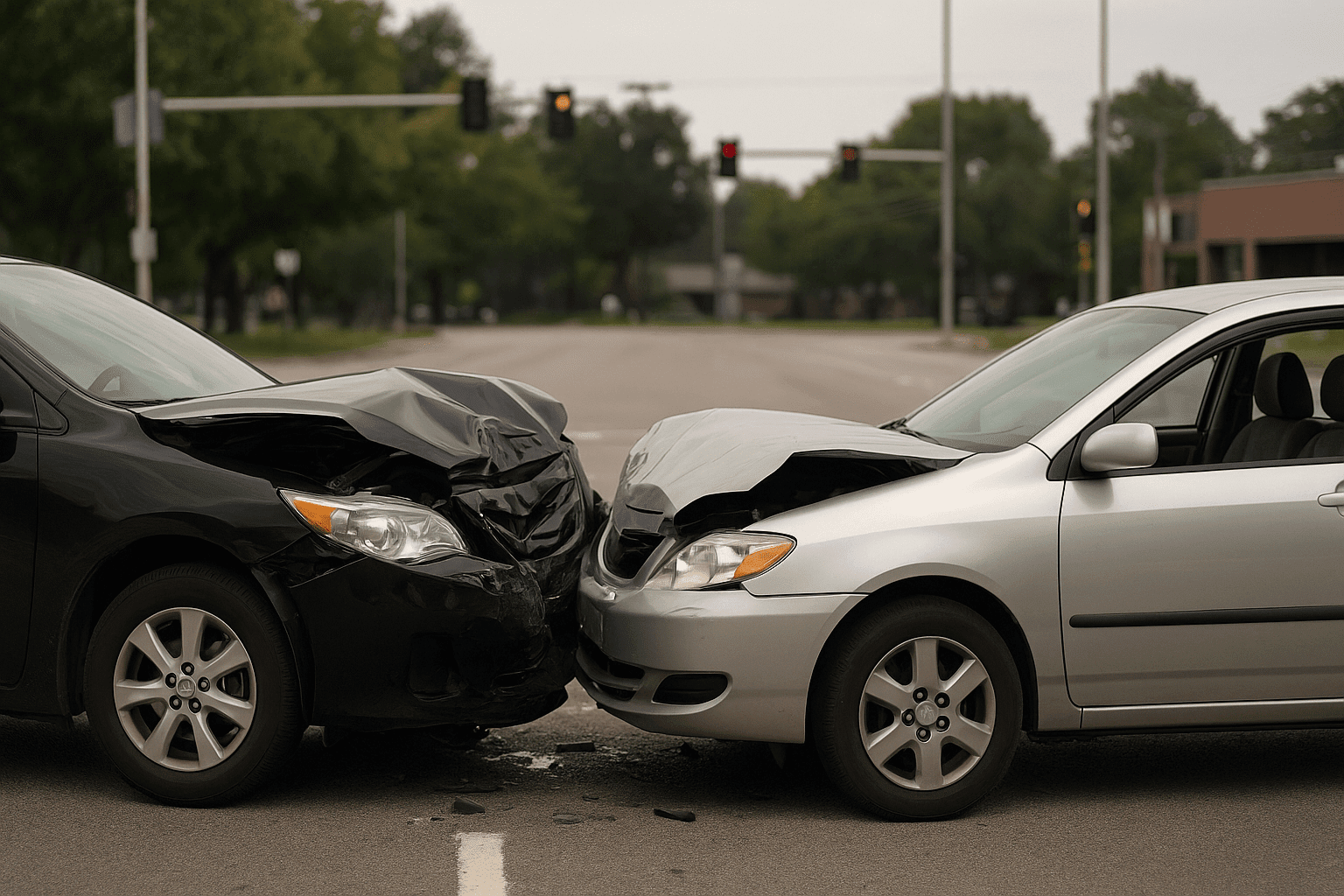
An accident injury attorney in Arlington, TX, provides essential legal representation for individuals harmed by the negligence of others, navigating Texas's "at-fault" insurance system to recover compensation. In 2026, these professionals manage the complexities of Tarrant County litigation, ensuring victims meet the strict two-year statute of limitations while maximizing recovery for medical expenses, lost income, and pain and suffering.
Securing legal counsel following a motor vehicle collision, workplace mishap, or slip-and-fall in Arlington is often the difference between a denied insurance claim and a fair settlement. The legal landscape in Texas requires a deep understanding of modified comparative negligence and specific filing protocols within the Tarrant County court system. This guide provides a detailed analysis of how to navigate the personal injury process in Arlington, what to expect from legal representation, and how current Texas statutes affect your potential recovery.
Understanding Texas Personal Injury Laws in 2026
Texas law remains a complex environment for injury victims. Whether you were involved in a multi-car pileup on Interstate 30 or a commercial truck accident near the Arlington Entertainment District, several key legal doctrines will govern your case.
The Statute of Limitations
In 2026, the statute of limitations for personal injury claims in Texas remains two years from the date of the incident, as dictated by Texas Civil Practice and Remedies Code § 16.003. Failing to file a lawsuit within this window typically results in the permanent loss of the right to seek damages. There are very few exceptions to this rule, such as cases involving minors or instances where the injury could not have been reasonably discovered immediately. An Arlington attorney ensures that all evidence is preserved and filings are submitted well before this deadline.
Modified Comparative Negligence (The 51% Bar Rule)
Texas operates under a proportionate responsibility system. According to Chapter 33 of the Texas Civil Practice and Remedies Code, a claimant can only recover damages if their percentage of responsibility is 50% or less. If a jury finds you 51% responsible for the accident, you are barred from recovering any compensation from other parties. If you are found partially at fault (e.g., 20%), your total recovery will be reduced by that percentage. Insurance defense lawyers frequently use this rule to shift blame onto the victim to reduce or eliminate payouts.
The "At-Fault" Insurance Model
Texas is an "at-fault" state for auto insurance. This means the person who caused the accident is responsible for the damages. Victims usually file a claim against the at-fault driver's liability insurance. In 2026, the minimum liability requirements in Texas remain at $30,000 per injured person, $60,000 per accident for bodily injury, and $25,000 for property damage. Because medical costs in the Dallas-Fort Worth metroplex often exceed these limits, an attorney’s role in identifying additional insurance layers—such as Underinsured Motorist (UIM) coverage—is critical.
Common Accident Types in Arlington, Tarrant County
Arlington's unique geography as a central hub between Dallas and Fort Worth creates specific high-risk zones for accidents. Local attorneys specialize in several primary areas of personal injury.
High-Traffic Motor Vehicle Collisions
With major arteries like I-30, I-20, SH 360, and SH 161 running through the city, Arlington sees a high volume of high-speed collisions. The density of traffic near AT&T Stadium and Globe Life Field during event days significantly increases the risk of rear-end collisions and pedestrian accidents. Attorneys must often obtain traffic camera footage from the Arlington Department of Public Works to prove liability in these congested areas.
Commercial Trucking and Logistics Accidents
Arlington is a major corridor for freight. Accidents involving 18-wheelers and commercial delivery vans are subject to Federal Motor Carrier Safety Administration (FMCSA) regulations. These cases are more complex than standard car accidents because they often involve multiple defendants, including the driver, the trucking company, and the maintenance contractor.
Workplace Injuries and Non-Subscriber Claims
Texas is unique because it does not require private employers to carry workers' compensation insurance. If you are injured at a workplace that is a "non-subscriber," you have the right to sue your employer directly for negligence. These cases require proving that the employer failed to provide a safe working environment, proper training, or functional equipment.
The Role of an Arlington Accident Injury Attorney
A personal injury lawyer does more than just file paperwork; they act as a shield between the victim and aggressive insurance adjusters.
- Comprehensive Investigation: This includes dispatching accident reconstruction experts to the scene, interviewing witnesses, and securing "black box" data from commercial vehicles.
- Medical Liens and Coordination: Attorneys work with local Arlington medical providers to ensure clients receive care via "Letters of Protection" (LOPs), which allow patients to receive treatment now and pay out of their future settlement.
- Valuing the Claim: Determining the true cost of an injury involves calculating "special damages" (quantifiable losses) and "general damages" (subjective losses).
- Litigation and Trial: If the insurance company refuses a fair settlement, the attorney must be prepared to take the case to the Tarrant County District Courts. Familiarity with local judges and jury tendencies in the Arlington/Fort Worth area is a significant advantage.
Damages and Compensation Structures
Victims of accidents in Arlington are entitled to seek various forms of compensation. Understanding the distinction between these categories is vital for setting realistic expectations.
| Type of Damage | Description | Examples |
|---|---|---|
| Economic Damages | Quantifiable financial losses resulting from the injury. | Hospital bills, surgery costs, physical therapy, lost wages, and loss of earning capacity. |
| Non-Economic Damages | Subjective, non-monetary losses related to quality of life. | Pain and suffering, mental anguish, loss of consortium, and physical impairment. |
| Punitive Damages | Damages intended to punish the defendant for "gross negligence." | Cases involving drunk driving (DUI) or intentional reckless behavior. |
| Property Damages | Costs to repair or replace physical assets. | Vehicle repair estimates, car replacement value, and personal property inside the vehicle. |
Why Local Representation Matters in Tarrant County
While many large national firms advertise in North Texas, hiring a lawyer with a physical presence in Arlington or the surrounding Tarrant County area offers distinct benefits.
Knowledge of Local Courts
Cases in Arlington are typically heard in the Tarrant County courthouse system in downtown Fort Worth. A local attorney understands the scheduling nuances of the 17th, 48th, 67th, and other District Courts. They know which judges prefer specific mediation styles and how local juries view different types of evidence.
Proximity to Evidence and Experts
An Arlington-based firm can quickly access local resources, such as the Arlington Police Department's accident records division or local medical specialists at Texas Health Arlington Memorial Hospital. Being "on the ground" allows for faster response times when evidence, like skid marks or vehicle damage, needs to be documented before it disappears.
The Personal Injury Claim Process: What to Expect
The path from the initial accident to a final settlement or verdict follows a structured legal progression.
Step 1: Immediate Medical Evaluation
The first priority is health. In Texas, a delay in seeking medical treatment is a primary reason insurance companies deny claims. "Gaps in treatment" are used to argue that the injury wasn't severe or was caused by a different event.
Step 2: The Free Consultation
Most Arlington injury attorneys offer a free initial consultation. During this meeting, they will evaluate the merits of the case, discuss the fee structure (typically a contingency fee), and determine if a conflict of interest exists.
Step 3: Investigation and Demand
The legal team gathers all medical records, bills, and police reports. Once the victim reaches "Maximum Medical Improvement" (MMI)—the point where their condition has stabilized—the attorney sends a formal demand letter to the insurance company. This letter outlines the facts of the case, the evidence of liability, and the total amount of compensation requested.
Step 4: Negotiation and Mediation
The insurance company will likely respond with a lower counteroffer. This begins a period of negotiation. Many Tarrant County cases are resolved during mediation, a formal meeting where a neutral third party helps both sides reach an agreement without going to trial.
Step 5: Filing a Lawsuit
If negotiations fail, the attorney will file a petition in court. This starts the "discovery" phase, where both sides exchange evidence, take depositions (sworn testimony), and prepare for trial. Even after a lawsuit is filed, many cases settle before reaching the courtroom.
Avoiding Common Mistakes After an Arlington Accident
The actions you take in the minutes and days following an accident can significantly impact the strength of your legal claim.
- Never Admit Fault: Even a simple "I'm sorry" at the scene can be interpreted as a legal admission of liability. Stick to the facts when speaking with the police.
- Don't Give a Recorded Statement: Insurance adjusters are trained to ask leading questions. You are not legally required to provide a recorded statement to the other driver’s insurance company without your attorney present.
- Document Everything: Take photos of the vehicle positions, license plates, road conditions, and any visible injuries.
- Follow Medical Advice: If a doctor prescribes physical therapy or a follow-up specialist visit, attend every appointment. Non-compliance is a major red flag for insurance adjusters.
Frequently Asked Questions
How much does an accident injury attorney in Arlington cost?
In 2026, most personal injury lawyers in Arlington work on a contingency fee basis. This means the client pays $0 upfront. The attorney's fee is a percentage of the final settlement or court award—usually between 33.3% and 40%. If the attorney does not win the case, the client typically owes no legal fees.
How long will my personal injury case take to resolve?
Simple car accident claims with clear liability may resolve in four to six months. However, complex cases involving commercial trucks, catastrophic injuries, or disputed liability can take 12 to 24 months, especially if a lawsuit must be litigated through the Tarrant County court system.
Can I still recover money if I was partially at fault for the accident?
Yes, as long as you were not more than 50% responsible. Under Texas's modified comparative negligence law, your compensation will be reduced by your percentage of fault. For example, if you are awarded $100,000 but found 20% at fault, you would receive $80,000.
What should I do if the person who hit me doesn't have insurance?
If you have Uninsured/Underinsured Motorist (UM/UIM) coverage on your own policy, you can file a claim with your insurance provider. Texas law requires insurance companies to offer this coverage, and it can only be declined in writing. An attorney can help you determine if this coverage is available.
What is the average settlement for a car accident in Arlington?
There is no "average" settlement because every case is dependent on specific factors: the severity of the injury, the amount of available insurance coverage, and the clarity of liability. A minor whiplash case may settle for a few thousand dollars, while a traumatic brain injury (TBI) case could result in a multi-million dollar recovery.
Next Steps for Injury Victims
If you or a loved one has been injured in Arlington, the first step is to secure a copy of your Texas Peace Officer’s Crash Report (CR-3). Once you have addressed your immediate medical needs, consult with a qualified accident injury attorney to review your options. Most firms provide a no-obligation case evaluation to help you understand the potential value of your claim and the best path forward for your recovery.