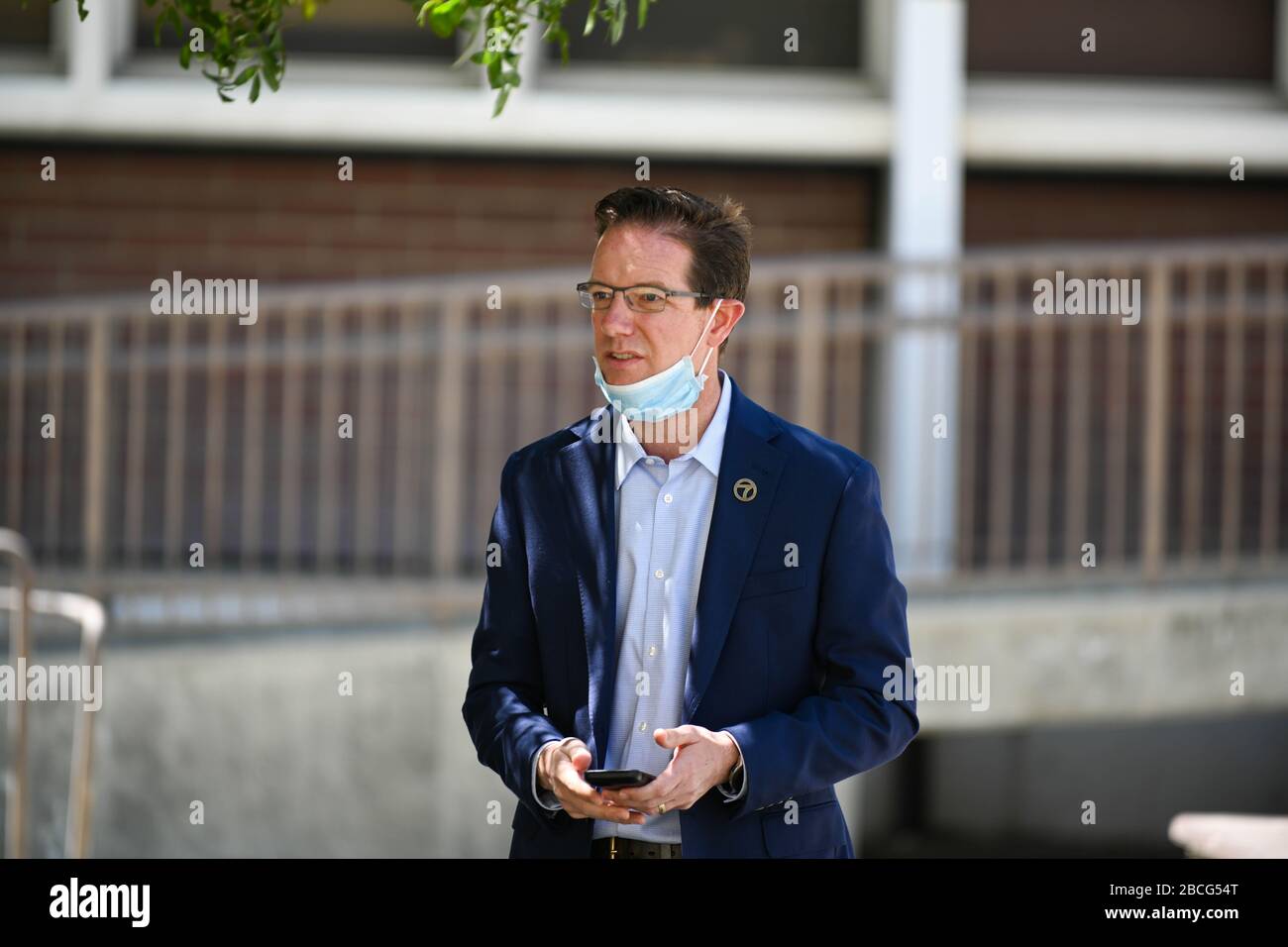
ABC 7 reporters are professional journalists, correspondents, and multimedia anchors who gather, investigate, and present news stories for ABC-affiliated television stations operating under the "ABC 7" branding across major media markets like Los Angeles (KABC-TV), New York (WABC-TV), San Francisco (KGO-TV), and Chicago (WLS-TV). These reporters produce daily broadcast segments, digital video packages, and investigative reports that keep local communities informed on public safety, policy, weather, and human-interest developments.
The ecosystem of local television news is undergoing a rapid evolution. While traditional broadcast windows remain a staple of daily viewing habits, modern viewers increasingly encounter ABC 7 reporters across streaming platforms, mobile applications, and dedicated digital syndications. Understanding how these newsrooms function, how reporters source and verify stories, and what qualifications are required to enter the field provides valuable insight into the mechanics of contemporary regional journalism.
The Role and Responsibilities of an ABC 7 Reporter
The daily routine of an ABC 7 reporter extends far beyond standing in front of a camera for a two-minute live shot. Local newsrooms operate on strict deadlines driven by multiple daily newscasts, forcing reporters to balance rapid-turnaround spot news with long-form investigative projects.
Daily Editorial Workflow
Every morning begins with an editorial meeting where producers, executive producers, assignment editors, and reporters pitch stories. Reporters must demonstrate why a specific local event matters to the viewing audience. Once an assignment is locked in, the workflow typically involves:
- Research and Sourcing: Contacting public information officers, reviewing police blotters, filing public records requests, and vetting tipsters.
- Field Production: Working alongside a photojournalist (or operating as a multimedia journalist / MMJ who shoots and edits their own video) to capture B-roll, interview subjects, and establish the scene.
- Writing and Scripting: Translating complex facts into concise, accessible language tailored for a television viewing audience.
- Live Reporting: Delivering updates directly from the field during scheduled newscasts, often with minimal preparation when breaking news occurs.
Specialization vs. General Assignment
Most major market stations employ both general assignment reporters and beat specialists. General assignment reporters must be adaptable, covering everything from municipal budget votes one morning to severe weather or a local festival the next. Beat reporters, by contrast, cultivate deep expertise in specific domains such as legal affairs, investigative journalism, politics, consumer advocacy, or education. These specialists develop long-term sources and possess the historical context necessary to untangle complex systemic issues within their coverage areas.
Major ABC 7 Markets and Station Profiles
Because "ABC 7" is a branding moniker used by multiple owned-and-operated (O&O) and affiliated stations across the United States, the specific reporters and operational structures vary significantly by region. The four largest O&O stations under this umbrella command massive audiences and maintain extensive newsgathering infrastructure.
| Station | Market | Key Coverage Focus | Digital Presence |
|---|---|---|---|
| WABC-TV (Channel 7) | New York, NY | Tri-state metro politics, transit, national finance, crime, and local culture. | Eyewitness News app, 24/7 streaming channel, extensive web reporting. |
| KABC-TV (Channel 7) | Los Angeles, CA | Southern California wildfires, entertainment industry, municipal governance, and immigration. | ABC7 Eyewitness News digital platforms and connected TV apps. |
| WLS-TV (Channel 7) | Chicago, IL | Midwest politics, investigative accountability, community safety, and weather extremes. | ABC7 Chicago streaming apps and social media feeds. |
| KGO-TV (Channel 7) | San Francisco, CA | Silicon Valley tech policy, housing crises, environmental issues, and regional infrastructure. | ABC7 News digital desk and mobile integrations. |
Each of these stations operates under the overarching standards of ABC News, owned by The Walt Disney Company, while maintaining distinct local editorial independence.
Qualifications, Skills, and Career Pathways
Breaking into reporting at a major market ABC 7 station requires a rigorous combination of education, technical proficiency, and demonstrated field experience. Very few journalists step directly into top-10 markets without years of foundational work in smaller media ecosystems.
Educational and Technical Prerequisites
Most newsrooms require a bachelor's degree in journalism, communications, political science, or a related field. However, practical portfolio building outweighs academic credentials alone. Essential technical competencies include:
- Non-linear video editing: Proficiency with software platforms like Adobe Premiere Pro or Avid Media Composer.
- Mobile journalism (MoJo): Ability to shoot high-definition video, record clean audio, and transmit live feeds using cellular bonded backpacks or smartphone kits.
- Data journalism: Skill in analyzing public databases, spreadsheets, and open-records documents to uncover statistical trends.
The Traditional Career Ladder
Aspiring broadcast journalists almost invariably begin their careers in smaller markets (often designated as Nielsen DMAs ranked 100 and below) before advancing upward. A typical trajectory involves:
- Production Assistant / Writer: Working behind the scenes in a local newsroom to learn broadcast timing and script formatting.
- Small-Market Reporter / MMJ: Reporting, shooting, and editing solo in rural or mid-sized cities (e.g., DMA 70–150).
- Medium-Market Weekend Anchor / Reporter: Transitioning to anchoring weekend newscasts while continuing daily reporting duties in a larger region (e.g., DMA 30–60).
- Major-Market Reporter: Securing a position at a powerhouse station like an ABC 7 affiliate in a top-20 market.
Ethical Standards, Sourcing, and Verification
Local television journalists operate under strict codes of ethics established by organizations like the Radio Television Digital News Association (RTDNA) and internal corporate broadcast standards. In an era where misinformation spreads rapidly across social media, the primary value proposition of an established local newsroom is verified credibility.
Fact-Checking and Verification Protocols
When breaking news occurs—such as a major accident, a public corruption scandal, or severe weather—reporters face immense pressure to break the story first. However, network standards mandate strict verification protocols:
- Corroboration: Information gathered from social media or unconfirmed eyewitnesses must be independently verified by official sources, such as police, fire departments, or municipal officials.
- Anonymous Sources: The use of confidential sources requires high-level editorial approval and is strictly regulated to protect journalistic integrity while ensuring accountability.
- Corrections and Retractions: If an error makes it to air or digital platforms, ethical newsrooms issue prompt, transparent corrections on all distribution channels.
The Shift Toward Digital and Streaming Ecosystems
The traditional model of tuning into a television set at 6:00 PM or 11:00 PM has evolved. ABC 7 reporters now produce content customized for an omnichannel media diet.
Multi-Platform Storytelling
Modern newsrooms require reporters to think beyond the evening broadcast. A single story assignment typically generates several distinct assets:
- A brief, punchy digital article for the station's website optimized for search and mobile reading.
- Vertical video formats for platforms like Instagram, TikTok, and YouTube Shorts.
- Extended interviews or deep-dive segments for free ad-supported streaming television (FAST) channels.
- Live social media Q&A sessions where reporters interact directly with viewers regarding unfolding events.
This shift has transformed reporters from linear television broadcasters into round-the-clock digital content creators who must maintain audience engagement across multiple touchpoints simultaneously.
Frequently Asked Questions
How do I contact a specific ABC 7 reporter with a news tip?
Most ABC 7 stations maintain dedicated news tips email addresses, phone lines, and submission forms on their official websites. Additionally, many reporters actively monitor professional inquiries through verified social media accounts on platforms like X (formerly Twitter) and LinkedIn. When submitting a tip, provide clear documentation, dates, locations, and verifiable contact details.
What is the difference between a reporter and an anchor?
A reporter primarily gathers, investigates, and packages stories from the field or the newsroom desk. An anchor presents the newscast from the studio desk, introduces pre-recorded packages, and conducts live interviews. In many local markets, reporters also anchor weekend or morning broadcasts, blending both skill sets.
Are ABC 7 stations owned by the national ABC network?
Some major market stations (such as WABC-TV New York and KABC-TV Los Angeles) are owned-and-operated (O&O) by The Walt Disney Company under the Walt Disney Television division. Other regional ABC 7 stations are independently owned affiliates operated by media conglomerates like Graham Media Group, Sinclair Broadcast Group, or Nexstar Media Group, carrying ABC programming via contractual affiliation agreements.
How do local TV reporters handle breaking news safety protocols?
When covering hazardous situations—such as active crime scenes, civil unrest, or natural disasters like wildfires—reporters and photojournalists coordinate closely with public safety officials, wear high-visibility gear, utilize protective equipment when necessary, and maintain safe operational perimeters dictated by incident commanders.
Conclusion and Next Actions
ABC 7 reporters play a vital, foundational role in maintaining civic accountability and keeping local communities informed. Whether analyzing municipal budgets, covering grassroots community movements, or delivering life-saving weather updates, these journalists rely on rigorous verification standards and multi-platform storytelling techniques. For viewers seeking local news, accessing these reports through official station apps, verified web portals, and scheduled broadcasts ensures reliable, fact-checked information. To stay informed, identify your regional ABC 7 affiliate, explore their dedicated streaming channels, and follow beat reporters who cover the specific civic issues that impact your daily life.