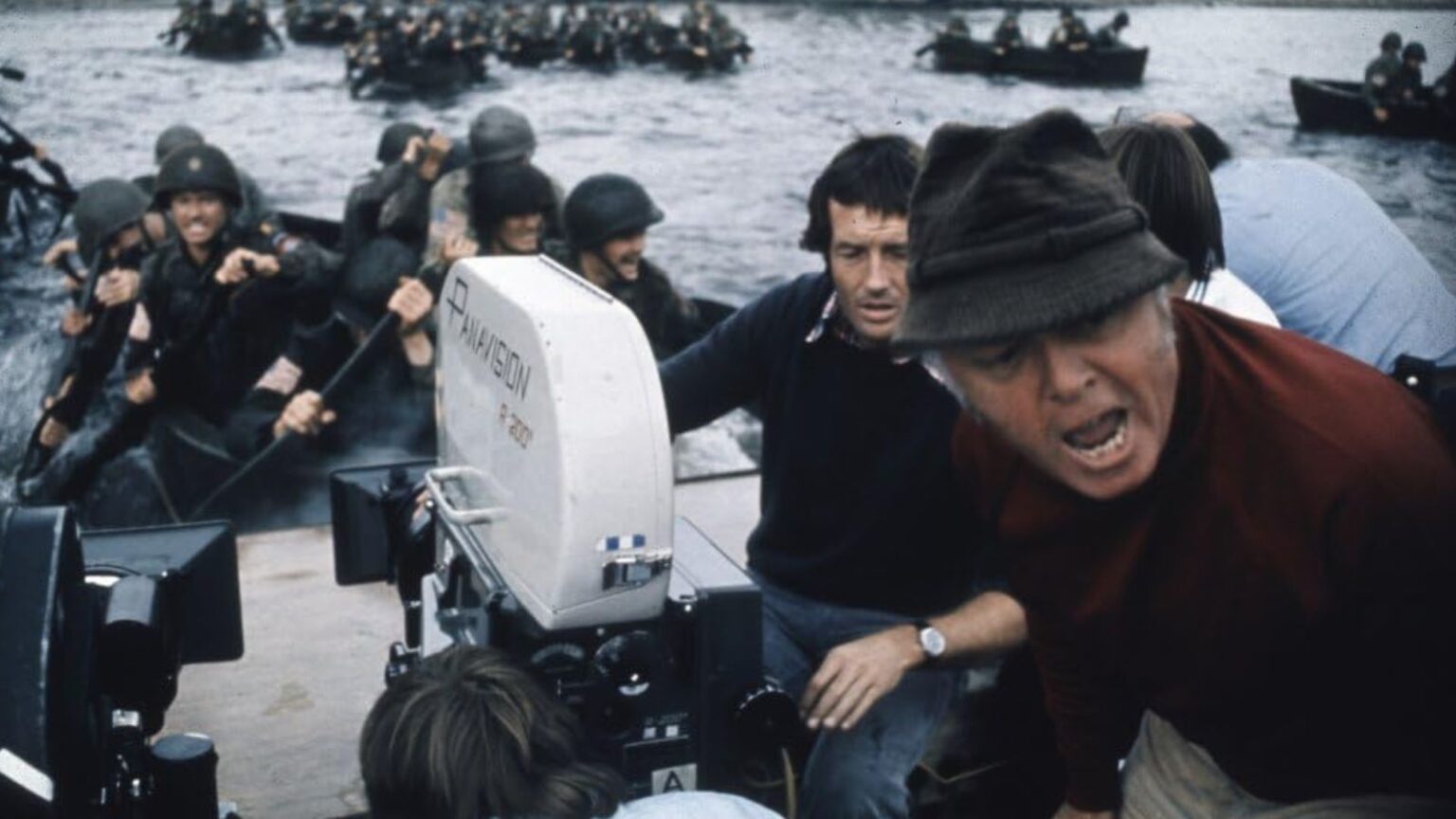
To fully appreciate the history of British and global cinema, one must explore the dual legacy of Lord Richard Attenborough as both a transformative actor and a visionary director. From his chilling portrayal of a teenage gangster in Brighton Rock to his Oscar-winning direction of the epic Gandhi, these seven essential films represent the pinnacle of a career that spanned seven decades, defining the standards for biographical storytelling and character-driven drama.
The Dual Legacy of Richard Attenborough
Richard Attenborough occupies a unique space in cinematic history. To the modern audience in 2026, he is perhaps most instantly recognized as the benevolent (yet hubristic) John Hammond in Jurassic Park. However, for the dedicated film buff, Attenborough represents a bridge between the classic studio era and the modern independent spirit. His career was marked by a relentless pursuit of "human" stories—projects that often took decades to greenlight because they prioritized social conscience over easy profits.
His acting was characterized by a rare ability to project both extreme vulnerability and calculated menace. As a director, he was a master of the "human epic," managing thousands of extras and massive sets without ever losing sight of the individual's emotional journey. The following seven films are curated to showcase this breadth, providing a comprehensive education in his contribution to the art form.
1. Brighton Rock (1948)
For any cinephile, Brighton Rock is the definitive starting point for understanding Attenborough’s early "acting" brilliance. Based on Graham Greene’s novel, the film features Attenborough as Pinkie Brown, a razor-wielding teenage sociopath leading a small-time gang in the seaside resort of Brighton.
Why It Is Essential
At a time when British leading men were often expected to be gallant or refined, Attenborough’s Pinkie was a revelation of post-war grit. He had played the role on stage previously, and that familiarity allowed him to inhabit the character’s hollow-eyed nihilism with terrifying precision. The film is a masterclass in British Noir, utilizing shadows and the juxtaposition of the cheerful seaside atmosphere with the sordid underworld of the piers.
Technical Note for Film Buffs
Pay close attention to the final scene involving the gramophone recording. It remains one of the most haunting endings in British cinema history. Attenborough’s ability to convey a sense of "lost soul" rather than just a "movie villain" set the stage for the psychological depth that would characterize his later work.
2. The Great Escape (1963)
While The Great Escape is often remembered for Steve McQueen’s motorcycle jump and Elmer Bernstein’s iconic score, Richard Attenborough provides the film’s narrative engine. As Squadron Leader Roger Bartlett (known as "Big X"), he portrays the intellectual and organizational heart of the escape plot.
The Role of "Big X"
In an ensemble cast full of "cool" characters, Attenborough’s performance is grounded in the gravity of war. He represents the burden of leadership and the psychological toll of being a prisoner of war. While others provide the action, Attenborough provides the stakes.
Why It Matters in 2026
Even 63 years after its release, The Great Escape remains a textbook example of ensemble editing and pacing. Attenborough’s scenes with James Cassavetes and Donald Pleasence demonstrate his ability to share the screen while maintaining a commanding presence. For film students, his performance is a lesson in "quiet authority."
3. 10 Rillington Place (1971)
If Brighton Rock showed a young man playing a monster, 10 Rillington Place showed a veteran actor disappearing into one. Attenborough portrays John Christie, the real-life British serial killer who operated in the 1940s and 50s.
A Study in Menace
This film is often difficult to watch due to its claustrophobic atmosphere and the sheer banality of Christie’s evil. Attenborough adopted a soft, wheezing voice and a timid gait, making the character’s sudden shifts into violence even more jarring. This was a bold choice for an actor who was, by then, a beloved public figure in the UK.
Cinematic Significance
The film served a greater social purpose, highlighting the tragic miscarriage of justice involving Timothy Evans (played by John Hurt). Attenborough’s commitment to the role was part of his lifelong interest in the intersection of cinema and social justice, contributing to the historical discourse surrounding capital punishment in Great Britain.
4. Gandhi (1982)
No list of Attenborough’s work is complete without his directorial magnum opus. Gandhi was a project Attenborough spent twenty years trying to fund. When it finally arrived, it swept the Academy Awards, winning eight Oscars, including Best Picture and Best Director.
The Scale of Production
In the era before CGI, Attenborough achieved the impossible. The funeral sequence famously utilized over 300,000 extras—the largest number ever recorded in film history according to the Guinness World Records. As a director, Attenborough’s strength lay in his ability to maintain the intimacy of Mahatma Gandhi’s philosophy amidst this staggering scale.
Directorial Style
Attenborough’s style in Gandhi is classical and patient. He avoids flashy camera movements in favor of long takes that allow Ben Kingsley (in a career-defining role) to inhabit the space. For a film buff, Gandhi is the gold standard for the "biopic," showing how to condense decades of history into a cohesive three-hour narrative without losing the subject's essence.
5. Chaplin (1992)
As a director, Attenborough had a fascination with the lives of complicated creators. Chaplin explores the life of silent film icon Charlie Chaplin, played by a young Robert Downey Jr. in what many consider to be one of the greatest biographical performances ever captured on film.
The Challenge of the Subject
How do you film the life of the man who invented much of the visual language of cinema? Attenborough’s solution was to frame the story through Chaplin’s later years in Switzerland, looking back. This allowed the film to explore the political controversy and personal scandals that defined Chaplin's American exile.
Why Film Buffs Love It
The film is a love letter to the early days of Hollywood. The recreations of the Mack Sennett studios and the evolution of the "Little Tramp" character are meticulously researched. Attenborough’s direction provides the scaffolding for Downey Jr.’s physicality, resulting in a film that is both a historical document and a deeply moving character study.
6. Shadowlands (1993)
While Attenborough is known for epics, Shadowlands proves his mastery of the intimate, "chamber" drama. The film tells the true story of the relationship between C.S. Lewis (played by Anthony Hopkins) and the American poet Joy Gresham (Debra Winger).
Emotional Depth
Shadowlands is a profound meditation on grief, faith, and the "messiness" of real life vs. the order of literature. Attenborough’s direction is invisible here in the best way possible; he steps back to let the performances breathe. The scenes set in the hallowed halls of Oxford are shot with a warmth that contrasts with the cold reality of Gresham’s illness.
Technical Excellence
The film is often cited by cinematographers for its use of light and shadow to reflect C.S. Lewis’s internal emotional state. It remains one of the most emotionally resonant films of the 1990s, showcasing Attenborough’s range as a director who could move from the thousands of extras in Gandhi to two people talking in a quiet room with equal skill.
7. Jurassic Park (1993)
It may seem unconventional to include a Spielberg blockbuster on a "film buff" list for Richard Attenborough, but his role as John Hammond is a vital piece of the puzzle. It marked his return to acting after a 14-year hiatus (his last previous role having been in 1979).
The Evolution of Hammond
In Michael Crichton’s novel, John Hammond is a cynical, dark character. Attenborough, working with Spielberg, transformed him into a "grandfatherly" figure—a dreamer who "spared no expense." This change was crucial for the film’s success, as it grounded the sci-fi spectacle in a sense of childlike wonder and ultimate regret.
A Meta-Commentary on Cinema
For the astute viewer, Attenborough’s Hammond is a meta-commentary on the director himself. Like Hammond, Attenborough was a "showman" who built vast worlds (Gandhi, A Bridge Too Far) to entertain and educate. Watching the man who directed some of the world's biggest epics play a man who built the world's greatest theme park adds a layer of depth that enhances the viewing experience.
Summary of Essential Richard Attenborough Films
The following table summarizes the key details of these seven essential works for quick reference.
| Film | Year | Attenborough's Role | Primary Genre | Notable Recognition |
|---|---|---|---|---|
| Brighton Rock | 1948 | Actor (Pinkie Brown) | Crime / Noir | Iconic British Cult Status |
| The Great Escape | 1963 | Actor (Roger Bartlett) | War / Drama | National Board of Review Top 10 |
| 10 Rillington Place | 1971 | Actor (John Christie) | True Crime / Thriller | BAFTA Nominated (Best Actor) |
| Gandhi | 1982 | Director / Producer | Biopic / Epic | 8 Academy Awards (incl. Best Picture) |
| Chaplin | 1992 | Director / Producer | Biopic / Drama | 3 Academy Award Nominations |
| Shadowlands | 1993 | Director / Producer | Romance / Drama | 2 Academy Award Nominations |
| Jurassic Park | 1993 | Actor (John Hammond) | Sci-Fi / Adventure | 3 Academy Awards (Technical) |
The Art of the "Attenborough" Film
What connects these disparate films? Whether he was in front of or behind the camera, Richard Attenborough was obsessed with the human condition. His films often dealt with:
- The Individual vs. The System: Whether it is Gandhi against the British Empire, Roger Bartlett against the Nazi POW system, or C.S. Lewis against the rigidity of his own intellectualism.
- Moral Ambiguity: He was never afraid to play (or direct) characters who were deeply flawed, from the murderous Christie to the hubristic John Hammond.
- Historical Integrity: His biographical works are noted for their extensive research and attempts to capture the "spirit" of the person, even if certain timelines were condensed for narrative flow.
Frequently Asked Questions
Is Richard Attenborough related to David Attenborough?
Yes, Richard Attenborough was the elder brother of the world-renowned naturalist and broadcaster Sir David Attenborough. While David dedicated his life to documenting the natural world, Richard focused on the world of human storytelling and cinema. Their middle brother, John Attenborough, was an executive at Alfa Romeo.
Did Richard Attenborough ever win an Oscar for acting?
Interestingly, no. Despite his legendary status, Richard Attenborough never won an Academy Award for his acting. His two Oscars were both for Gandhi (Best Director and Best Picture). He did, however, win several Golden Globes and BAFTA awards for his acting performances over the years.
What was the last film Richard Attenborough directed?
His final directorial effort was Closing the Ring (2007), a romantic drama starring Shirley MacLaine and Christopher Plummer. While it did not reach the legendary status of Gandhi, it maintained his career-long focus on human relationships and the lasting impact of war.
Which of his films is considered his "lost" masterpiece?
Many film historians point to Magic (1978), a psychological horror film he directed starring Anthony Hopkins and a creepy ventriloquist's dummy. While it has a cult following today, it is often overshadowed by his later biographical epics.
Practical Recommendation for Viewers
If you are new to Attenborough’s filmography, begin with Brighton Rock to see his raw power as an actor, then move immediately to Gandhi to witness his vision as a director. This juxtaposition provides the clearest picture of his range. Most of these titles are preserved in high-definition formats by the British Film Institute (BFI) and major streaming libraries as of 2026, ensuring that his technical precision can be appreciated on modern displays.
For those interested in the technical aspects of filmmaking, seek out the "Making Of" documentaries for Gandhi. The logistics of pre-digital crowd control and location scouting in India remain some of the most educational materials available for aspiring filmmakers.