The 2nd Generation Dodge Ram interior (1994–2002) is defined by its spacious "Big Rig" layout and ergonomic controls, though it is frequently plagued by brittle plastic dashboards and deteriorating seat foam. Maintaining or restoring these cabins in 2026 requires a combination of reinforced aftermarket components, modern sound-deadening materials, and updated upholstery to address decades of wear.
The 2nd Gen Ram (BR/BE platform) fundamentally changed the pickup truck market when it debuted. Before 1994, truck interiors were largely utilitarian, flat, and cramped. Dodge introduced a wraparound cockpit feel that prioritized the driver, a design philosophy that remains the industry standard today. However, as these trucks have aged into classic status, the interior has become the primary pain point for owners. Understanding the nuances of these cabins—from the 1998 mid-cycle refresh to the specific failure points of the HVAC system—is essential for any owner or restorer.
The Evolution of the 2nd Gen Cabin: 1994 vs. 1998
The 2nd Gen Ram interior is divided into two distinct eras: the early "pre-facelift" years (1994–1997) and the late "post-facelift" years (1998–2002). While the exterior sheet metal remained largely the same, the interior underwent a massive transformation in 1998 to improve safety, ergonomics, and aesthetics.
Early Interior (1994–1997)
The early 2nd Gen trucks featured a very modular, square design. The dashboard used a heavy-duty textured plastic that was aesthetically bold but functionally flawed. The instrument cluster was purely analog, and the center stack used sliding mechanical levers for the heater and air conditioning controls. A notable quirk of this era was the dash-mounted pull-out cupholder, which was notorious for breaking under the weight of heavy drinks or becoming jammed.
Late Interior (1998–2002)
In 1998, the interior was completely overhauled. The dashboard became more rounded and integrated. Chrysler introduced the "Quad Cab" configuration, adding rear-opening doors that necessitated a change in seat belt mounting (moving them from the B-pillar to the seats themselves in some models). The gauge cluster gained a digital odometer, and the HVAC controls switched to rotary knobs. This era also introduced a passenger-side airbag with a cutoff switch, a significant safety upgrade at the time.
Solving the "Cracked Dash" Epidemic
The most famous flaw of the 2nd Gen Ram interior is the dashboard. Due to a poor chemical mixture in the virgin plastic and high UV sensitivity, nearly every original dashboard eventually cracks, often shattering into dozens of pieces. In 2026, owners have three primary paths for repair.
1. The Plastic Dash Cap (Overlay)
A dash cap is a vacuum-formed piece of ABS plastic designed to glue directly over the existing, shattered dashboard. Companies like DashSkin and LMC Truck produce these to match the original grain and color.
- Pros: Cost-effective, requires no removal of the original dash structure, and takes less than an hour to install.
- Cons: It is a cosmetic fix only; if the underlying structure is too damaged, the cap may not have a stable surface to bond to.
2. Full Replacement Dashboard
For a concours-level restoration, a full replacement is necessary. This involves removing the entire dash "skeleton." In the past, this meant finding a rare, non-cracked unit in a junkyard. Today, high-quality aftermarket replacements made from reinforced, UV-resistant plastics are available. These replacements are thicker than the OEM units and are engineered not to fail under sun exposure.
- Technical Tip: When replacing a full dash, you must also inspect the "dash reinforcement" or the "instrument panel reinforcement." If the plastic tabs on the substructure are broken, the new dash will squeak or rattle.
3. Carpeted Dash Covers
While less popular for high-end builds, a carpeted cover is the most affordable way to hide damage and prevent further UV degradation. This is often used as a preventative measure on trucks that still have intact dashboards.
Seating and Upholstery Restoration
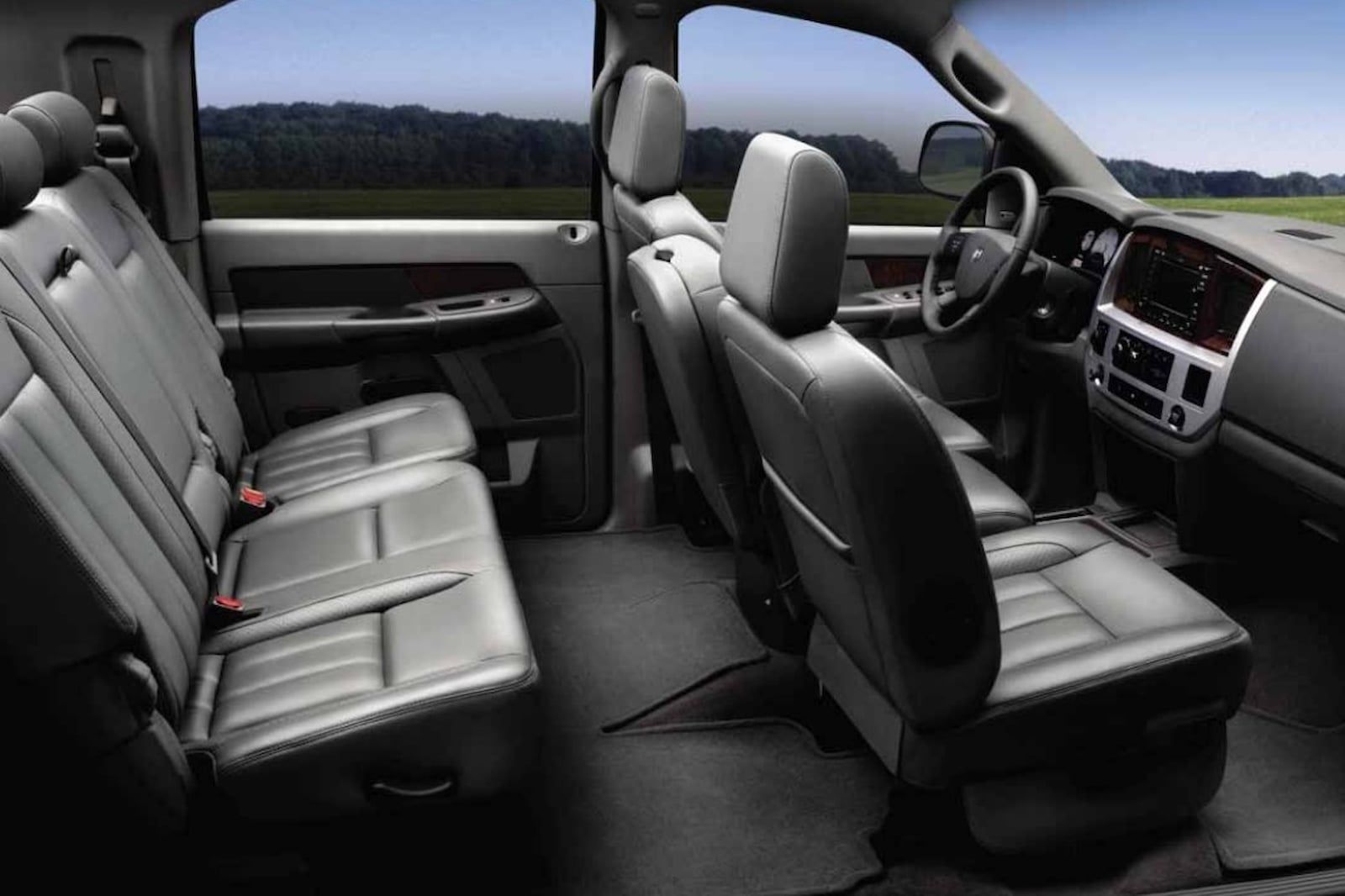
The "40/20/40" split-bench seat was the hallmark of the 2nd Gen Ram. It offered the utility of a three-person bench with the comfort of individual buckets and a massive center console that doubled as an armrest.
Common Seat Failures
The most common issue is the "collapsed bolster." Because these trucks sit high, drivers tend to slide out of the seat, crushing the outer foam over time. By 2026, most original seat foam has turned to dust.
- Foam Replacement: You can no longer buy OEM seat foam from Mopar, but the aftermarket has stepped in with high-density molded foam that is firmer than the original.
- Upholstery Options: For the SLT and Laramie trims, the original "Agate" (dark grey) or "Mist Grey" fabrics are difficult to source. Most restorers opt for full leather conversions from companies like Katzkin or high-grade vinyl replacements that mimic the original cloth pattern.
The Center Console Lid
The latch and hinge on the center console lid are frequent failure points. Replacement lids are widely available, but many owners choose to upgrade to a reinforced metal hinge kit to prevent the plastic from snapping again.
Essential Interior Upgrades for 2026
If you are using a 2nd Gen Ram as a daily driver or a tow rig in 2026, the stock interior feels significantly dated. Several key upgrades can modernize the experience without ruining the classic aesthetic.
Modern Infotainment (Double DIN)
Original 2nd Gen radios were 1.5-DIN size, making it difficult to install modern touchscreens. However, aftermarket companies now sell modified "bezel kits" that allow for a full Double DIN head unit. This enables Apple CarPlay, Android Auto, and backup camera integration, which is vital for a truck of this size.
Sound Deadening and Insulation
The 2nd Gen Ram is a loud truck, especially those equipped with the 5.9L Cummins turbo diesel. During an interior restoration, stripping the cab to the bare metal and applying a butyl-based sound deadener (like Kilmat or Dynamat) significantly reduces road noise. Adding a layer of mass-loaded vinyl (MLV) over the transmission tunnel helps dampen the characteristic "rattle" of the NV4500 or 47RE transmissions.
LED Lighting Conversion
The original incandescent bulbs in the instrument cluster and dome lights are dim and generate heat, which further embrittles the plastic. Swapping these for high-quality LEDs improves visibility and reduces the load on the headlight switch, which is a known electrical weak point in these trucks.
| Feature | 1994–1997 Models | 1998–2002 Models |
|---|---|---|
| Dash Design | Squared-off, modular | Rounded, integrated |
| Airbags | Driver side only (mostly) | Driver and Passenger (w/ cutoff) |
| HVAC Controls | Sliding mechanical levers | Rotary electronic knobs |
| Cupholders | Dash-mounted (fragile) | Floor or console-mounted |
| Odometer | Mechanical/Analog | Digital Vacuum Fluorescent |
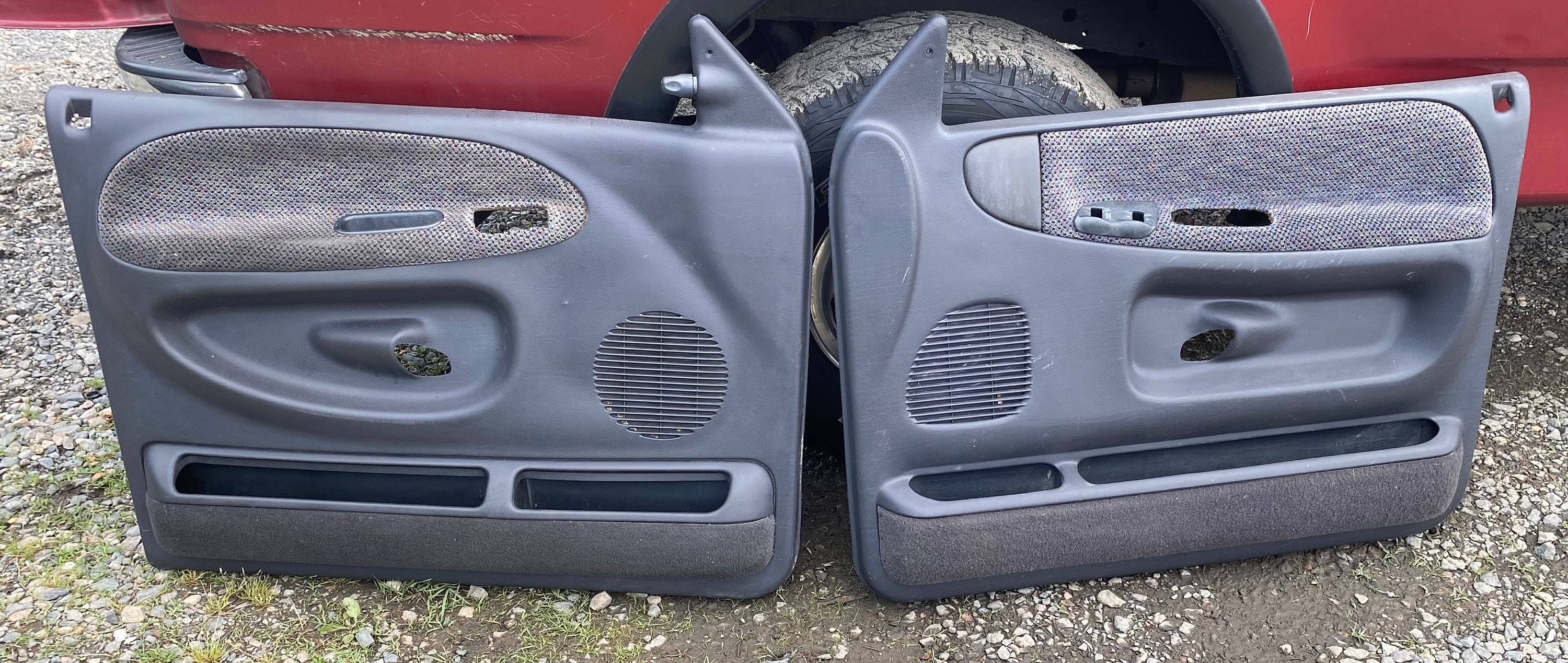
| Door Panels | Simple, flat inserts | Molded with integrated speakers |
Troubleshooting Common Interior Issues
Beyond the dashboard and seats, several mechanical-electrical issues often plague the 2nd Gen cabin.
The "Wild Vents" Issue
If your AC air suddenly redirects to the defrost vents whenever you accelerate or climb a hill, you have "Wild Vents." This is caused by a vacuum leak, usually in the engine bay or at the check valve near the firewall. Because the HVAC doors are vacuum-actuated, a loss of vacuum pressure causes the system to default to the defrost position for safety.
The Headlight Switch Meltdown
The headlight switches in these trucks carry the full current of the headlights without a relay. This causes the switch and the plastic connector to overheat and melt. If your interior lights flicker or you smell burning plastic, the headlight switch is likely failing.
- The Fix: Replace the switch and install a "Heavy Duty Headlight Harness" that uses relays to pull power directly from the battery, bypassing the interior switch for the heavy lifting.
Sagging Headliners
The foam backing on the headliner fabric eventually breaks down, causing the fabric to drape over the occupants' heads. Repairing this requires removing the headliner board (which can be fragile), scraping off the old foam, and gluing down new foam-backed fabric using high-temp contact cement.
Trim Levels and Material Differences
The 2nd Gen Ram was offered in several trims, each with a specific interior "feel."
- Work Special/ST: These are the "hose-out" interiors. They feature vinyl bench seats, manual windows, manual locks, and a rubber floor mat instead of carpet. These are the easiest to restore because the materials are durable and simple.
- SLT/SLT Plus: The most common trim. These featured "premium" cloth, power windows, and wood-grain accents (on later models). These interiors use the most plastic and are most prone to the cracked dash issue.
- Laramie: The top-tier trim, often featuring leather-trimmed seats and steering-wheel-mounted audio controls. The leather in these trucks is often "finished" leather, which can crack if not conditioned regularly.
- Sport: Primarily an exterior appearance package, but inside, they often featured monochromatic color schemes and specific bolstered seats.
FAQ: 2nd Gen Ram Interior Questions
Can I swap a 1998–2002 dash into a 1994–1997 truck?
While physically possible, it is not a "bolt-in" swap. The wiring harnesses, steering column mounts, and HVAC ducting are completely different. It requires extensive modification to the firewall and a complete donor wiring harness from the newer truck.
Why do my power windows move so slowly?
This is usually caused by two things: worn-out window motor brushes or "gummed up" window tracks. Over time, the factory grease in the tracks hardens. Cleaning the tracks and applying a dry silicone lubricant often restores speed without needing to replace the motor.
Is there a way to fix the door panels if the plastic clips break?
Yes. The plastic "towers" that hold the door clips often snap off the panel itself. You can rebuild these using an epoxy specifically designed for plastics (like JB Weld PlasticWeld). Many owners also use oversized "Christmas tree" fasteners to secure the panel to the metal door skin.
How do I stop my dashboard from cracking if it’s still in good shape?
UV protection is key. Use a high-quality ceramic-based interior protectant (avoid greasy, silicone-based sprays) and always use a custom-fit sunshade when parked. Installing a dash mat or a carpeted cover also provides a physical barrier against heat and UV rays.
My interior lights won't turn off; what is the cause?
This is often a failing Central Timer Module (CTM) or a faulty door jamb switch. On 2nd Gen Rams, the door switches are integrated into the door latches. If the latch gets dirty, it may "think" the door is open. Spraying the door latches with a cleaning lubricant like WD-40 often solves this.
Final Recommendation for Owners
If you are starting a restoration of a 2nd Gen Ram interior in 2026, prioritize structural integrity over aesthetics. Replace the dashboard with a reinforced aftermarket unit before upgrading the stereo. Address the headlight switch and vacuum leak issues before investing in new upholstery. By fixing the foundational flaws of the BR/BE platform, you ensure that the cabin remains comfortable and functional for the next thirty years of the truck's life.