The year 2023 served as a definitive pivot point for global technology, economics, and international relations. While the current calendar year is 2026, 2023 remains a critical baseline for understanding the rapid advancements in artificial intelligence, the stabilization of the post-pandemic global economy, and the shifting paradigms of geopolitical alliances.
In 2023, the world transitioned from a state of emergency to a new normal. It was the year that generative artificial intelligence moved from niche research to a mainstream consumer tool, fundamentally altering how we approach work and creativity. Simultaneously, global institutions faced the dual challenges of high inflation and significant regional conflicts, setting the stage for the socioeconomic landscape we navigate today in 2026. This retrospective examines the core pillars of 2023, providing a detailed analysis of the events that continue to influence our present.
The Technological Revolution: The Era of Generative AI
If one theme defined 2023, it was the explosive growth of artificial intelligence (AI). While AI had been in development for decades, 2023 marked the moment it became accessible to the general public in a transformative way.
The Rise of Large Language Models (LLMs)
In March 2023, OpenAI released GPT-4, a milestone in multimodal large language models. Unlike its predecessors, GPT-4 demonstrated advanced reasoning capabilities and the ability to process both text and image inputs with high accuracy. This release sparked a "tech arms race" among major players. Google introduced Bard (later rebranded to Gemini), and Microsoft integrated AI into its "Copilot" ecosystem across Windows and Office 365.
The impact of these tools extended beyond simple chat interfaces. In 2023, businesses began integrating LLMs into customer service, software development, and content marketing. For the first time, the "AI-human collaboration" model became a standard operational procedure rather than a futuristic concept.
Creative and Generative Media
Beyond text, 2023 saw a surge in generative art and media. Platforms like Midjourney v5 and DALL-E 3 achieved photorealistic image generation, leading to intense debates regarding copyright, artist rights, and the nature of "truth" in digital media. The viral "Pope in a Puffer Jacket" image and various AI-generated music tracks highlighted the potential for deepfakes, prompting early discussions on the regulatory frameworks that we see fully implemented today in 2026.
Economic Resilience and Financial Volatility
The economic landscape of 2023 was characterized by a rigorous battle against inflation and a series of unexpected shocks to the global banking system.
The Banking Crisis of March 2023
In a span of just a few weeks, the financial world was rocked by the collapse of Silicon Valley Bank (SVB) and Signature Bank. This was followed by the rapid decline and eventual acquisition of Credit Suisse by UBS. These events raised immediate concerns about systemic risk and the stability of mid-sized lenders.
The 2023 banking crisis was primarily driven by a "duration mismatch" in bond portfolios as central banks aggressively raised interest rates. The swift intervention by the Federal Reserve and other central banks prevented a wider contagion, but it led to a permanent shift in how liquidity and risk are managed in the digital age, where a "bank run" can happen in minutes via mobile apps.
Inflation and Central Bank Policy
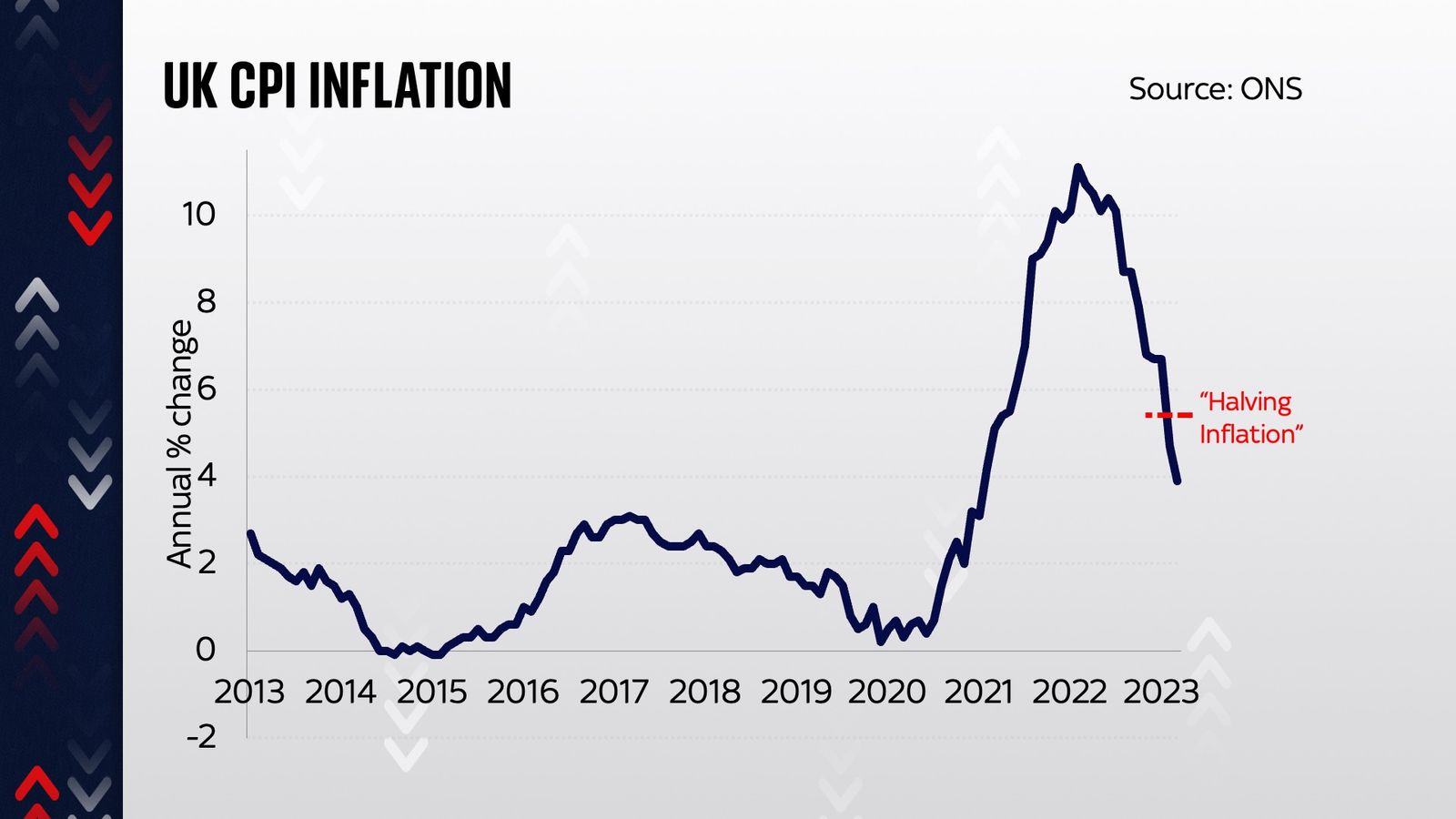
Throughout 2023, the Federal Reserve and the European Central Bank (ECB) maintained a hawkish stance. The goal was to bring inflation down from 2022 highs toward a 2% target. By the end of 2023, while inflation remained above target, the "soft landing" scenario—curbing inflation without triggering a massive recession—began to look increasingly plausible. This period established the high-interest-rate environment that influenced borrowing costs and real estate markets well into the mid-2020s.
Global Health: The Formal End of the Pandemic
May 2023 marked a symbolic and practical turning point for global health. The World Health Organization (WHO) officially declared that COVID-19 no longer constituted a "public health emergency of international concern" (PHEIC).
Transition to Endemicity
This declaration allowed nations to dismantle the last of their emergency legal frameworks. In 2023, the focus shifted from crisis management to long-term monitoring and the integration of COVID-19 vaccinations into standard healthcare protocols. The 2023 health landscape also saw significant breakthroughs in other areas, such as the approval of the first CRISPR-based gene therapy for sickle cell disease, marking a new frontier in genomic medicine.
Mental Health and Remote Work
The social tailwinds of the pandemic remained visible in 2023. The "return to office" mandates became a major point of contention between employers and employees. This friction catalyzed the hybrid work models that are now standard in 2026. Furthermore, 2023 saw a heightened global awareness of mental health, with many organizations implementing permanent wellness benefits as a response to the burnout experienced during the previous three years.
Geopolitical Shifts and Global Conflict
The geopolitical map of 2023 was defined by the continuation of the war in Ukraine and the eruption of significant conflict in the Middle East in October.
The Conflict in Ukraine
By 2023, the war in Ukraine had entered a grueling phase of attrition. The conflict accelerated the shift in European energy policy, as nations moved away from Russian gas toward renewable sources and LNG imports from the United States and Qatar. This shift significantly influenced the International Energy Agency (IEA) reports of that year, which noted a record pace in clean energy investment.
October 2023 and the Middle East
The events of October 7, 2023, and the subsequent war in Gaza created a new period of instability in the Middle East. This conflict had immediate repercussions for global shipping routes, particularly in the Red Sea, where maritime security became a primary concern for international trade. The geopolitical ripples of these events forced a re-evaluation of regional alliances and diplomatic priorities that are still being navigated today.
Space Exploration and Environmental Milestones
2023 was a landmark year for space, but also a sobering one for the environment.
Lunar Missions and Deep Space
In August 2023, India's Chandrayaan-3 successfully landed on the lunar south pole, making India the fourth country to achieve a soft lunar landing and the first to reach the southern polar region. Shortly after, NASA's OSIRIS-REx mission returned to Earth with a sample from the asteroid Bennu, providing scientists with pristine material from the early solar system. These achievements paved the way for the lunar base initiatives currently underway in 2026.
The Hottest Year on Record
Statistically, 2023 was confirmed as the hottest year on record since global temperature tracking began. Extreme weather events, from wildfires in Canada to heatwaves in Southern Europe, underscored the urgency of climate action. The COP28 summit held in Dubai at the end of 2023 resulted in the "UAE Consensus," which included an explicit (though debated) call to transition away from fossil fuels in energy systems.
Comparative Overview: 2023 vs. 2026 Context
To understand the progress made over the last three years, the following table compares key metrics and statuses from 2023 against the current 2026 reality.
| Feature | 2023 Status | 2026 Context |
|---|---|---|
| Primary AI Tool | GPT-4 / Bard (Early Stage) | Agentic AI (Autonomous Workflows) |
| Global Health | End of COVID-19 Emergency | Focus on mRNA Cancer Vaccines |
| Economic Focus | Combatting High Inflation | Sustained Growth / Green Economy |
| Space Milestone | Chandrayaan-3 Moon Landing | Artemis III Mission Preparations |
| Energy Trend | Record Solar/Wind Expansion | Integration of Small Modular Reactors |
| Work Culture | Return-to-Office Debates | Normalized "Work from Anywhere" |
Frequently Asked Questions
Why is 2023 considered the "Year of AI"?
In 2023, AI transitioned from a backend technology used by developers to a frontend tool used by the public. The release of ChatGPT (late 2022) and its successor GPT-4 in 2023 allowed individuals without coding skills to generate text, code, and images. This democratization of high-level compute power is why 2023 is historically labeled as the starting point of the current AI era.
What happened to the global economy in 2023?
The 2023 economy was a paradox of high interest rates and surprising resilience. Despite the Federal Reserve raising rates to their highest levels in over 20 years to fight inflation, the labor market remained strong in many sectors. However, the tech industry faced "The Great Re-evaluation," leading to over 260,000 layoffs as companies corrected for over-hiring during the pandemic.
What was the significance of the 2023 banking crisis?
The collapse of SVB and the merger of Credit Suisse highlighted vulnerabilities in the traditional banking system regarding rapid interest rate changes and digital-speed bank runs. It led to stricter capital requirements and a shift in how banks manage their "held-to-maturity" assets, which has made the financial system more robust in our current 2026 environment.
Was 2023 really the hottest year on record?
Yes, according to the Copernicus Climate Change Service, 2023 surpassed all previous records. The combination of human-induced climate change and the emergence of the El Niño weather pattern led to unprecedented global temperatures, particularly in the North Atlantic ocean surface temperatures.
Which major world leaders were inaugurated or crowned in 2023?
One of the most significant ceremonial events was the coronation of King Charles III and Queen Camilla in May 2023, marking the first British coronation in 70 years. Politically, the year saw various shifts, including the election of Javier Milei in Argentina, who introduced radical economic reforms that were a major point of international discussion.
Moving Forward from 2023
Reflecting on 2023 from the vantage point of 2026, it is clear that the seeds of our current technological and social structures were planted during those twelve months. The challenges of that year—ranging from the ethical dilemmas of AI to the volatility of global markets—forced a level of innovation and systemic adaptation that has largely defined the mid-2020s.
For those looking to apply the lessons of 2023 to their current strategic planning in 2026, the focus should remain on agility and verification. The 2023 surge in AI taught us that technology can shift the job market in a single quarter, while the economic fluctuations taught us the importance of liquidity and risk diversification. As we move further into 2026, maintaining a historical perspective on the 2023 "turning point" is essential for navigating the complexities of the future.