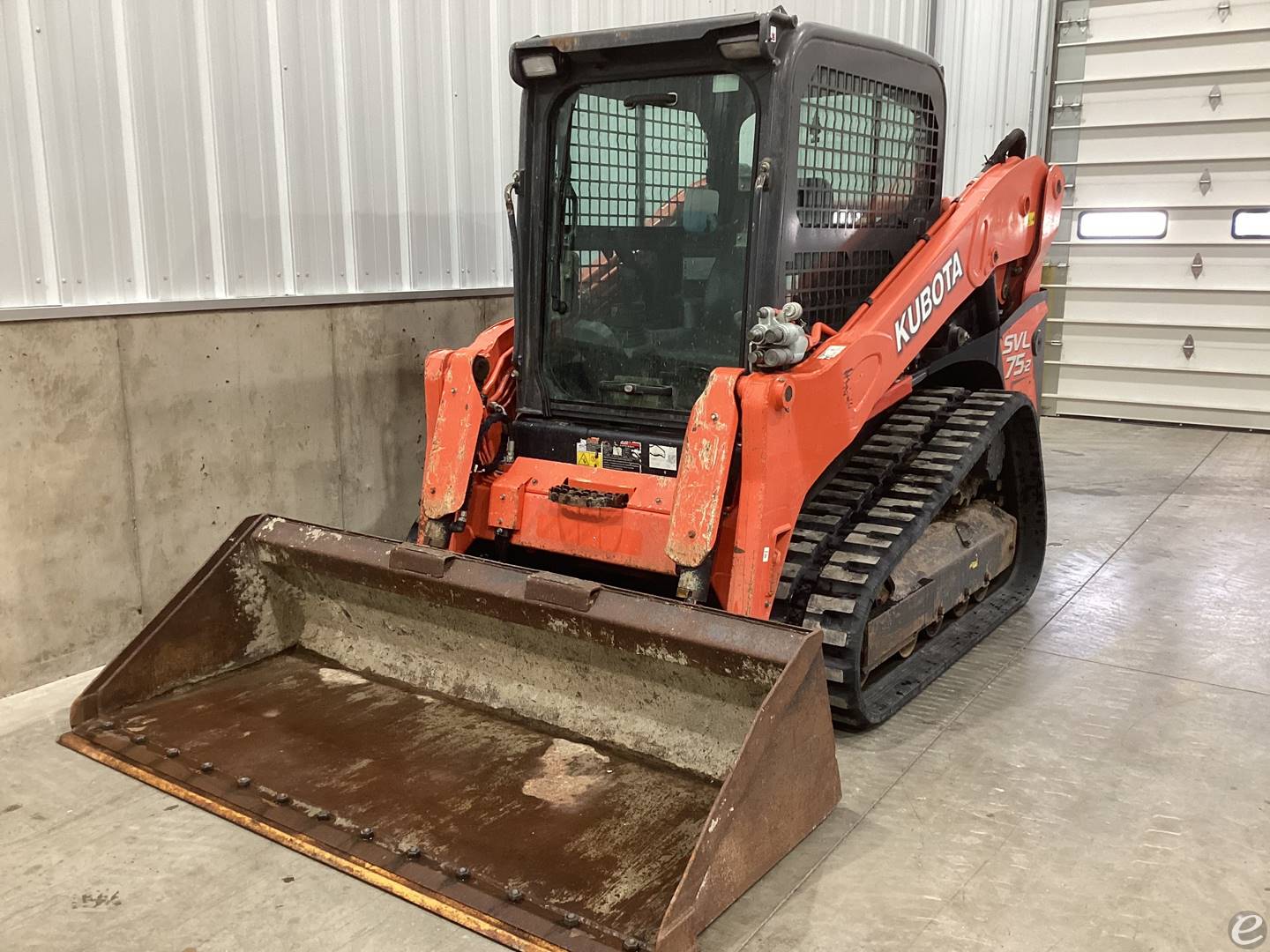
The 2020 Kubota SVL75-2 is a heavy-duty, medium-sized compact track loader renowned for its reliable vertical lift design, robust operational capacity, and high-performance Kubota diesel engine. Ideal for construction, landscaping, and agricultural applications, it balances strong breakout forces with operator comfort, though prospective buyers must evaluate operating weights, hydraulic flows, and maintenance histories carefully.
Introduction and Machine Identity
The 2020 Kubota SVL75-2 sits squarely in the highly competitive mid-sized compact track loader (CTL) category. Designed for contractors, landscapers, and agricultural operators who demand versatility and reliability, this machine represents a refined iteration of Kubota’s popular SVL platform. By combining a rigid loader body integrated with the main frame and a dependable Tier 4 Final diesel engine, the 2020 model bridges the gap between nimble, smaller loaders and heavy, high-capacity earthmoving machines.
Disambiguation is important when evaluating used or late-model units: the SVL75-2 is distinct from both its smaller sibling, the SVL65-2, and its larger counterpart, the SVL95-2s (and subsequent SVL97-2). The "2" designation denotes the second-generation updates, which introduced enhanced cab ergonomics, improved standard and optional high-flow hydraulics, and refined electronic controls over the original SVL75 series.
Core Specifications and Technical Performance
Understanding the technical envelope of the 2020 Kubota SVL75-2 requires examining its powertrain, hydraulic output, and structural dimensions. These metrics dictate what attachments the machine can run and how efficiently it can move material across various job sites.
Engine and Powertrain Architecture
At the heart of the 2020 SVL75-2 is a Kubota V3800-CR-TE4 turbocharged diesel engine. This 4-cylinder, direct-injection powerplant meets strict Tier 4 Final emissions standards through a Common Rail System (CRS) and a Diesel Particulate Filter (DPF) muffler, eliminating the need for Diesel Exhaust Fluid (DEF) in many operating scenarios of this vintage, though operators must still adhere to proper DPF regeneration protocols.
- Gross Horsepower: Approximately 74.3 hp (55.4 kW)
- Displacement: 230 cu. in. (3.77 liters)
- Fuel Tank Capacity: 29 gallons (110 liters), ensuring extended run times between refuelings.
Hydraulic Performance
Hydraulic efficiency determines how well a compact track loader handles demanding attachments like mulching heads, cold planers, and heavy-duty augers. The SVL75-2 offers two primary hydraulic configurations: standard flow and an available high-flow package.
- Standard Flow Hydraulics: Delivers a flow rate of roughly 17.4 gallons per minute (gpm) to operate standard buckets, pallet forks, and grading attachments effectively.
- High-Flow Hydraulics (Optional): Boosts auxiliary hydraulic flow to approximately 29.4 gpm, allowing operators to run high-demand, hydraulically driven attachments smoothly.
- Hydraulic Pressure: Relief valve pressure sits at roughly 3,142 psi, providing substantial breakout forces for digging and lifting.
Dimensional and Operational Metrics
| Feature / Specification | Measurement (Standard) | Measurement (Metric) |
|---|---|---|
| Operating Weight (Standard Cab) | 9,039 lbs | 4,100 kg |
| Rated Operating Capacity (35% tipping load) | 2,490 lbs | 1,130 kg |
| Tipping Load | 7,110 lbs | 3,225 kg |
| Bucket Breakout Force | 6,204 lbf | 27.6 kN |
| Lift Arm Path | Vertical | Vertical |
| Overall Height (to top of cab) | 82.0 inches | 2,083 mm |
| Overall Length (with standard bucket) | 141.1 inches | 3,584 mm |
| Width over Tracks | 68.0 inches (12.6-in. tracks) | 1,727 mm |
Design, Cab Ergonomics, and Operator Experience
Operator fatigue directly impacts productivity on commercial and residential job sites. Kubota engineered the SVL75-2 cab with a focus on visibility, ease of entry, and environmental control.
Cab Access and Visibility
The machine features a wide-sliding front door that can be opened regardless of the loader arm position or bucket load—a crucial safety and convenience feature when exiting the machine in tight quarters. The side-screen design and low profile of the loader arms provide a panoramic view of the work area, particularly down to the bucket cutting edge and out to the tracks.
Controls and Comfort
Pilot-controlled proportional auxiliary hydraulics, standard suspension seating, and ergonomic joystick placement reduce wrist strain over long shifts. The optional enclosed cab comes equipped with an efficient heating, ventilation, and air conditioning (HVAC) system, making the machine suitable for year-round operation in extreme climates. A multi-function digital panel displays real-time engine diagnostics, fuel levels, hydraulic fluid temperature, and service reminders.
Undercarriage Design and Maintenance
The undercarriage of a track loader absorbs the vast majority of operational stress, making its design paramount for long-term ownership costs.
Track and Roller Configuration
The 2020 SVL75-2 utilizes a rugged, welded-steel loader frame and a multi-bar rubber track system. The track rollers feature triple-flange designs that maintain track retention even on steep side slopes or during aggressive counter-rotation turns.
Maintenance Access
Daily inspection points—including engine oil dipsticks, fuel filters, water separators, and air cleaners—are grouped on one side of the engine compartment for ground-level access. The full-opening rear door and tilting cab provide straightforward access to hydraulic pumps, drive motors, and major electrical harnesses during scheduled preventative maintenance intervals.
Purchasing a Used 2020 Kubota SVL75-2: What to Inspect
Because 2020 models have several years of field hours accrued, buyers evaluating a pre-owned unit must conduct rigorous physical and electronic inspections.
Key Inspection Areas
- Undercarriage Wear: Measure sprocket tooth wear, track tension, and the condition of front idlers and bottom rollers. Replacing a full undercarriage can be a major capital expense.
- DPF and Emissions System: Verify that the Diesel Particulate Filter has been properly maintained and that no active fault codes related to exhaust regeneration appear on the dash panel.
- Hydraulic Leaks and Performance: Check cylinder seals, quick-couplers, and auxiliary lines for weeping fluid. Test all lift and tilt functions under load to ensure valve blocks and hydraulic pumps are operating at peak efficiency.
- Structural Integrity: Inspect the loader arms, quick-attach plate, and frame gussets for stress cracks, fresh welds, or structural distortion indicating overloading or abuse.
Frequently Asked Questions
What is the rated operating capacity of the 2020 Kubota SVL75-2?
The rated operating capacity (ROC) is 2,490 pounds, which is calculated at 35 percent of the machine's tipping load. This capacity allows the machine to handle standard pallet loads of brick, block, or dense soil materials safely without destabilizing the chassis.
Does the 2020 Kubota SVL75-2 require Diesel Exhaust Fluid (DEF)?
No. The 2020 SVL75-2 relies on a Kubota Tier 4 Final engine equipped with a Common Rail System and a Diesel Particulate Filter (DPF) to meet emissions requirements. It does not use DEF, which simplifies daily fluids management for fleet managers.
Is a high-flow hydraulic package necessary for this machine?
It depends entirely on the intended attachments. If the machine will only be used with standard utility buckets, grading bars, and pallet forks, standard flow is sufficient. High-flow is required if you plan to run heavy-duty forestry mulchers, trenchers, or cold planers that demand continuous high hydraulic horsepower.
What is the transport weight of the SVL75-2?
The operating weight of a standard-cab 2020 SVL75-2 is approximately 9,039 pounds. Operators must ensure their truck and trailer combination has a sufficient gross combined weight rating (GCWR) to transport the machine legally and safely.
How does the vertical lift design differ from radial lift loaders?
A vertical lift path keeps the load closer to the machine throughout the lifting cycle, providing greater reach at maximum height. This makes the SVL75-2 exceptionally well-suited for truck loading, stacking pallets, and material handling where height and reach are critical.
Conclusion and Final Recommendation
The 2020 Kubota SVL75-2 remains a benchmark machine in the mid-sized compact track loader segment. Its combination of strong vertical lift capacity, comfortable operator station, and dependable engine architecture makes it a versatile asset for diverse job sites. When acquiring or maintaining an SVL75-2, prioritize thorough pre-purchase inspections of the undercarriage and hydraulic systems, and adhere strictly to scheduled maintenance intervals to maximize long-term reliability and resale value.