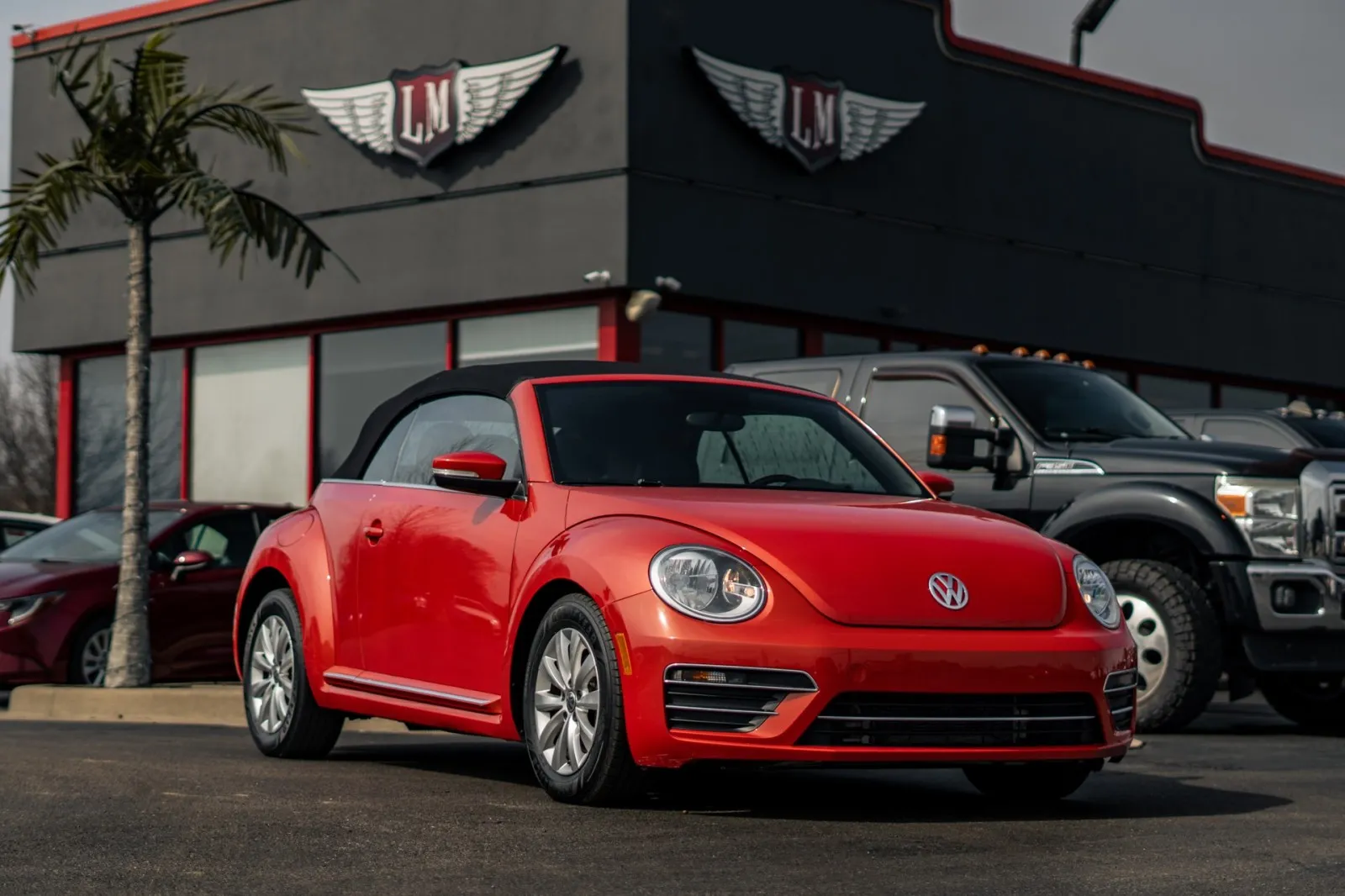
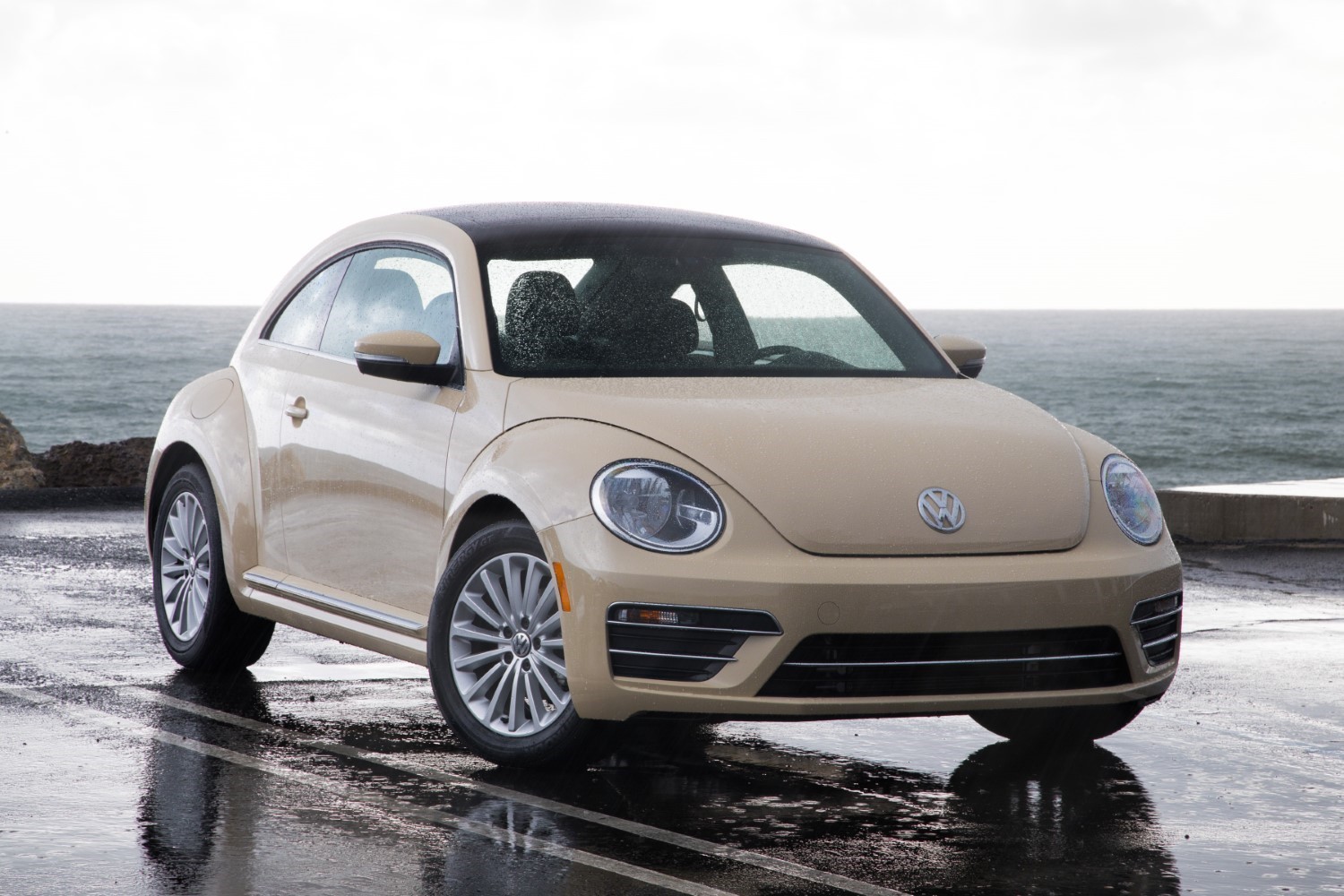
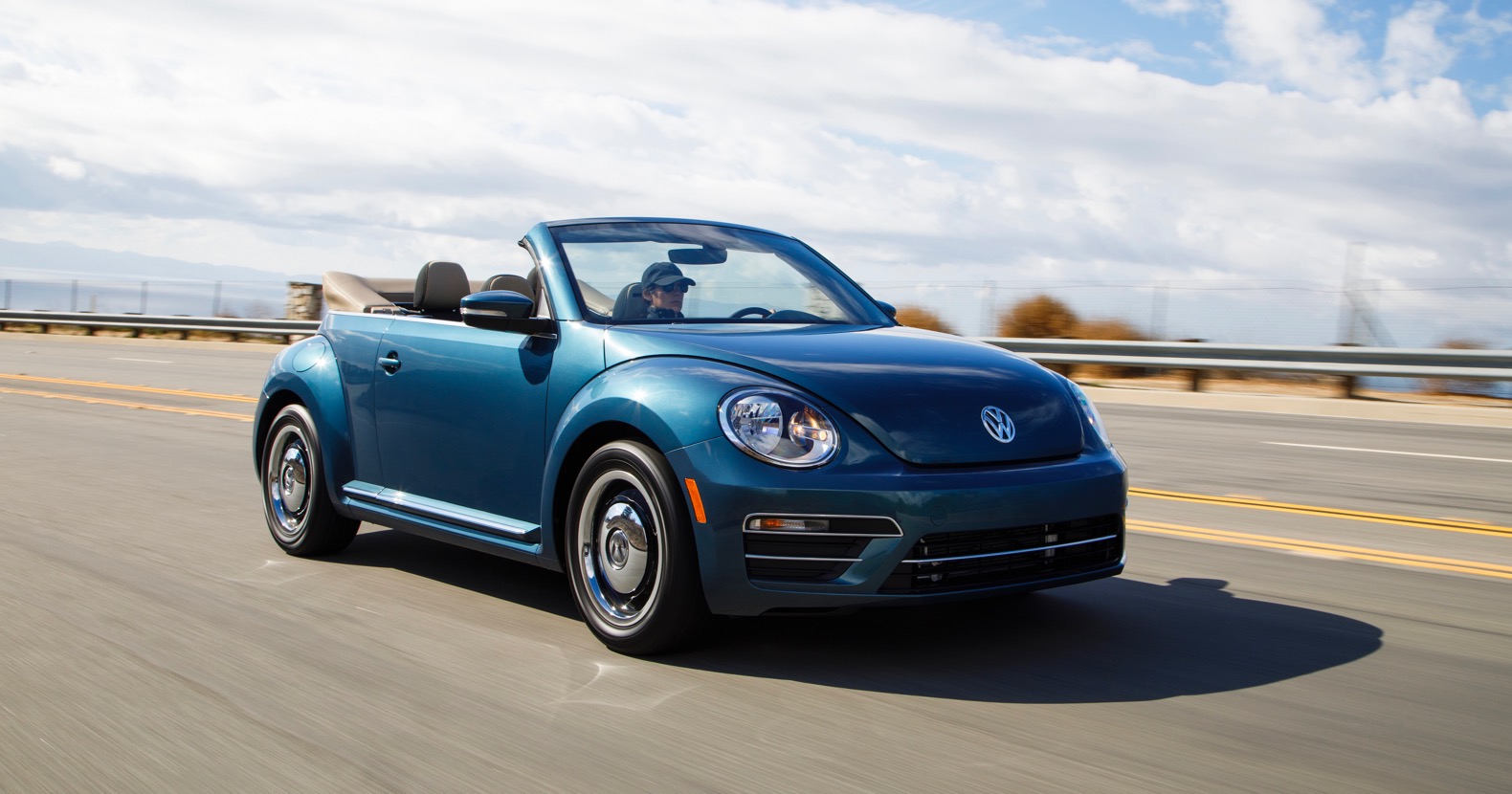
The 2019 Volkswagen Beetle delivers charming retro styling, a comfortable ride, and straightforward cabin controls, marking the swan song of an iconic automotive nameplate. With a punchy turbocharged engine, refined highway manners, and standard blind-spot monitoring, it serves as a practical, distinctive daily commuter, though rear-seat room and cargo space remain limited.
The Final Chapter of an Automotive Icon
The 2019 model year marked the end of an eighty-year lineage for the Volkswagen Beetle. Built on Volkswagen’s PQ35 platform rather than the newer MQB architecture found under the Mk7 Golf, the 2019 Beetle represents the mature, fully realized iteration of the third-generation "A5" body style introduced for 2012. Volkswagen commemorated this farewell by offering special Final Edition trims alongside its core lineup, wrapping iconic heritage cues into a modern, accessible package.
For shoppers browsing the used vehicle market, the 2019 Beetle occupies an unusual niche. It bridges the gap between sensible German-engineered compact hatchbacks and expressive lifestyle accessories like the Mini Cooper or Fiat 500. Understanding its strengths, mechanical quirks, and ownership trajectory is critical before deciding whether to park this modern classic in your garage.
Powertrain and Mechanical Specifications
Every 2019 Volkswagen Beetle features an identical mechanical heart across all trims and body configurations. Volkswagen streamlined production for the vehicle's final year, dropping the manual transmission option and earlier engine variations in favor of a single, reliable powertrain combination.
Engine: 2.0-Liter Turbocharged Inline-4 (EA888 Gen 3 "B-Cycle") Horsepower: 174 hp @ 4,400 RPM Torque: 184 lb-ft @ 1,600 RPM Transmission: 6-Speed Automatic with Tiptronic Drivetrain: Front-Wheel Drive (FWD) EPA Fuel Economy (Coupe): 26 MPG City / 33 MPG Highway / 29 MPG Combined EPA Fuel Economy (Convertible): 26 MPG City / 33 MPG Highway / 28 MPG Combined Fuel Requirement: Regular Unleaded (87 Octane)
The 2.0-liter turbocharged four-cylinder engine delivers broad low-end torque, with maximum pulling power arriving at just 1,600 RPM. This setup gives the Beetle effortless off-the-line responsiveness in urban driving conditions. The standard six-speed automatic transmission lacks the razor-sharp shifts of Volkswagen's dual-clutch DSG gearbox, but it compensates with smooth, predictable gear changes and lower long-term maintenance complexity.
Front-wheel drive is the sole layout; all-wheel drive was never offered on this generation. Front suspension duties are handled by MacPherson struts with lower wishbones, while the rear uses an independent multi-link arrangement with coil springs, providing a compliant, stable road feel that resists harsh impacts.
Trim Levels and Feature Breakdown
The 2019 Beetle was produced in both coupe and convertible body styles. Buyers can choose among four primary trims: S, SE, Final Edition SE, and Final Edition SEL.
Beetle S
The entry-level S model serves as the foundational trim. While basic compared to higher grades, it came reasonably well-equipped for its model year:
- 16-inch "Whirl" alloy wheels
- Automatic headlights and heated side mirrors
- Cloth seating surfaces
- 5.0-inch touchscreen infotainment display
- Bluetooth connectivity and a single USB data port
- Blind-Spot Monitor with Rear Cross-Traffic Alert (standardized for 2019)
Beetle SE
Stepping up to the SE adds significant everyday convenience, interior luxury, and connectivity upgrades:
- Dual-zone Climatronic automatic climate control
- Keyless access with push-button start
- V-Tex leatherette upholstery with heated front seats
- 6.3-inch "Discover Media" touchscreen running VW Car-Net App-Connect (Apple CarPlay and Android Auto compatibility)
- Panoramic tilt-and-slide sunroof (coupe only)
Final Edition SE
The Final Edition SE introduces distinctive styling treatments inspired by the 2003 "Última Edición" Beetle:
- Unique 17-inch multi-spoke alloy wheels
- Exclusive paint options, including Safari Uni and Stonewashed Blue Metallic
- Chrome exterior accents and body-colored side mirrors with integrated turn signals
- Diamond-stitched cloth and V-Tex leatherette seating surfaces
- "Beetle" script badging on the rear tailgate in place of the standard "Turbo" badge
- Stainless steel pedal caps
Final Edition SEL
The range-topping Final Edition SEL represents the most luxurious modern Beetle built:
- 18-inch white-accented disc-style alloy wheels reminiscent of classic chrome hubcaps
- Bi-xenon headlights with LED daytime running lights and LED taillights
- Diamond-quilted genuine leather upholstery
- Fender Premium Audio System with a trunk-mounted subwoofer
- Integrated factory navigation system
- Front and rear Park Distance Control (Park Pilot)
2019 VW Beetle Trim Comparison
The table below contrasts the technical, functional, and interior differences across the four core trims to assist pre-owned buyers in evaluating equipment levels.
| Feature / Metric | Beetle S | Beetle SE | Final Edition SE | Final Edition SEL |
|---|---|---|---|---|
| Wheels | 16-inch Alloy | 17-inch Alloy | 17-inch Alloy | 18-inch Disc Alloy |
| Headlights | Halogen | Halogen | Halogen | Bi-Xenon with LED DRLs |
| Seating Material | Cloth | V-Tex Leatherette | Rhombus Cloth / V-Tex | Quilted Nappa Leather |
| Infotainment Screen | 5.0-inch | 6.3-inch | 6.3-inch | 6.3-inch with Navigation |
| Smartphone Integration | No | Apple CarPlay / Android Auto | Apple CarPlay / Android Auto | Apple CarPlay / Android Auto |
| Audio System | 8-Speaker Base | 8-Speaker Base | 8-Speaker Base | Fender Premium Audio |
| Sunroof (Coupe) | Not Available | Panoramic Power | Panoramic Power | Panoramic Power |
| Parking Sensors | None | None | None | Front & Rear (Park Pilot) |
On-Road Driving Dynamics and Performance
Behind the wheel, the 2019 Beetle displays typical modern Volkswagen road manners: planted, composed, and deliberately tuned for comfort rather than aggressive agility.
Acceleration and Braking
Thanks to the 184 lb-ft of torque available across the lower engine revs, the Beetle completes the 0-60 mph sprint in roughly 7.2 to 7.5 seconds. While not a performance hot hatch on par with the Golf GTI, it offers more than enough passing power for merging onto high-speed interstates. Braking is linear, handled by four-wheel anti-lock disc brakes that bring the car down from highway speeds without brake fade under typical commuting use.
Steering and Handling
The electro-mechanical power steering system is lightly weighted at low parking speeds and progressively firms up as velocity increases. It provides clear on-center tracking, making long highway drives relaxed and fatigue-free. However, enthusiastic drivers will find the chassis softly sprung; fast transitions through tight corners yield noticeable body roll, and the tires favor quiet cruising over maximum lateral grip.
Ride Comfort and Noise Insulation
Ride quality is a distinct strength. The PQ35 platform handles broken pavement, roadway expansion joints, and surface imperfections with composure. In coupe configurations, wind and tire noise are well suppressed. The convertible model features a thick, multi-layered acoustic fabric top that seals tightly, making cabin conversation remarkably civilized at 70 mph, though road noise through the rear wheel arches is slightly higher than in the hardtop.
Interior Layout, Ergonomics, and Daily Usability
The cabin of the 2019 Beetle blends utilitarian German ergonomics with retro styling flourishes.
Front Headroom (Coupe): 39.4 inches Front Legroom: 41.3 inches Rear Headroom (Coupe): 37.1 inches Rear Legroom: 31.4 inches Cargo Volume (Coupe, Seats Up): 15.4 cubic feet Cargo Volume (Coupe, Seats Down): 29.9 cubic feet Cargo Volume (Convertible): 7.1 cubic feet
Dashboard Design and Materials
A body-colored or gloss-black dashboard fascia spans the cabin, nodding directly to the metal dashboards of the air-cooled original. A secondary "kaeferfach" (glovebox) opens upward in the dashboard face, supplementing the traditional lower glove compartment. While hard plastics are present along the lower door panels and center console, the high-touch surfaces—including the flat-bottom steering wheel and climate dials—feel solid and well-assembled.
Passenger Space and Cargo Limitations
Front occupants enjoy ample headroom and legroom due to the arched roofline. The upright seating position provides an expansive view through the upright windshield, though the thick A-pillars can slightly obscure corner visibility at intersections.
The rear seats, however, are strictly suited for small children or emergency adult use on brief trips. The descending roofline drastically cuts rear passenger headroom, and legroom is tight when front occupants slide their seats back.
Cargo capacity in the coupe is surprisingly functional. The rear hatch opens wide, providing 15.4 cubic feet behind the 50/50-split folding rear seats. Folding those seats flat expands cargo space to 29.9 cubic feet, transforming the coupe into an accommodating grocery or luggage hauler. Conversely, the convertible’s cargo volume shrinks to 7.1 cubic feet, accessed via an awkward, bottom-hinged trunk lid that makes loading bulky items difficult.
Real-World Reliability, Common Issues, and Ownership Costs
The 2019 Beetle represents the end of a long manufacturing cycle, meaning Volkswagen addressed many of the early teething issues that plagued earlier A5 models (such as timing chain tensioner failures on pre-2014 models). However, used buyers should remain vigilant regarding specific mechanical and electrical areas.
The EA888 Gen 3 Engine
The 2.0-liter Gen 3 TSI engine in the 2019 Beetle is mechanically mature and far more durable than its predecessors. Key areas to monitor include:
- Water Pump and Thermostat Housing: Like many Volkswagen/Audi vehicles of this era, the composite thermostat housing and water pump assembly can develop hairline fractures, resulting in slow coolant leaks. Inspect the lower front of the engine block for pink, dried crust from coolant residue.
- Carbon Buildup on Intake Valves: Because the engine utilizes direct fuel injection, fuel does not wash over the intake valves. Over 60,000 to 80,000 miles, carbon deposits can accumulate on the valves, leading to cold-start misfires, a rough idle, or slightly degraded fuel economy. Cleaning the valves via walnut shell blasting is standard maintenance for high-mileage direct-injected cars.
- Oil Consumption: While significantly improved compared to Gen 1 and Gen 2 engines, checking the oil level every 2,000 to 3,000 miles remains good practice.
Electrical and Convertible Mechanisms
On convertible models, examine the electro-hydraulic roof mechanism. Run the roof through several complete open-and-close cycles to ensure the hydraulic pump operates smoothly without groaning or hesitating. Inspect rubber weatherstripping along the roof seams for dry rot or tears, which cause wind noise and water leaks.
Recalls and Safety Verification
Before completing a purchase, confirm through the National Highway Traffic Safety Administration (NHTSA) that all open safety recalls have been satisfied. Notable items on the 2019 Beetle platform include:
- Instrument Cluster Software: Certain 2019 models were recalled to address an issue where the instrument cluster might not illuminate warning lights properly upon startup.
- Takata Airbag Recalls: While most 2019 models were built with updated inflators, running the Vehicle Identification Number (VIN) through the NHTSA database ensures no residual safety recalls apply to that specific vehicle.
The Insurance Institute for Highway Safety (IIHS) awarded the third-generation Beetle "Good" ratings in moderate overlap front, side, and roof strength crash tests, though it scored "Marginal" in the challenging passenger-side small overlap front crash test.
The Verdict: Is a 2019 VW Beetle Worth Buying Today?
The 2019 Volkswagen Beetle is one of the most reliable and refined iterations of the nameplate ever produced. It successfully trades cutting-edge athletic agility for high-speed cruising comfort, everyday road composure, and undeniable personality.
Who Should Buy It
- Commuters seeking style: Drivers tired of ubiquitous crossovers who want a daily vehicle with character, personality, and manageable exterior dimensions.
- Convertible fans on a budget: Shoppers seeking an insulated, four-seat convertible that does not carry the high repair costs of luxury German brands.
- Long-term preservationists: The Final Edition SEL trim, in particular, offers collector appeal due to its low production numbers, exclusive heritage colors, and status as the ultimate factory-built Beetle.
Who Should Skip It
- Families needing a functional backseat: If you regularly carry adult passengers or rear-facing child car seats, the platform’s sloping rear roofline will prove frustrating. A contemporary Volkswagen Golf or Jetta provides far superior interior volume.
- Performance purists: Those seeking a sharp, aggressive hot hatchback should cross-shop a Mk7 Volkswagen Golf GTI, Mini Cooper S, or Honda Civic Si.
Frequently Asked Questions
Did the 2019 VW Beetle come with Apple CarPlay and Android Auto?
Yes, but not on the base S trim. Apple CarPlay and Android Auto are standard on the SE, Final Edition SE, and Final Edition SEL trims via the 6.3-inch "Discover Media" touchscreen infotainment system. The base S trim uses a smaller 5.0-inch screen that supports Bluetooth audio streaming but lacks smartphone integration apps.
How reliable is the 2019 Volkswagen Beetle?
The 2019 Beetle earns high reliability marks within the used compact segment. Because 2019 was the final model year of a generation launched in 2012, Volkswagen refined out most major engineering vulnerabilities. The Gen 3 EA888 2.0-liter engine and conventional torque-converter 6-speed automatic transmission are durable, provided routine oil changes and scheduled maintenance intervals are honored.
What is the difference between the Final Edition SE and Final Edition SEL?
The Final Edition SE features 17-inch alloy wheels, cloth-and-leatherette seating, and standard halogen headlights. The Final Edition SEL upgrades to 18-inch vintage-style disc wheels, bi-xenon headlights with LED accents, genuine quilted leather seating, front and rear parking sensors, built-in navigation, and a nine-speaker Fender Premium Audio system.
Does the 2019 Beetle require premium gasoline?
No. Volkswagen engineered the 2.0-liter turbocharged inline-4 engine to operate efficiently on standard 87-octane regular unleaded gasoline. While using premium fuel will not damage the engine, it provides no measurable gains in horsepower or fuel economy under normal operating conditions.
Is the 2019 Beetle Convertible safe in a rollover accident?
Yes. The 2019 Beetle Convertible is equipped with an integrated Active Rollover Support system. Two robust steel roll bars hidden behind the rear seat headrests deploy upward automatically via pyrotechnic charges in milliseconds if onboard sensors detect an impending rollover or severe collision.
Pre-Purchase Inspection Checklist
When shopping for a used 2019 Volkswagen Beetle, follow this step-by-step evaluation process:
- Verify Coolant Levels and Integrity: Look under the hood at the coolant expansion tank. Ensure the fluid is clean, pink (VW G13 specification), and filled to the line. Check around the engine block for dry, crusty leaks originating from the thermostat housing.
- Scan for Stored Diagnostic Trouble Codes: Plug an OBD-II scanner into the port beneath the driver's side dashboard. Check for pending fault codes related to ignition misfires (indicating carbon buildup) or evaporative emissions systems.
- Inspect the Sunroof Drains (Coupe): If evaluating an SE or Final Edition model with the panoramic sunroof, lift the floor carpets in the front footwells. Dampness indicates blocked sunroof drainage tubes, which can damage cabin electronics.
- Test the Convertible Top Mechanism: Lower and raise the convertible top completely through its cycle. Ensure the top latches tightly without manual assistance and that all four windows lower slightly when the roof unlatches and seal securely when closed.
- Review Service Records: Verify that the engine oil was changed at least every 10,000 miles (or annually) using VW 502.00/504.00 compliant synthetic motor oil, and confirm that brake fluid flushes were performed on schedule.