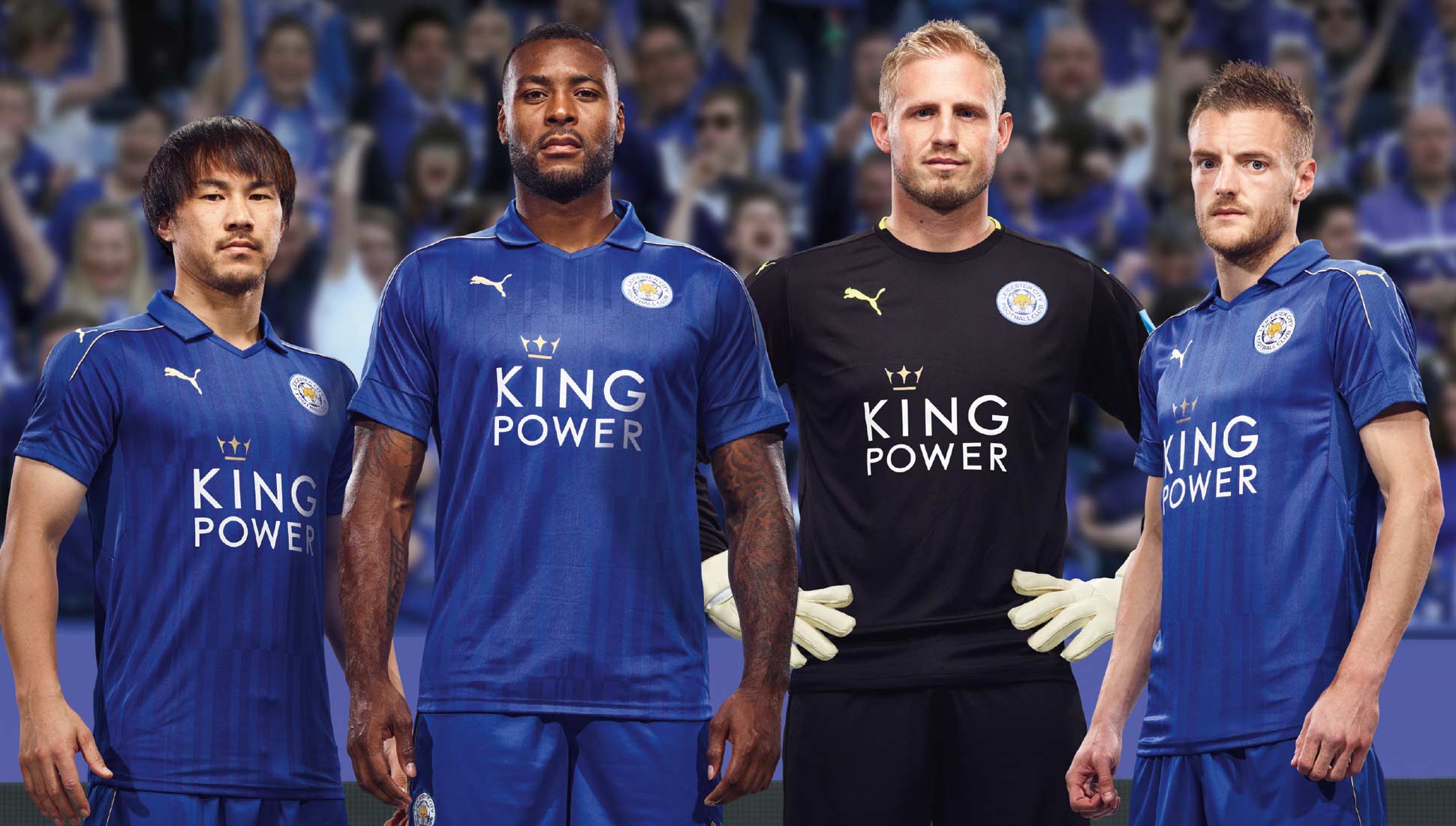
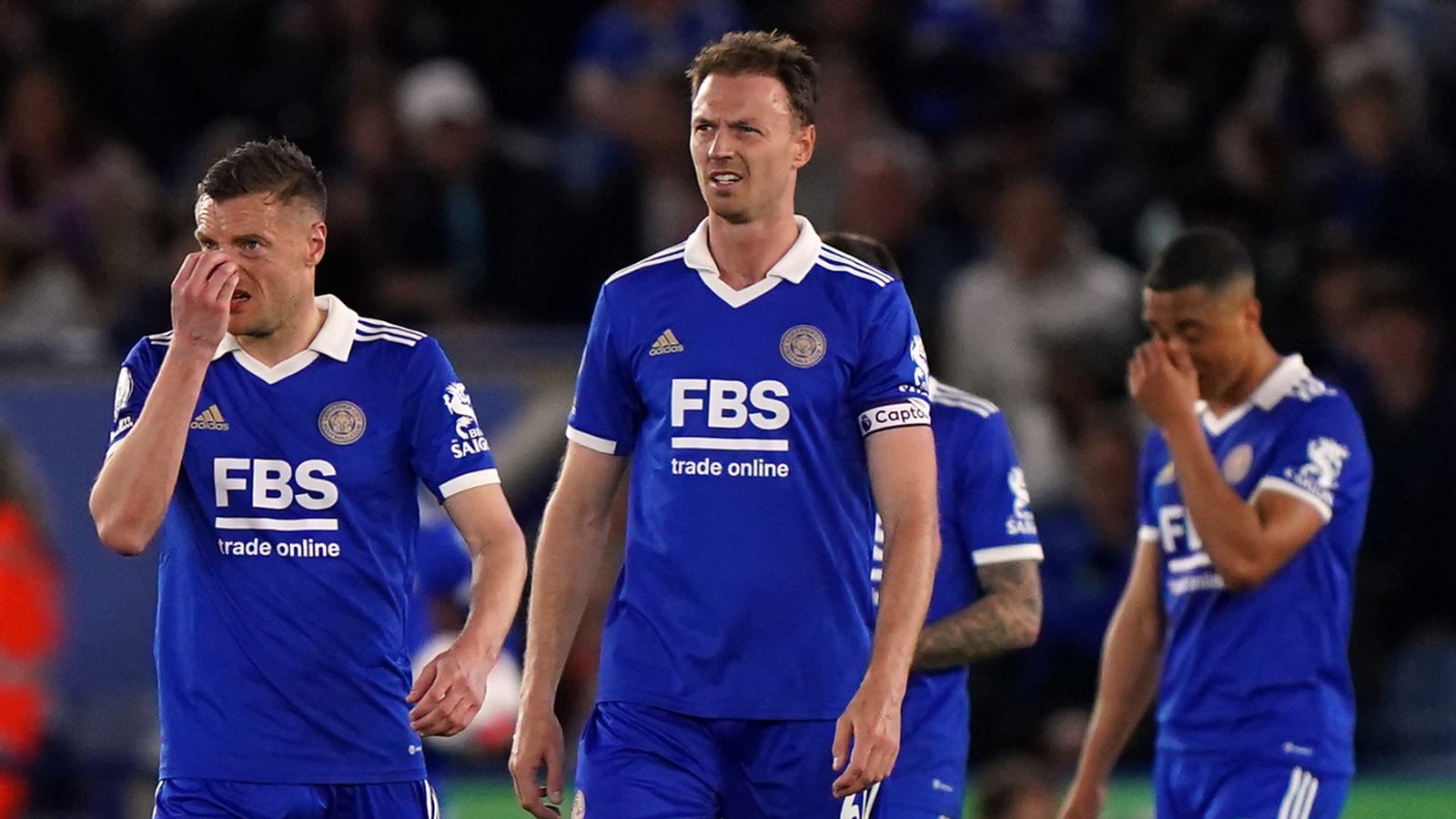
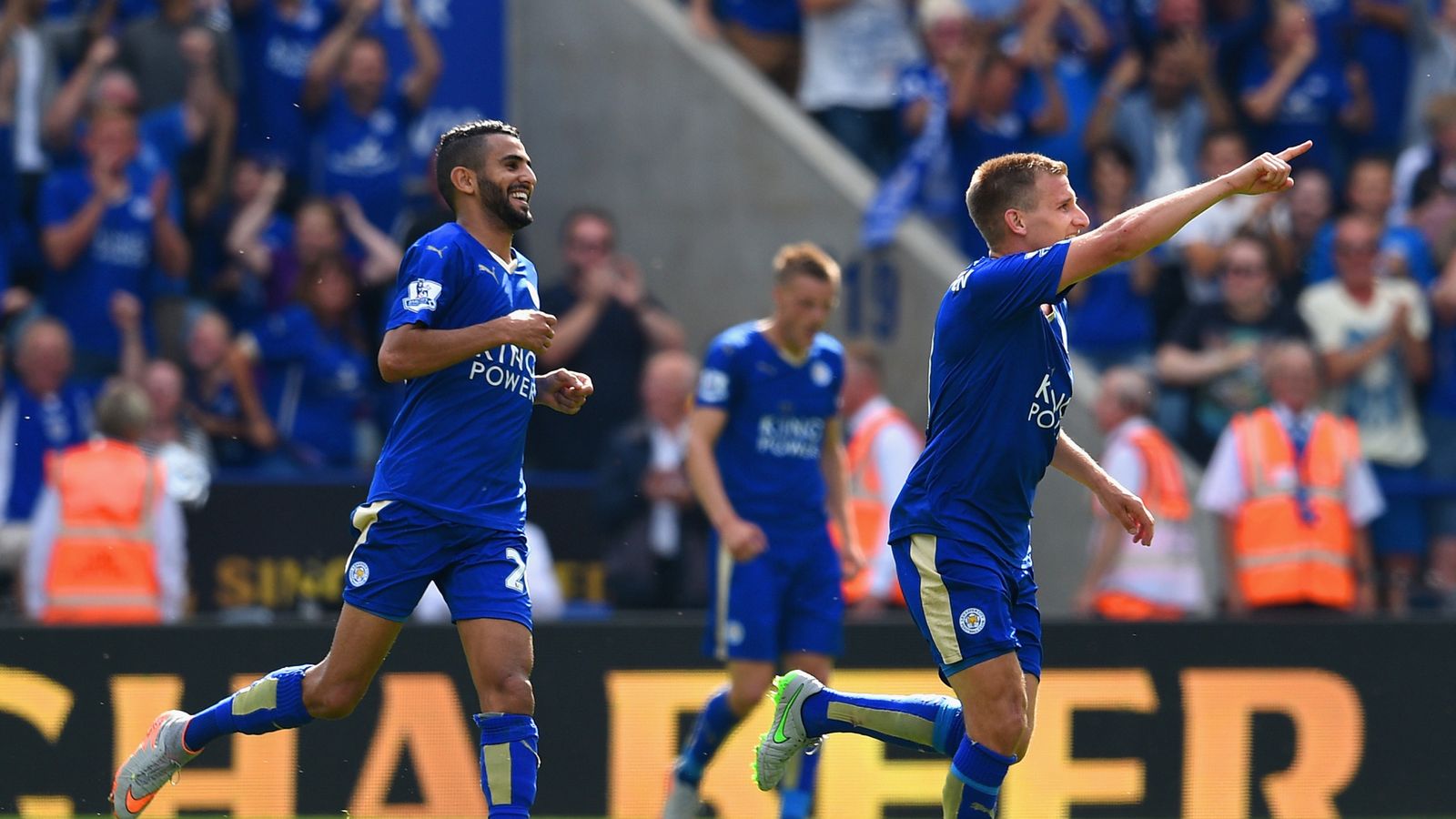
The 2016-17 Leicester City season was a campaign of extraordinary contrasts, characterized by a historic run to the UEFA Champions League quarter-finals and a precarious Premier League title defense that ultimately led to the dismissal of manager Claudio Ranieri. Finishing 12th in the league, the Foxes transitioned from "The Unbelievables" to a side fighting for top-flight survival before a late-season resurgence under Craig Shakespeare.
Following the unprecedented 5,000-1 title victory in 2015-16, the footballing world watched with intense curiosity to see how Leicester City would handle the weight of expectations and the demands of European competition. The 2016-17 season, which we now look back upon from the vantage point of 2026 as a pivotal moment in the club's modern identity, proved that the "Leicester Miracle" was a difficult act to follow, yet the club’s European exploits ensured the year remained etched in folklore despite domestic struggles.
The Weight of the Crown and the Transfer Market
The summer of 2016 was a period of both celebration and anxiety for Leicester City. While the club managed to retain the services of Jamie Vardy—who famously turned down a move to Arsenal—and Riyad Mahrez, the departure of N'Golo Kanté to Chelsea proved to be a structural blow from which the team struggled to recover for much of the season. Kanté had been the engine room of the title-winning side, and his absence left a void in the midfield that neither Nampalys Mendy nor Daniel Amartey could immediately fill.
In an attempt to bolster the squad for the dual challenge of the Premier League and the Champions League, the club broke its transfer record multiple times. Ahmed Musa arrived from CSKA Moscow for approximately £16.6 million, and on deadline day, Islam Slimani joined from Sporting CP for a record £28 million. While Slimani provided a physical presence and an aerial threat, the integration of these new players into Ranieri’s rigid 4-4-2 system was far from seamless. The recruitment strategy, led by Eduardo Maciá after the departure of influential head of recruitment Steve Walsh to Everton, faced heavy criticism as the team’s defensive solidity began to crumble.
The Premier League Struggle: A Winter of Discontent
The domestic campaign started poorly with a 2-1 defeat to newly-promoted Hull City, a result that set a somber tone for the months to follow. Throughout the first half of the season, Leicester’s away form was particularly dismal; they failed to win a single match on the road until the final weeks of the campaign. The high-pressing, lightning-fast counter-attack that had devastated opponents a year prior seemed blunted. Teams had learned to sit deep against the Foxes, denying Vardy the space to run in behind and forcing Mahrez into crowded areas.
By February 2017, the unthinkable was becoming a reality: the defending champions were embroiled in a genuine relegation battle. A 2-0 loss to Swansea City left the club just one point above the drop zone, having failed to score a single league goal in the calendar year up to that point. The "Tinkerman’s" magic appeared to have vanished, leading to intense speculation regarding player unrest and a loss of faith in Ranieri’s tactical adjustments.
The Sacking of Claudio Ranieri
On February 23, 2017, just nine months after lifting the Premier League trophy, Claudio Ranieri was dismissed. The decision sent shockwaves through the global football community, with many pundits and fans labeling it as "disgraceful" and a "betrayal" of the man who had delivered the impossible. However, the club’s hierarchy, led by Chairman Vichai Srivaddhanaprabha, felt the risk of relegation was too great to ignore.
The appointment of assistant manager Craig Shakespeare as caretaker (and later permanent) manager brought an immediate change in fortune. Shakespeare returned to the core principles of the title-winning season: a simplified 4-4-2, higher intensity, and a focus on getting the ball to Vardy as quickly as possible. The response was instantaneous, with Leicester winning their first five league games under his leadership, effectively securing their Premier League status and allowing the club to finish in a respectable 12th position.
The Champions League: A European Fairytale
In stark contrast to their league form, Leicester City’s debut in the UEFA Champions League was nothing short of spectacular. Drawn in Group G alongside FC Porto, Club Brugge, and FC Copenhagen, the Foxes defied the odds once again. They won their first three matches without conceding a single goal, becoming the first debutants in the competition's history to do so.
The knockout stages provided the season's most iconic moments. In the Round of 16, Leicester faced Europa League specialists Sevilla. After a narrow 2-1 loss in Spain—aided by a vital away goal from Jamie Vardy and a heroic penalty save by Kasper Schmeichel—the return leg at the King Power Stadium became a legendary night. Goals from Wes Morgan and Marc Albrighton, coupled with another Schmeichel penalty save from Steven Nzonzi, secured a 2-0 win (3-2 on aggregate) and sent Leicester into the quarter-finals.
The journey ended in the last eight against Atlético Madrid. A controversial penalty in the first leg at the Vicente Calderón resulted in a 1-0 loss. In the return leg, despite a spirited second-half performance and a goal from Vardy, a 1-1 draw wasn't enough to overturn the deficit. Leicester bowed out with their heads held high, having outlasted every other English team in the competition that season.
Statistical Overview of the 2016-17 Campaign
To understand the volatility of the season, one must look at the statistical divergence between the first and second halves of the year, as well as the difference between domestic and European performances.
| Competition | Played | Won | Drawn | Lost | GF | GA | Final Position/Status |
|---|---|---|---|---|---|---|---|
| Premier League | 38 | 12 | 8 | 18 | 48 | 63 | 12th |
| Champions League | 10 | 5 | 1 | 4 | 11 | 10 | Quarter-finals |
| FA Cup | 4 | 2 | 1 | 1 | 6 | 4 | Fifth Round |
| EFL Cup | 1 | 0 | 0 | 1 | 2 | 4 | Third Round |
| Community Shield | 1 | 0 | 0 | 1 | 1 | 2 | Runners-up |
The top scorer for the season was Jamie Vardy with 16 goals across all competitions, followed by Islam Slimani with 8. While Vardy’s tally was lower than his title-winning season (24), his contribution in the Champions League and during the late-season recovery was vital.
Key Players and Tactical Shifts
The 2016-17 season saw the emergence of Wilfred Ndidi, who was signed in January 2017 from Genk for £17 million. Ndidi’s arrival was perhaps the most significant turning point for the squad's balance. His ability to win headers, intercept play, and cover ground finally provided the defensive shield that had been missing since Kanté's departure.
Kasper Schmeichel also cemented his status as a world-class goalkeeper during this campaign. His performances in the Champions League, particularly his penalty-saving exploits, were the primary reason the club reached the quarter-finals. Defensively, the aging duo of Wes Morgan and Robert Huth struggled with the increased pace of opponents and the added fixture congestion, leading to a shift in how the team managed its defensive line under Shakespeare.
Riyad Mahrez, while showing flashes of brilliance in Europe (scoring 4 goals in the Champions League), often looked disinterested in the Premier League. This inconsistency was a microcosm of the team's overall struggle to find motivation in the domestic grind compared to the glamour of the European stage.
Frequently Asked Questions
Why did Leicester City struggle so much in the Premier League after winning it?
The struggle was primarily due to the loss of N'Golo Kanté, which disrupted the team's defensive structure, and a "tactical hangover" where opponents learned to counter Leicester's specific style. Additionally, the physical and mental toll of competing in the Champions League for the first time stretched a relatively thin squad to its limits.
Was the sacking of Claudio Ranieri justified?
From a sentimental perspective, many viewed it as harsh. However, from a business and sporting standpoint, the club was on a direct path to relegation. The immediate improvement in results under Craig Shakespeare (five consecutive wins) suggests that a change in leadership was necessary to revitalize the dressing room and secure the club's financial future in the Premier League.
How far did Leicester City go in the 2016-17 Champions League?
Leicester City reached the quarter-finals. They topped Group G, defeated Sevilla in the Round of 16, and were eventually eliminated by Atlético Madrid with a 2-1 aggregate score. They were the last remaining English team in the competition that year.
Who were the key signings for Leicester in the 2016-17 season?
Key signings included Islam Slimani (record signing), Ahmed Musa, Nampalys Mendy, and Wilfred Ndidi. While Slimani and Musa had mixed results, Wilfred Ndidi (arriving in January) became a crucial long-term asset for the club.
Who was Leicester City's top scorer in 2016-17?
Jamie Vardy was the top scorer with 13 Premier League goals and 16 goals in total across all competitions. Despite a lengthy goal drought in the middle of the season, his form returned significantly after the managerial change in February.
Conclusion and Historical Perspective
Looking back from 2026, the 2016-17 season serves as a reminder of the immense difficulty involved in sustaining success for clubs outside the traditional "Big Six." It was a season of extreme highs and lows that tested the resilience of the club’s supporters and the resolve of its owners. While the title defense was objectively poor, the Champions League run provided a lifetime of memories and proved that Leicester City could compete with the elite of European football.
For those analyzing the club's history, the 2016-17 campaign is best viewed as the "normalization" of Leicester City—a transition from the miraculous to the competitive. It established the club as a modern fixture of the Premier League, capable of surviving internal crises and continuing to punch above its weight on the global stage. If you are researching the tactical evolution of the Foxes, focus on the January 2017 window and the impact of Wilfred Ndidi, as his arrival corrected the structural imbalances that nearly cost the club its top-flight status.