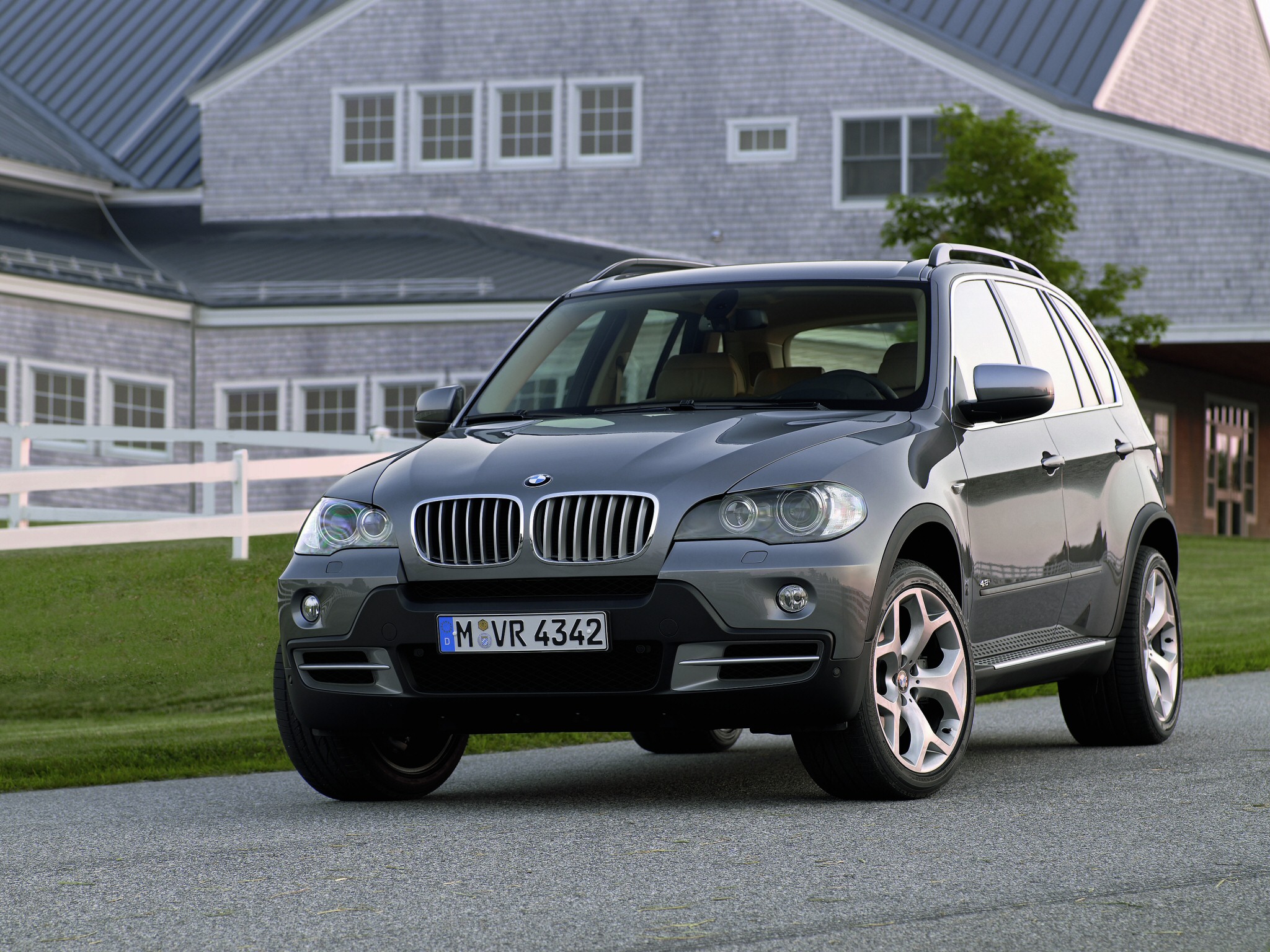
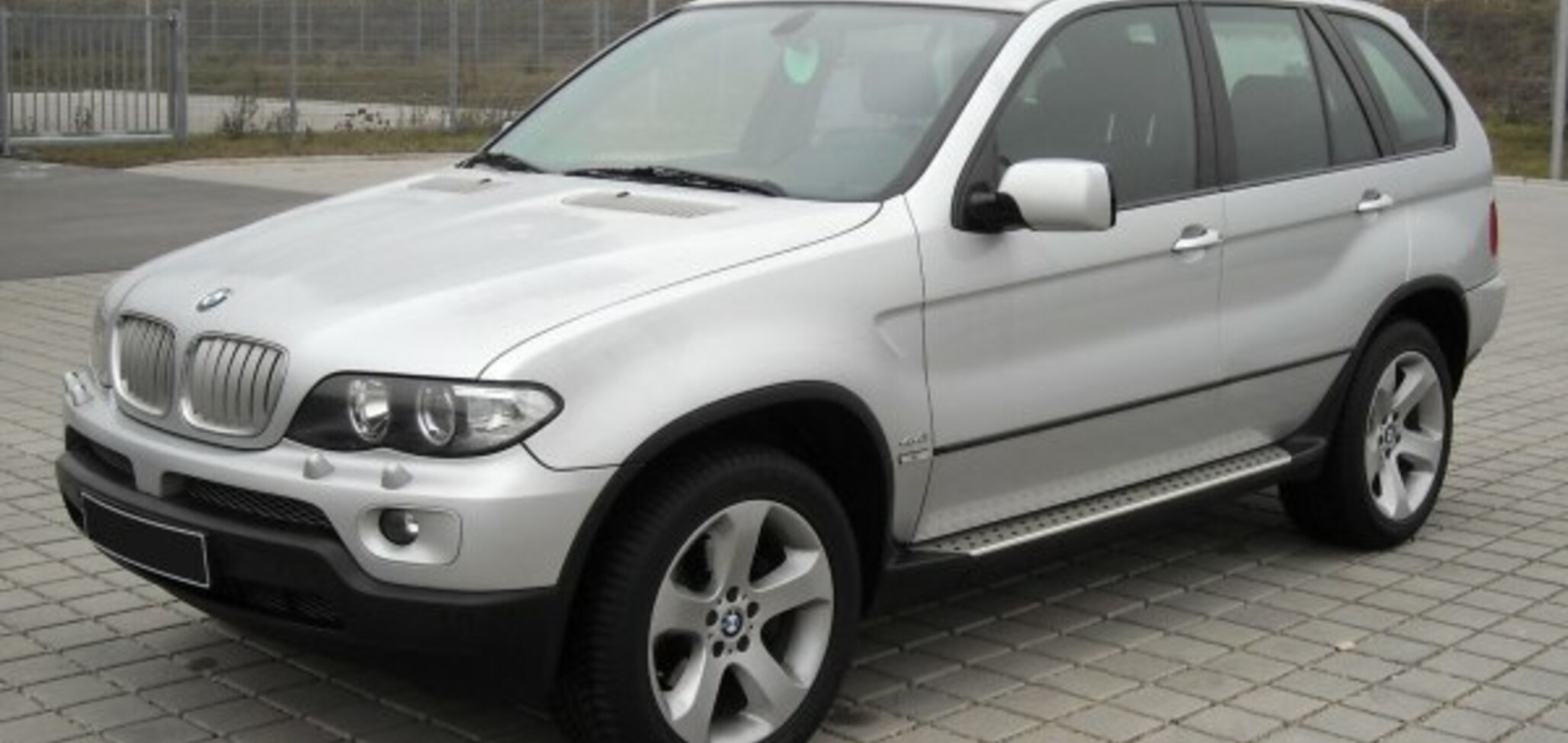
The 2006 BMW X5 represents the final model year of the E53 generation, marking the culmination of BMW’s first foray into the luxury sport activity vehicle (SAV) market. Available in various trims including the 3.0i and the high-performance 4.8is, this model year features refined inline-six and V8 engine configurations, all-wheel-drive systems, and a chassis designed to bridge the gap between traditional SUV utility and BMW’s hallmark performance-oriented handling.
Evolution of the E53 Platform
The 2006 BMW X5 stands as a significant milestone in automotive design. When the E53 generation was introduced, it challenged the industry standard by prioritizing on-road dynamics over off-road rock crawling, a philosophy that defined the "Sport Activity Vehicle" segment. By 2006, the platform had undergone several refinements, including significant electronic and powertrain updates that addressed initial reliability concerns found in earlier production years.
Potential owners and enthusiasts looking at the 2006 model year should recognize that it was a transition period. While the E53 platform had reached its zenith in terms of build quality and feature integration, it was also the last year before the larger, more tech-heavy E70 successor replaced it. Understanding the 2006 specifications is essential for proper maintenance, part sourcing, and appreciation of the engineering constraints of that era.
Engine and Powertrain Specifications
The 2006 X5 was offered with three distinct engine choices in the North American market, catering to different performance expectations. Each engine was paired with a specific transmission configuration optimized for its power delivery.
3.0i Inline-Six
The entry-level 3.0i featured the M54B30 3.0-liter dual-overhead-cam (DOHC) inline-six engine. This engine produced approximately 225 horsepower and 214 lb-ft of torque. It was widely regarded for its smooth power delivery and balanced thermal characteristics. It was available with either a 5-speed manual or a 5-speed Steptronic automatic transmission.
4.4i V8
Stepping up to the 4.4i provided a 4.4-liter N62 V8 engine, delivering 315 horsepower and 324 lb-ft of torque. This engine utilized Valvetronic technology, which replaced the traditional throttle butterfly with variable valve lift, improving fuel efficiency and throttle response. This model was exclusively paired with a 6-speed ZF automatic transmission.
4.8is V8
The performance-focused 4.8is featured the N62B48 V8, churning out 355 horsepower and 369 lb-ft of torque. This trim included unique styling cues, a sport-tuned air suspension, and larger wheels, marking it as the flagship of the E53 lineup.
Technical Data Table: Comparative Specifications
| Feature | 3.0i (I6) | 4.4i (V8) | 4.8is (V8) |
|---|---|---|---|
| Displacement | 2,979 cc | 4,398 cc | 4,799 cc |
| Horsepower | 225 hp @ 5,900 rpm | 315 hp @ 5,400 rpm | 355 hp @ 6,200 rpm |
| Torque | 214 lb-ft @ 3,500 rpm | 324 lb-ft @ 3,600 rpm | 369 lb-ft @ 3,500 rpm |
| Curb Weight | ~4,577 lbs | ~4,927 lbs | ~5,160 lbs |
| 0–60 mph (est.) | 7.9 seconds | 6.8 seconds | 5.9 seconds |
| Transmission | 5-speed Auto/Manual | 6-speed Automatic | 6-speed Automatic |
Chassis, Suspension, and Handling
The handling characteristics of the 2006 X5 are what separated it from competitors like the contemporary Mercedes-Benz M-Class. The vehicle utilized a fully independent suspension system. The 4.8is variant utilized a self-leveling air suspension, which allowed the driver to adjust ride height, a critical feature for both aerodynamics at highway speeds and accessibility for cargo loading.
The xDrive all-wheel-drive system was a cornerstone of the 2006 model's capability. Unlike permanent 50/50 splits, xDrive could vary torque distribution between the front and rear axles in milliseconds based on traction requirements. This system used data from the Dynamic Stability Control (DSC) sensors to preemptively manage slip, ensuring the vehicle maintained composure in adverse weather conditions.
Dimensions and Capacity
Despite its performance focus, the 2006 X5 maintains practical dimensions for a midsize luxury SUV.
- Length: 183.7 inches
- Width: 77.3 inches
- Height: 67.5 inches
- Wheelbase: 111.0 inches
- Towing Capacity: Properly equipped models could tow up to 6,000 pounds.
The interior volume was optimized for driver ergonomics. While the rear legroom is often criticized in modern comparisons, it was competitive for the 2006 segment. Cargo space, accessed via a unique two-piece tailgate, offers 21.7 cubic feet behind the second row and up to 54.4 cubic feet with the rear seats folded.
Maintenance and Common Troubleshooting
Owning a 2006 BMW X5 in 2026 requires an understanding of aging automotive systems. The rubber components, such as control arm bushings and cooling system hoses, are at an age where they require systematic inspection or replacement.
- Cooling System: The plastic components in the cooling system—specifically the expansion tank and radiator end tanks—are prone to failure. Proactive replacement of these parts is a standard recommendation to prevent engine overheating.
- Oil Leaks: The V8 engines are known for valve cover gasket and oil cooler gasket leaks. These are common maintenance items that, while labor-intensive, do not typically indicate terminal engine failure.
- Electronics: The E53 used an early iteration of CAN-bus communication. Issues with window regulators, sunroof drains, and pixel loss in the instrument cluster are well-documented and typically addressed through modular replacement.
Comparing the 2006 Model Year
When evaluating the 2006 BMW X5 against newer vehicles, it is important to distinguish between "analog" driving feel and modern digital integration. The 2006 model features a hydraulic power steering rack that provides significantly more feedback than the electronic power steering found in vehicles produced in 2026. However, it lacks contemporary driver-assistance features such as blind-spot monitoring, lane-keeping assist, or advanced smartphone integration.
For collectors or enthusiasts, the 4.8is remains the most desirable variant due to its specific visual and mechanical upgrades. For daily usability, the 3.0i is often cited as the more manageable choice due to the lower complexity of the engine and the wider availability of parts.
Frequently Asked Questions
Does the 2006 BMW X5 require premium fuel? Yes, BMW specifies premium unleaded gasoline (91 AKI or higher) for all 2006 X5 engines. Using lower octane fuel may trigger the knock sensors to retard ignition timing, resulting in decreased power and lower fuel efficiency.
Is the 2006 X5 capable of serious off-roading? The vehicle was designed for "Sport Activity," meaning it is highly capable on gravel, snow, and wet pavement, but it lacks the low-range gearing and articulation required for serious rock crawling or extreme terrain.
What is the difference between the 3.0i and 4.4i fuel economy? The 3.0i is significantly more fuel-efficient than the V8 variants, though by modern standards, all engines in the 2006 lineup are considered thirsty. Expect real-world combined consumption in the mid-to-high teens for the 3.0i, and slightly lower for the V8 models.
Are parts still available for the 2006 BMW X5 in 2026? Yes, due to the high volume of E53 production, aftermarket parts and original equipment manufacturer (OEM) components remain readily available through major parts suppliers and specialized BMW retailers.
How does the xDrive system differ from the systems used in later BMWs? The 2006 xDrive system is a mechanical-electronic hybrid that reacts to wheel slip. While effective, it is less sophisticated than the torque-vectoring systems integrated into BMW models released after 2015.
Final Recommendation
For those considering the 2006 BMW X5 in 2026, the vehicle is best suited for the enthusiast or the DIY-oriented owner. Prioritize purchasing a vehicle with comprehensive service records, as deferred maintenance on a German V8 from this era can become cost-prohibitive. If you seek a classic, well-handling SUV with a distinct, muscular aesthetic and are prepared for the commitment of vintage-era luxury vehicle ownership, the 4.8is is the superior choice. If you prefer a simpler, more accessible maintenance experience, the 3.0i is the most pragmatic entry point into the E53 platform. Always perform a thorough pre-purchase inspection focused on cooling system integrity and suspension bushings before finalizing any acquisition.