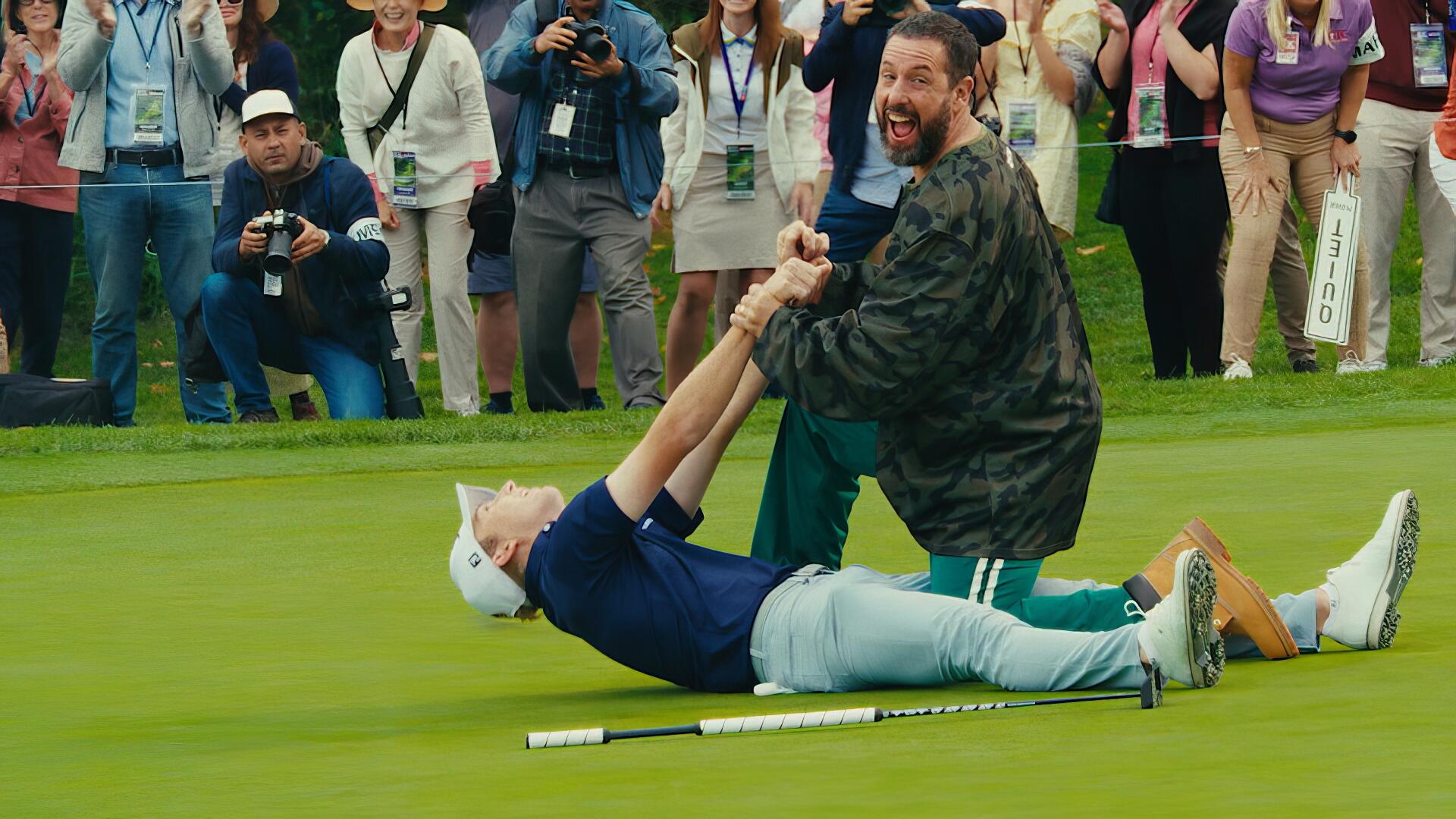
Happy Gilmore 2 continues the legacy of Adam Sandler’s iconic 1996 sports comedy by bringing back the chaotic energy of professional golf while introducing fresh narrative tension, cultural commentary, and signature slapstick rivalry. In the sequel, the central conflict relies heavily on a dynamic opposition between the aging, unpredictable protagonist and his primary adversaries. Understanding the mechanics of the plot requires a close examination of the characters who drive the narrative opposition. The two key villains of Happy Gilmore 2 represent a fascinating blend of legacy nostalgia and modern corporate antagonism, setting up a high-stakes tournament environment that tests Happy Gilmore's resilience, emotional growth, and distinctive style of play.
The Cinematic Context and Legacy of Happy Gilmore
Before analyzing the specific antagonists of the sequel, it is essential to contextualize the narrative framework established in the original 1996 film. Directed by Dennis Dugan and co-written by Adam Sandler and Tim Herlihy, the first movie pitted an aspiring hockey player with an explosive temper and a powerful slap shot against the buttoned-up, traditionalist establishment of professional golf. That film relied on a classic underdog structure where the sport itself, embodied primarily by the arrogant champion Shooter McGavin, served as an institutional barrier to Happy's unorthodox methods.
When development on a sequel materialized, the creative team faced the challenge of modernizing the conflict while honoring the elements that made the original a cultural touchstone. Rather than simply repeating the past, the sequel introduces a dual-threat antagonist structure. This approach allows the film to split its adversarial duties between a returning legacy threat and a contemporary force of modern sports commercialism. By analyzing the 2 key villains of Happy Gilmore 2, viewers can see how the franchise balances fan service with genuine narrative stakes, updating the timeless battle between working-class grit and elite pretense for a contemporary audience.
Villain Profile One: The Returning Rival and Institutional Gatekeeper
The first key villain in Happy Gilmore 2 steps directly out of sports-comedy history, embodying the bitter resentment of a traditionalist who has watched the game evolve past his era of dominance. This character represents the old guard of professional golf, a world that has always looked down upon Happy’s unorthodox swing, blue-collar background, and emotional outbursts.
Character Motivation and Psychological Profile
The primary driver for this antagonist is not merely athletic competition; it is professional pride, vanity, and deep-seated jealousy. Having spent decades nursing the wounds of past defeats, this character views Happy Gilmore's continued cultural footprint as a personal insult to the sanctity of the sport. Where normal athletes might mellow with age, this rival has allowed bitterness to curate a rigid, defensive personality. Every interaction highlights a stark contrast between Happy's spontaneous, chaotic passion and the antagonist's calculating, sterile approach to the game.
Narrative Function within the Sequel
Within the script, this returning rival serves multiple narrative purposes:
- The Legacy Link: They anchor the sequel to the original film, providing immediate emotional stakes for audiences invested in the 1996 storyline.
- The Comic Foil: Their extreme seriousness makes them a reliable target for physical comedy and sharp verbal sparring.
- The Thematic Obstacle: They represent the stubborn refusal of traditional institutions to embrace individuality or change.
Their operational style relies heavily on psychological warfare, attempting to rattle Happy’s composure through public taunts, media manipulation, and appeals to governing tournament boards. However, just like in the original film, their fatal flaw remains an overconfidence born of privilege and an inability to adapt when the game gets chaotic.
Villain Profile One vs. Two: A Comparative Analysis
| Feature | Primary Legacy Rival | Modern Corporate Antagonist |
|---|---|---|
| Primary Motivation | Personal vengeance, ego, and traditionalist pride | Financial dominance, corporate branding, and modern control |
| Method of Attack | Psychological intimidation, media manipulation, and rules technicalities | Hostile buyouts, institutional pressure, and technological optimization |
| Relationship to Golf | Lifelong professional golfer obsessed with prestige and legacy | Corporate executive or modern sports mogul viewing golf as an asset |
| Comic Dynamic | High-strung traditionalist frustrated by absurdity | Cold, unfeeling bureaucrat confounded by emotional chaos |
Villain Profile Two: The Modern Corporate and Cultural Threat
While the legacy rival provides personal animosity, the second key villain of Happy Gilmore 2 introduces a broader, more systemic threat to Happy's world. This antagonist represents the hyper-commercialized, algorithm-driven, and sterile side of modern sports entertainment. As professional athletics transformed over the decades into massive corporate conglomerates, the casual, unpredictable charm of characters like Happy Gilmore found themselves increasingly at odds with boardroom spreadsheets and brand-safety metrics.
The Face of Modern Sports Commodification
The second villain is typically manifested through a wealthy investor, a ruthless sports league executive, or a tech-obsessed corporate mogul who seeks to sanitize professional golf. This character does not care about the etiquette of the green or the history of the sport nearly as much as market share, viewership analytics, and lucrative sponsorship deals. To this antagonist, Happy is not just an aging athlete; he is a liability, a walking PR risk whose unpredictable antics disrupt the carefully manicured image of the modern sports league.
Conflict Dynamics and Stakes
The friction between Happy and this corporate antagonist elevates the narrative stakes from a simple personal rivalry to a battle for the soul of the game itself. While the legacy rival wants to beat Happy on the course to prove a point, the corporate antagonist wants to render Happy obsolete, using financial leverage, regulatory loopholes, and unfair tournament structures to push him out of the sport permanently. This forces Happy to rally not only for his own pride but on behalf of every fan and athlete who values authenticity over corporate packaging.
The Intersection of the Two Villains
What makes the antagonist structure of Happy Gilmore 2 particularly effective is how these two distinct villains interact with one another. Rather than operating in isolation, they form an uneasy, opportunistic alliance of convenience.
The traditionalist rival, desperate for any edge to defeat Happy, willingly aligns with the corporate mogul, trading away the romantic ideals of the sport for a guaranteed path to victory. Meanwhile, the corporate executive uses the veteran rival's personal grudge as a blunt instrument to execute a broader strategy of commercial dominance. This alliance highlights a cynical worldview where personal honor is co-opted by corporate greed. However, this partnership also contains the seeds of its own destruction, as the deep ego of the traditionalist and the cold pragmatism of the executive inevitably clash under pressure.
Practical Impact on Happy Gilmore's Arc
The presence of these two formidable opponents directly shapes Happy Gilmore's character development throughout the film. Facing a dual threat forces Happy to evolve beyond his reliance on raw talent and explosive anger.
- Strategic Maturity: Happy must learn to anticipate psychological traps set by his legacy rival, keeping his temper in check when provoked on the course.
- Collective Solidarity: Recognizing that the corporate antagonist threatens the broader community of unorthodox players, Happy transforms from an isolated loner into a unifying leader.
- Emotional Resilience: The narrative tests Happy's willingness to walk away from the sport versus his drive to fight for his legacy, proving that his love for the game transcends both personal vendettas and corporate balance sheets.
Frequently Asked Questions
Who are the two primary antagonists in Happy Gilmore 2?
The narrative splits its opposition between a returning legacy rival from the original film who holds a deep personal grudge, and a modern corporate antagonist representing the hyper-commercialization of sports. Together, they challenge Happy Gilmore on both personal and systemic levels.
How does the sequel update the villain dynamic from the 1996 original?
While the first film focused almost entirely on a single individual opponent within a traditional sporting framework, the sequel expands the scope by pairing that personal rivalry with a modern corporate threat, reflecting how sports business and media have changed over the decades.
Do the two villains work together against Happy Gilmore?
Yes, the narrative features an uneasy alliance where the legacy rival accepts corporate backing and strategic assistance to gain an advantage over Happy, highlighting the intersection of personal ego and institutional greed.
What is the ultimate goal of the corporate villain in the film?
The corporate antagonist aims to sanitize and commercialize professional golf, viewing Happy Gilmore's unpredictable, authentic persona as a liability to brand metrics, and attempting to push him out of the sport entirely.
How does Happy overcome these combined threats?
Happy navigates the conflict by balancing his signature unyielding spirit with newfound emotional maturity, forging alliances with fellow players, and outsmarting the rigid tactics of his opponents on the golf course.
Conclusion and Next Actions
The introduction of the 2 key villains of Happy Gilmore 2 enriches the narrative by blending nostalgic personal rivalry with relevant modern commentary on sports commercialism. By pitting Happy against both a bitter legacy adversary and a cold corporate mogul, the film creates multi-layered conflict that drives the comedy, drama, and athletic stakes. For viewers preparing to watch or analyze the sequel, keeping these character dynamics in mind clarifies how the story bridges the gap between 1990s slapstick and contemporary sports entertainment. To fully appreciate the film's thematic depth, revisit the original 1996 classic to trace the evolution of these rivalries and observe how far the protagonist's journey has truly come.