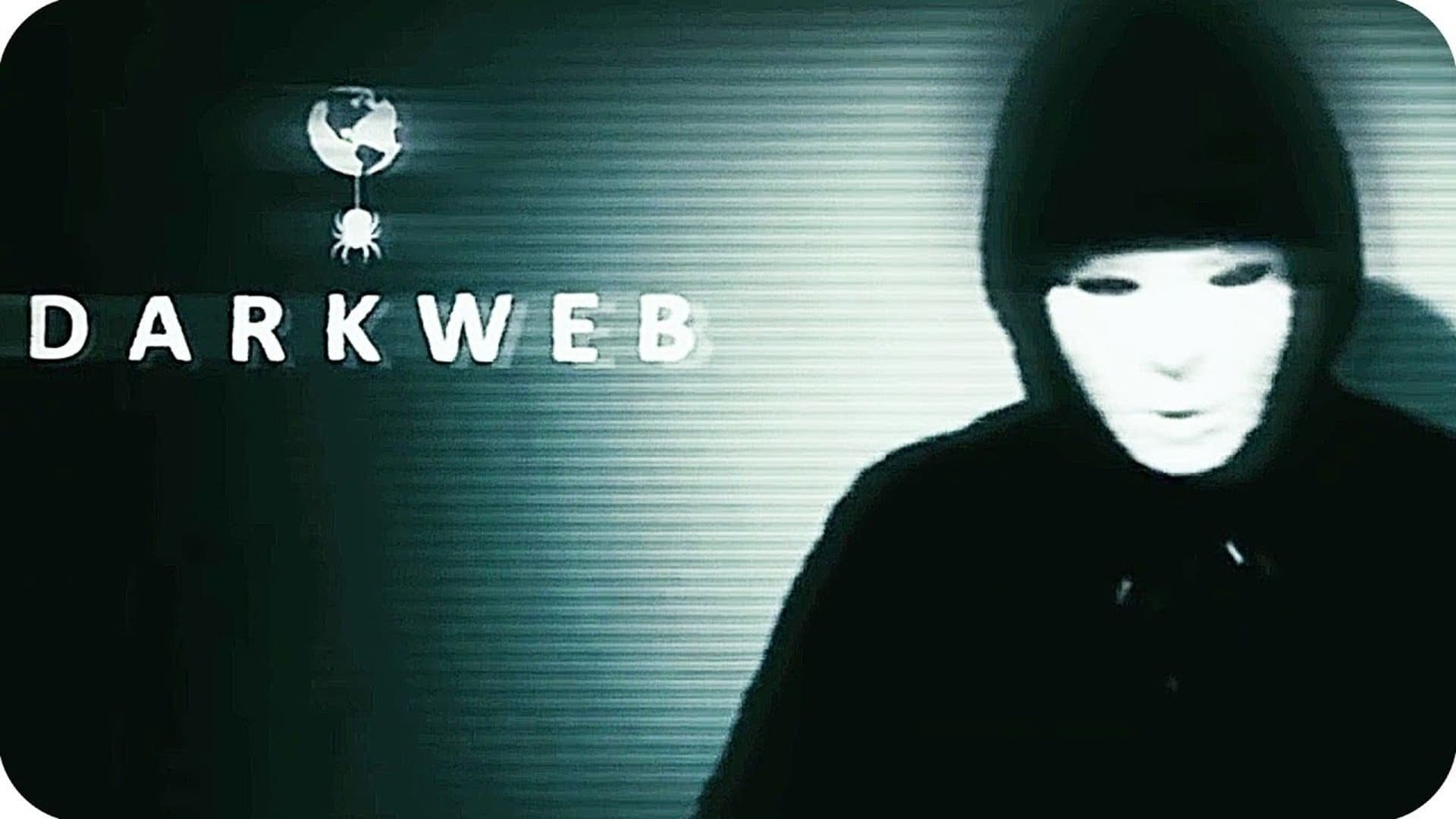
When audiences search for concepts like "2 hacker 2 movie explored," they are usually navigating the territory of cinematic hacker tropes, sequel naming conventions, or trying to find a specific film that matches a stylized mental prompt. While no single major Hollywood blockbuster exists under the exact title 2 Hacker 2 Movie, the phrasing immediately evokes the sensationalized naming conventions of action franchises like 2 Fast 2 Furious combined with Hollywood's long-standing, wildly exaggerated depiction of cybercrime. This investigation unpacks how cinema portrays hackers, examines real-world technical accuracy versus entertainment value, looks at movies that genuinely capture technical nuance, and provides a clear guide for viewers trying to decipher tech-thriller tropes.
The Etymology of Cinematic Naming and the "Hacker Movie" Genre
The title construction "2 [Noun] 2 [Noun]" is a direct cultural descendant of Universal Pictures' 2003 action sequel, 2 Fast 2 Furious. That stylized grammatical structure—using the number two as a phonetic substitute for "to"—has since become a shorthand meme format applied playfully by audiences to various genres, including fictional or misremembered tech thrillers. When people search for "2 hacker 2 movie explored," they are typically looking to understand a specific subgenre of cyber-thrillers, seeking clarification on whether a sequel with that exact name exists, or attempting to decode the tropes that define digital-age cinema.
Hollywood's relationship with computer science dates back to the dawn of personal computing, but the modern "hacker movie" genre truly took shape in the mid-1990s. Films like Hackers (1995) and The Net (1995) established a visual and narrative grammar for digital crime that prioritized neon-lit graphical user interfaces, instant password cracking, and basement-dwelling digital vigilantes over the tedious reality of command-line interfaces and asynchronous network protocols. Understanding this genre requires separating the cinematic spectacle from actual computing infrastructure, examining why filmmakers make specific creative choices, and identifying the rare titles that bridge the gap between Hollywood drama and technical reality.
Anatomy of a Hollywood Hack: Myth Versus Reality
To understand why viewers seek explorations of hacker films, one must examine the vast gulf between cinematic depictions of computer operations and actual cybersecurity practices. Screenwriters face a fundamental narrative challenge: real-world hacking is largely sedentary, intellectually taxing, and visually uneventful. Watching a penetration tester read log files or run a multi-hour wordlist attack against a hardened cryptographic hash does not translate well to a high-stakes dramatic narrative.
Consequently, filmmakers rely on a standardized set of visual and narrative tropes to signal that a character is "hacking." These conventions have persisted for decades despite radical changes in real-world technology.
- 3D Visualizations and Virtual Reality: Movies frequently depict networks and data structures as immersive three-dimensional spatial environments where users fly through cityscapes of glowing blocks. In reality, data management is handled via text-based terminals, database queries, and raw code.
- Instantaneous Access: In cinema, bypassing a military-grade firewall or cracking a secure encryption key takes mere seconds, often accompanied by frantic typing on a mechanical keyboard while a colleague yells, "They're tracing us!" Real security audits, vulnerability research, and penetration testing require methodical reconnaissance, social engineering, and persistent exploitation phases.
- The Magic "Override" Button: Movie hackers routinely press a single key or execute a generic script to disable satellite networks, open high-security vault doors, or redirect municipal power grids. Real industrial control systems utilize isolated architectures (air-gapping) and rigorous authentication protocols that cannot be bypassed with a casual keystroke.
- Omnipotent Expertise: A single Hollywood hacker is almost always depicted as an omnidisciplinary genius capable of writing custom malware, executing zero-day exploits, picking physical door locks, engaging in hand-to-hand combat, and evading law enforcement agencies simultaneously. In the professional security sector, tasks are divided among specialized teams specializing in cryptography, network defense, forensics, and red teaming.
Notable Entries in the Cyber-Thriller Canon
While 2 Hacker 2 Movie is a conceptual search query rather than a real catalog entry, several genuine films and television series have defined how modern audiences perceive cybersecurity. Evaluating these titles reveals how the industry's approach to technology has evolved from campy 1990s fantasy to gritty, technically grounded realism.
| Film Title | Release Year | Primary Technical Focus | Realism Rating | Key Cultural Impact |
|---|---|---|---|---|
| Hackers | 1995 | Subculture, Unix systems, dial-up era phreaking | Low (Stylized) | Established enduring pop-culture aesthetics and fashion tropes for digital rebels. |
| Sneakers | 1992 | Social engineering, cryptography, physical penetration | High (Conceptual) | Celebrated ethical hacking and the human element of security before the public web era. |
| The Matrix | 1999 | Simulated reality, zero-day exploits, phone lines | Medium (Sci-Fi) | Blended philosophical cyberpunk themes with action choreography and terminal interactions. |
| Blackhat | 2015 | Industrial control systems, Stuxnet-style sabotage | Medium-High | Attempted realistic depictions of malware targeting critical infrastructure, though mixed in reception. |
| Mr. Robot (Series) | 2015–2019 | Linux terminals, social engineering, physical exploits | Very High | Set a gold standard for television by employing actual exploit scripts and accurate tools. |
The Shift Toward Technical Authenticity
In recent years, audiences and critics have demanded greater fidelity to real-world computing standards. Productions like the television series Mr. Robot revolutionized the genre by consulting real-world security researchers and incorporating genuine command-line utilities, such as Metasploit, Nmap, and Wireshark, into the narrative. When characters execute a password attack or exploit a vulnerability in the show, they are utilizing tools recognizable to actual systems administrators and penetration testers. This shift has raised viewer expectations, making purely fantastical, neon-drenched hacking sequences increasingly vulnerable to audience skepticism.
Prerequisites for Evaluating Tech Media and Understanding Security
For viewers attempting to parse the technical claims made in thriller films or exploring the broader cybersecurity landscape, establishing a baseline literacy in computer networking and operational security is essential. Realizing how systems actually communicate prevents common misconceptions promoted by Hollywood fiction.
- Understand Network Architecture: Recognizing the difference between local area networks (LANs), wide area networks (WANs), and the internet helps contextualize how data moves from point A to point B.
- Differentiate Between Encryption and Hashing: Hollywood frequently treats encryption as something that can be "brute-forced" instantly. Understanding that modern encryption algorithms (like AES-256) require astronomical computational time to break under normal conditions clarifies why physical theft or social engineering is often the attacker's preferred vector.
- Recognize the Human Element: In professional security audits, social engineering—manipulating individuals into divulging confidential information—remains the most successful vector for unauthorized access. Movies often capture this aspect better than technical code-breaking.
- Acknowledge Legal and Ethical Boundaries: Real-world hacking without explicit, documented authorization is illegal under legislation such as the Computer Fraud and Abuse Act (CFAA) in the United States and equivalent international statutes. Ethical hackers operate under strict rules of engagement, distinguishing them from the reckless cinematic outlaws often glorified on screen.
Common Misconceptions Regarding Digital Surveillance and Tracking
Another staple of the "hacker movie" is the instantaneous tracing of phone calls or IP addresses. When a Hollywood character spends "thirty seconds" attempting to trace a digital connection while a tension-building countdown timer ticks away, the film is employing a dramatic device rather than depicting network diagnostics.
In reality, tracing a communication path across the modern internet involves navigating complex routing tables, content delivery networks (CDNs), and multiple Internet Service Providers (ISPs) across international jurisdictions. While investigators can subpoena logs or utilize specialized routing analysis, it is rarely an instantaneous process that can be accomplished by a single technician hammering away at a keyboard while muttering, "I'm in." Furthermore, the widespread use of virtual private networks (VPNs), proxy chains, and the Tor network introduces layers of anonymity that complicate real-time identification.
Practical Guidance for Viewers and Aspiring Technologists
For individuals inspired by cinematic portrayals who wish to explore genuine computing and cybersecurity concepts, moving past Hollywood fiction into structured learning pathways is the logical next step.
- Explore Certified Educational Resources: Organizations such as CompTIA, the SANS Institute, and various academic institutions offer structured pathways into networking and security fundamentals.
- Utilize Legal Sandbox Environments: Platforms like TryHackMe and Hack The Box provide gamified, legal environments where beginners can practice penetration testing and vulnerability assessment skills without violating the law.
- Prioritize Foundational Knowledge: Before diving into advanced security concepts, build a strong understanding of operating systems (particularly Linux), networking protocols (TCP/IP, DNS, HTTP), and basic scripting languages like Python or Bash.
Summary and Next Actions
While searches for queries like "2 hacker 2 movie explored" often stem from playful memetic phrasing or misremembered titles, they open a window into how popular culture engages with technology. Hollywood will likely continue to prioritize visual spectacle and high-stakes drama over the methodical reality of coding and network administration. By recognizing the tropes, understanding the technical limitations, and engaging with accurate educational resources, viewers can enjoy cyber-thrillers as entertainment while appreciating the true complexity of the digital world. For your next step, consider exploring documentaries on real-world cybersecurity breaches or enrolling in an introductory networking course to see how systems operate beyond the silver screen.