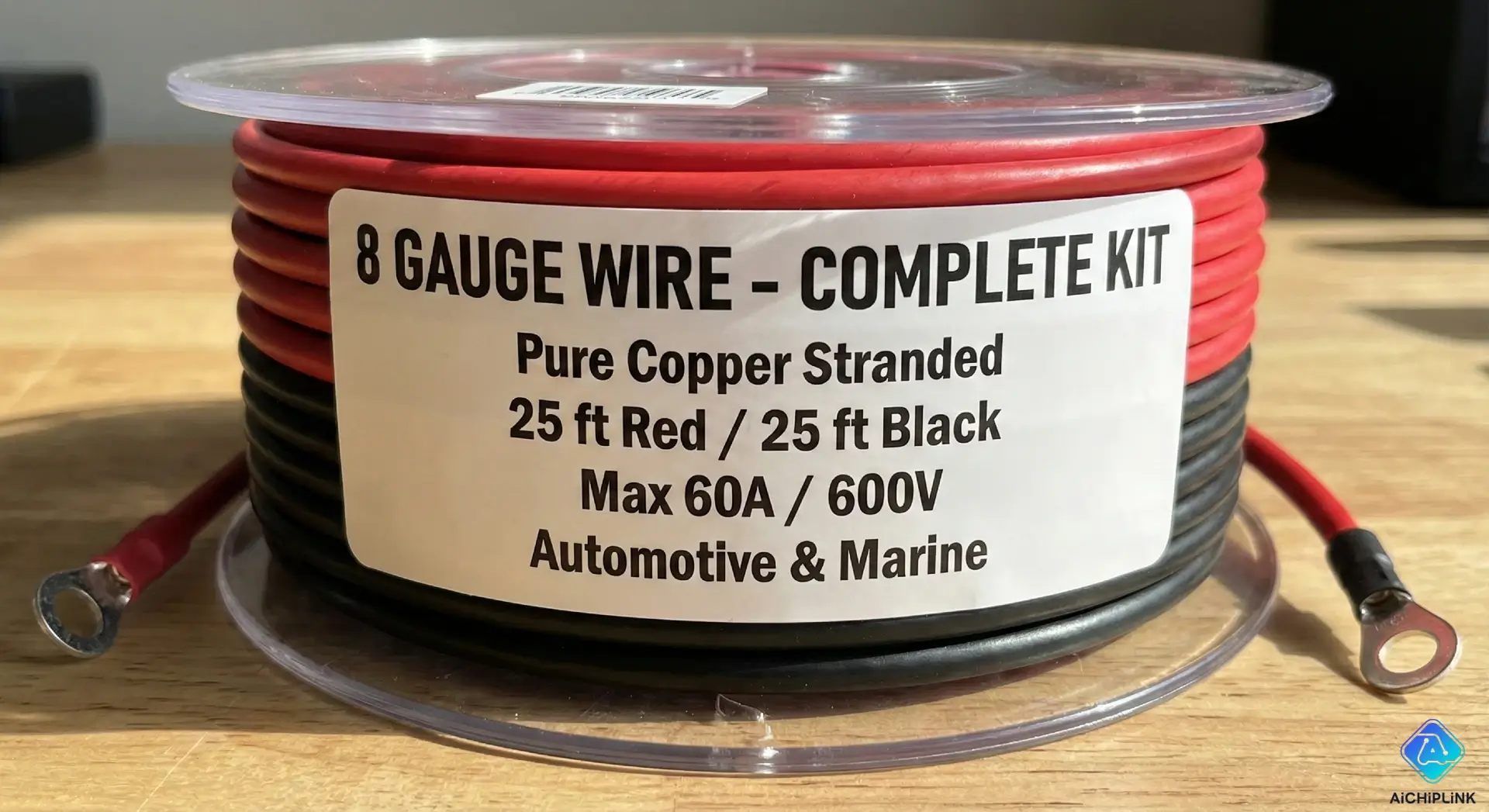
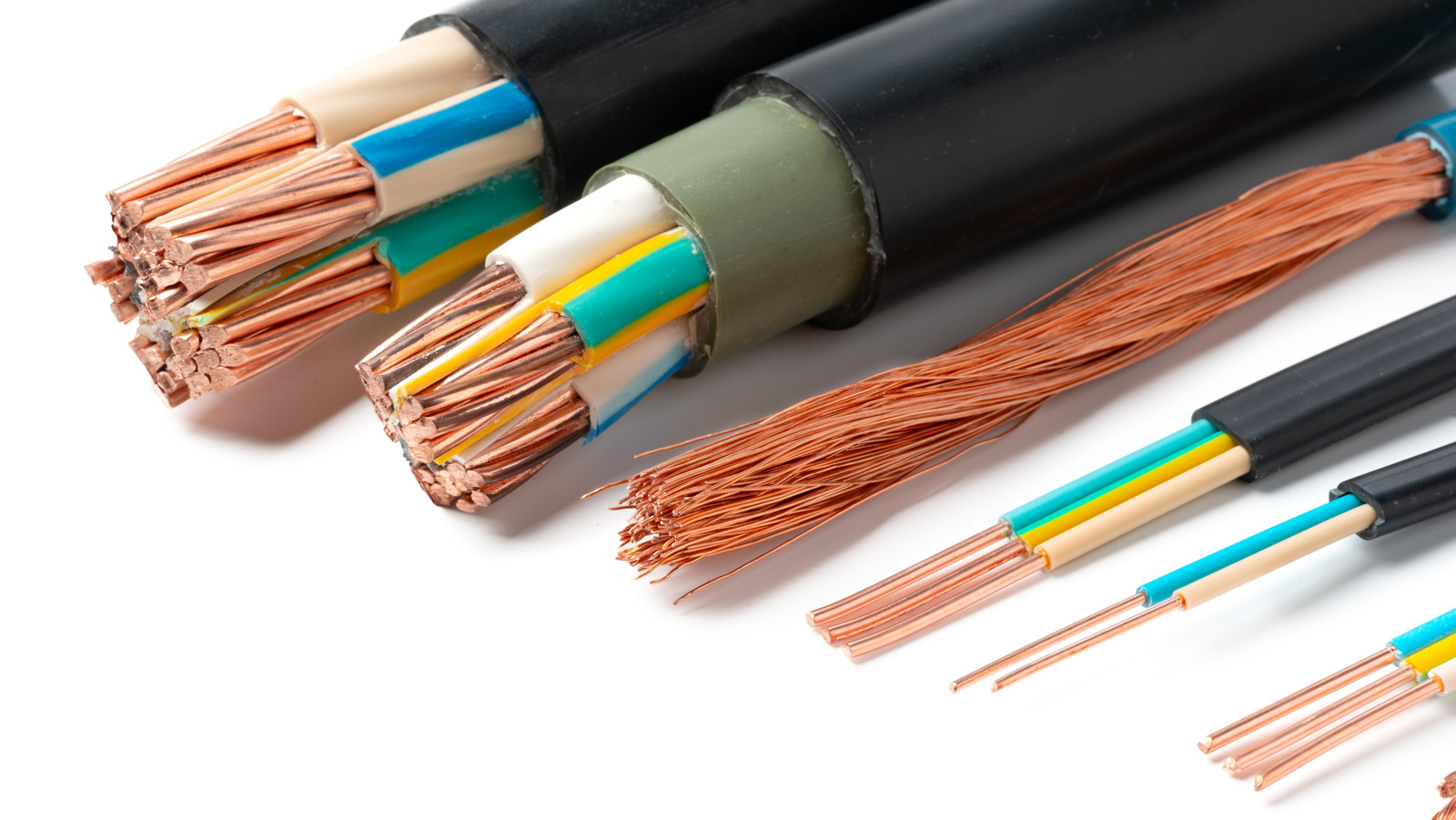
12-gauge wire is a versatile electrical conductor primarily used for 20-amp residential and commercial circuits. Rated for higher power loads than standard 14-gauge wire, it is essential for powering kitchens, bathrooms, and workshops. Choosing the correct gauge ensures appliance efficiency and prevents electrical fires caused by circuit overheating.
Understanding 12 AWG: The Technical Foundations
In the world of electrical engineering and home construction, "gauge" refers to the thickness of the wire, determined by the American Wire Gauge (AWG) system. A critical concept for any homeowner or professional to understand is the inverse relationship between the gauge number and the wire’s physical diameter. In 2026, even with the rise of low-voltage smart home technology, 12 AWG remains the "gold standard" for robust electrical infrastructure because it provides a necessary margin of safety for high-draw appliances.
A 12-gauge wire has a diameter of approximately 0.0808 inches (2.05 mm). Because it is thicker than the common 14-gauge wire found in many lighting circuits, it has less internal electrical resistance. Resistance is the enemy of an electrical system; it converts electrical energy into heat. By using a thicker 12-gauge conductor, the system can carry more current—specifically up to 20 amps in most standard residential environments—without reaching temperatures that could melt insulation or ignite surrounding building materials.
The material composition also matters. While aluminum was popular in decades past, modern 12-gauge wire used in 2026 is almost exclusively high-purity copper. Copper offers superior conductivity and is less prone to the thermal expansion and contraction issues that historically led to loose connections and fire hazards in aluminum systems. When you purchase 12-gauge wire today, you are typically choosing between solid core (used for permanent residential wiring) and stranded core (used where flexibility is required, such as in machinery or extension cords).
Why Wire Gauge Matters: The Physics of Safety
Why can't we just use thin wire for everything? The answer lies in the relationship between current, resistance, and heat, often described by Joule's First Law ($P = I^2R$). If you attempt to pull 20 amps through a 14-gauge wire designed for 15 amps, the resistance ($R$) causes the wire to generate heat rapidly. Since the power dissipated as heat increases with the square of the current ($I$), even a small "overclocking" of a circuit can lead to catastrophic failure.
Using 12-gauge wire matters because it provides the physical capacity to handle modern life. In 2026, our homes are filled with high-performance devices. While LED bulbs have reduced the load on lighting circuits, our kitchen counters are crowded with high-wattage air fryers, espresso machines, and high-speed blenders. A 12-gauge wire ensures that the circuit breaker (which should be rated at 20 amps for this wire) is the weakest link in the chain—as it should be—rather than the wire hidden behind your drywall.
Furthermore, wire gauge impacts "voltage drop." This is the phenomenon where the voltage at the end of a long wire run is lower than at the source. For long runs—such as a detached garage or a long hallway—using 12-gauge wire instead of 14-gauge helps maintain the 120V standard required for sensitive electronics to function correctly. If voltage drops too low, motors in refrigerators or air conditioners may struggle to start, leading to premature motor failure and increased energy costs.
Common Uses for 12-Gauge Wire in 2026
The versatility of 12 AWG makes it the preferred choice for several specific areas of a building. While 14-gauge wire is often sufficient for basic lighting and general-purpose outlets in bedrooms, 12-gauge wire is mandated by the National Electrical Code (NEC) and practical necessity for the following applications.
Kitchen and Dining Area Circuits
The kitchen is the most power-intensive room in a modern home. Standard building codes generally require at least two 20-amp "small appliance branch circuits" in the kitchen. These must be wired with 12-gauge wire. This allows you to run a 1,500-watt toaster and a 1,200-watt coffee maker simultaneously without tripping the breaker. If these were on a 15-amp circuit with 14-gauge wire, the breaker would pop almost every morning.
Bathroom Receptacles
High-performance hair dryers, curling irons, and electric heaters pull significant current. Modern safety standards require bathroom outlets to be on a 20-amp circuit. By using 12-gauge wire coupled with a Ground Fault Circuit Interrupter (GFCI), homeowners ensure they have enough power for grooming tools while maintaining a high level of protection against electrical shock in wet environments.
Laundry Rooms and Dedicated Appliance Lines
Washing machines and certain types of gas dryers (which use electricity to spin the drum) require dedicated circuits. Because these machines involve motors that have a high "startup surge"—drawing more power the moment they turn on—the 20-amp capacity of 12-gauge wire is essential to prevent nuisance tripping during the spin cycle.
Workshops, Garages, and Power Tools
If you use a table saw, air compressor, or a high-end vacuum system, 12-gauge wire is a necessity. Induction motors used in power tools are sensitive to voltage drops. Running a heavy-duty saw on a 14-gauge extension cord or a 15-amp circuit can cause the motor to overheat and lose torque. Most professional workshops are wired exclusively with 12-gauge or even 10-gauge wire to ensure consistent performance.
Outdoor and GFCI Protected Circuits
Outdoor outlets are often used for electric lawn mowers, pressure washers, or holiday lighting displays. These high-draw or high-count loads benefit from the 20-amp capacity. Additionally, 12-gauge wire is more robust for the physical pulling through conduits often required for outdoor installations.
Technical Comparison: 12 AWG vs. 14 AWG vs. 10 AWG
Choosing the right wire requires a balance between cost, ease of installation, and power requirements. Below is a comparison of the most common residential wire gauges as of 2026.
| Feature | 14-Gauge (14 AWG) | 12-Gauge (12 AWG) | 10-Gauge (10 AWG) |
|---|---|---|---|
| Max Ampacity | 15 Amps | 20 Amps | 30 Amps |
| Typical Breaker Size | 15 Amp | 20 Amp | 30 Amp |
| Common Color (NM-B) | White | Yellow | Orange |
| Diameter | 0.0641 inches | 0.0808 inches | 0.1019 inches |
| Primary Use | Lights, Bedrooms | Kitchen, Bath, Tools | A/C, Dryers, Water Heaters |
| Flexibility | High (Easy to work) | Moderate | Low (Stiff) |
| Relative Cost | Baseline | ~20-30% higher | ~60-80% higher |
Identifying 12-Gauge Wire: Color Coding and Markings
In 2026, identifying the wire in your walls is easier than it was for previous generations, thanks to standardized color-coding of the outer jacket in Non-Metallic (NM-B) cables, commonly known by the brand name Romex.
- The Yellow Jacket: Almost all modern 12-gauge NM-B cable features a yellow outer sheath. This allows building inspectors and homeowners to quickly verify that a 20-amp breaker is paired with the correct wire size.
- Cable Markings: If the wire is inside a conduit (THHN/THWN type) and doesn't have a colored jacket, the gauge will be printed directly on the insulation. Look for "12 AWG" or "12 CU" (meaning 12-gauge copper).
- Individual Conductor Colors: Inside the cable, you will typically find a black "hot" wire, a white "neutral" wire, and a bare copper or green "ground" wire.
It is a dangerous error to see a 20-amp breaker and assume the wire is 12-gauge. Always verify the wire size itself before upgrading a breaker, as installing a 20-amp breaker on 14-gauge wire is a leading cause of house fires.
The Impact of Wire Type: Solid vs. Stranded 12 AWG
While the "gauge" refers to the size, the "type" refers to the construction of the copper.
- Solid 12-Gauge Wire: This consists of a single, thick strand of copper. It is the standard for residential "in-wall" wiring. It is cheaper than stranded wire and holds its shape well when bent around screw terminals on outlets and switches. However, it is stiff and can break if flexed repeatedly.
- Stranded 12-Gauge Wire: This consists of many tiny strands of copper bundled together to equal the 12-gauge thickness. It is much more flexible and is used in conduit runs where the wire must be pulled through many bends. It is also the standard for extension cords and appliance power leads. In 2026, stranded wire is increasingly used in "Smart Home" panels where high density requires easier wire management.
Limitations and Over-Engineering
While 12-gauge wire is superior to 14-gauge in terms of capacity, it is not always the best choice. It is physically thicker and stiffer, making it significantly harder to fold into small electrical boxes. If you are wiring a circuit exclusively for a few LED ceiling lights (which might pull less than 1 amp total), using 12-gauge wire is unnecessary "over-engineering." It increases the cost of the project and makes the installation more physically demanding without providing a tangible benefit for that specific low-load application.
However, for general-purpose outlet circuits, many modern contractors now default to 12-gauge wire everywhere. This "future-proofs" the home, ensuring that if a bedroom is later converted into a home office with multiple servers or a craft room with a high-heat glue gun and iron, the wiring is already up to the task.
Common Mistakes When Using 12-Gauge Wire
- Using the Wrong Wire Stripper Hole: Wire strippers have specific notches for different gauges. Using the 14-gauge notch on a 12-gauge wire will nick the copper, creating a weak point and a "hot spot" where resistance increases.
- Overfilling Electrical Boxes: Because 12-gauge wire takes up more volume than 14-gauge, you must use larger electrical boxes (measured in cubic inches) to comply with "box fill" calculations. Cramming 12-gauge wires into a small box can lead to short circuits or overheated connections.
- Mixing Gauges on One Circuit: While you can technically use 12-gauge wire on a 15-amp circuit, you must never use 14-gauge wire on a 20-amp circuit. Mixing them can create confusion for future homeowners and creates a safety hazard if the thinner wire is protected by the larger breaker.
- Loose Connections: Because 12-gauge wire is stiff, it has a tendency to "spring back" when pushed into a box. If the terminal screws on an outlet are not tightened sufficiently, the stiffness of the wire can pull the connection loose over time, leading to arcing.
Frequently Asked Questions
Can I use 12-gauge wire for a 15-amp outlet?
Yes, it is perfectly safe to use 12-gauge wire with a 15-amp outlet and a 15-amp breaker. The wire is rated for more than the outlet can handle, which is safe. However, you cannot put a 20-amp breaker on that circuit unless all outlets on the circuit are rated for 20 amps (or are multiple 15-amp outlets on a 20-amp circuit, depending on local codes).
Is 12-gauge wire required for all kitchen outlets in 2026?
According to the NEC (National Electrical Code), small appliance branch circuits in kitchens must be 20-amp circuits, which necessitates the use of 12-gauge wire. This includes the receptacles serving countertop surfaces. Lighting in the kitchen can still be on 14-gauge wire if it is on a separate 15-amp circuit.
How far can I run 12-gauge wire before voltage drop becomes an issue?
For a standard 120V circuit, you should generally limit 12-gauge wire runs to about 50–60 feet if you are drawing a full 15–20 amps. For runs longer than 100 feet, you should consider stepping up to 10-gauge wire to minimize voltage drop and ensure your appliances receive the required power.
Can I use 12-gauge wire for an electric car charger?
Most Level 2 EV chargers require a 40-amp or 50-amp circuit, which requires 8-gauge or 6-gauge wire. However, some smaller "Level 1" chargers or low-amperage Level 2 chargers (16 amps) can run on a 20-amp circuit using 12-gauge wire. Always check the specific requirements of your EVSE (Electric Vehicle Supply Equipment).
Why is 12-gauge wire yellow?
The yellow outer jacket on NM-B (Romex) cable is a standardized industry color code used to signify that the cable contains 12-gauge conductors. This allows for easy identification during construction and inspection, distinguishing it from white 14-gauge and orange 10-gauge wire.
Practical Recommendation for Homeowners
When performing any electrical upgrade or renovation in 2026, the best practice is to default to 12-gauge wire for all receptacle (outlet) circuits. While the material cost of 12-gauge copper is higher than 14-gauge, the labor required to install it is nearly the same, and the resulting 20-amp capacity provides significantly more flexibility for future technology.
If you are unsure of your current wiring, check the circuit breaker panel. If you see "20" on the switch, the wire connected to it must be 12-gauge. If you are hiring a professional, specify that you want 20-amp circuits for all high-use areas to ensure your home’s electrical system is robust, safe, and compliant with modern standards.