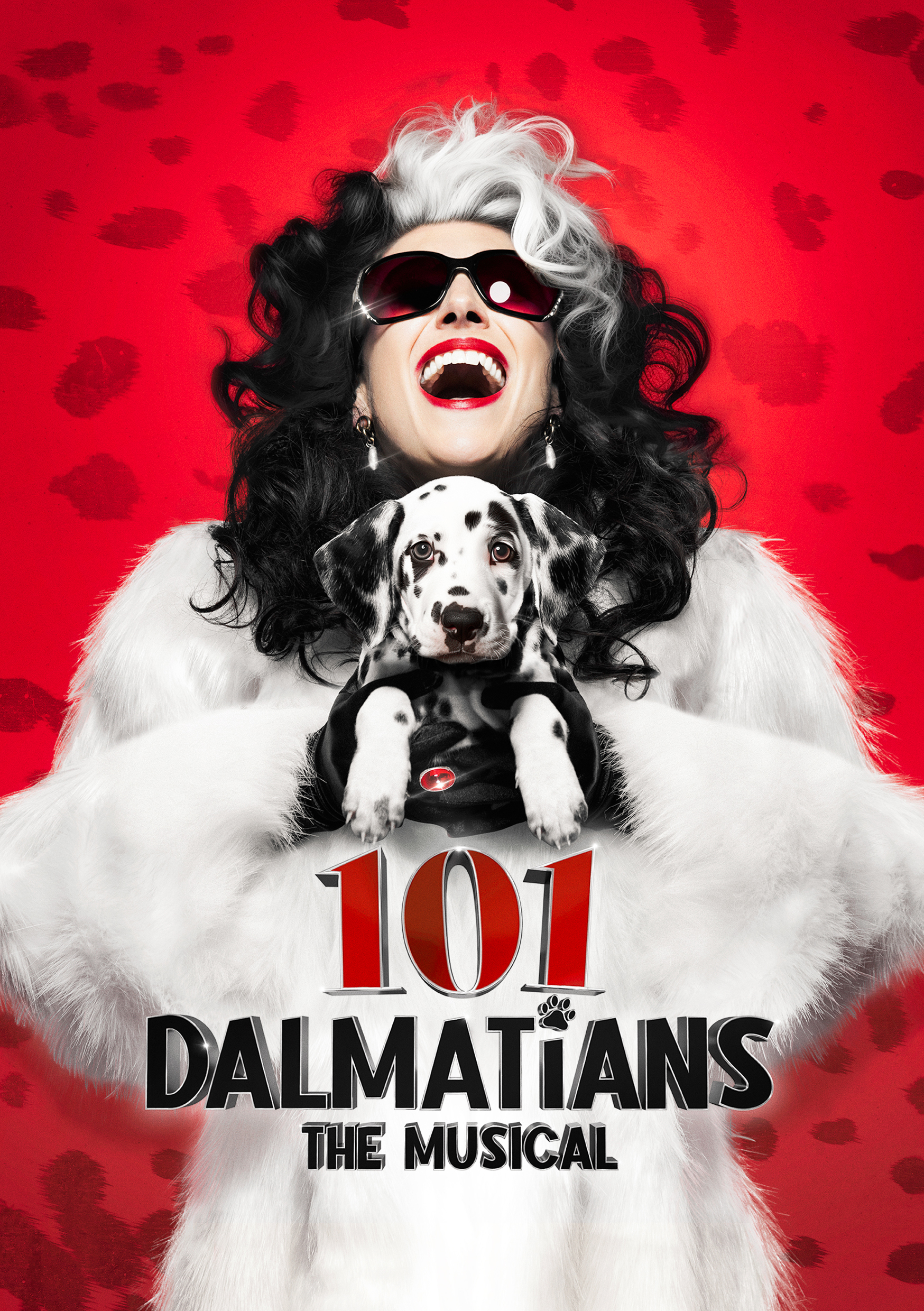
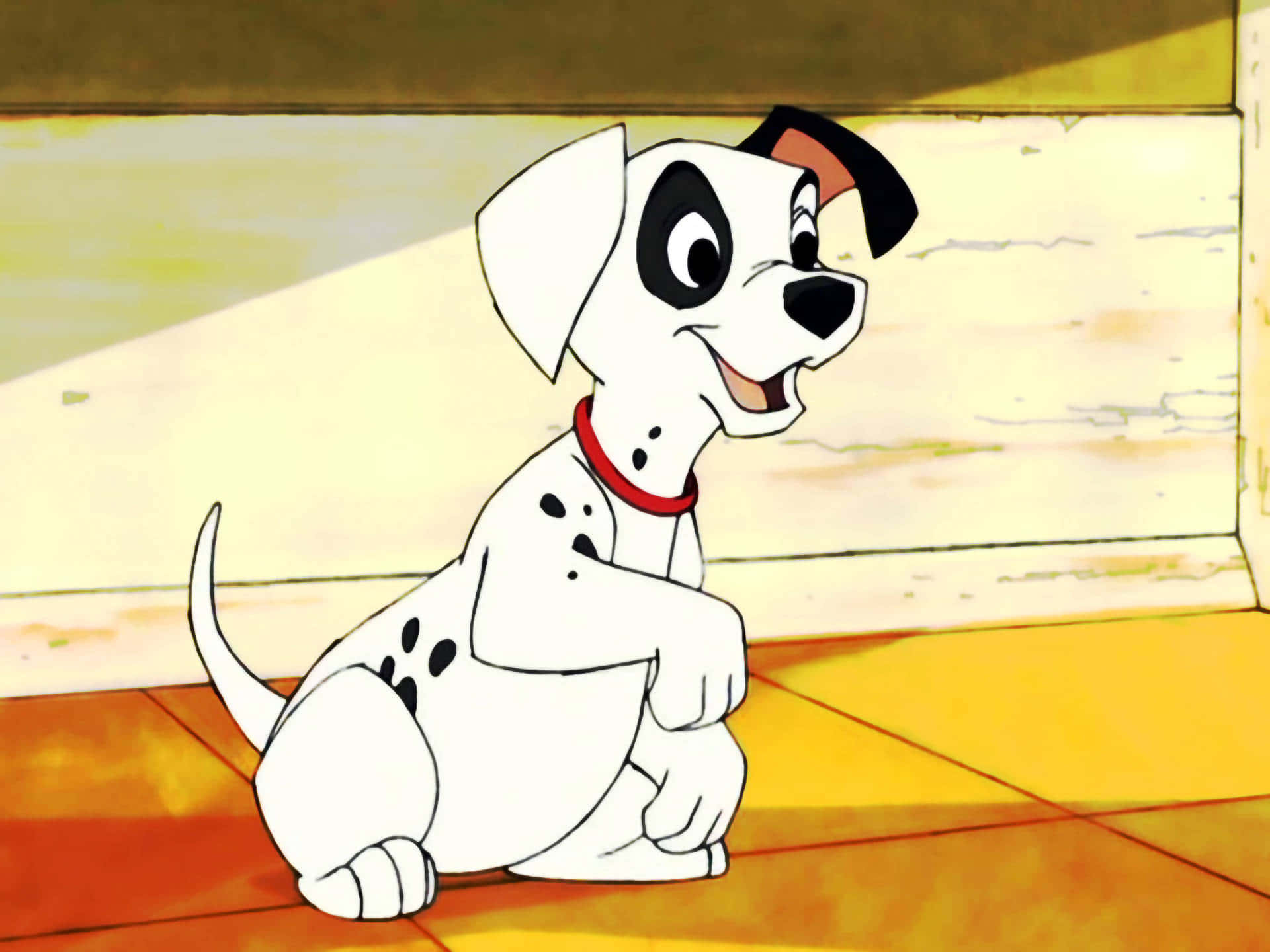
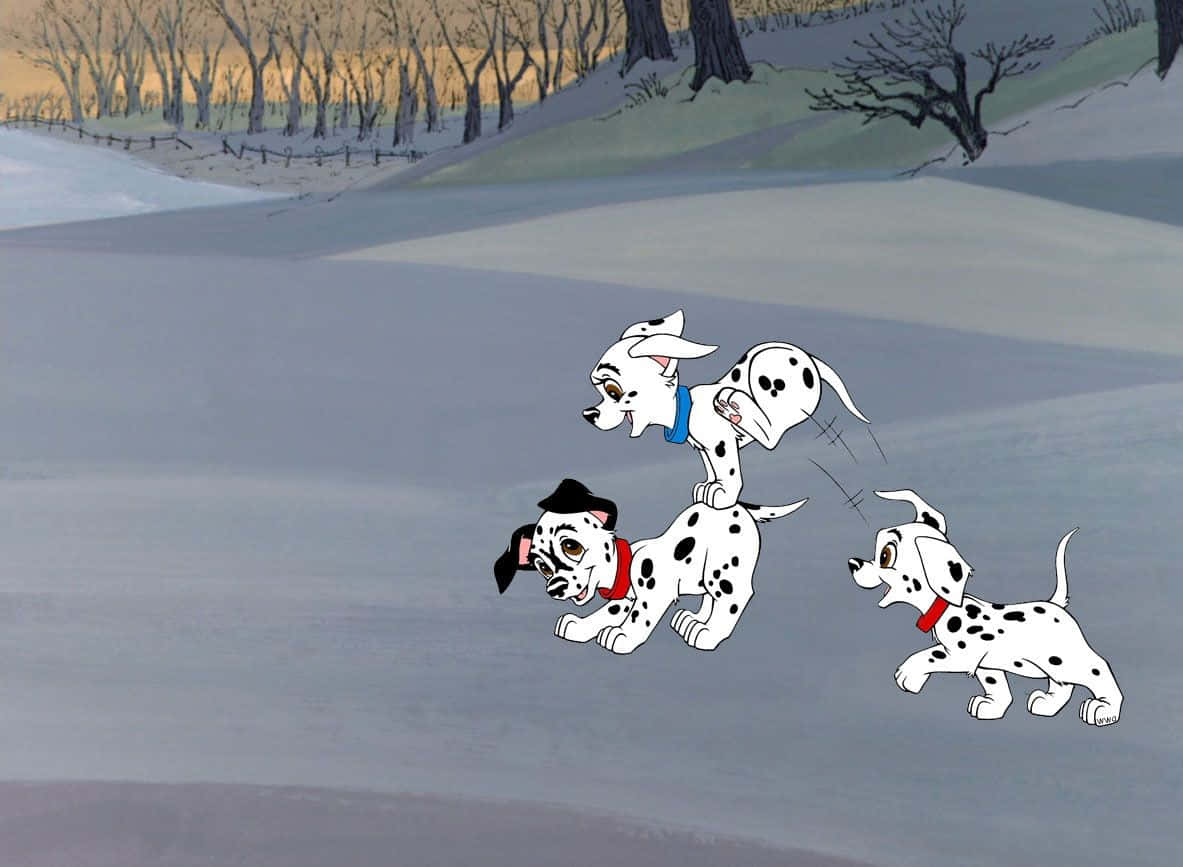
The 1996 live-action 101 Dalmatians remake, produced by Walt Disney Pictures and directed by Stephen Herek, reimagined the beloved 1961 animated classic by replacing traditional hand-drawn cells with real animals, cutting-edge animatronics, and a live-action cast led by Glenn Close as the iconic Cruella de Vil.
When discussing the 1996 101 Dalmatians remake, audiences and film historians frequently evaluate how it set a commercial template for Disney’s modern live-action adaptations. Rather than a shot-for-shot digital recreation, the film relied heavily on practical effects, animal trainers, and a distinct comedic tone that leaned into physical comedy and high-fashion satire. Understanding its production, box-office reception, and cultural legacy provides crucial context for how Hollywood adapts animated properties into live-action spectacles.
Background and Development of the 1996 Adaptation
Walt Disney Pictures spent decades exploring ways to translate its animated vault into live-action formats. By the mid-1990s, studio executives recognized that advances in animatronics and animal training could bring Dodie Smith's 1956 novel and Disney's 1961 animated adaptation to life simultaneously. John Hughes, famous for family-oriented blockbusters like Home Alone, took on the role of producer and writer, injecting the project with slapstick humor and contemporary suburban aesthetics.
Stephen Herek was chosen to direct based on his ability to handle ensemble casts and fast-paced family comedy. The production team faced unique logistical challenges. Unlike fully animated films, working with dozens of live puppies required meticulous planning, specialized animal handlers, climate-controlled environments, and strict adherence to American Humane Association guidelines. The integration of live puppies with adult dogs and human actors necessitated careful coordination between traditional cinematography and mechanical creature effects created by Jim Henson’s Creature Shop.
The Cast and Character Conception
The creative success of the 101 Dalmatians remake rests heavily on its casting, most notably Glenn Close as Cruella de Vil. Transitioning Cruella from a sharp-lined animated caricature to a living, breathing fashion executive required an extravagant wardrobe and an unhinged theatricality.
- Glenn Close as Cruella de Vil: Close brought a fierce, calculating, and physically demanding performance to the role, defining her aesthetic through towering black-and-white hair and haute couture costumes designed by Anthony Powell.
- Jeff Daniels as Roger Dearly: Unlike his animated counterpart who wrote jingles on a piano, Roger was reimagined as a video game designer, reflecting technological shifts in the mid-1990s workplace.
- Joely Richardson as Anita Dearly: Anita was transformed into a lead designer for House of De Vil, grounding the initial conflict between the couple and Cruella in a corporate fashion environment.
- Hugh Laurie and Mark Williams as Jasper and Horace: The two bumbling henchmen provided the film's primary physical comedy, enduring numerous slapstick injuries reminiscent of classic silent film gags.
Production Scale and Technical Execution
Bringing a horde of spotted puppies to the screen required an unprecedented level of logistical coordination. Over 200 real Dalmatian puppies and adult dogs were utilized during different stages of production. Because puppies grow rapidly, animal coordinators had to cycle new litters into the production schedule continuously while maintaining consistent visual traits across scenes.
Beyond live animals, the production utilized animatronic dogs for complex or potentially hazardous stunts, ensuring the safety of the animals without sacrificing visual continuity. Special effects supervisors blended these animatronics seamlessly with footage of real dogs through editing and optical compositing.
| Production Element | 1961 Animated Original | 1996 Live-Action Remake |
|---|---|---|
| Medium | Hand-drawn cel animation | Live-action, animal actors, and animatronics |
| Roger's Profession | Struggling songwriter | Video game designer |
| Primary Antagonist | Animated caricature with cigarette holder | Live-action fashion mogul with avant-garde couture |
| Setting | Stylized 1960s London | Contemporary 1990s London and countryside |
| Henchmen Style | Stylized cartoon incompetence | Physical slapstick and live-action stuntwork |
Box Office Reception and Commercial Impact
Upon its theatrical release in November 1996, the 101 Dalmatians remake proved to be a massive financial success for the Walt Disney Company. It capitalized on holiday box-office momentum, grossing over $320 million worldwide against a production budget estimated at roughly $75 million.
The film's financial triumph validated Disney’s evolving strategy of mining its animated catalog for live-action re-interpretations. While earlier live-action adaptations like The Jungle Book (1994) performed moderately well, 101 Dalmatians demonstrated that star-studded casts and high-concept marketing could turn nostalgic properties into global blockbusters. This success paved the way for subsequent adaptations in the following decades, altering the economic landscape of family entertainment.
Critical Analysis and Cultural Legacy
Critical reception of the film upon release was mixed to positive. Reviewers frequently praised Glenn Close’s flamboyant performance and the adorable appeal of the canine cast, while some critics argued that the human storyline felt secondary to the slapstick animal antics. Over time, however, the film has achieved a distinct nostalgic status among audiences who grew up in the 1990s.
The aesthetic of the film—particularly its vibrant juxtaposition of dreary London streets with Cruella’s high-contrast, black-and-white mansion—set a visual standard for subsequent villain-centric origin stories. This design philosophy directly influenced later Disney projects, including the 2021 prequel film Cruella, which explored the backstory of the fashion icon in greater detail.
Frequently Asked Questions
Are the puppies in the 1996 101 Dalmatians real?
Yes, the production utilized hundreds of real Dalmatian puppies and adult dogs alongside animatronic stand-ins for specific stunt sequences. Animal handlers and American Humane Association representatives monitored the set continuously to ensure the animals' health and safety.
Who designed Glenn Close's costumes in the film?
Costume designer Anthony Powell designed Cruella de Vil’s elaborate wardrobe, earning widespread acclaim for blending avant-garde fashion with animal-print motifs. The costumes contributed heavily to the character's status as a cinematic fashion icon.
How does the live-action remake differ from the 1961 animated film?
The most notable differences include updating the contemporary setting to the 1990s, changing Roger's profession from a songwriter to a video game designer, and giving Anita a direct professional relationship with Cruella de Vil as a fashion designer. Additionally, the animals do not speak aloud to one another in the live-action version as they do in the cartoon.
Did the 1996 remake receive a sequel?
Yes, a theatrical sequel titled 102 Dalmatians was released in 2000. It featured Glenn Close returning as Cruella de Vil alongside Gérard Depardieu and Ioan Gruffudd, focusing on Cruella's attempted return to her fur-collecting habits after a brief stint in psychological treatment.
Where can I watch the 1996 101 Dalmatians remake?
The film is available to stream on the Disney+ platform in most regions, as well as for digital rental or purchase through major video-on-demand services.
Next Actions and Viewing Recommendations
For viewers interested in exploring the full scope of this franchise, start by revisiting the 1961 animated original to observe how the visual style and narrative pacing were adapted for live-action. Following that, watching the 1996 remake provides a clear look at 1990s studio blockbuster craftsmanship. Finally, viewing the 2021 spin-off Cruella offers a fascinating comparative study on how Disney reinterpreted the same villainous intellectual property decades later.