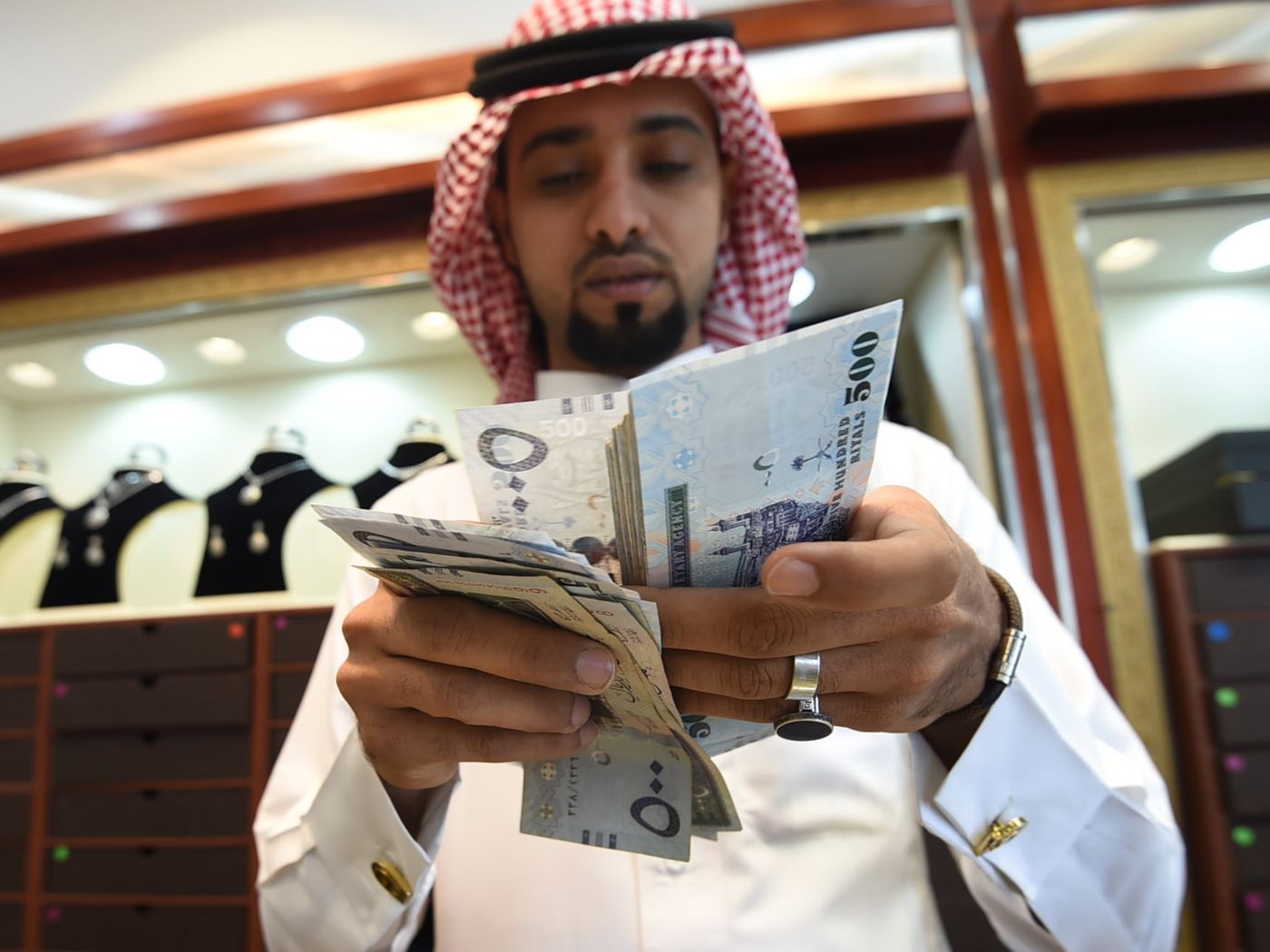
Converting 1 Saudi Riyal (SAR) to Pakistani Rupees (PKR) is a fundamental financial calculation for the millions of expatriates, business owners, and families who rely on the remittance corridor between Saudi Arabia and Pakistan. As of 2026, the value of the Saudi Riyal against the Pakistani Rupee is determined by dynamic global currency markets, internal economic policies, and the balance of payments between the two nations. Understanding how this exchange rate functions, where to find reliable data, and how to manage the associated costs is essential for anyone handling cross-border financial transfers.
Because currency markets operate continuously during trading hours, there is no "fixed" rate that persists throughout the day. Instead, the rate for 1 SAR to PKR is a floating figure that fluctuates based on geopolitical stability, central bank reserves, and the demand for foreign currency in Pakistan's interbank market.
The Mechanics of Currency Exchange Rates
To understand why your money changes value when moving from the Kingdom of Saudi Arabia to Pakistan, you must distinguish between the "mid-market" rate and the "retail" rate. The mid-market rate—often called the interbank rate—is the midpoint between the buy and sell prices of the two currencies. This is the rate you see on major financial news outlets or search engines; it is the "true" value of the currency at any given moment.
However, when you actually perform a conversion, you will rarely receive this exact rate. Banks, currency exchange houses, and money transfer operators (MTOs) apply a "spread" or a service fee. This spread is how these institutions generate revenue. For example, if the mid-market rate for 1 SAR is 74 PKR, a service provider might offer you 73.5 PKR, keeping the difference as a processing fee.
Factors Influencing the SAR/PKR Rate
Several macro-economic factors influence the conversion of Saudi Riyals into Pakistani Rupees:
- Central Bank Reserves: The State Bank of Pakistan (SBP) monitors and occasionally intervenes in the foreign exchange market to stabilize the Rupee. When reserves are low, the cost to convert foreign currency often increases, as the supply of SAR becomes more expensive to procure.
- Oil Prices: Because Saudi Arabia’s economy is heavily tied to oil exports, shifts in global energy markets can indirectly impact the strength of the Saudi Riyal.
- Remittance Flows: A significant portion of Pakistan’s foreign exchange inflow comes from overseas workers in the Gulf. High volumes of remittances usually support the stability of the Pakistani Rupee.
- Inflation Differentials: Higher inflation rates in Pakistan compared to Saudi Arabia generally lead to a depreciation of the Pakistani Rupee over time, necessitating more Rupees to purchase a single Riyal.
Methods for Executing the Conversion
Choosing how to convert your currency depends largely on the amount of money being transferred and the urgency of the transaction. The primary channels for converting Saudi Riyals to Pakistani Rupees include:
1. Dedicated Money Transfer Operators (MTOs)
Companies such as Western Union, MoneyGram, and digital-first platforms like Remitly or Wise are the most common methods for retail users. These services offer the benefit of speed and convenience, often allowing users to initiate transfers via mobile applications. The trade-off is often a less competitive exchange rate compared to bank-to-bank transfers, plus additional transaction fees.
2. Bank Wire Transfers
If you have a bank account in both Saudi Arabia and Pakistan, you can conduct a direct wire transfer. This is generally more secure for large sums of money. While the exchange rate might be more transparent, banks often charge high flat-fee commissions for international wire transfers.
3. Physical Currency Exchange
For travelers carrying cash, physical exchange houses (bureaus de change) are the standard route. These locations provide immediate cash conversion. It is vital to compare rates across multiple shops in a high-traffic area, as margins can vary significantly between competitors.
4. Roshan Digital Accounts (RDA)
For non-resident Pakistanis (NRPs), the Roshan Digital Account remains a primary financial vehicle. Developed to facilitate easier investment and remittance, these accounts allow for seamless conversion of SAR to PKR through official banking channels at competitive rates, often bypassing the traditional markup seen in third-party retail outlets.
Comparison of Conversion Channels
| Channel | Speed | Cost/Margin | Best For |
|---|---|---|---|
| Digital MTOs | Instant to 1 Day | Moderate to High | Small, frequent remittances |
| Bank Wire | 2–5 Business Days | Low (if bulk) | Large, infrequent transfers |
| Exchange Houses | Instant | Variable | Travelers and cash-based needs |
| Roshan Digital | Instant | Low | Long-term savings and investments |
Best Practices for Maximizing Your Conversion
When converting 1 SAR to PKR, you want to ensure that as much value as possible reaches the recipient. Follow these steps to optimize your transaction:
- Time Your Transfer: If the transaction is not urgent, monitor the exchange rate for a few days to identify a trend. While you cannot predict the market, you can avoid selling during a sharp, temporary dip.
- Avoid "Zero Commission" Traps: Many services advertise "Zero Commission" but recover that cost by offering a significantly poorer exchange rate. Always calculate the total amount the recipient will receive, not just the advertised fee.
- Verify Official Sources: Always cross-reference the rate provided by your service provider with the official State Bank of Pakistan daily exchange rate data.
- Security First: Only use authorized and regulated financial institutions. Avoid "Hawala" or informal money transfer networks, as these lack legal protection and can lead to the total loss of funds without recourse.
Troubleshooting Common Issues
What if the recipient did not receive the expected amount? The most common reason for a discrepancy is a hidden processing fee or a different exchange rate applied at the moment the funds were cleared by the intermediary bank. Always keep your transaction receipt or reference number; you will need this to contact the customer service department of your chosen provider.
Why does my bank rate differ from the online rate? Online rates usually reflect the mid-market rate. Banks apply a retail markup. Additionally, if you are transferring over the weekend, the bank may apply a "cushion" rate to account for market volatility while the official markets are closed.
How do I handle a failed transaction? If a transfer is initiated but not completed, the funds are usually returned to the sender’s account within 3 to 10 business days. Ensure that the recipient’s bank details (IBAN, Swift code) are accurate, as human error in data entry is the leading cause of failed remittances.
Frequently Asked Questions
Is the conversion rate for 1 SAR to PKR the same at every bank?
No. Each bank and exchange house sets its own retail rate based on its operational costs and the specific profit margin it targets for that day. It is common to see variations of several percentage points between different providers.
How can I get the best exchange rate for a large amount of money?
For large amounts, reach out to your bank's foreign exchange desk directly. Many banks offer negotiable rates for high-volume transactions that are not available to standard retail customers using mobile apps.
Are there legal limits on how much I can convert and send?
Yes. Pakistan and Saudi Arabia have anti-money laundering (AML) regulations. You may be required to provide proof of income or a source of funds documentation if you are transferring large sums of money. Always stay within the limits prescribed by the State Bank of Pakistan.
Does the time of day affect the exchange rate?
Yes. Rates are most volatile when major financial markets are opening or closing. Trading during the middle of the business day generally offers more stability than trading during off-peak or late-night hours when liquidity is lower.
What is the difference between a "buying" and "selling" rate?
When you see two rates, the "buy" rate is what the exchange house pays you for your Riyals, and the "sell" rate is what they charge you if you were buying Riyals from them. As someone sending money from Saudi Arabia to Pakistan, you are selling SAR, so you should focus on the "buy" rate offered by the institution.
Recommendation for Frequent Converters
If you regularly transfer money between Saudi Arabia and Pakistan, your best strategy is to open a dedicated account—such as a Roshan Digital Account—or to register with a reputable, licensed digital money transfer service that provides real-time rate tracking. By setting up alerts for specific exchange rate thresholds, you can execute your conversions at moments that maximize the value of your Saudi Riyals. Always prioritize the total net amount received by the beneficiary rather than focusing solely on the service fee, as the exchange rate margin is almost always the more significant cost factor in the transaction.