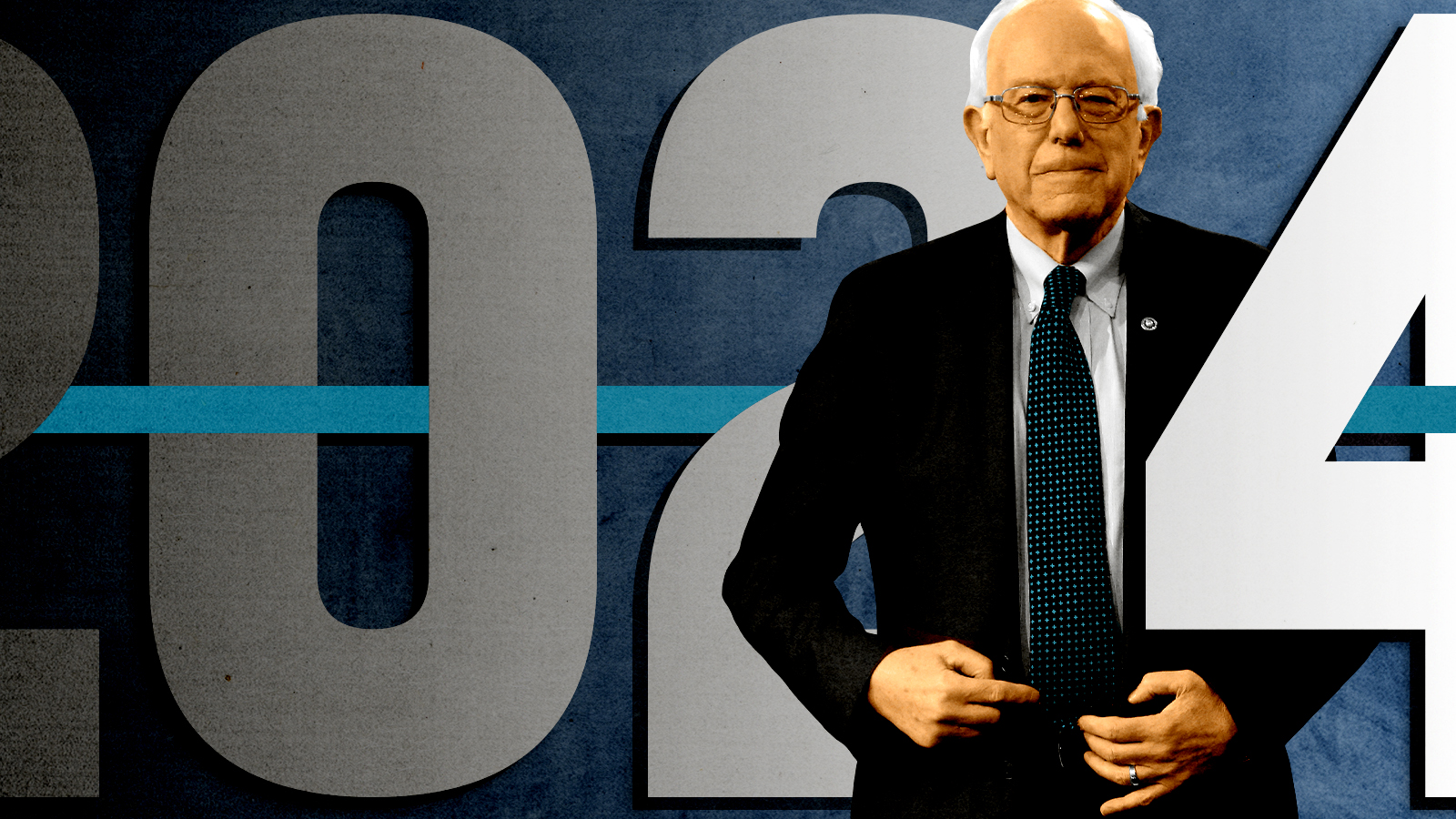
Senator Bernie Sanders did not run for president in the 2024 United States presidential election. Instead of mounting a third White House bid following his previous campaigns in 2016 and 2020, Sanders chose to endorse the Democratic nominee, Joe Biden, early in the cycle and later campaigned actively for the eventual Democratic ticket led by Vice President Kamala Harris, focusing his platform on economic justice, labor rights, and progressive policy implementation within the existing administration.
Understanding the political dynamics behind Bernie Sanders' decision not to run in 2024 requires a comprehensive look at the electoral landscape, historical context of his past campaigns, his strategic alignment with the broader progressive movement, and his legislative priorities in the United States Senate. While many supporters anticipated another grassroots mobilization, Sanders' trajectory shifted toward coalition building, institutional leverage, and supporting the Democratic Party apparatus to counter conservative opposition.
Historical Context of Bernie Sanders Presidential Campaigns
To understand why Bernie Sanders did not enter the 2024 race, it is essential to examine his previous presidential bids. As an independent senator who caucuses with the Democratic Party, Sanders revolutionized modern American politics by popularizing democratic socialist concepts on a national scale during his insurgent 2016 primary campaign against Hillary Clinton. His platform centered heavily on universal healthcare (Medicare for All), tuition-free public higher education, a $15 federal minimum wage, and aggressive campaign finance reform.
In 2020, Sanders launched a second presidential bid, entering a crowded primary field as an early frontrunner. He secured decisive victories in the early nominating contests, including New Hampshire and Nevada, before the moderate wing of the Democratic Party consolidated behind Joe Biden ahead of Super Tuesday. Following the suspension of his 2020 campaign, Sanders endorsed Biden and played a pivotal role in drafting the Biden-Sanders Unity Task Forces, which helped shape the most progressive official party platform in decades.
By the time the 2024 election cycle approached, several political, demographic, and strategic factors influenced Sanders' calculus regarding a potential third presidential run.
Strategic Factors Behind the 2024 Decision
The decision of whether to launch a presidential campaign involves complex calculations regarding electoral viability, fundraising, organizational infrastructure, and ideological strategy. For Sanders, several key elements dictated his path forward for the 2024 cycle:
- Incumbency Dynamics: President Joe Biden sought re-election as the incumbent Democratic leader. In modern American politics, major primary challenges against sitting presidents from within the same broad political coalition rarely succeed and often weaken the party's general election standing.
- Coalition Unity: Having worked closely with the Biden administration to pass major legislative packages like the Inflation Reduction Act and the Infrastructure Investment and Jobs Act, Sanders prioritized maintaining a unified front against the Republican nominee, Donald Trump.
- Generational and Institutional Shifts: Approaching his mid-eighties during the 2024 cycle, Sanders recognized that the future of the progressive movement required elevating younger leaders while he utilized his seniority and committee chairmanships in the Senate to advance policy goals directly.
- Focus on Legislative Power: As the Chair of the Senate Committee on Health, Education, Labor, and Pensions (HELP), Sanders wielded substantial institutional authority to hold hearings on corporate greed, healthcare costs, and pharmaceutical pricing, providing a direct platform for his populist agenda without the immense strain of a grueling national campaign.
Timeline of Sanders Political Alignment in 2024
The trajectory of Bernie Sanders' political involvement throughout the 2024 election cycle demonstrates a clear commitment to supporting the Democratic ticket rather than mounting a primary challenge.
| Date / Period | Political Milestone | Bernie Sanders' Role and Stance |
|---|---|---|
| April 2023 | Joe Biden Campaign Launch | Sanders officially endorses Joe Biden's re-election bid, stating the primary goal is defeating Donald Trump. |
| 2023–2024 | Senate HELP Committee Hearings | Uses committee chairmanship to investigate corporate malfeasance, healthcare access, and wealth inequality. |
| July 2024 | Democratic Ticket Transition | Following Biden's withdrawal, Sanders quickly aligns with Vice President Kamala Harris as the new Democratic nominee. |
| August 2024 | Democratic National Convention | Delivers a prime-time speech emphasizing the need to protect democracy, labor rights, and working-class families. |
| Fall 2024 | General Election Campaign Trail | Tours key battleground states, rallying young voters, union members, and progressives for the Harris-Walz ticket. |
Progressive Impact and Alternative Avenues of Influence
Even without a presidential campaign, Bernie Sanders remained one of the most influential figures in American politics throughout 2024. Rather than seeking executive office, Sanders utilized alternative avenues of political influence to shape the national discourse.
Senate Leadership and Legislative Advocacy
As Chair of the Senate HELP Committee, Sanders transformed the committee room into a high-profile megaphone for working-class issues. He summoned CEOs of major corporations, pharmaceutical executives, and railroad operators to testify regarding consumer costs, labor conditions, and corporate responsibility. This legislative positioning allowed him to drive policy debates on healthcare, wealth tax proposals, and workers' rights without needing a campaign trail platform.
Grassroots Mobilization Through Political Organizations
Organizations closely aligned with Sanders' movement, such as Our Revolution and various labor-backed progressive groups, continued to mobilize volunteers and endorse progressive candidates in congressional and local races during the 2024 midterms and general election. Sanders himself campaigned extensively for progressive House and Senate candidates, ensuring that the legislative bench behind him continued to grow.
Shaping the Democratic Platform
Sanders' persistent advocacy helped cement key populist positions within the national Democratic mainstream. Issues that were once considered radical fringe concepts when he first introduced them in 2015—such as student loan forgiveness, the defense of labor unions, lowering prescription drug costs, and aggressive climate action—became central pillars of the 2024 Democratic platform.
Common Misconceptions Regarding the 2024 Race
Because of Sanders' prominent status and massive historical fundraising power, speculation often surrounded his potential intentions during the 2024 cycle. Several misunderstandings persisted among the public and media commentators:
- Misconception 1: Sanders mounted a secret primary campaign. Fact: Sanders never filed exploratory committees or campaign paperwork with the Federal Election Commission (FEC) for a 2024 presidential run. His focus remained entirely on his Senate seat and supporting the national Democratic ticket.
- Misconception 2: Sanders was forced out of the race by party leadership. Fact: Sanders chose independently not to run, concluding early on that challenging an incumbent president within his broader political coalition would be counterproductive to progressive goals.
- Misconception 3: Sanders retired from politics after 2020. Fact: Sanders won re-election to the U.S. Senate from Vermont in 2018 and remained an active, highly visible national legislator throughout the 2024 election cycle.
Frequently Asked Questions
Did Bernie Sanders run for president in 2024?
No, Bernie Sanders did not run for president in 2024. He chose not to mount a third presidential campaign, having previously run in 2016 and 2020, and instead supported the Democratic presidential ticket.
Why didn't Bernie Sanders run in 2024?
Sanders chose not to run primarily because an incumbent president from his broader political coalition (Joe Biden) was seeking re-election. Challenging an incumbent risked dividing the coalition, so Sanders opted instead to use his influence to support the Democratic nominee and advance progressive policies through his Senate leadership position.
Who did Bernie Sanders endorse in the 2024 election?
Sanders initially endorsed Joe Biden for re-election. Following Biden's decision to withdraw from the race, Sanders endorsed Vice President Kamala Harris and actively campaigned for the Harris-Walz ticket across critical battleground states.
What was Bernie Sanders' political role during the 2024 election?
During the 2024 election cycle, Sanders served as a U.S. Senator representing Vermont and as the Chair of the Senate Committee on Health, Education, Labor, and Pensions. He used this platform to advocate for working families, lower healthcare costs, and rally progressive voters for the general election.
Will Bernie Sanders run for president in future elections?
Given his age and his stated preference for elevating younger progressive leaders, another presidential run by Bernie Sanders is highly unlikely. His future political focus remains centered on his Senate career and the broader progressive movement.
Conclusion and Next Actions
Bernie Sanders did not run in 2024, marking a strategic pivot from executive presidential candidate to institutional legislative leader and coalition builder. For those tracking the evolution of modern American progressivism, studying Sanders' 2024 trajectory highlights how movement politics operates both inside and outside of presidential electoral bids. To learn more about current progressive legislative efforts, review official congressional records, track the initiatives of the Senate HELP Committee, or examine the policy platforms supported by modern labor and grassroots organizations.