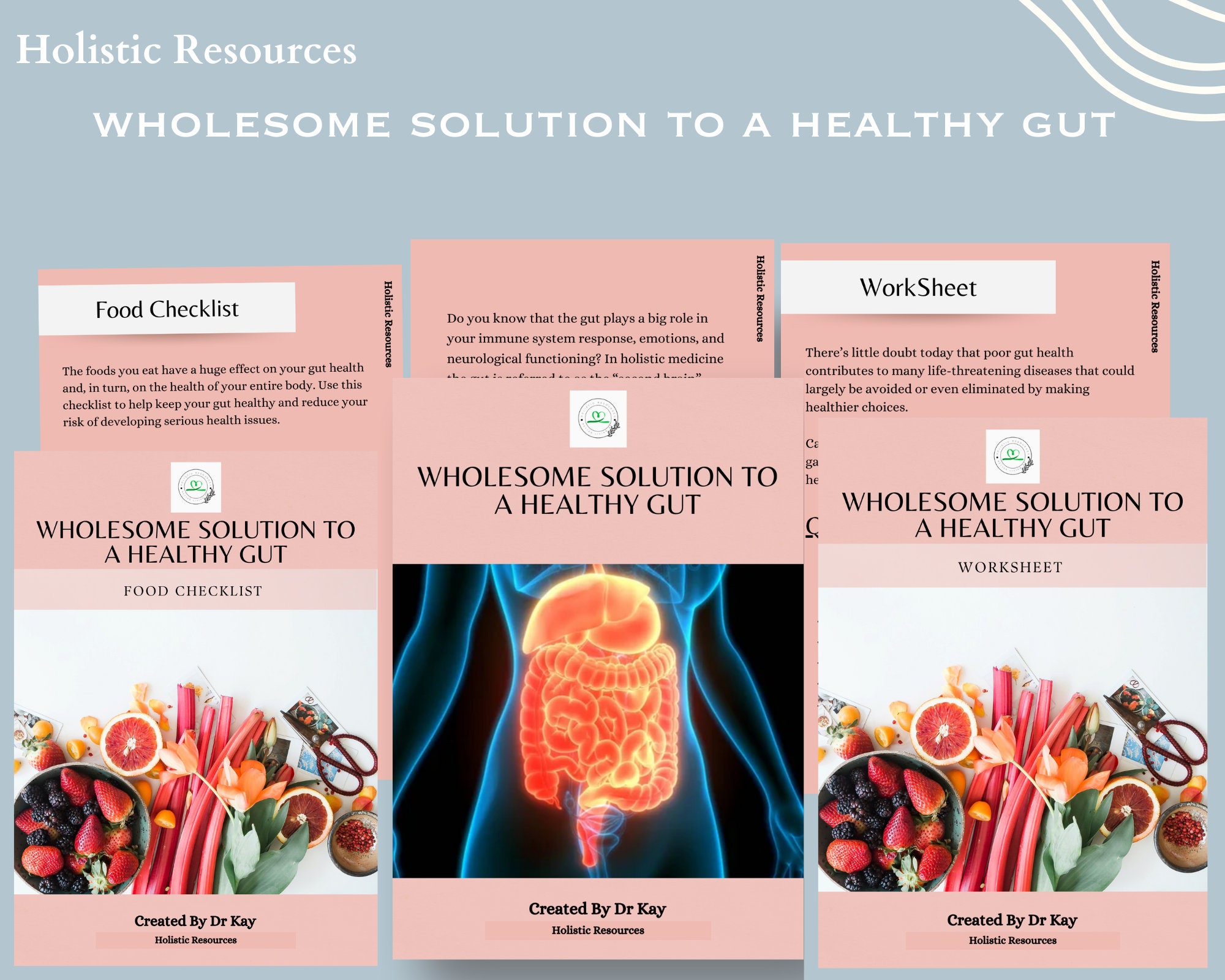
Achieving optimal gut health requires a consistent, multi-faceted approach centered on dietary diversity, stress regulation, and mindful lifestyle habits. By prioritizing high-fiber intake, fermented foods, adequate hydration, and restorative sleep, individuals can cultivate a balanced microbiome. This checklist provides a structured framework to help you monitor and improve your digestive function through actionable daily and weekly practices.
Understanding the Gut Microbiome
The human gut is home to a complex ecosystem known as the microbiome, which consists of trillions of bacteria, viruses, fungi, and other microbes. While the term "gut health" is often used broadly, it specifically refers to the balance and diversity of these microorganisms, the integrity of the intestinal lining, and the efficient movement of contents through the digestive tract.
In 2026, scientific consensus emphasizes that the microbiome is not static; it responds dynamically to the environment, diet, and physiological state of the host. When the microbial balance is optimal, the gut efficiently breaks down nutrients, supports the immune system, and contributes to the production of essential neurotransmitters. Conversely, dysbiosis—an imbalance in the microbial community—can lead to symptoms such as bloating, irregular bowel movements, and systemic inflammation.
Daily Nutritional Foundations
Nutrition remains the most significant lever for influencing the gut environment. Because different bacterial strains thrive on different types of fuel, dietary variety is the single most important factor for long-term health.
Prioritizing Fiber Diversity
Fiber acts as a prebiotic, serving as the primary fuel source for beneficial bacteria in the colon. The goal is to consume at least 25–30 grams of fiber daily from diverse sources:
- Soluble Fiber: Found in oats, beans, apples, and carrots, this type absorbs water to form a gel, which slows digestion and stabilizes blood sugar.
- Insoluble Fiber: Found in whole grains, cauliflower, and skins of fruits, this adds bulk to the stool and helps food pass through the stomach and intestines more quickly.
- Resistant Starch: Found in green bananas, cooked-and-cooled potatoes, and legumes, this fiber passes through the small intestine largely undigested, reaching the colon where it is fermented into short-chain fatty acids like butyrate, which protects the intestinal lining.
The Role of Fermented Foods
Fermented foods introduce live, active cultures into the gut. Including a small serving of these foods daily can increase the richness of your microbiome:
- Sauerkraut and Kimchi: Ensure these are unpasteurized, as heat treatment kills the live bacteria.
- Kefir and Greek Yogurt: Excellent sources of probiotics, provided they lack added sugars, which can encourage the growth of unfavorable yeast.
- Miso and Tempeh: Provide both beneficial microbes and plant-based protein.
Lifestyle Factors Beyond Diet
While food choices are critical, they do not function in a vacuum. The gut-brain axis, a bidirectional communication network between the central nervous system and the enteric nervous system, ensures that stress and sleep profoundly impact digestion.
Managing the Stress Response
High levels of cortisol, the body’s primary stress hormone, can alter gut permeability (often referred to as "leaky gut") and change the composition of gut bacteria. Practical stress management is therefore a medical necessity for digestive health:
- Vagus Nerve Stimulation: Techniques such as diaphragmatic breathing, cold exposure, or humming can stimulate the vagus nerve, which helps shift the body into a "rest and digest" state.
- Consistent Meal Times: Eating at irregular hours can disrupt the body’s internal circadian rhythms, which are also expressed by the gut lining and its resident microbes.
Movement and Hydration
Regular physical activity improves intestinal transit time, reducing the risk of constipation. Even low-intensity movement like walking after a meal assists in glucose regulation and digestive efficiency. Simultaneously, hydration is essential; fiber requires adequate water intake to perform its role in digestion. Aim to drink water throughout the day rather than in large, infrequent volumes, which can overwhelm digestive capacity.
Practical Gut Health Checklist
Use the following table to track your progress. This is designed for daily and weekly implementation to ensure you are covering the essential pillars of digestive maintenance.
| Category | Daily Action | Rationale |
|---|---|---|
| Fiber | Aim for 30+ plant-based grams | Feeds beneficial bacteria and adds bulk. |
| Hydration | 2–3 Liters of water | Essential for fiber movement through the colon. |
| Diversity | Include 3+ different plant colors | Supports a wider variety of microbial species. |
| Probiotics | 1 serving of fermented food | Introduces live, beneficial bacterial cultures. |
| Sleep | 7–9 hours of rest | Allows for enteric nervous system repair. |
| Movement | 20+ minute walk | Aids intestinal motility and transit time. |
Common Mistakes and Troubleshooting
Many individuals attempt to "fix" their gut health with expensive supplements or restrictive elimination diets without establishing a baseline. This can often be counterproductive.
The Over-Reliance on Supplements
Probiotic supplements can be helpful, but they are not a replacement for a diet rich in prebiotic fibers. A common mistake is choosing a high-CFU (colony-forming unit) supplement without verifying if the strain is appropriate for your specific symptoms. If you experience persistent gas or bloating after starting a new probiotic, it may be an indication that the strain is causing fermentation in the small intestine rather than the colon.
Unnecessary Elimination
Eliminating entire food groups—such as all gluten, dairy, or grains—without clinical justification can inadvertently reduce the diversity of the microbiome. If you suspect a food sensitivity, it is essential to keep a food and symptom diary for at least two weeks before deciding to remove a food group permanently. This helps distinguish between actual intolerance and occasional digestive discomfort caused by factors like eating too quickly or stress.
When to Seek Professional Guidance
While this checklist covers foundational wellness, persistent digestive symptoms should be addressed by a healthcare professional. You should consult a gastroenterologist or a registered dietitian if you experience any of the following:
- Unexplained weight loss.
- Blood in your stool.
- Chronic diarrhea or constipation lasting more than two weeks.
- Persistent abdominal pain that interferes with daily life.
- Symptoms that occur regardless of dietary changes.
These signs can indicate underlying conditions such as Celiac disease, Inflammatory Bowel Disease (IBD), or Small Intestinal Bacterial Overgrowth (SIBO), which require targeted clinical intervention rather than lifestyle adjustments alone.
Frequently Asked Questions
How long does it take to see improvements in gut health?
The gut microbiome is highly responsive. While some individuals notice changes in regularity within a few days of increasing fiber and hydration, significant changes in microbial diversity usually require four to six weeks of consistent dietary changes.
Can exercise cause digestive issues?
Yes, high-intensity exercise can sometimes cause "runner's trot" or digestive distress because blood flow is diverted from the gut to the working muscles. If you experience this, focus on hydrating well before your workout and avoiding high-fiber or high-fat meals in the two hours immediately preceding physical activity.
Does the timing of meals matter?
Yes, the gut has its own biological clock. Eating at consistent times supports the rhythmic release of digestive enzymes. Additionally, allowing for a 12-hour "fasting" window overnight (e.g., finishing dinner by 8:00 PM and starting breakfast at 8:00 AM) can facilitate the Migrating Motor Complex, a process that cleans the small intestine of undigested debris.
Are artificial sweeteners bad for the gut?
Current research indicates that some non-nutritive sweeteners, such as saccharin and sucralose, may alter the composition and function of the gut microbiome in some individuals. If you are experiencing unexplained bloating, it may be beneficial to reduce the intake of these additives to see if your symptoms improve.
Should I get a microbiome test?
Commercial microbiome tests provide a snapshot of the bacteria present in your stool. While interesting, the technology is currently limited in its ability to tell you exactly how to "fix" your health. Focus on symptoms and dietary patterns first; these are more reliable indicators of your digestive health than a single test result.
Next Steps for Your Digestive Journey
To begin your journey toward better gut health, select just two items from the checklist to implement this week. For example, commit to eating one fermented food daily and walking for 20 minutes after your evening meal. Consistency is more effective than drastic, short-term changes. By gradually layering these habits, you allow your microbiome the time it needs to adapt and flourish. If you maintain these practices for a month and see no improvement in your symptoms, schedule an appointment with your primary care provider to rule out underlying medical issues.