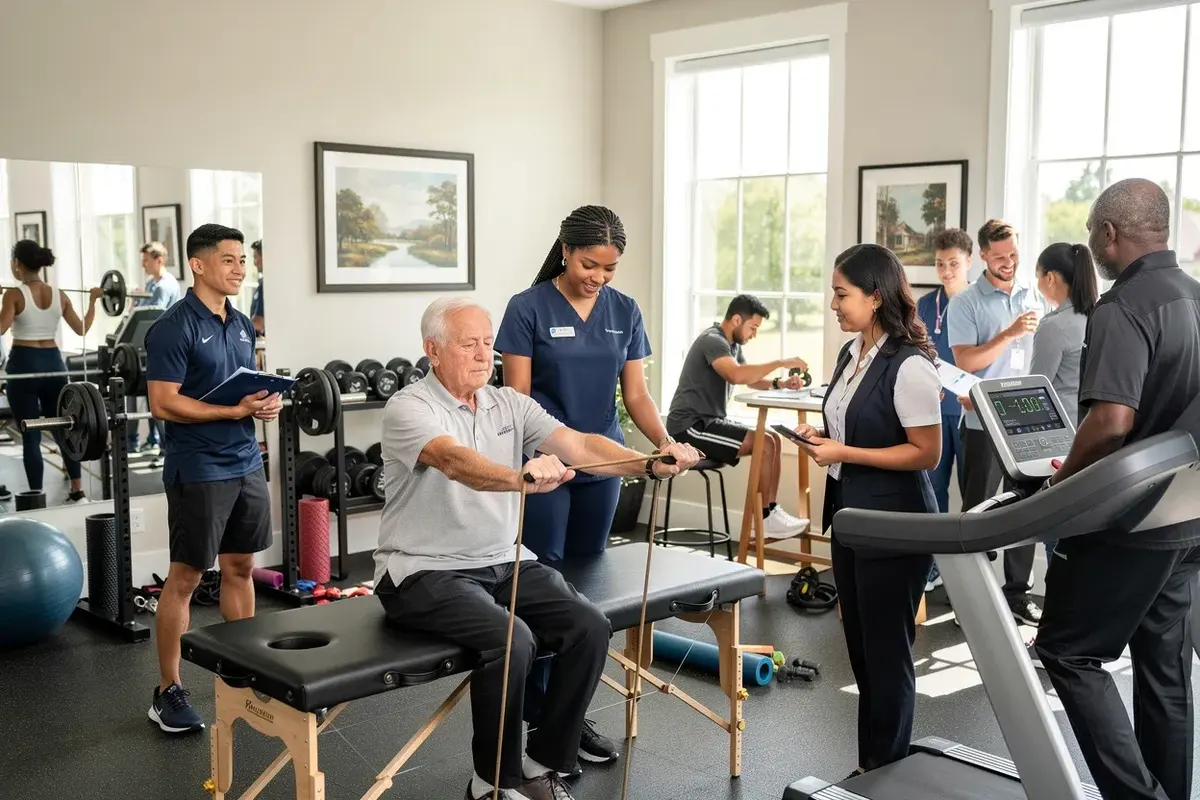
A bachelor’s degree in exercise science provides a scientific foundation in human movement, physiology, and biomechanics. It equips students to design fitness programs, conduct clinical assessments, and manage wellness initiatives. This degree often serves as a prerequisite for advanced clinical roles in physical therapy, occupational therapy, or specialized sports medicine.
Understanding Exercise Science in 2026
As of 2026, the field of exercise science has evolved from a traditional fitness-based curriculum into a high-tech, evidence-based discipline. While the core mission—improving human health and performance—remains the same, the methods and tools have expanded. Modern programs now integrate data analytics, wearable technology, and genomics into the study of how the human body responds to physical activity.
Exercise science is an interdisciplinary field. It draws from biology, chemistry, physics, and psychology to understand the acute and chronic effects of exercise. Students do not just learn how to "work out"; they study the molecular signaling pathways that lead to muscle hypertrophy, the fluid dynamics of blood flow during aerobic stress, and the psychological barriers to behavioral change. This technical depth is what distinguishes a degreed professional from a certified enthusiast.
Exercise Science vs. Kinesiology
One of the first points of disambiguation for prospective students is the difference between exercise science and kinesiology. In many institutions, these terms are used interchangeably, but there is a nuance in their application. Kinesiology is generally the broader umbrella term, encompassing the study of human movement across all contexts, including physical education, sociology of sport, and history.
Exercise science is a specific sub-discipline of kinesiology. It focuses more narrowly on the physiological and mechanical responses to exercise and physical activity. If you are interested in the clinical application of movement—such as cardiac rehabilitation or athletic performance—an exercise science degree is typically the more targeted path.
The Core Curriculum: What You Will Study
A bachelor’s degree in exercise science is a rigorous "hard science" program. While the first two years often focus on general education requirements, the junior and senior years dive deep into specialized coursework.
Anatomy and Functional Physiology
Students begin with a detailed study of the human body. Unlike a general biology course, exercise science programs emphasize functional anatomy. This involves learning how the skeletal and muscular systems work together to create leverage and movement. You will study origin and insertion points of muscles, joint mechanics, and the neural pathways that control motor units.
Exercise Physiology
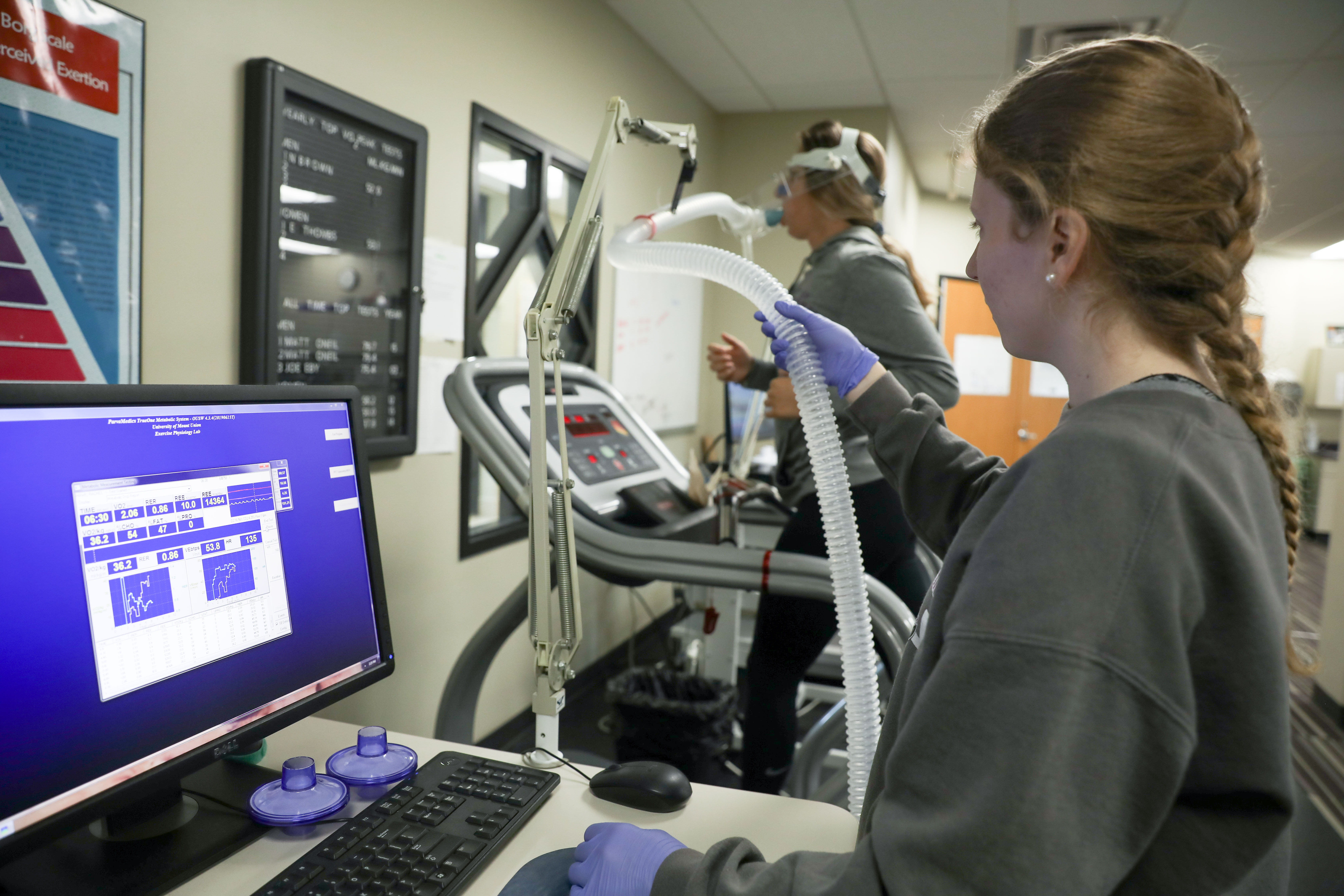
This is the cornerstone of the degree. Exercise physiology explores how the body’s systems—cardiovascular, respiratory, endocrine, and musculoskeletal—adapt to the stress of exercise. In 2026, this includes a heavy emphasis on metabolic health, examining how exercise mitigates insulin resistance and chronic inflammation. Students spend significant time in the lab measuring VO2 max, lactate thresholds, and metabolic rates.
Biomechanics
Biomechanics is essentially the physics of the human body. Students use mathematical models to analyze force, torque, and velocity. Understanding these principles is vital for injury prevention and performance optimization. For example, a biomechanical analysis of a runner’s gait can identify "leaks" in energy efficiency or structural imbalances that might lead to stress fractures.
Nutrition and Metabolism
You cannot out-train a poor diet, and the curriculum reflects this. Courses in nutrition cover macronutrient metabolism, micronutrient roles in cellular repair, and ergogenic aids. In 2026, there is an increased focus on nutrigenomics—how individual genetic variations influence the body's response to specific nutrients and exercise protocols.
Psychology of Exercise and Sport
Physical performance is as much mental as it is physiological. This coursework explores motivation, adherence to exercise programs, and the psychological impact of injury. It provides the "soft skills" necessary to coach clients through behavioral changes and overcome the mental plateaus that often accompany long-term training.
Admission Requirements and Prerequisites
Entering an exercise science program requires a strong foundation in high school sciences. Most accredited universities look for the following:
- GPA Standards: A minimum cumulative GPA of 2.5 to 3.0 is standard, though competitive programs may require 3.5 or higher.
- Science Background: Success in high school biology, chemistry, and physics is a strong indicator of success in this major. Many programs require a "C" or better in these subjects for admission.
- Mathematics: Since biomechanics involves significant calculation, proficiency in algebra and trigonometry is essential. Some pre-clinical tracks may require calculus.
- Observation Hours: While not always a requirement for the bachelor's degree itself, some prestigious programs encourage students to have logged hours shadowing professionals in the field (e.g., in a physical therapy clinic or a collegiate strength room).
The Importance of Program Accreditation
When selecting a program in 2026, accreditation is the most critical factor for career longevity and certification eligibility. The primary body responsible for this is the Commission on Accreditation of Allied Health Education Programs (CAAHEP), acting on the recommendation of the Committee on Accreditation for the Exercise Sciences (CoAES).
Graduating from an accredited program ensures that the curriculum meets the rigorous standards of the industry. Furthermore, many high-level certifications, such as the ACSM Clinical Exercise Physiologist (CEP), require candidates to have a degree from a CAAHEP-accredited institution.
Practical Experience: Internships and Lab Work
An exercise science degree is not earned solely in the classroom. Practical, hands-on experience is a mandatory component of any reputable program.
Laboratory Competencies
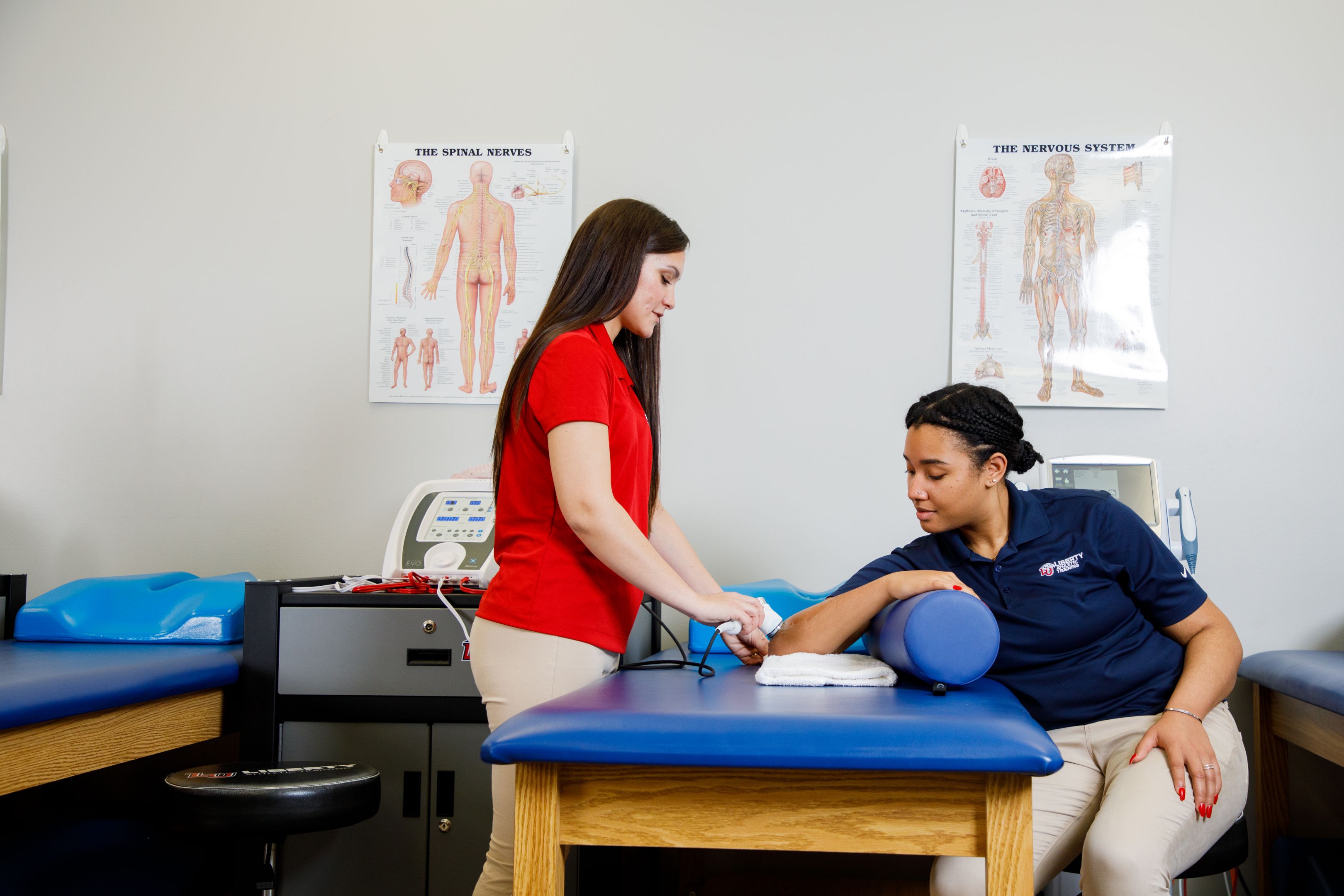
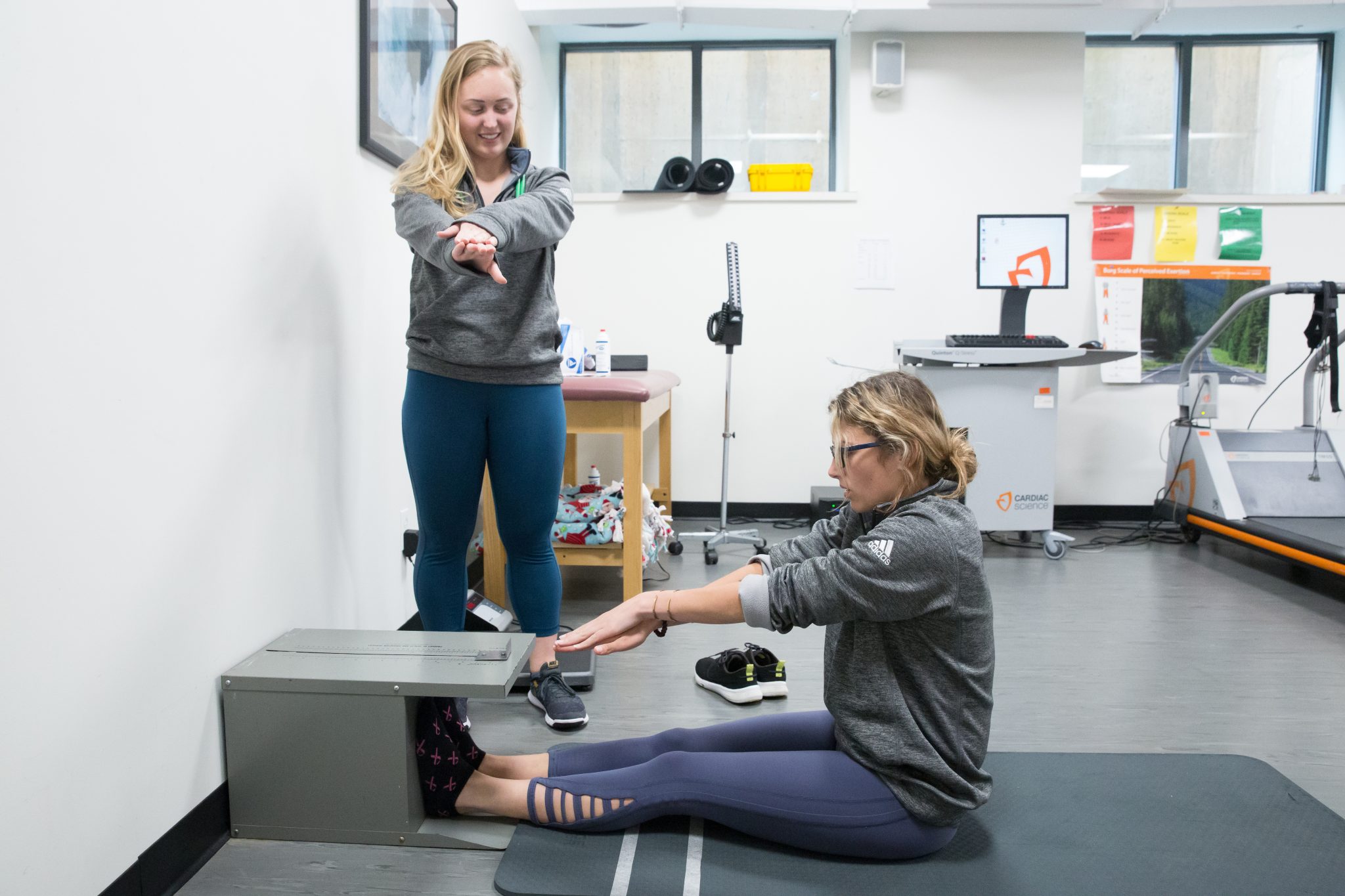
Students are expected to master various assessment tools. This includes using skinfold calipers and DEXA scans for body composition, metabolic carts for gas exchange analysis, and electromyography (EMG) to measure muscle activation. In 2026, students are also trained in the use of high-speed motion capture systems and wearable sensors that track heart rate variability (HRV) and recovery metrics.
The Senior Internship
Most programs culminate in a 300 to 600-hour internship. This is where students apply their knowledge in a real-world setting. Common internship sites include:
- Clinical Settings: Hospital-based cardiac or pulmonary rehabilitation centers.
- Athletic Performance: Collegiate or professional strength and conditioning departments.
- Corporate Wellness: Designing health programs for large tech or manufacturing firms.
- Community Health: Working with non-profits or public health agencies to promote physical activity.
Career Paths and Salary Outlook
A common misconception is that an exercise science degree only leads to a career as a "gym trainer." In reality, the degree opens doors to various sectors, particularly in healthcare and professional athletics.
| Career Path | Primary Role | Required Certification | Median Salary (2026 Est.) |
|---|---|---|---|
| Exercise Physiologist | Developing programs for patients with chronic diseases (heart disease, diabetes). | ACSM CEP | $64,500 |
| Strength & Conditioning Coach | Optimizing performance and reducing injury risk for athletes. | NSCA CSCS | $60,200 |
| Wellness Director | Managing health and fitness initiatives for corporations or municipalities. | NWI-CWC | $72,000 |
| Clinical Research Coordinator | Running human performance trials in academic or private labs. | ACRP-CP | $68,000 |
| Performance Data Analyst | Interpreting biometric data for professional sports teams. | Specialized Data Certs | $85,000 |
The "Pre-Professional" Track
A significant percentage of exercise science majors use the degree as a stepping stone to graduate school. It is one of the most common undergraduate majors for students pursuing:
- Doctor of Physical Therapy (DPT): Exercise science provides the prerequisite knowledge in movement and rehabilitation.
- Occupational Therapy (OT): Useful for understanding the physical mechanics of daily living tasks.
- Physician Assistant (PA): The strong science core meets most PA school requirements.
- Master of Science in Athletic Training (MSAT): Specialized for those wanting to work specifically on the sidelines of sporting events.
Key Professional Certifications
While the degree provides the knowledge, certifications provide the legal and professional "license" to practice in specific niches. As you approach graduation, you should target certifications from the leading organizations:
- American College of Sports Medicine (ACSM): Known as the "gold standard" for clinical paths. The Certified Exercise Physiologist (EP-C) is a common entry-level goal.
- National Strength and Conditioning Association (NSCA): The premier organization for performance-based roles. The Certified Strength and Conditioning Specialist (CSCS) is essential for working with athletes.
- National Academy of Sports Medicine (NASM): Often preferred in the commercial fitness and corrective exercise space.
For more information on these certifications, you can visit the ACSM official site or the NSCA official site.
Cost and Duration
A Bachelor of Science (B.S.) in Exercise Science typically takes four years of full-time study.
- Public Universities: In-state tuition generally ranges from $10,000 to $15,000 per year.
- Private Institutions: Tuition can range from $35,000 to $60,000 per year.
- Online Options: Many universities now offer hybrid or fully online exercise science degrees. While more flexible and often cheaper (averaging $8,000–$12,000 per year), students must ensure they have a local site to complete their lab and internship requirements.
Common Mistakes to Avoid
- Neglecting the "Hard" Sciences: Many students enter the major thinking it will be "Gym Class 2.0." When they encounter Organic Chemistry or Advanced Physics, they struggle. Take your early science prerequisites seriously.
- Waiting Until Senior Year for Experience: The job market is competitive. Those who start shadowing or working part-time in fitness settings during their freshman or sophomore years have a much higher placement rate upon graduation.
- Ignoring Research Opportunities: Even if you don't want to be a scientist, participating in faculty research can give you a deeper understanding of data—a skill that is highly valued in the 2026 job market.
- Skipping the CSCS Exam: If you have any interest in sports, take the CSCS exam immediately after (or during) your final semester. The pass rates are lower for those who wait.
Frequently Asked Questions
Can I go to med school with an exercise science degree?
Yes. Many exercise science programs offer a "pre-med" track that includes the additional physics and organic chemistry labs required for medical school admission. Medical school admissions boards often value the unique clinical and patient-interaction experience that exercise science students gain.
Is exercise science a "hard" major?
It is considered a moderately difficult major. While it may not have the abstract complexity of theoretical physics, it requires high competency in biological sciences, mathematics, and clinical application. The heavy lab load also makes it more time-consuming than many liberal arts degrees.
Are online exercise science degrees respected?
In 2026, an online degree from a regionally accredited and CAAHEP-accredited university is viewed equally to an on-campus degree. The "diploma" usually does not distinguish between the two. However, the quality of your internship will be the deciding factor for employers.
What is the difference between a BA and a BS in Exercise Science?
A Bachelor of Science (BS) focuses more on the clinical, physiological, and mathematical aspects of the field and is generally preferred for healthcare and research careers. A Bachelor of Arts (BA) may focus more on the administrative, sociological, or coaching aspects. Most professional certifications and graduate programs prefer a BS.
Is the job market for exercise science over-saturated?
While there are many graduates, the market for qualified, certified professionals is growing. The shift toward "Exercise is Medicine" initiatives in healthcare has created new roles for exercise physiologists in insurance companies, hospitals, and primary care clinics that did not exist a decade ago.
Practical Recommendation
If you are considering a bachelor's degree in exercise science, your first step should be to identify your ultimate career goal. If you want to work in a clinic or go to graduate school for Physical Therapy, prioritize programs with CAAHEP accreditation and a strong science core. If your goal is to work in elite sports, look for a program with a dedicated Human Performance Lab and established ties to athletic departments.
Before committing to a four-year program, spend 20 hours shadowing a professional in the niche that interests you. This will ensure that the reality of the daily work matches your expectations. Once enrolled, focus on mastering data literacy and biometric technology, as these will be the most sought-after skills in the health and fitness industry throughout the late 2020s.