The 2011 murder of Ashley Okland in West Des Moines remains a definitive turning point for real estate safety. Her death catalyzed a national shift from informal precautions to rigorous, tech-driven safety standards, including mandatory pre-screening, real-time GPS tracking, and institutionalized "buddy systems" designed to protect agents during vulnerable solo showings and open houses.
The 2011 Tragedy: Understanding the Ashley Okland Case
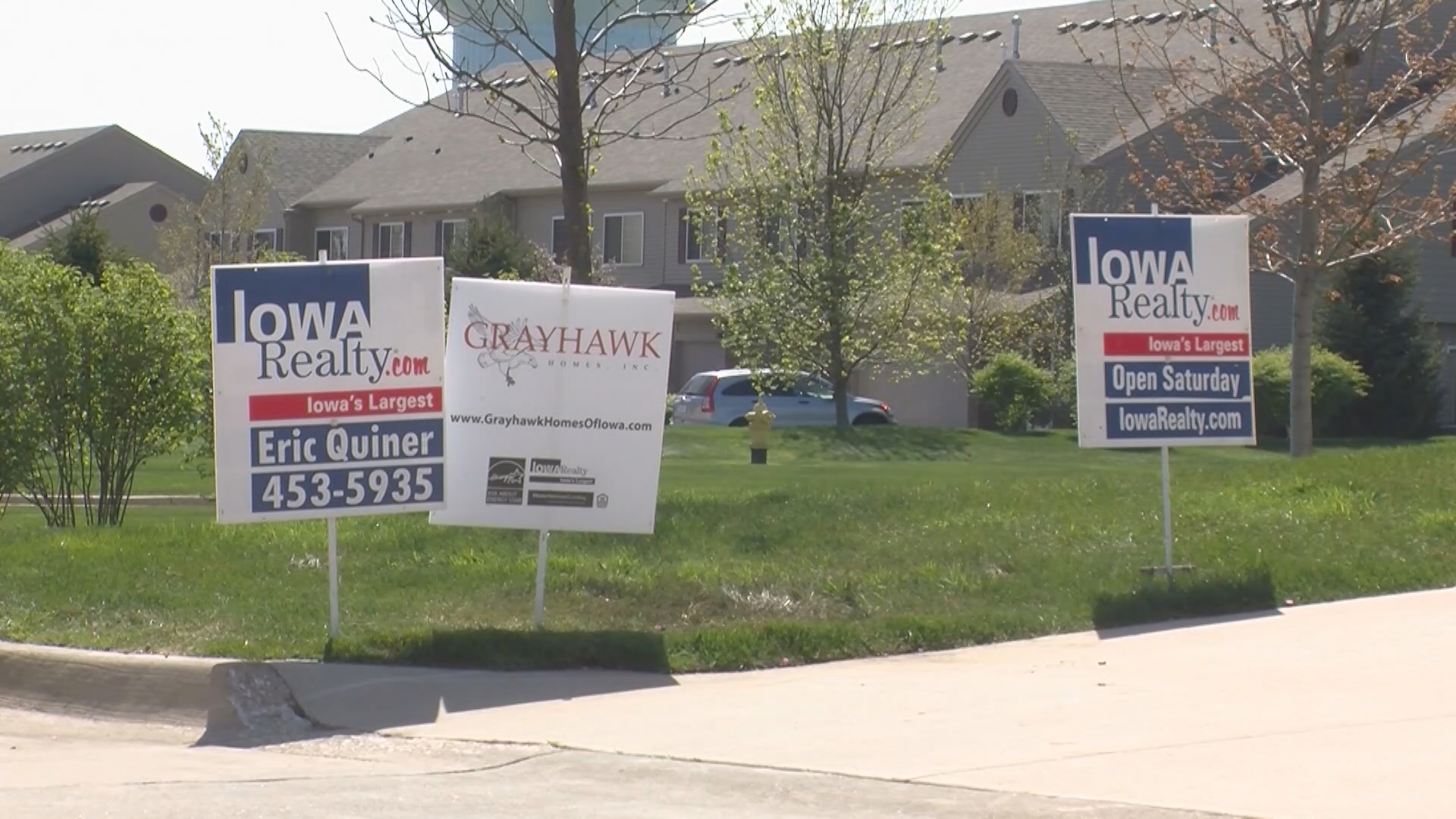
On April 8, 2011, Ashley Okland, a 27-year-old agent for Iowa Realty, was working inside a model home at the Stone Creek Villas in West Des Moines. In the middle of a routine workday, she was shot and killed. Despite a swift response from emergency services and a massive investigation by the West Des Moines Police Department, the case remains one of the most high-profile unsolved homicides in the region.
The circumstances of the crime—occurring in broad daylight within a quiet townhouse development—sent shockwaves through the industry. Unlike late-night incidents or crimes occurring in high-crime areas, Okland’s death proved that the inherent nature of real estate work involves risks that cannot be ignored. Real estate professionals are often required to meet strangers in empty properties, frequently in locations where they may be isolated from the public or colleagues.
As of 2026, the investigation into Okland’s death continues to be categorized as an active cold case. Law enforcement agencies have processed thousands of leads over the past 15 years, and the reward for information leading to an arrest has remained one of the highest in Iowa’s history. For the real estate community, the lack of closure has served as a permanent reminder that safety cannot be treated as an afterthought.
Immediate Industry Reaction and the Search for Justice
In the immediate aftermath of the tragedy, the real estate community transitioned from grief to advocacy. Iowa Realty and the National Association of Realtors (NAR) began re-evaluating the "open door" policy that had been the industry standard for decades. The realization was stark: the traditional model of welcoming any passerby into a home without prior identification was fundamentally unsafe.
The "Ashley Okland Star Charity" was established shortly after her death, focusing on building inclusive playgrounds. While the charity honored her life and love for children, the professional world honored her by overhauling operational procedures. The "Ashley Okland Safety Movement" became a grassroots effort among agents to share tips and demand better protection from their brokerages.
This tragedy, alongside the 2014 kidnapping and murder of Arkansas agent Beverly Carter, solidified a new reality for the industry. Agencies began to realize that safety training was not just a liability shield but a fundamental necessity for employee retention and ethical operations.
Essential Real Estate Safety Protocols Established Post-2011
The shift in safety protocols since 2011 has been both cultural and procedural. In 2026, many of the practices that were considered "optional" or "inconvenient" in the early 2010s are now mandatory for most major brokerages.
Verification and Pre-Screening Tools
The most significant change is the move toward mandatory client identification. In the past, agents often met clients at a property for the first time without any verification. Today, the "Office First" rule is a standard operating procedure. This requires agents to meet a new client at the brokerage office or a public space to photocopy a government-issued ID before showing any secluded properties.
The introduction of services like Forewarn has revolutionized this process. By entering a prospect’s phone number, agents can instantly access criminal records, financial histories, and property records. This allows for an informed "go/no-go" decision before an agent puts themselves in a vulnerable position.
The Shift in Model Home and Open House Safety
Model homes, like the one where Okland was killed, present unique challenges. They are often located in new developments where neighbors have not yet moved in, creating an environment of isolation. Modern safety standards now dictate that model homes should be staffed by at least two people, or equipped with advanced security systems including:
- Live Video Monitoring: High-definition cameras linked to a central office.
- Electronic Lockboxes: Tracking exactly who enters and leaves the premises with time-stamped digital logs.
- Visible Security Signage: Deterring potential offenders by making it clear the premises are monitored.
Technological Advancements in Agent Protection
By 2026, technology has integrated safety into the daily workflow of a Realtor. We have moved far beyond simple "check-in" phone calls.
Wearable Safety Devices: Discreet jewelry or key fobs equipped with Bluetooth panic buttons are now common. These devices, when pressed, can silently alert emergency services and the brokerage’s safety officer while providing precise GPS coordinates.
SentriLock and Smart Lockboxes: Modern lockbox technology, such as that provided by SentriLock, now includes "Agent Safety" features. When an agent opens a lockbox, the app can be configured to prompt for a "safety check" at predetermined intervals (e.g., every 15 minutes). If the agent fails to respond to the prompt, the system automatically sends an alert to emergency contacts.
Real-Time Tracking Apps: Apps like Life360 or dedicated real estate safety apps allow colleagues or family members to track an agent’s location during a showing. The "Safety Timer" feature is particularly effective; agents set a timer for the duration of the showing, and if they don't "end" the session, an alarm is triggered.
Comparative Safety Measures: A Before and After Analysis
The following table outlines the stark differences between the real estate landscape in 2011 and the modernized safety environment of 2026.
| Safety Category | 2011 Industry Norms | 2026 Modern Standards |
|---|---|---|
| Identity Verification | Informal; often none required for first-time meetings. | Mandatory ID capture and criminal background screening. |
| Showing Procedures | Solo showings were the standard. | "Buddy system" encouraged; GPS tracking mandatory. |
| Communication | Personal cell phone used with no formal check-in. | Integrated safety apps with automated distress signals. |
| Model Home Staffing | Frequently staffed by a single agent. | Dual-staffing or remote video monitoring required. |
| Marketing Privacy | Personal phone numbers/home details often public. | Use of office lines and masked digital communication. |
| Institutional Training | Occasional "safety month" flyers. | Mandatory annual safety certification for license renewal. |
Legislative and Association-Level Changes
The National Association of Realtors (NAR) has played a pivotal role in codifying safety. September is officially designated as Realtor Safety Month, but the curriculum is now a year-round focus. Many state licensing boards have added safety-specific hours to their Continuing Education (CE) requirements, ensuring that every licensed professional is trained in situational awareness and defensive strategies.
Furthermore, the "Ashley Okland Law" concepts have been discussed in various legislative sessions, pushing for stiffer penalties for crimes committed against real estate professionals while they are performing their duties. This acknowledges that real estate agents, much like process servers or healthcare workers, are "lone workers" who deserve specific legal protections.
The Beverly Carter Foundation, established after the 2014 tragedy, works in tandem with the legacy of Ashley Okland to provide brokerages with free safety resources. They focus on eliminating the "politeness trap"—the idea that agents should prioritize being "nice" to a prospect over their own intuition or safety protocols.
Psychological Impact and Training Refinement
One of the most profound changes since 2011 is the psychological shift in how agents view their work. There is an increased emphasis on "Trusting Your Gut." Modern training programs emphasize that if a situation feels wrong, the agent has the full support of their brokerage to leave immediately, regardless of the potential commission.
Situational Awareness Training: Agents are now taught specific tactical behaviors, such as:
- The "Ten-Second Rule": Taking ten seconds to scan the exterior of a property for suspicious vehicles or broken windows before entering.
- Leading from Behind: Never walking in front of a client into a room; instead, gesturing for the client to enter first while the agent remains near the exit.
- Parking for Exit: Always parking on the street rather than the driveway to prevent being blocked in by a prospect’s vehicle.
Practical Strategies for Modern Real Estate Professionals
For professionals operating in 2026, safety is a multi-layered approach. No single tool is a "silver bullet." Instead, a combination of behavioral changes and technology creates a safety net.
- Establish a "Distress Code": Have a predetermined phrase to use if you need to call the office under duress (e.g., "Could you check the 'Red Folder' for me?"). This alerts colleagues without alerting the perpetrator.
- Limit Personal Information: Avoid using photos on yard signs or websites that could be used for stalking. Keep personal social media accounts private and separate from professional profiles.
- Control the Environment: When showing a home, ensure all deadbolts are unlocked from the inside so you have multiple exit points. Keep your phone in your hand, not in your purse or pocket.
- Standardize the First Meeting: Use a "Prospect Identification Form" for every single new client. If a client refuses to provide ID or meet at the office, consider it a non-negotiable red flag and terminate the relationship.
Frequently Asked Questions
Has anyone been arrested for Ashley Okland’s death?
No. As of 2026, the case remains an active investigation by the West Des Moines Police. While there have been several persons of interest over the years, no one has been charged. The $150,000+ reward for information remains in place.
Why was Ashley Okland targeted?
The motive remains unknown. Investigators have explored various theories, including a random encounter, a targeted stalker, or a crime of opportunity due to the isolated nature of the model home. The lack of a clear motive is exactly why industry-wide safety changes have focused on universal precautions rather than specific threat profiles.
What is the Ashley Okland Star Charity?
It is a non-profit organization founded in her memory that raises funds to build "all-inclusive" playgrounds in Central Iowa. These parks are designed so that children of all physical and cognitive abilities can play together, reflecting Ashley's positive and inclusive spirit.
Are real estate agents allowed to carry protection?
Policies vary by state and brokerage. While many agents choose to carry pepper spray or conceal-carry weapons, NAR and safety experts emphasize that situational awareness and avoidance are far more effective than physical confrontation. Many brokerages have specific policies regarding the carry of weapons during office hours or showings.
What is the "Beverly Carter" safety standard?
It refers to the safety guidelines popularized by the Beverly Carter Foundation, which include never meeting a stranger alone at a property and using a "Safe Call" buddy system. It often overlaps with the lessons learned from the Okland case.
Recommendation for Next Actions
The most effective way to honor the memory of agents like Ashley Okland is to implement a "Safety First" culture within your own practice. If you are an agent, download a verified safety app such as Forewarn or SentriKey today and commit to the "Office First" meeting policy. If you are a brokerage owner, ensure that safety training is a mandatory part of your onboarding process and that no agent is ever penalized for prioritizing their personal security over a potential sale.
For more information on national safety standards and resources, visit the National Association of Realtors Safety Page or the Beverly Carter Foundation.