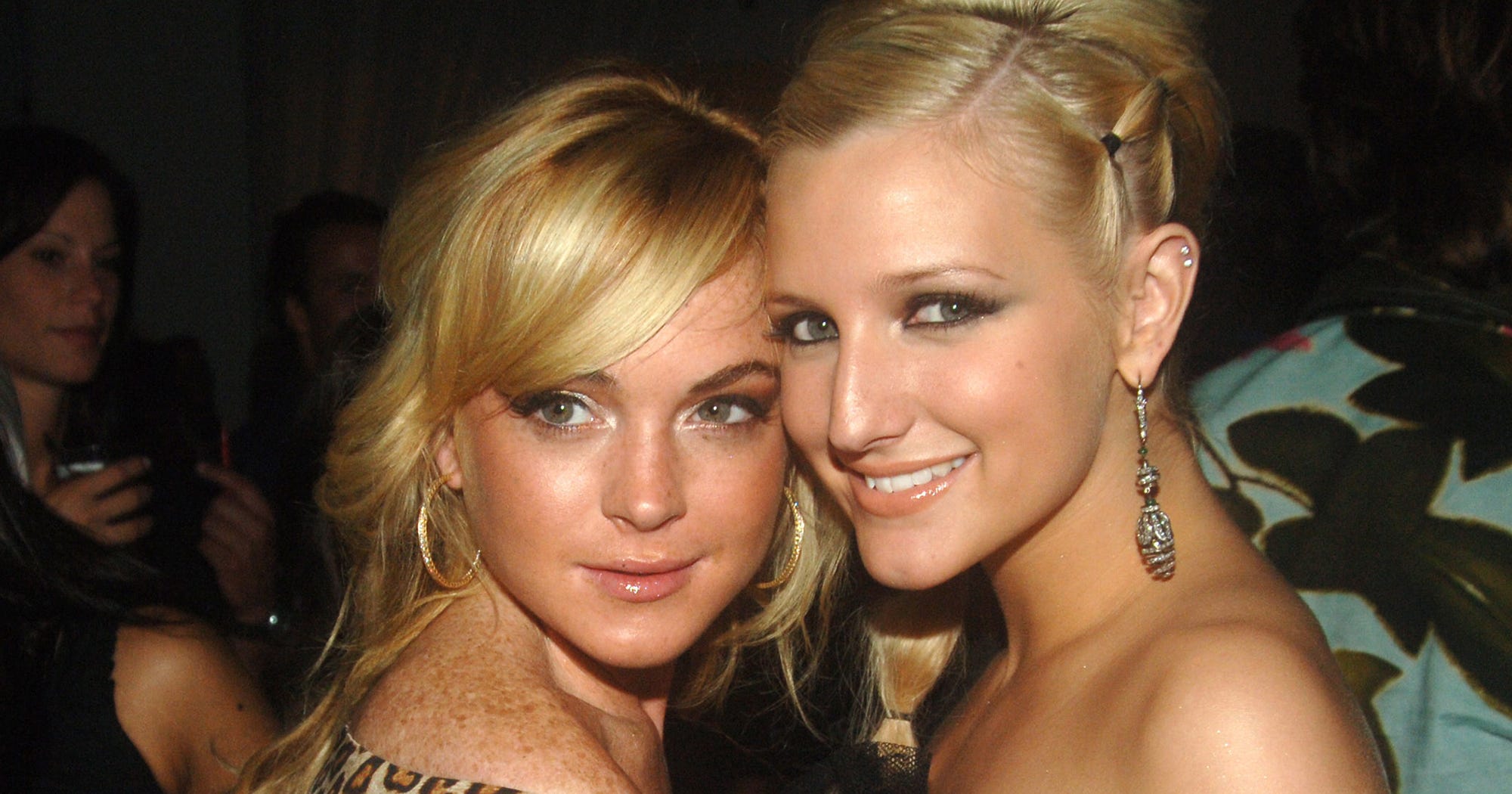
Ashlee Simpson’s 2004 pop-rock anthem "Boyfriend" is a punchy, high-energy track that became an instant lightning rod for tabloid speculation, driving intense curiosity about its real-life targets and lyrical meaning.
Released as the lead single from her second studio album, I Am Me, "Boyfriend" immediately captured public attention due to its aggressive guitar riffs, infectious hook, and a music video that heavily parodied contemporary celebrity gossip. Co-written by Simpson, John Shanks, and Kara DioGuardi, the song addresses tabloid culture, relationship poaching rumors, and defensive posturing head-on. To fully understand what the lyrics mean, it is necessary to examine the turbulent celebrity gossip ecosystem of the mid-2000s, the specific biographical context surrounding Simpson’s romantic life at the time, and the clever ways the track subverts public perception.
The Cultural Landscape of 2004: Tabloids and Pop Stardom
To understand the lyrics of "Boyfriend," one must first examine the environment in which it was created. In 2004, the celebrity gossip industry was entering a hyper-aggressive era driven by weekly magazines, early digital gossip blogs, and reality television. Ashlee Simpson occupied a unique space in this landscape. Having launched her music career in the wake of her older sister Jessica Simpson’s massive success, and starring in her own MTV reality show The Ashlee Simpson Show, her personal life was continuously scrutinized under an unforgiving public microscope.
Every interaction, outfit choice, and rumored relationship was parsed by gossip columnists. "Boyfriend" serves as Simpson's direct musical response to this relentless scrutiny. Rather than playing the victim of media fabrication, the song adopts a confrontational, defiant persona. It acknowledges the rumors circulating about her love life while simultaneously mocking the absurdity of the claims and the people who eagerly consumed them.
Lyrical Breakdown: Addressing the Rumors
The verses and chorus of "Boyfriend" are constructed around a central conceit: addressing accusations that Simpson stole someone else's partner while simultaneously asserting that the rumors are vastly exaggerated or entirely fabricated.
The Opening Hook and Initial Posturing
The song opens with an instantly recognizable, driving guitar riff that establishes a rebellious, rock-infused pop tone. Right from the start, the lyrics tackle the gossip head-on. Simpson sings about hearing stories regarding herself that she finds both amusing and exhausting.
Rather than issuing a somber, media-trained press release to deny allegations, she uses the medium of pop-rock to turn the rumor mill into a catchy refrain. The lyrics mock the breathless urgency of gossip mongers, highlighting how quickly public imagination turns minor social interactions into full-blown scandalous affairs.
"Didn't Steal Your Boyfriend"
The core thesis of the song is encapsulated in its defensive, tongue-in-cheek assertions regarding romantic territory. The lyrics play with the classic high-school trope of the jealous rival accusing another girl of stealing a partner.
"I didn't steal your boyfriend / You never had him to begin with."
This line serves as the emotional and thematic anchor of the track. It dismantles the narrative of female rivalry that tabloids frequently tried to construct around young female pop stars. By pointing out that the object of the supposed affection was never truly claimed or committed, Simpson flips the script on her accusers. The lyrics suggest that the people spreading rumors are projecting their own insecurities and manufacturing drama where none exists.
Embracing the "Bad Girl" Persona
Throughout I Am Me, Simpson sought to distance herself from the squeaky-clean pop mold and her reality television image, leaning instead into an edgy, misunderstood rock persona. The lyrics of "Boyfriend" lean heavily into this aesthetic.
By addressing the "bad girl" label directly, the song subverts expectations. Instead of denying that she is rebellious or disruptive, Simpson leans into the chaos, effectively telling the listener: If you want to paint me as the villain of this story, I might as well have fun with it. This self-aware approach is a defining characteristic of mid-2000s pop-rock, where artists like Avril Lavigne and Lindsay Lohan similarly navigated the fine line between personal authenticity and manufactured public personas.
| Lyrical Theme | Literal Interpretation | Cultural Subtext |
|---|---|---|
| The Gossip Mill | Addressing false stories spread in magazines and television. | Critique of the mid-2000s predatory celebrity media complex. |
| Romantic Rivalry | Denying accusations of taking someone else's partner. | Rejection of manufactured catfights between women in pop culture. |
| Defiant Attitude | Embracing a rebellious, unapologetic public image. | Strategic pivot from reality TV star to serious rock-pop artist. |
The Real-World Inspiration: Wilmer Valderrama and Lindsay Lohan
No analysis of "Boyfriend" is complete without looking at the real-world context that fueled its creation. At the time of writing and recording I Am Me, Simpson was in a high-profile relationship with actor Wilmer Valderrama. Concurrently, tabloid media heavily circulated rumors of tension between Simpson and actress Lindsay Lohan, who had also previously dated Valderrama.
The gossip columns were rife with stories of Hollywood party clashes, stolen glances, and bitter rivalry over romantic history. While Simpson and Valderrama's relationship was well-documented, the tabloid narrative attempted to frame Simpson as an interloper. "Boyfriend" functioned as Simpson’s artistic retaliation against these specific narratives. By channeling the friction into a chart-climbing single, she reclaimed the narrative control that gossip magazines tried to wrest away from her.
Despite the intense speculation, Simpson maintained in various interviews that the song was a broader commentary on how media perception distorts reality rather than a direct, petty attack on any single individual. However, the pop-culture machinery of 2004 was primed for drama, and fans and critics alike immediately mapped the lyrics onto the Simpson-Valderrama-Lohan triangle.
The Music Video: Deconstructing Celebrity Gossip
The visual companion to the track plays an essential role in understanding how the lyrics were meant to be interpreted. Directed by Marc Klasfeld, the music video for "Boyfriend" features Simpson gleefully crashing a posh, high-society dinner party and wreaking structural and social havoc.
In the video, Simpson smashes plates, swings from chandeliers, and disrupts the pristine, judgmental environment around her. This visual metaphor directly mirrors the lyrical themes: Simpson is walking right into the center of the gossip, embracing the chaotic persona that the media assigned to her, and blowing it up from the inside. The tongue-in-cheek humor of the video makes it clear that Simpson was in on the joke, using self-deprecation and high-energy performance to disarm her critics.
Musical Composition and Production Value
Beyond the lyrical content, the sonic architecture of "Boyfriend" contributes significantly to its meaning. Produced by John Shanks, the track blends aggressive pop-punk guitar work with a danceable rhythm section.
The juxtaposition of heavy guitars with catchy, radio-friendly pop hooks reflects the duality of the lyrics: it is both an aggressive pushback against unfair treatment and an undeniably fun, infectious pop song. This musical framing ensures that the track avoids sounding overly bitter or defensive. Instead of a moody, melancholic ballad, "Boyfriend" is a celebration of resilience and indifference to external judgment.
Legacy and Impact on Ashlee Simpson’s Career
Looking back from a modern perspective, "Boyfriend" stands as one of the defining pop-rock tracks of the mid-2000s. It proved that Simpson could successfully channel public controversy into commercial success. The single peaked at number 19 on the US Billboard Hot 100 and helped propel I Am Me to the top of the Billboard 200 album chart upon its release in October 2005.
The song also serves as a fascinating time capsule of an era when celebrity culture was shifting away from traditional publicity toward a more antagonistic relationship with the tabloid press. Long before social media allowed artists to bypass journalists and address rumors directly via X (formerly Twitter) or Instagram, pop stars had to encode their responses into liner notes, music videos, and hit singles.
Frequently Asked Questions
Was "Boyfriend" explicitly written about Lindsay Lohan?
Ashlee Simpson consistently maintained that the song was a general commentary on tabloid fabrication and the absurdity of media rumors rather than a targeted diss track directed at any specific individual, despite intense media speculation linking it to the historical romantic timeline involving Wilmer Valderrama.
How did "Boyfriend" perform on the charts?
The track was a commercial success, serving as the lead single from Simpson's second album, I Am Me. It reached the top 20 on the US Billboard Hot 100 and achieved strong airplay globally, helping establish her staying power following her debut album, Autobiography.
Who wrote the lyrics to "Boyfriend"?
The song was co-written by Ashlee Simpson, alongside veteran songwriter and producer John Shanks and prominent pop songwriter Kara DioGuardi, both of whom collaborated extensively on the I Am Me album project.
What genre is Ashlee Simpson's "Boyfriend"?
Musically, "Boyfriend" falls into the pop-rock and power-pop genres. It combines traditional rock instrumentation, such as distorted electric guitars and driving drum beats, with the catchy, structured hooks characteristic of mid-2000s commercial pop.
Conclusion and Next Actions
To fully appreciate "Boyfriend," listeners must view it not merely as a catchy 2004 pop tune, but as a calculated piece of media self-defense. By transforming tabloid gossip into an empowering, guitar-driven anthem, Ashlee Simpson successfully turned public scrutiny into commercial and artistic fuel.
For those revisiting the track today, the recommended next step is to watch the official music video alongside listening to the album I Am Me in its entirety. This provides a complete picture of how Simpson navigated her public identity, blending rock attitude with pop accessibility during the height of the 2000s celebrity gossip boom.