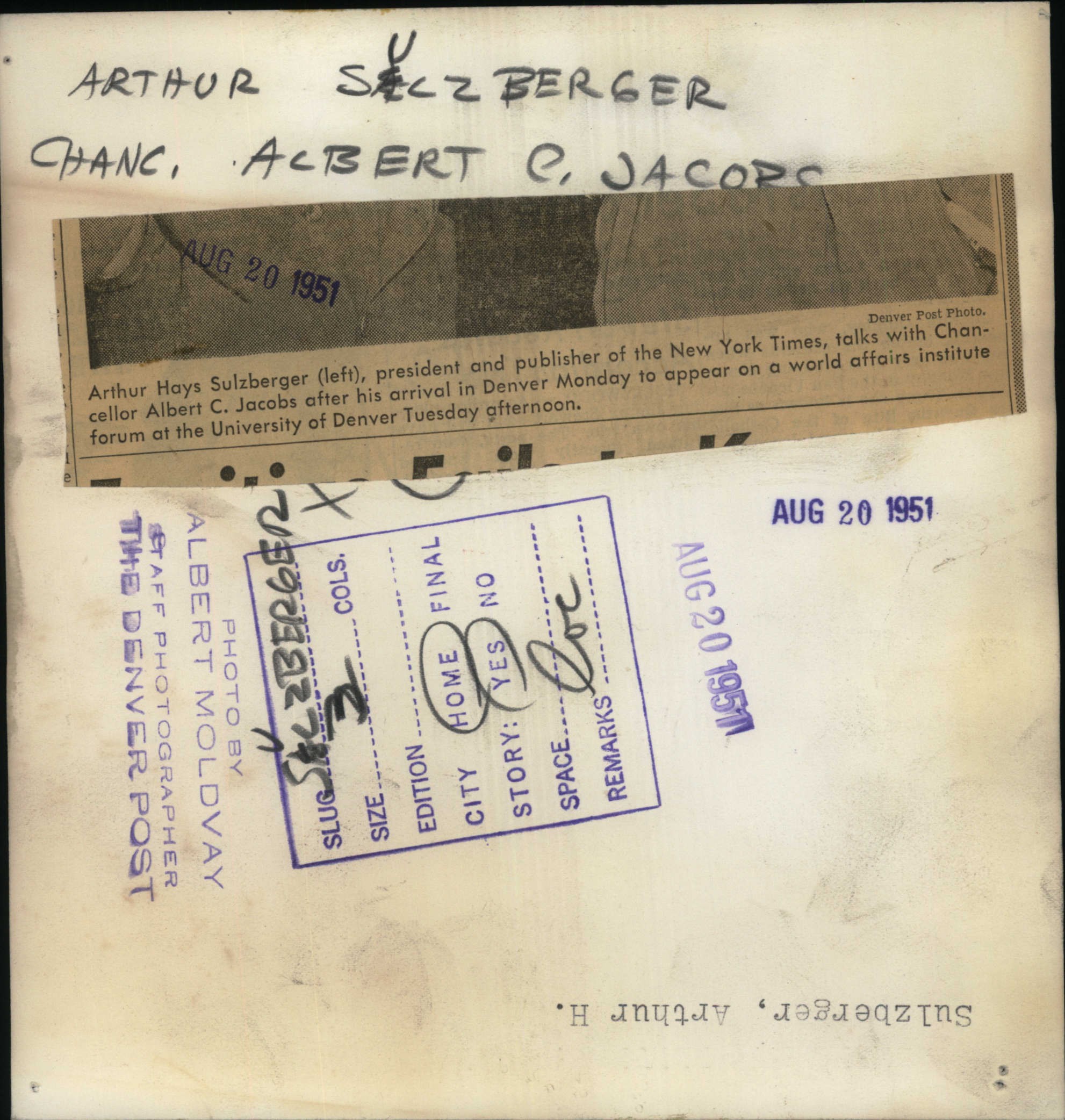
As of 2026, the collective wealth of the Ochs-Sulzberger family is estimated to exceed $2.5 billion, driven by the continued digital success of The New York Times Company. While the patriarch Arthur Ochs "Punch" Sulzberger passed away in 2012, his personal estate was valued in the hundreds of millions, and his son, Arthur Ochs Sulzberger Jr., maintains a personal net worth estimated between $20 million and $60 million, largely held in company stock and diversified assets.
Disambiguating the Arthur Ochs Sulzberger Legacy
When discussing the "Arthur Ochs Sulzberger net worth," it is essential to distinguish between the generations of a dynasty that has controlled the "Grey Lady"—The New York Times—for over 125 years. The name primarily refers to two pivotal figures:
- Arthur Ochs "Punch" Sulzberger (1926–2012): The former publisher and chairman who is credited with transforming the paper into a national powerhouse and a profitable corporate entity.
- Arthur Ochs Sulzberger Jr. (Born 1951): The son of "Punch," who served as publisher from 1992 to 2017 and chairman until 2020. He navigated the company through the existential crisis of the print-to-digital transition.
The financial profile of these individuals is inseparable from The New York Times Company (NYT). Unlike modern tech billionaires whose wealth is often held in highly liquid public shares, the Sulzberger wealth is concentrated in a specialized trust designed to ensure family control over editorial independence, rather than maximizing immediate personal liquidity.
The Ochs-Sulzberger Family Trust: The Engine of Wealth
The cornerstone of the Arthur Ochs Sulzberger net worth is the Ochs-Sulzberger Trust, established to keep the newspaper under family control in perpetuity. As of 2026, this structure remains the primary vehicle for the family's influence and financial security.
The Mechanics of Class B Shares
The family’s wealth is not just about the number of shares they own, but the type of shares. The New York Times Company has a dual-class share structure:
- Class A Shares: These are traded publicly on the NYSE. They provide the bulk of the equity value but limited voting power (they elect only about 30% of the board).
- Class B Shares: These are not traded publicly and are held almost entirely by the family trust. These shares elect 70% of the board of directors, effectively giving the Sulzbergers total control over the company’s direction.
Because Class B shares are not liquid, they are difficult to value by traditional market standards. However, their "control premium" is immense. In the event of a sale—which the family has historically resisted—these shares would command a significant premium over the market price of Class A shares.
Beneficiaries and Distribution
The trust has dozens of beneficiaries among the descendants of Adolph S. Ochs. This means that while the "family" is worth billions, the wealth is diluted across multiple branches. Arthur Ochs Sulzberger Jr. and his siblings are among the primary beneficiaries, but no single individual holds the entire multi-billion dollar fortune. This dilution is a deliberate strategy to prevent any one family member from being able to sell the company or force a liquidation of assets.
Arthur Ochs "Punch" Sulzberger’s Financial Impact
To understand the net worth in 2026, one must look at the foundation laid by "Punch" Sulzberger. When he took over in 1963, the company was financially precarious. By the time he stepped down as chairman in 1997, he had turned it into a diversified media conglomerate.
During his tenure, the company acquired various newspapers, television stations, and magazines. He also took the company public in 1969. This move created the initial massive influx of capital that built the family’s modern estate. At the time of his death in 2012, his estate included significant holdings in NYT stock, a sprawling home in Southampton, and a valuable collection of art and historical memorabilia. His estate taxes and charitable bequests were handled through a sophisticated legacy plan that ensured his heirs remained significantly capitalized.
Arthur Ochs Sulzberger Jr.: Personal Wealth and Career
Arthur Ochs Sulzberger Jr. followed in his father's footsteps, but his financial era was defined by the "Digital First" strategy. In 2026, his personal net worth reflects years of executive compensation and the appreciation of his personal shareholdings.
Executive Compensation and Salary
During his years as Chairman and Publisher, Arthur Jr. received an annual salary and bonus package that typically ranged from $2 million to $6 million, depending on company performance. This compensation included:
- Base Salary: Consistent with top-tier media executives.
- Stock Options: Grants of Class A shares that vested over time.
- Performance Bonuses: Tied to digital subscription growth and EBITDA targets.
Personal Portfolio
Beyond his ties to the NYT, Arthur Jr. has maintained a private profile regarding his investments. His real estate holdings have historically included high-value properties in Upper Manhattan. As of 2026, like many high-net-worth individuals of his stature, his portfolio is managed by private wealth offices that diversify into low-volatility bonds, private equity, and index funds to balance the concentrated risk of his NYT holdings.
The Digital Transformation and 2026 Valuations
The primary reason the Sulzberger family wealth has seen a resurgence in the mid-2020s is the success of the NYT’s digital subscription model. By 2024, the company had already surpassed 10 million subscribers, and by 2026, that number has climbed closer to 15 million, fueled by the integration of The Athletic, NYT Cooking, and NYT Games (Wordle).
| Metric | 2012 (At "Punch" Death) | 2026 (Current Status) |
|---|---|---|
| NYT Stock Price (Approx.) | $8.00 - $10.00 | $55.00 - $65.00 |
| Total Subscribers | ~1.5 Million (Print+Early Digital) | ~15 Million (Digital-Heavy) |
| Company Market Cap | ~$1.2 Billion | ~$9.5 Billion |
| Family Control Mechanism | Ochs-Sulzberger Trust | Ochs-Sulzberger Trust |
| Primary Revenue Source | Print Advertising | Digital Subscriptions |
The increase in market capitalization from roughly $1 billion to nearly $10 billion over 14 years has exponentially increased the paper value of the family’s holdings. While they rarely sell their shares, the dividends paid out by the company provide a steady stream of income to the trust's beneficiaries.
Challenges and Risks to the Net Worth
While the 2026 outlook is positive, the Sulzberger net worth is not without risks. The family’s wealth is heavily "index-linked" to the health of the American media landscape.
- Concentration Risk: Because the vast majority of the family’s wealth is tied to a single company, any significant downturn in the media sector or a successful antitrust challenge to their bundle model could see their net worth plummet.
- Generational Transition: As the wealth moves to the fifth and sixth generations (represented by A.G. Sulzberger), the number of beneficiaries increases. This requires the trust to generate higher returns to maintain the same "lifestyle" wealth for all members.
- Market Volatility: The NYT stock is sensitive to economic cycles. In a recession, advertising revenue (though a smaller percentage of the pie than in 2012) still impacts the bottom line and, consequently, the dividend yields.
Comparing the Sulzberger Wealth to Other Media Magnates
It is important to put the Arthur Ochs Sulzberger net worth into context by comparing it with other media owners. The Sulzbergers are "rich," but they are not "Bezos or Murdoch rich."
- Jeff Bezos (Washington Post): Bezos’s wealth comes from Amazon, not the Post. He uses his hundreds of billions to fund the paper.
- The Murdoch Family (News Corp/Fox): Their wealth is estimated at over $17 billion. They operate on a much larger global scale with diversified television and film assets.
- The Sulzbergers: Their wealth is almost entirely "organic" to the New York Times. They are perhaps the last of the "pure" newspaper dynasties where the family fortune and the publication are one and the same.
Frequently Asked Questions
How much was Arthur Ochs "Punch" Sulzberger worth when he died?
While a specific probate figure was not publicly released for the entire estate, estimates suggested his personal holdings were worth between $200 million and $400 million in 2012 dollars. Much of this was in the form of NYT stock and interests in the family trust.
Who is the richest member of the Sulzberger family?
Wealth is generally distributed through the trust, but the individuals serving in active executive roles, such as Arthur Ochs Sulzberger Jr. and his son A.G. Sulzberger, typically have higher personal net worths due to their executive compensation packages and direct stock grants.
Does the family own The New York Times outright?
No. The New York Times Company is a publicly-traded company (NYSE: NYT). However, through the Class B voting shares held in the family trust, they maintain effective control over the board of directors and all major corporate decisions.
How does the family make money from the newspaper?
The family receives income primarily through three avenues: salaries for those employed by the company, dividends paid out to shareholders (both Class A and Class B), and the appreciation of the stock held within their private portfolios.
Has the family ever considered selling the New York Times?
The family has repeatedly stated, including as recently as 2025, that they have no intention of selling. The trust is specifically structured to make a sale extremely difficult, requiring a near-unanimous agreement among trustees who are legally bound to preserve the paper’s independence.
Practical Recommendation: Understanding Dynastic Wealth
For those analyzing the net worth of figures like Arthur Ochs Sulzberger, the key takeaway is the difference between liquid wealth and institutional wealth. If you are looking to build or study legacy wealth, the Sulzberger model of a "protective trust" and "dual-class shares" is the gold standard for maintaining control over a family business across centuries.
Investors interested in the Sulzberger fortune should monitor the New York Times Investor Relations portal and SEC Form 4 filings, which disclose when family members buy or sell shares. These documents provide the most accurate, fact-based window into the family's shifting financial position in 2026.