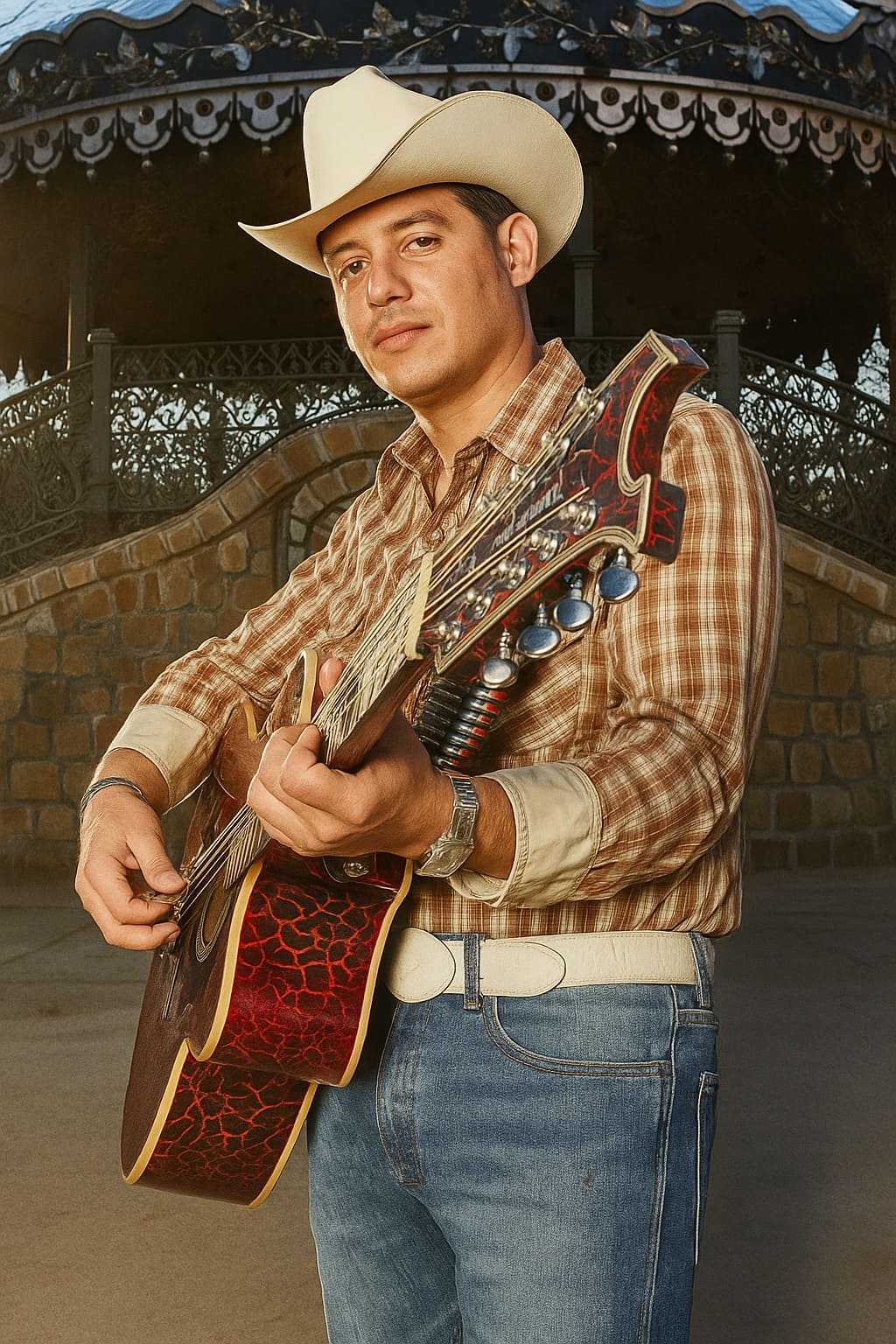
Ariel Camacho died on February 25, 2015, due to a high-speed car accident on the Angostura-Reforma highway in Sinaloa, Mexico. The official reason for his death was severe blunt force trauma, including a traumatic brain injury, sustained when his vehicle lost control, veered off the road, and crashed into a drainage canal.
The Life and Rising Career of Ariel Camacho
To understand the profound impact of Ariel Camacho’s passing, one must first recognize the meteoric rise of the young artist known as "La Tuyia." Born José Ariel Camacho Barraza on July 8, 1992, in Guamúchil, Sinaloa, he was a prodigy of the Regional Mexican genre. By the age of 22, he had already become the face of a musical movement that would redefine the "Sierreño" style for a new generation.
Early Beginnings in Guamúchil
Ariel’s journey began in the heart of Sinaloa, a region synonymous with diverse musical traditions. From a young age, he showed an extraordinary aptitude for the guitar, specifically the requinto (a lead guitar known for its higher pitch). His father, Benito Camacho, noticed his son's talent early on, though the family lived a modest life. Ariel’s nickname, "La Tuyia," was given to him by his grandfather, referring to a small bird, a fitting moniker for a young man who would eventually find his voice through melody.
His early performances were local, often in small gatherings or restaurants, but his technical proficiency on the strings set him apart. Unlike many of his peers who leaned toward the heavy brass sound of traditional Banda, Ariel favored the raw, acoustic energy of the Sierreño ensemble—typically consisting of two guitars and a tuba.
Defining the Sierreño Sound
Before Ariel Camacho, Sierreño music was often considered a rural, older genre. Ariel, alongside his band Los Plebes del Rancho, modernized the sound. He introduced a faster, more aggressive style of requinto playing that resonated with younger listeners. His lyrics often dealt with the realities of life in Sinaloa, ranging from romantic ballads to "corridos" that narrated the struggles and triumphs of everyday people.
His debut album, El Karma, released under Del Records, was a game-changer. The title track became an anthem, showcasing his unique vocal timbre—a mix of vulnerability and strength. By early 2015, Ariel Camacho was not just a singer; he was a cultural phenomenon on the cusp of international superstardom.
The Fatal Accident: February 25, 2015
The tragic event that claimed Ariel Camacho’s life occurred in the early morning hours following a performance. The details of that night have been scrutinized by fans and investigators alike for over a decade, painting a picture of a young star at the peak of his influence whose life was cut short by a split-second tragedy.
The Timeline of the Final Performance
On the night of February 24, 2015, Ariel Camacho was in Mocorito, Sinaloa, attending the local "Carnaval." While he was not the headline act on the official schedule, he made a guest appearance, performing for a crowd that greeted him with overwhelming enthusiasm. This would be his final time on stage.
After the festivities concluded, Ariel and four companions headed back toward Guamúchil. The group was traveling in a 2004 Chrysler 300, a vehicle known for its luxury but also its significant weight and power. The journey took them along the Angostura-Reforma highway, a stretch of road that, while paved, requires caution due to its occasional irregularities and proximity to agricultural drainage canals.
Technical Analysis of the Crash Site
The accident occurred at approximately 2:00 AM near the community of El Ranchito. According to the initial reports from the Sinaloa State Attorney General’s Office, the vehicle was traveling at a rate of speed far exceeding the legal limit for that specific stretch of highway.
Investigators found skid marks extending for approximately 80 meters (over 260 feet), indicating a desperate attempt by the driver to regain control of the vehicle. The car eventually left the pavement, flipped, and plunged into a deep drainage ditch (socavón). The impact was catastrophic. The structural integrity of the vehicle was compromised as it hit the embankments of the canal, leading to the immediate death of two passengers, including Ariel Camacho.
Official Investigation and Findings
The investigation into the "Ariel Camacho death reason" concluded that a combination of environmental factors and human error led to the tragedy. While rumors often swirl around the deaths of prominent figures in the Regional Mexican genre, the forensic evidence in this case pointed consistently toward a high-speed vehicular accident.
The Role of Excessive Speed
The primary finding by the Sinaloa transit authorities was excessive speed. It was estimated that the Chrysler 300 was traveling at speeds exceeding 100 kilometers per hour (approximately 62 mph) on a road where curves and local conditions demanded much lower speeds.
Speeding on rural Mexican highways is particularly dangerous due to the potential for livestock on the road, lack of adequate lighting, and the narrowness of the shoulders. In Ariel’s case, the loss of traction led to a "fishtail" effect that the driver could not correct, resulting in the vehicle launching off the road surface.
Vehicle Safety and Conditions
The 2004 Chrysler 300 involved in the crash was examined for mechanical failures. While no significant pre-existing mechanical defects were officially cited as the cause, the sheer force of the impact at high speed rendered the vehicle’s safety features—such as airbags and seatbelts—less effective in preventing fatal injuries.
Two other passengers survived the crash but sustained serious injuries, while a young woman, Melina Sarahí Durán Martínez, also lost her life at the scene. The survival of some occupants and the death of others often comes down to the specific angle of impact and the point of contact with the vehicle's frame. In Ariel's case, the trauma was localized to the head and chest, leading to near-instantaneous death.
| Key Fact | Detail |
|---|---|
| Date of Accident | February 25, 2015 |
| Location | Angostura-Reforma Highway, Sinaloa, Mexico |
| Vehicle Model | 2004 Chrysler 300 |
| Official Cause of Death | Traumatic Brain Injury / Blunt Force Trauma |
| Estimated Speed | Over 100 km/h |
| Number of Fatalities | 2 (Ariel Camacho and Melina Durán) |
The Aftermath and Impact on Regional Mexican Music
The news of Ariel Camacho’s death sent shockwaves through the music industry. In an era where social media was becoming the primary driver of news, images of the wreckage and tributes from fellow artists spread with unprecedented speed.
A Community in Mourning
The funeral of Ariel Camacho was held in his hometown of Alhuey, Angostura. Thousands of fans descended upon the small town, turning the mourning process into a massive public vigil. Fans brought guitars, sang his hits like "El Karma" and "Te Metiste," and showered his casket with flowers.
Prominent figures in the genre, including Gerardo Ortiz and Regulo Caro, expressed their grief publicly. Many artists noted that Ariel was the leader of a new generation that had brought a "freshness" back to Mexican music, moving away from the heavy synthesized sounds of the early 2010s back toward acoustic mastery.
Posthumous Recognition and Awards
In the years following 2015, Ariel Camacho’s influence only grew. His album El Karma reached number one on the Billboard Latin Albums chart posthumously. He received several nominations and awards, including wins at the Billboard Latin Music Awards, cementing his status as a legend of the genre.
His death also sparked a conversation about the safety of touring musicians in Mexico. The grueling schedules, late-night travel between remote towns, and the pressures of fame often put young artists in high-risk situations on the road.
The Continued Legacy of Los Plebes del Rancho
Following Ariel's death, the future of his band, Los Plebes del Rancho, was uncertain. However, with the blessing of Ariel’s father, the band decided to continue under the name Los Plebes del Rancho de Ariel Camacho.
- Preservation of Sound: The band committed to maintaining the Sierreño style that Ariel perfected, using the tuba and the high-energy requinto.
- New Members: José Manuel López initially took the lead, followed by other talented musicians like Johnny Cortés, who helped keep the repertoire alive.
- Cultural Iconography: As of 2026, Ariel Camacho remains a "cult hero" in the music world. His image is often found on murals, clothing, and even as the subject of several tribute songs by new artists entering the scene.
Ariel Camacho's death reason is a stark reminder of the fragility of life, even for those who seem invincible at the height of their success. His legacy is not defined by the accident that took him, but by the revolutionary sound he left behind—a sound that continues to inspire millions of "Plebes" across the globe.
Frequently Asked Questions
Was Ariel Camacho the driver during the accident?
Official reports from the investigation indicated that Ariel Camacho was not the driver of the vehicle at the precise moment of the crash. He was a passenger in the Chrysler 300. The investigation focused on the driver’s responsibility regarding the excessive speed that led to the loss of control on the Angostura-Reforma highway.
What happened to the other passengers in the car?
There were four people in the car besides Ariel. One other passenger, Melina Sarahí Durán Martínez, a 22-year-old woman, also died at the scene. Two other occupants survived the crash with varying degrees of injury and were treated at local hospitals in Sinaloa. The survivors provided key testimony during the initial stages of the accident investigation.
Did Ariel Camacho predict his death in his songs?
Many fans point to the lyrics of "El Karma" as being prophetic, given its themes of fate and the suddenness of death. However, these are common themes in the "corrido" genre. There is no factual evidence that Ariel had any premonition; rather, his music reflected the intense and often dangerous environment of the region he grew up in.
How old would Ariel Camacho be today in 2026?
Born in 1992, Ariel Camacho would have been 33 years old in 2026. His death at the age of 22 remains one of the most significant "what if" scenarios in Regional Mexican music, as many industry experts believe he was on the path to becoming a crossover global star.
Where is Ariel Camacho buried?
Ariel Camacho is buried in the cemetery of Alhuey, Angostura, in Sinaloa, Mexico. His grave has become a site of pilgrimage for fans from all over the world, who visit to leave flowers, play his music, and pay their respects to the "Rey del Requinto."
Practical Recommendation for Fans and Researchers
For those looking to honor Ariel Camacho's legacy or research his impact further, the best course of action is to support official releases and documentaries approved by the Camacho family. Listening to his discography via legitimate streaming platforms ensures that his estate and the continued efforts of Los Plebes del Rancho are supported. Additionally, visiting his hometown and the Alhuey cemetery should be done with the utmost respect for the local community and the family's privacy.