Ariana Grande was clinically diagnosed with Post-Traumatic Stress Disorder (PTSD) following the 2017 Manchester Arena bombing. She first publicly confirmed the diagnosis in 2018, later sharing brain scans in 2019 that illustrated the physical impact of trauma on her brain. Grande has since used her platform to normalize mental health treatment and advocate for therapy.
The Catalyst: The 2017 Manchester Arena Bombing
The primary event associated with Ariana Grande’s PTSD diagnosis occurred on May 22, 2017. Following her performance at the Manchester Arena in England, a suicide bomber detonated an explosive device in the foyer, resulting in 22 deaths and hundreds of injuries. While Grande was physically unharmed, the psychological toll of the event was immediate and profound.
In the immediate aftermath, Grande organized the "One Love Manchester" benefit concert just twoes weeks later, raising millions for the victims and their families. While this act was hailed as a symbol of resilience, Grande later admitted that the adrenaline of the moment masked the burgeoning symptoms of trauma. The gravity of the situation did not fully settle until she returned home and attempted to resume a sense of normalcy, only to find that her internal landscape had been fundamentally altered.
PTSD often involves a delayed onset or a period where the individual functions in "survival mode" before the full weight of the trauma manifests. For Grande, the symptoms began to surface more aggressively once the immediate crisis management concluded. She reported experiencing intense physical symptoms, including dizziness and a sense of detachment, which are common hallmarks of a nervous system stuck in a state of high alert.
The Public Reveal and British Vogue Interview
In June 2018, during a cover story for British Vogue, Grande officially spoke about her PTSD for the first time. She described the "tremendous" impact the bombing had on her mental health, noting that she felt a sense of guilt for even speaking about her own trauma when so many families had suffered permanent losses. This "survivor’s guilt" is a frequent complication in PTSD cases involving mass casualty events.
During the interview, Grande explained that she had always struggled with anxiety, but the post-traumatic symptoms were of a different magnitude. She experienced significant physical manifestations, including "permanent" dizziness and a feeling that she couldn't breathe. These descriptions align with the clinical understanding of PTSD, where the brain’s amygdala remains hyper-reactive, causing the body to react to non-threatening stimuli as if they were life-threatening.
By 2018, her transparency began to shift the conversation around celebrity mental health. Rather than presenting a curated image of recovery, Grande was honest about the fact that healing is not linear. She acknowledged that she might never be able to speak about the Manchester events without crying, a vulnerability that resonated deeply with her global audience.
The "Terrifying" Brain Scans: Visualizing Trauma
One of the most significant moments in Grande’s mental health journey occurred in April 2019, when she posted images of her brain scans on Instagram. She compared a "healthy brain" to a "PTSD brain," showing her own scan alongside them. Her scan showed high levels of activity in areas associated with the stress response, which she labeled as "hilarious and terrifying."
While Grande did not specify the exact type of imaging used, the scans appeared to be SPECT (Single Photon Emission Computed Tomography) or a similar functional imaging technique that measures blood flow and activity patterns. In a PTSD-affected brain, several key areas typically show abnormal activity:
- The Amygdala: This is the brain's "alarm system." In PTSD patients, the amygdala is often hyperactive, leading to constant states of fear, hypervigilance, and anxiety.
- The Hippocampus: Responsible for processing memories. Trauma can cause the hippocampus to shrink or function poorly, making it difficult for the brain to distinguish between a past traumatic memory and the present moment.
- The Prefrontal Cortex: The "rational" part of the brain that regulates emotions. PTSD often weakens the connection between the prefrontal cortex and the amygdala, making it harder for the individual to "calm themselves down" through logic.
By sharing these scans, Grande provided a tangible, biological basis for her mental health struggles. This helped dismantle the myth that PTSD is merely a "set of feelings" or a lack of mental toughness. It demonstrated that trauma causes physical changes in the brain’s circuitry, requiring medical and therapeutic intervention rather than just "willpower."
Compounding Trauma: The Loss of Mac Miller
While the Manchester bombing was the primary catalyst, Grande’s mental health was further challenged by the death of her former partner, rapper Mac Miller, in September 2018. The loss of a loved one, especially under sudden and tragic circumstances, can exacerbate existing PTSD symptoms, leading to what clinicians call "complex trauma" or "cumulative trauma."
The public nature of her grief, combined with the blame directed toward her by some social media users, created an environment of extreme stress. During this period, Grande was in the midst of releasing her album Sweetener and quickly followed it with Thank U, Next. While her work was critically acclaimed, she later reflected on this time as one of the most difficult periods of her life, where she used work as a distraction from the overwhelming emotional pain she was experiencing.
Symptoms and the Physical Reality of PTSD
Grande has described several specific symptoms of PTSD that have affected her daily life and her career. Understanding these symptoms provides insight into why the condition is so debilitating for high-performing individuals.
Hypervigilance and Anxiety
Hypervigilance is a state of constant, strained alertness. For a performer who spends time in crowded arenas, this symptom is particularly challenging. Grande mentioned feeling unsafe in public spaces and experiencing a heightened startle response. This is the brain’s way of trying to protect the individual from a perceived repeat of the trauma.
Dissociation and Dizziness
In several interviews, Grande mentioned a feeling of "fogginess" or being "out of it." This is often a sign of dissociation, a defense mechanism where the mind detaches from reality when the emotional pain becomes too intense to process. The physical sensation of dizziness she reported is a common psychosomatic response to extreme, prolonged stress.
Intrusive Thoughts
The hallmark of PTSD is the inability to keep traumatic memories at bay. These can manifest as flashbacks or intrusive thoughts that interrupt daily activities. For Grande, the sounds of loud noises or certain triggers in a concert environment could potentially spark these responses, making her continued touring a feat of significant psychological effort.
The Role of Music in the Healing Process
Grande has frequently stated that music is her primary form of therapy. Her 2018 album Sweetener was heavily influenced by her anxiety and PTSD. The song "Get Well Soon," in particular, was written as a musical "hug" for her fans and herself. The track ends with 40 seconds of silence, bringing the total length to 5:22—a tribute to the victims of the May 22 bombing.
The lyrics of "Get Well Soon" explicitly address the physical sensations of anxiety: "My system's overloaded... Girl, what's wrong with you? Come back down." By articulating these feelings, Grande was practicing a form of "narrative exposure," where an individual processes trauma by putting it into words and sharing it with others.
However, she has also been careful to note that while music is therapeutic, it is not a replacement for professional help. She has been a vocal proponent of traditional talk therapy, Cognitive Behavioral Therapy (CBT), and other evidence-based treatments for trauma.
Professional Medical Context for PTSD
The following section provides general medical context and should not be taken as a diagnosis for the reader. If you believe you are suffering from PTSD, consult a licensed mental health professional.
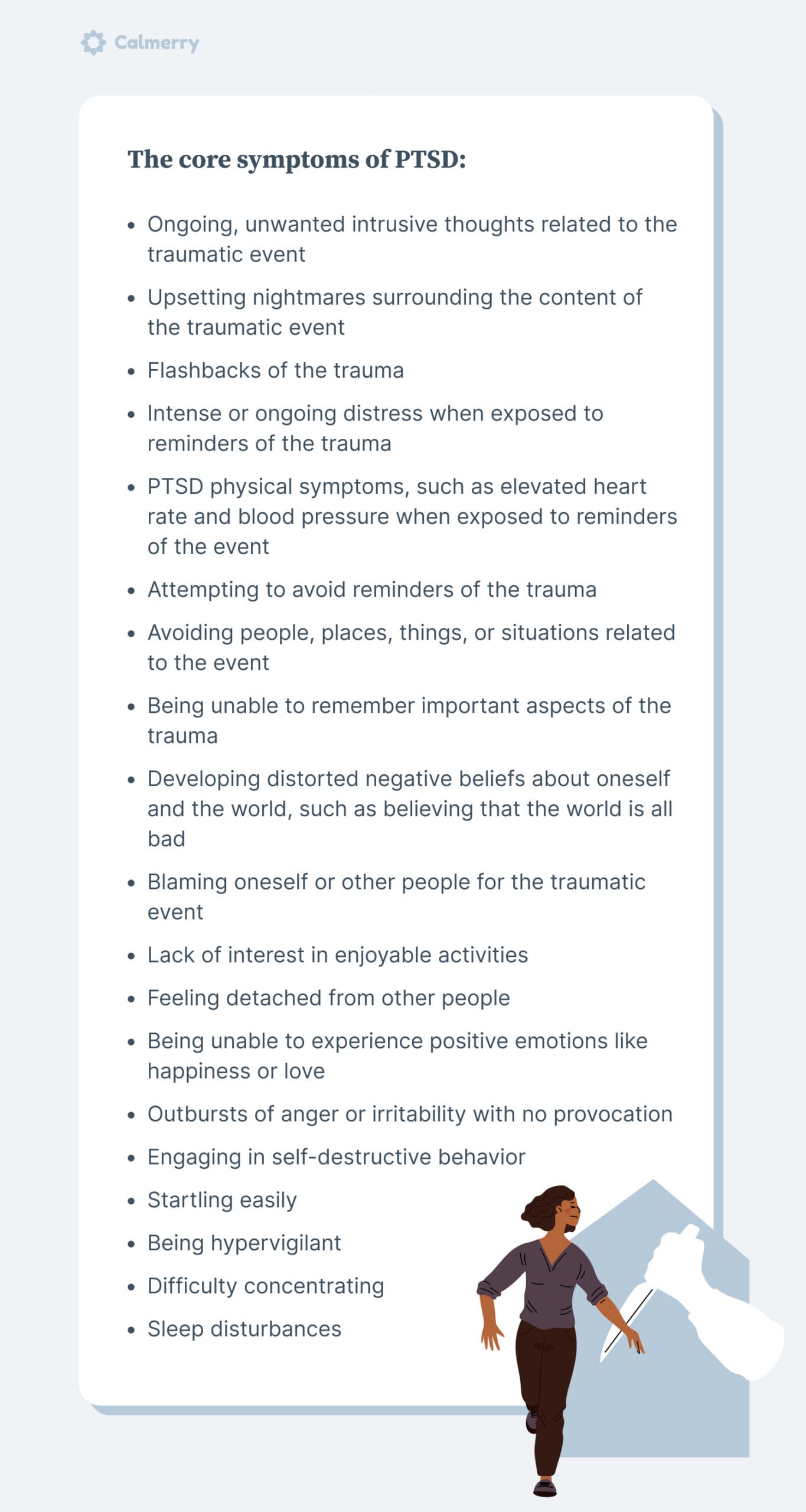
PTSD is a mental health condition triggered by witnessing or experiencing a terrifying event. According to the Mayo Clinic, symptoms are generally grouped into four types: intrusive memories, avoidance, negative changes in thinking and mood, and changes in physical and emotional reactions.
| Symptom Category | Examples in Grande's Experience | Common Clinical Manifestations |
|---|---|---|
| Intrusive Memories | Flashbacks to the Manchester Arena bombing. | Recurrent, unwanted distressing memories; reliving the event. |
| Avoidance | Initial difficulty discussing the event; guilt over the trauma. | Trying to avoid thinking or talking about the event; avoiding places. |
| Cognitive/Mood Changes | Survivor’s guilt; feeling detached (dissociation). | Negative thoughts about oneself; hopelessness; memory problems. |
| Arousal/Reactivity | High activity in brain scans; hypervigilance; dizziness. | Being easily startled; always being on guard; irritability; sleep issues. |
Ariana Grande’s Advocacy and Impact (2026 Status)
As of 2026, Ariana Grande remains one of the most prominent voices in the global conversation about mental health. Her impact is measured not just by her music, but by her tangible efforts to provide resources for others.
In 2021 and 2022, Grande partnered with the online therapy platform BetterHelp to give away over $5 million in free therapy to her fans. This initiative aimed to lower the barrier to entry for professional help, particularly for younger fans who may face financial or social obstacles to seeking treatment.
Her openness has been credited with a "normalization effect" regarding PTSD. By showing her brain scans and speaking about her struggles with anxiety and trauma, she helped transition the public's perception of PTSD from a condition associated solely with combat veterans to one that can affect anyone who has experienced a life-altering trauma.
In the years leading up to 2026, Grande has maintained a balanced approach to her career, often taking breaks from the public eye to prioritize her mental well-being. This "self-care" model has served as an example for her peers in the entertainment industry, reinforcing the idea that professional success should not come at the cost of psychological health.
Frequently Asked Questions
What exactly did Ariana Grande’s PTSD brain scans show?
The scans Grande shared on Instagram showed significant "hot spots" or areas of intense activity compared to a healthy brain. These active areas typically correspond to the limbic system, particularly the amygdala, which is responsible for the "fight or flight" response. In a PTSD brain, these areas remain active even when there is no immediate danger, leading to chronic stress and anxiety.
Has Ariana Grande recovered from PTSD?
PTSD is often managed rather than "cured" in the traditional sense. In her public statements up through 2026, Grande has indicated that she continues to work on her mental health. While she has developed coping mechanisms and uses therapy to manage symptoms, trauma of that magnitude often requires ongoing maintenance and awareness.
When was Ariana Grande officially diagnosed with PTSD?
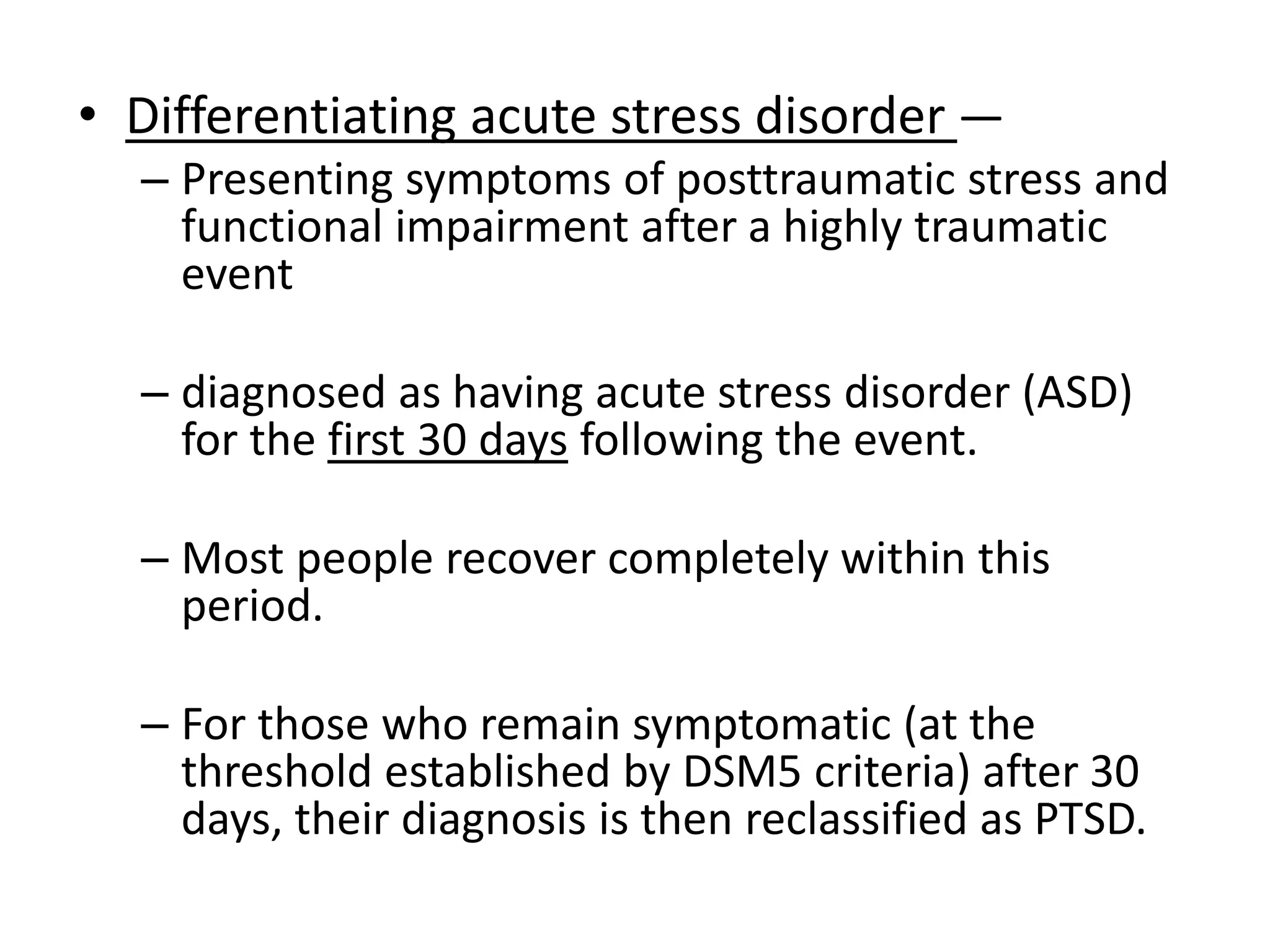
She was diagnosed shortly after the Manchester Arena bombing in May 2017. She first publicly confirmed the diagnosis in the July 2018 issue of British Vogue. However, she has hinted that her struggles with anxiety preceded the bombing, though the PTSD was specifically linked to that event.
What treatments has Ariana Grande used for her PTSD?
Grande has primarily advocated for professional therapy. While she hasn't disclosed every specific modality, she has spoken about the importance of talking through trauma and has been a proponent of the healing power of music and creative expression. She has also emphasized the role of a strong support system and taking time away from stressful environments (like touring) to heal.
Why did she wait a year to reveal her diagnosis?
Trauma is deeply personal, and many individuals with PTSD experience a "numbing" phase or a period of denial before they are ready to process or share their experience. Grande also expressed a sense of guilt, wanting to prioritize the victims' families and feeling that her own psychological struggles were "small" in comparison to their loss—a common feeling among survivors of mass tragedies.
Practical Recommendation for Readers
If you or someone you know is experiencing symptoms of PTSD—such as intrusive memories, hypervigilance, or a sense of detachment following a traumatic event—it is critical to seek professional help. Ariana Grande’s experience demonstrates that even with immense resources, PTSD is a physical and psychological condition that requires specialized care.
- Consult a Professional: Look for therapists who specialize in Trauma-Informed Care or Eye Movement Desensitization and Reprocessing (EMDR).
- Utilize Resources: Organizations like the National Alliance on Mental Illness (NAMI) and the Substance Abuse and Mental Health Services Administration (SAMHSA) offer helplines and directories for finding local care.
- Practice Patient Self-Care: Recognize that healing from trauma is a slow process. Like Grande, many find that a combination of clinical therapy and creative or social outlets provides the most comprehensive path to management.