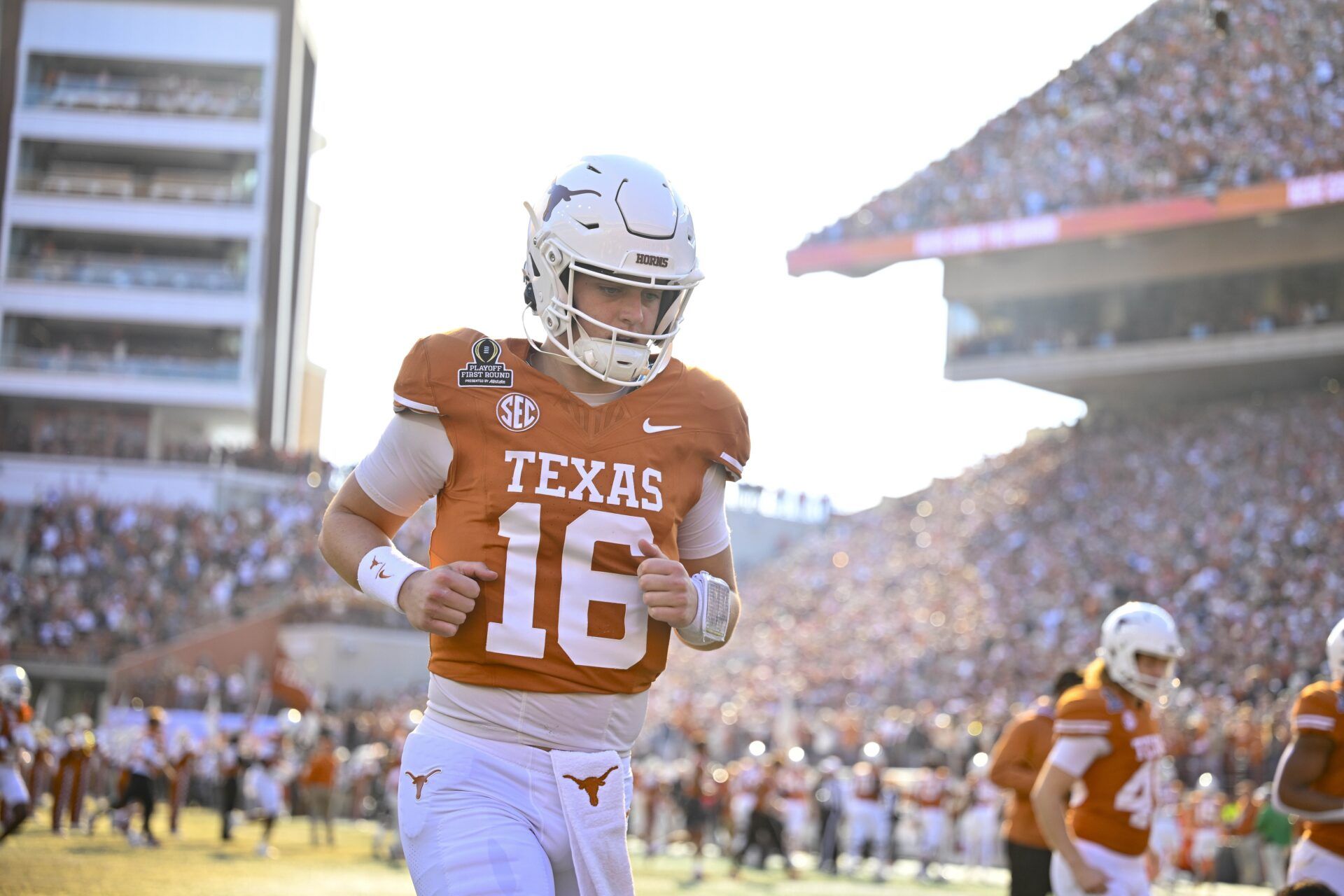
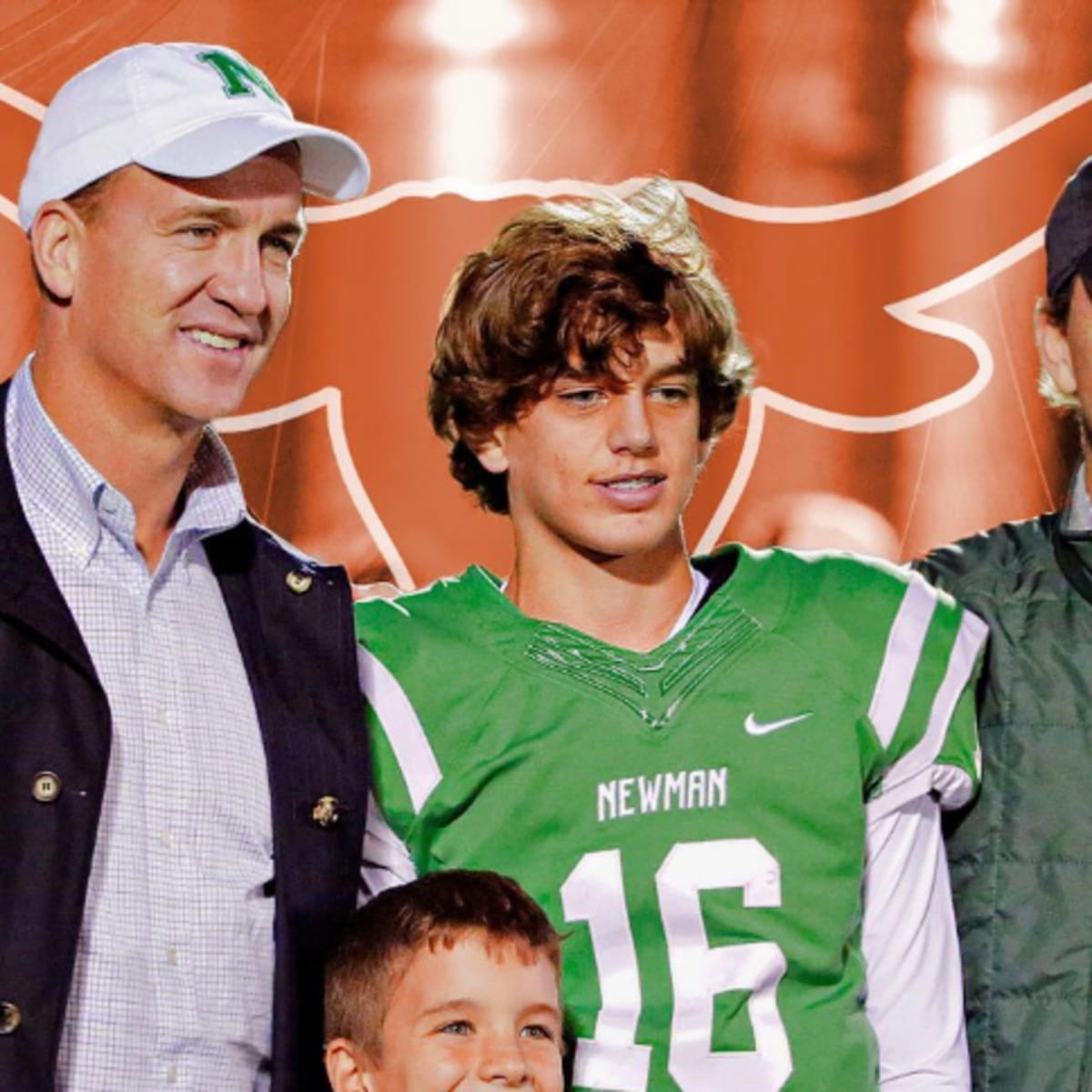
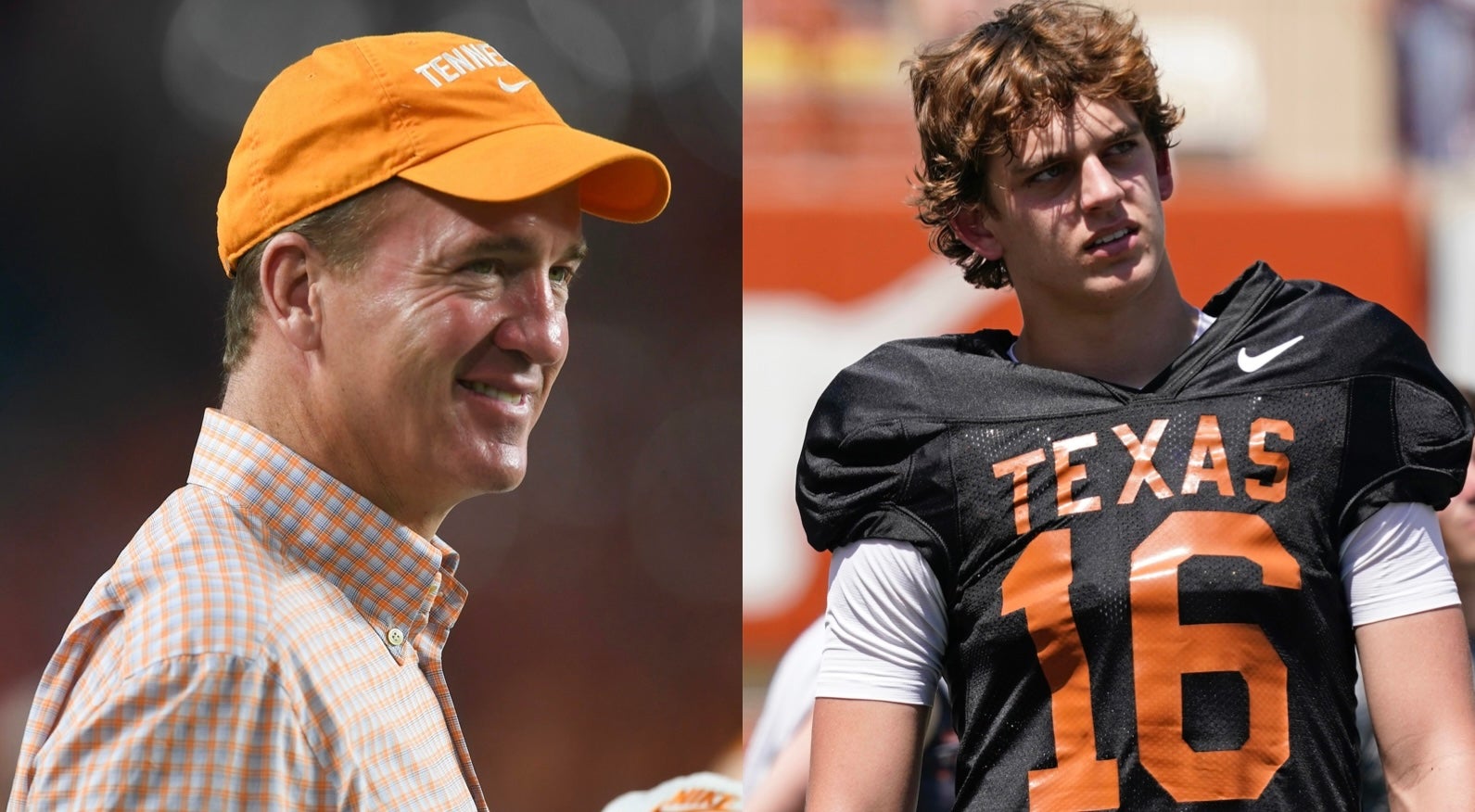
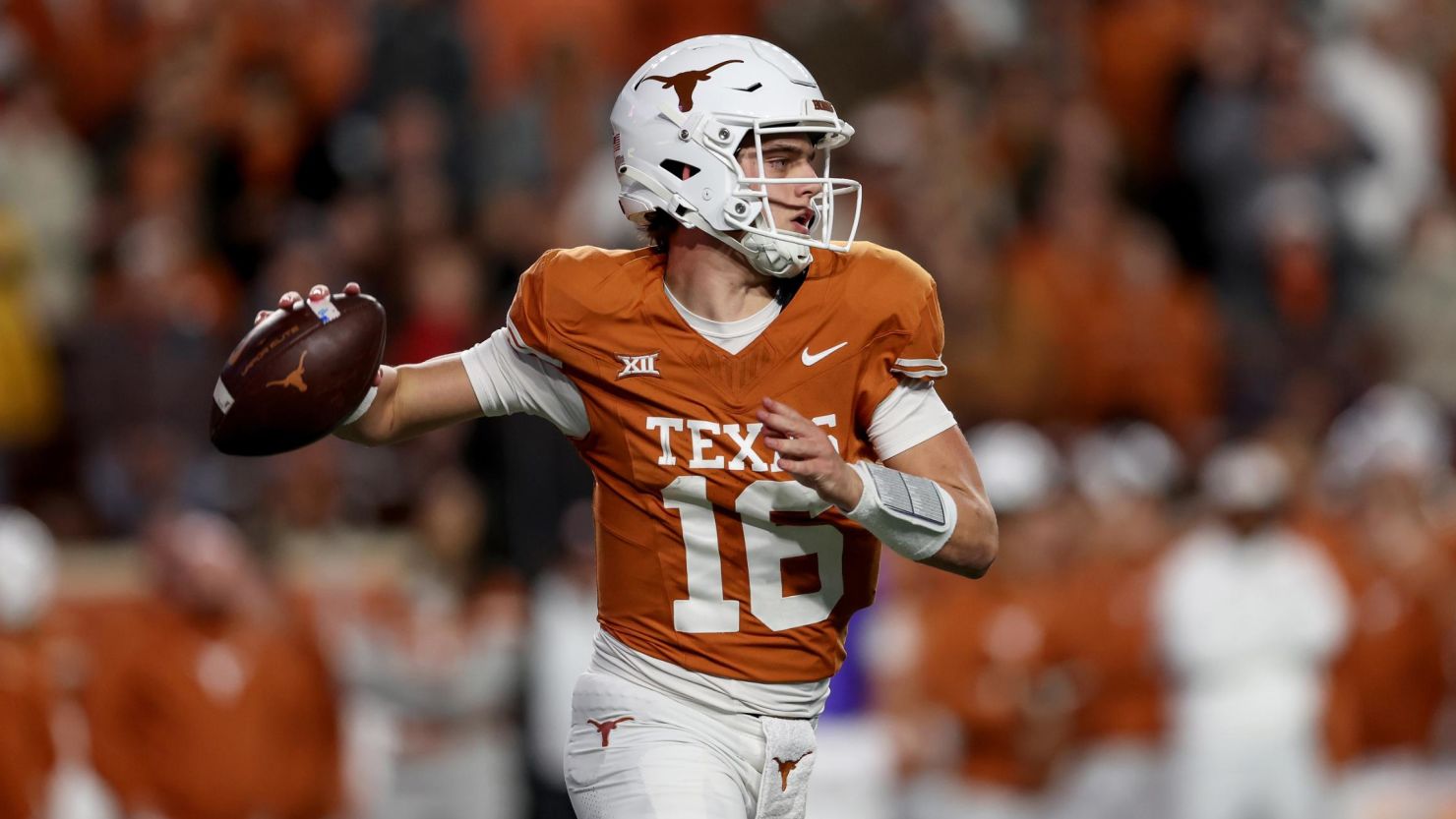
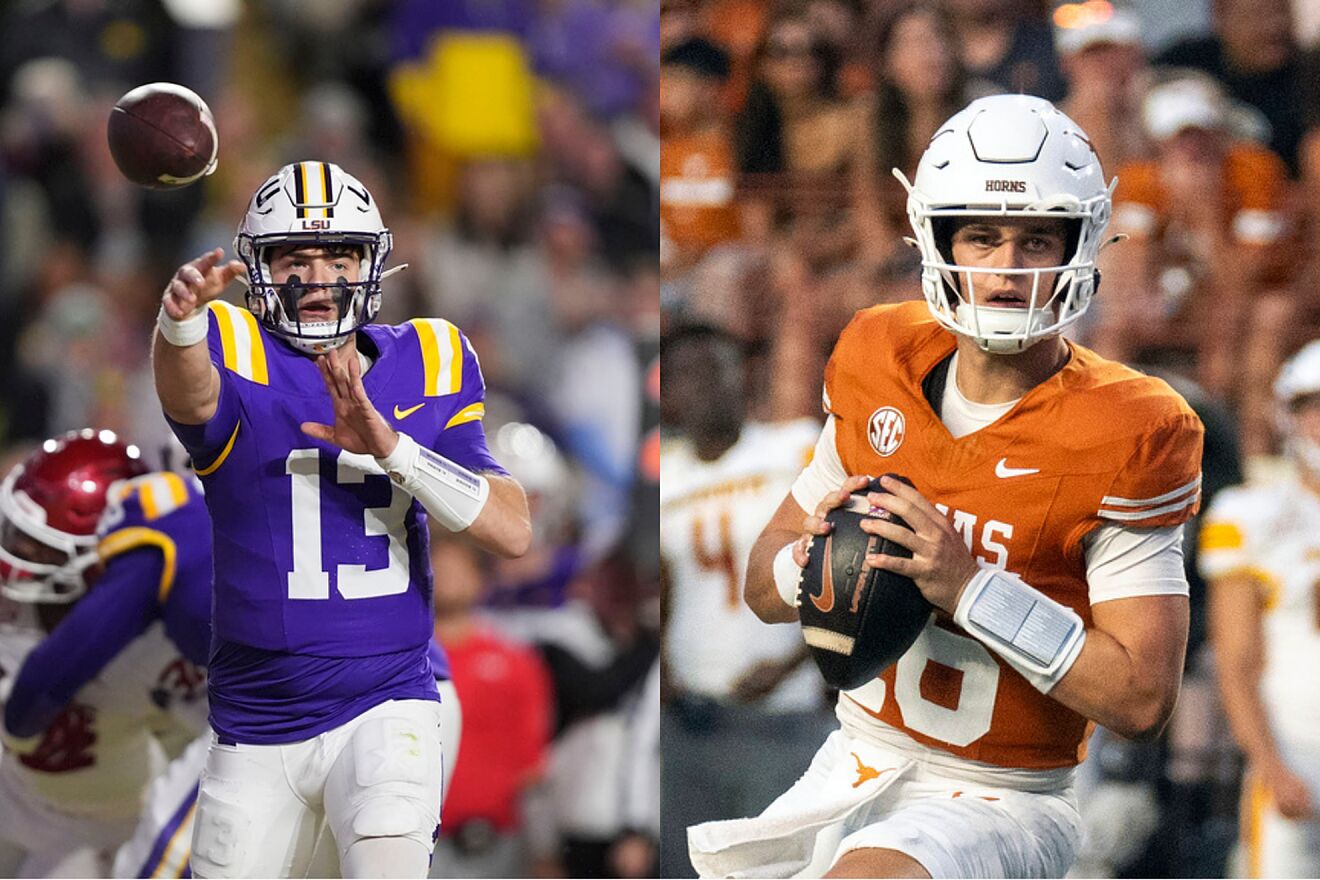
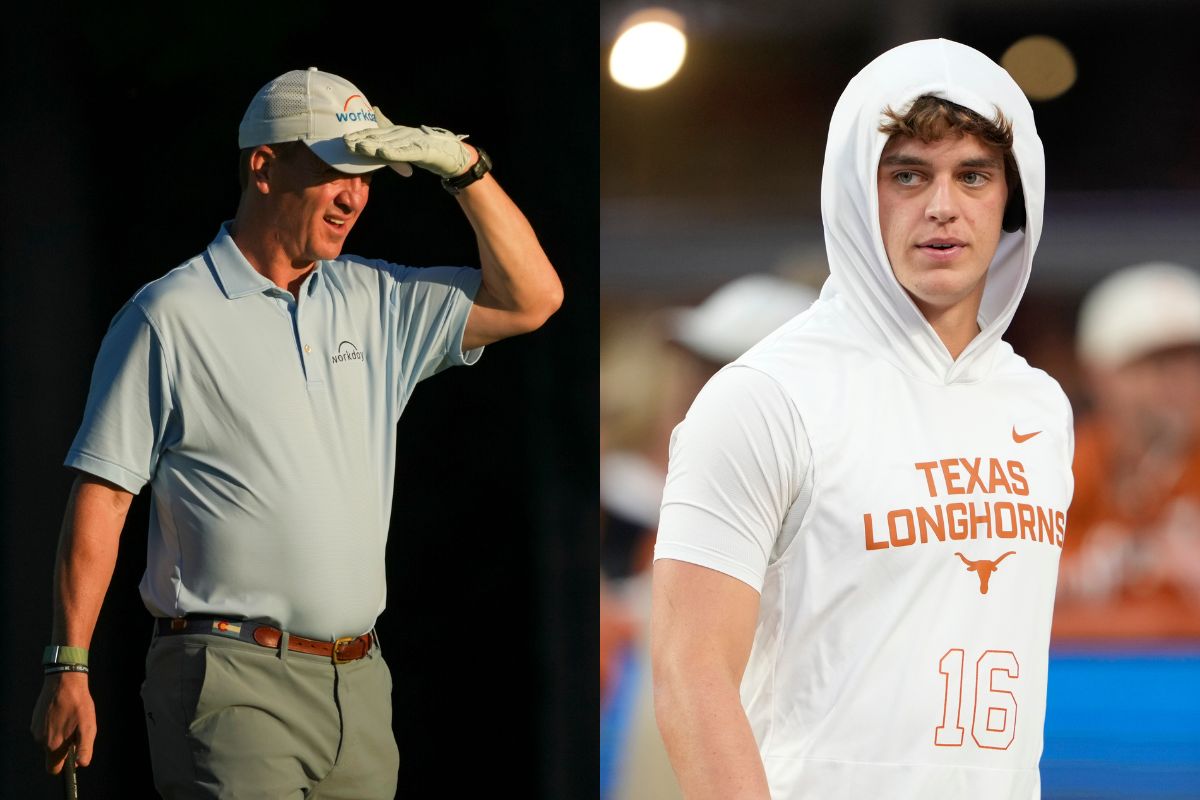
Arch Manning is the nephew of Peyton Manning and the son of Cooper Manning, the eldest of the three Manning brothers. As a member of football’s most prominent dynasty, Arch is the grandson of Archie Manning and the nephew of both Peyton and Eli Manning, continuing a multi-generational legacy of elite quarterbacking at the University of Texas.
The connection between Arch Manning and his uncle Peyton Manning is more than a simple genealogical fact; it represents the intersection of historical greatness and the modern era of collegiate athletics. In 2026, as Arch Manning maneuvers through the high-stakes environment of the Southeastern Conference (SEC), the influence of his uncle’s career—characterized by meticulous preparation, cerebral playmaking, and a distinct "Manning" brand of leadership—remains a central theme in his development. To understand the significance of Arch Manning's trajectory, one must examine the specific mechanics of his relationship with Peyton, the structural advantages of his lineage, and the technical ways he mirrors or diverges from the Hall of Fame standard set by his uncles.
The Manning Family Tree: Defining the Lineage
To grasp why the "nephew" label carries such immense weight, one must understand the hierarchy of the Manning family. The lineage began with Archie Manning, the patriarch who became a legend at Ole Miss before a productive, albeit difficult, professional career primarily with the New Orleans Saints.
Archie and his wife, Olivia, had three sons:
- Cooper Manning: The eldest brother and Arch’s father. Cooper was a highly touted wide receiver committed to Ole Miss before a diagnosis of spinal stenosis ended his playing career before his freshman season.
- Peyton Manning: The middle brother, a five-time NFL MVP, two-time Super Bowl champion, and 2021 Pro Football Hall of Fame inductee.
- Eli Manning: The youngest brother, a two-time Super Bowl champion with the New York Giants and a future Hall of Fame candidate.
Arch Manning is the first of the third generation to enter the national spotlight. Because Cooper’s career was cut short, Arch represents a "re-entry" of the direct Manning line into the quarterback position, guided by the collective wisdom of his father and two legendary uncles.
The Influence of Uncle Peyton: Mentorship and Mechanics
Peyton Manning’s influence on Arch is documented not through flashy social media posts, but through the rigorous, quiet "Manning way" of football education. Peyton has often stated in interviews that his role in Arch’s life is primarily that of a supportive uncle, yet the technical parallels are undeniable.
The Mental Game and Pre-Snap Recognition
One of Peyton Manning’s greatest contributions to the game was his ability to "win" the play before the ball was snapped. This involved a complex system of checks, audibles, and defensive identification. Observers of Arch Manning at the University of Texas have noted a similar proficiency. Under the tutelage of his uncles, Arch was exposed to high-level film study and defensive concepts earlier than most of his peers.
Peyton’s mentorship focuses heavily on the "process" rather than the result. This includes:
- Footwork Discipline: Maintaining a consistent base in the pocket to ensure accuracy under pressure.
- IDing the Mike: Identifying the middle linebacker to set protection schemes, a hallmark of Peyton’s cerebral approach.
- The Manning Passing Academy: Arch grew up attending and eventually assisting at the family’s prestigious camp, where he was exposed to the same drills Peyton and Eli used to maintain their longevity in the NFL.
The Recruitment Shield
Peyton Manning also played a role in advising the family on how to handle the unprecedented media circus surrounding Arch’s recruitment. Unlike many modern recruits who lean into the "influencer" aspect of NIL (Name, Image, and Likeness), Arch followed a path directed by his father and uncles that prioritized privacy and football-first decision-making. Peyton’s own experience as the most scrutinized recruit of the 1990s provided a blueprint for Arch to navigate the noise while focusing on his development at Isidore Newman School and later at Texas.
Comparing the Playstyles: Peyton vs. Arch
While the "nephew of Peyton" tag implies a carbon copy of the elder Manning’s game, Arch Manning brings a different physical profile to the position. In the context of 2026 football, where quarterback mobility is a prerequisite for elite status, Arch has shown traits that even his Hall of Fame uncles lacked.
| Feature | Peyton Manning (Historical) | Arch Manning (2026 Profile) |
|---|---|---|
| Height/Weight | 6'5", 230 lbs | 6'4", 225 lbs |
| Primary Style | Traditional Pocket Passer | Mobile Pro-Style |
| Mobility | Limited; elite pocket movement | High; capable of explosive scrambles |
| Release Point | High, classic over-the-top | Variable; adapts to modern passing lanes |
| Pre-Snap Style | Verbally aggressive, heavy audibles | System-oriented with high IQ checks |
| College Choice | Tennessee (SEC) | Texas (SEC as of 2024) |
The most significant technical departure from Peyton is Arch’s athleticism. While Peyton was a master of the "subtle slide"—moving just enough within the pocket to avoid a rush—Arch possesses the "escapeability" required in the modern RPO (Run-Pro Option) era. This makes him a more versatile weapon in Steve Sarkisian’s offense at Texas than Peyton might have been in the same system.
The Choice of Texas: Why Not Follow Peyton or Eli?
A major point of discussion in the Manning narrative was Arch's decision to bypass his uncles’ and grandfather’s alma maters. Archie and Eli were legends at Ole Miss; Peyton was the king of Knoxville at Tennessee. By choosing the University of Texas, Arch signaled a desire to build a legacy independent of the specific geographic shadows cast by his uncles.
Peyton Manning reportedly supported this independence. The decision to play for Texas was rooted in the relationship with head coach Steve Sarkisian, known for his "quarterback-friendly" schemes that bridge the gap between college concepts and NFL requirements. For a Manning, the goal is always the NFL, and the family viewed the Texas infrastructure as the best preparation for the professional level.
Living with the Manning Name in the NIL Era
In 2026, the financial landscape of college football is dominated by NIL. Being the nephew of Peyton Manning makes Arch one of the most marketable athletes in the history of amateur sports. However, the Manning family has famously taken a conservative approach to endorsements.
Early in his career, reports indicated that Arch would not accept significant NIL money until he was the designated starter. This "earn it" mentality is a direct reflection of the values instilled by Archie and Peyton. By the time 2026 arrived, Arch had secured partnerships that aligned with the "Manning Brand"—high-end, stable, and football-centric—mirroring the types of long-term corporate relationships Peyton has maintained with companies like Nationwide and Papa John’s.
The "Manning Brain": A Technical Advantage
When scouts analyze Arch, they often refer to the "Manning Brain." This is the perceived innate ability to process information at a speed that exceeds the average collegiate quarterback. Because Arch is the nephew of two of the greatest processors in history, it is often assumed he has a biological or environmental advantage.
From a technical standpoint, this manifests in:
- Anticipation: Throwing the ball before the receiver makes his break, a skill Peyton perfected.
- Safety Manipulation: Using eye contact to move defenders out of passing lanes.
- Progression Speed: The ability to move from the first read to the third read in under 2.5 seconds.
These are not just "talents" but skills honed through thousands of hours of conversation with his uncles. It is reported that Peyton often reviews film with Arch, offering "NFL-level" critiques that a standard college coaching staff might not provide.
Frequently Asked Questions
Is Arch Manning’s father, Cooper, also a football player?
Yes, Cooper Manning was a standout wide receiver in high school and was signed to play for the University of Mississippi (Ole Miss). However, his career ended before his first college game due to a diagnosis of spinal stenosis, a narrowing of the spinal canal. He has since become a successful businessman and media personality, often serving as the primary spokesperson for the family’s private matters.
Why did Arch Manning choose Texas over Tennessee or Ole Miss?
While the family has deep roots at Ole Miss and Tennessee, Arch prioritized the coaching system of Steve Sarkisian and the move of Texas into the SEC. The family sought an environment where Arch could develop in a pro-style system that mirrors the complexities of the NFL, while also allowing him to create his own identity away from the specific schools where his uncles are honored with statues and retired jerseys.
How does Arch Manning’s arm strength compare to Peyton’s?
At the same stage of their careers, Arch is considered to have a stronger, more "live" arm than Peyton. While Peyton was never known for elite velocity, relying instead on timing and touch, Arch has shown the ability to make deep-out throws and off-platform rockets that are more characteristic of the modern elite quarterback.
Does Peyton Manning coach Arch during the season?
While Peyton does not have an official coaching role at the University of Texas, he serves as a mentor and sounding board. The two frequently speak about game preparation and leadership. However, the Mannings are careful to respect the boundaries of the Texas coaching staff, ensuring that Peyton’s advice supplements rather than contradicts the team’s game plan.
What is the Manning Passing Academy's role in his development?
The Manning Passing Academy, held annually in Thibodaux, Louisiana, has been Arch’s "summer school" since childhood. It provided him with early access to elite NFL and college counselors, allowing him to measure his skills against older players long before he reached the collegiate level. This environment normalized the pressure of elite competition for him at a very young age.
The Path Forward: 2026 and Beyond
As of 2026, Arch Manning has transitioned from a "legacy prospect" to a formidable entity in his own right. Being the nephew of Peyton Manning provided the platform, the education, and the initial spotlight, but the performance on the field in the SEC is what has defined his current standing.
For fans and analysts, the fascination with the Manning connection will likely never fade. Whether he is checking at the line of scrimmage or delivering a post-game interview with the same dry wit his uncle Peyton is known for, the lineage is always visible. The next logical step for Arch is the NFL Draft, where the "Manning" name will once again face the ultimate test of professional longevity.
Final Recommendation: To truly appreciate Arch Manning's career, observers should look past the jersey name and focus on the technical nuances of his game—specifically his footwork and pre-snap adjustments. These are the "signatures" of his uncle's influence that will ultimately determine his success at the professional level.