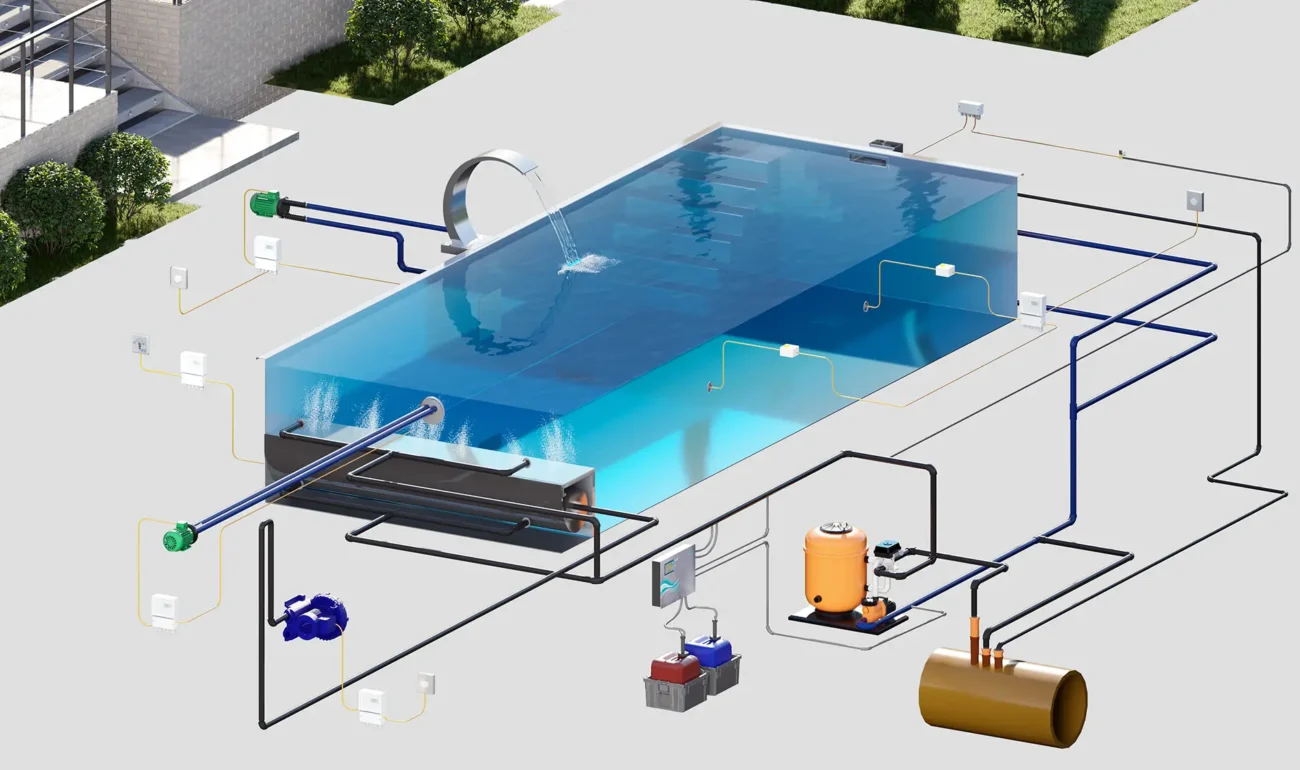
Aquasun Pools innovation in smart swimming represents the integration of automated chemical monitoring, intelligent filtration cycles, and cloud-based climate control into residential and commercial aquatic systems. By utilizing IoT-enabled sensors and adaptive software, these pools reduce chemical consumption, optimize energy expenditure, and provide real-time water quality oversight to homeowners and facility managers.
The Evolution of Smart Swimming Technology
For decades, pool maintenance was an arduous, manual process. Owners relied on periodic water testing kits, mechanical timers that often failed to account for environmental variables, and human intuition to manage chemical balance. The shift toward "smart" swimming environments is defined by the transition from passive equipment to active, data-driven management systems.
Aquasun Pools, as a provider and integrator in this space, emphasizes the move toward proactive maintenance. Instead of waiting for water to become cloudy or for pH levels to drift outside the ideal range, smart swimming systems utilize continuous monitoring. Sensors placed in the plumbing line or floating units measure Total Dissolved Solids (TDS), Oxidation-Reduction Potential (ORP), pH, and temperature. This data is transmitted to a central control hub, which adjusts chemical feeders or circulation pumps accordingly.
This innovation is not merely about convenience; it is about the physics and chemistry of water sanitation. Smart systems maintain a tighter margin of error, ensuring that sanitizers like chlorine or bromine remain effective without the "yo-yo" effect often caused by manual, intermittent adjustments. By maintaining a constant, optimal baseline, these systems provide a safer swimming environment while extending the lifespan of pool liners, plumbing components, and filtration media.
Core Components of an Intelligent Pool System
To understand how these innovations function, one must look at the four primary pillars that constitute a smart pool ecosystem. These components work in tandem to eliminate the guesswork involved in pool ownership.
1. Automated Chemical Dosing Units
Traditional pools require physical handling of hazardous chemicals. Smart swimming innovations introduce peristaltic pumps that draw directly from chemical reservoirs. Based on real-time sensor data, these pumps inject precise amounts of pH balancers or sanitizers. This technology eliminates the risk of human over-dosing, which can lead to skin irritation or equipment corrosion.
2. Variable-Speed Pumps (VSPs)
The pump is the heart of the pool. Older, single-speed pumps operate at maximum capacity regardless of filtration needs, wasting electricity. Smart pool systems use VSPs that communicate with the automation controller. They ramp up flow when the pool is being used or when filtration demand is high, and they throttle down during off-hours. This adaptive flow management is a cornerstone of energy-efficient pool operation in 2026.
3. Integrated Climate and Lighting Control
Innovation in smart swimming extends to the peripheral experience. Modern systems allow for the scheduling and temperature regulation of pool heaters and heat pumps through mobile interfaces. Users can shift from "Economy" to "Performance" modes based on weather forecasts, ensuring the pool is at the ideal temperature precisely when needed without running the heater unnecessarily.
4. Cloud-Based Diagnostics and Alerts
The "Smart" aspect is realized through connectivity. If a sensor detects a flow restriction (perhaps due to a clogged filter) or an unexpected drop in water level, the system sends an instant notification to the user’s smartphone. This allows for troubleshooting before a minor mechanical issue evolves into an expensive equipment failure.
Comparative Overview: Traditional vs. Smart Pool Management
Transitioning to a smart swimming system involves a shift in how resources are allocated. The following table compares standard operational expectations between manual systems and smart-integrated systems.
| Feature | Traditional Pool Maintenance | Smart Swimming Integration |
|---|---|---|
| Chemical Balancing | Manual testing & chemical addition | Automated, sensor-driven dosing |
| Energy Usage | Fixed cycles; often excessive | Variable speeds based on real-time load |
| Water Quality | Reactive (clean after it gets dirty) | Proactive (maintains constant clarity) |
| Monitoring | Periodic physical inspection | Continuous, remote cloud tracking |
| Maintenance Alerts | Only when visible problems occur | Proactive push notifications |
| Operating Costs | High due to chemical waste/energy | Optimized for long-term efficiency |
Technical Requirements for Implementation
Upgrading a legacy pool to an "Aquasun-style" smart system requires more than just installing a controller. It necessitates a baseline of physical infrastructure that can support digital oversight.
Plumbing and Electrical Prerequisites
Before sensors can be installed, the plumbing must be verified. Sensors require a consistent flow of water, usually via a bypass line, to prevent air pockets that cause false readings. Additionally, the pool pad must have reliable, grounded electrical power. Many smart controllers require high-speed internet connectivity, necessitating either a robust Wi-Fi signal at the equipment pad or a hardwired Ethernet connection.
Software and Interface Compatibility
The "innovation" is often housed in the software layer. Homeowners must ensure that their chosen automation platform is compatible with their existing equipment. While many major brands now use standardized protocols (such as RS-485 for communication between pumps and controllers), older equipment may require "smart" actuators or bridge modules to integrate effectively.
Environmental and Economic Impacts
The pursuit of innovation in smart swimming is heavily driven by the need for sustainability. In 2026, water conservation and energy efficiency are not just ethical choices but financial imperatives for pool owners.
Water Conservation
Smart systems reduce the need for "backwashing" and draining the pool. When chemistry is perfectly balanced at all times, there is less demand for heavy-shock treatments or dilution to correct chemical overages. By optimizing the filtration process, owners maintain higher water clarity for longer periods, reducing the need for aggressive water replacement cycles.
Energy Efficiency
The reduction in power consumption is the most quantifiable benefit. A variable-speed pump can save up to 80% on energy costs compared to older single-speed induction motors. When this is coupled with a smart thermostat that prevents the heater from engaging during peak demand hours (if grid-connected), the cumulative energy savings often pay for the system upgrade within three to five years.
Common Challenges and Troubleshooting
Despite the advantages, smart pool systems are not immune to technical hurdles. Users should be prepared for the following common issues:
- Sensor Drift: Even the most advanced probes degrade over time. Sensors measuring pH and ORP require periodic calibration using standard reference solutions. Failure to calibrate results in the system "chasing" inaccurate readings, which can lead to poor water quality.
- Connectivity Interruption: A smart pool is only as smart as its internet connection. If the Wi-Fi at the pool pad drops, the system may revert to a "safe" default mode, which might not be optimized for the current environment.
- Over-reliance on Automation: Automation does not eliminate the need for physical inspections. Objects like large leaves or debris can still clog skimmers and baskets, causing pump strain that sensors might not immediately detect as a primary cause.
To troubleshoot effectively, start by verifying the status of the local network, followed by a manual water test using a high-quality reagent kit to cross-reference the sensor data. If the sensor reading deviates significantly from the manual test, recalibration is likely required.
Frequently Asked Questions
How does a smart pool system affect my insurance or home warranty? Many insurance providers view smart systems as a risk-mitigation tool. By providing automated leak detection and continuous monitoring, these systems can help prevent catastrophic flooding or structural water damage, which may lead to reduced premiums or better eligibility for modern home warranty plans. Always verify with your specific provider regarding "smart home" discounts.
Can I retrofit an older pool with smart technology? Yes, most smart swimming innovations are designed for modular installation. You can replace a single-speed pump with a VSP and add an automation hub to your existing plumbing to bring it into the modern era without needing to rebuild the shell.
Does smart swimming technology require a professional to install? While some components are "plug and play," integrating sensors into existing plumbing and configuring the software requires an understanding of fluid dynamics and electrical safety. For long-term reliability, professional installation is strongly recommended.
Are there privacy concerns with cloud-connected pool systems? Reputable smart systems use encrypted data transmission. However, as with all IoT devices, ensure you use a secure, password-protected network to prevent unauthorized access to your home equipment controllers.
What happens to my pool if the power goes out? Most modern systems have internal memory that retains the last programmed state. Once power is restored, the system will reboot and resume its schedule, though you should verify that the clock and sensor calibration remained intact during the outage.
Professional Recommendation for Implementation
For those looking to adopt smart swimming innovations, the best first step is a comprehensive audit of your current equipment pad. Identify the age and model of your pump, filter, and heater. Prioritize the installation of an automation controller that supports remote mobile management, as this provides the highest "value-to-effort" ratio. Focus on maintaining a regular calibration schedule for your sensors, as this is the single most important action to ensure the system’s longevity and accuracy. By moving from reactive maintenance to an intelligent, automated regime, you secure both the longevity of your investment and the quality of your swimming experience.