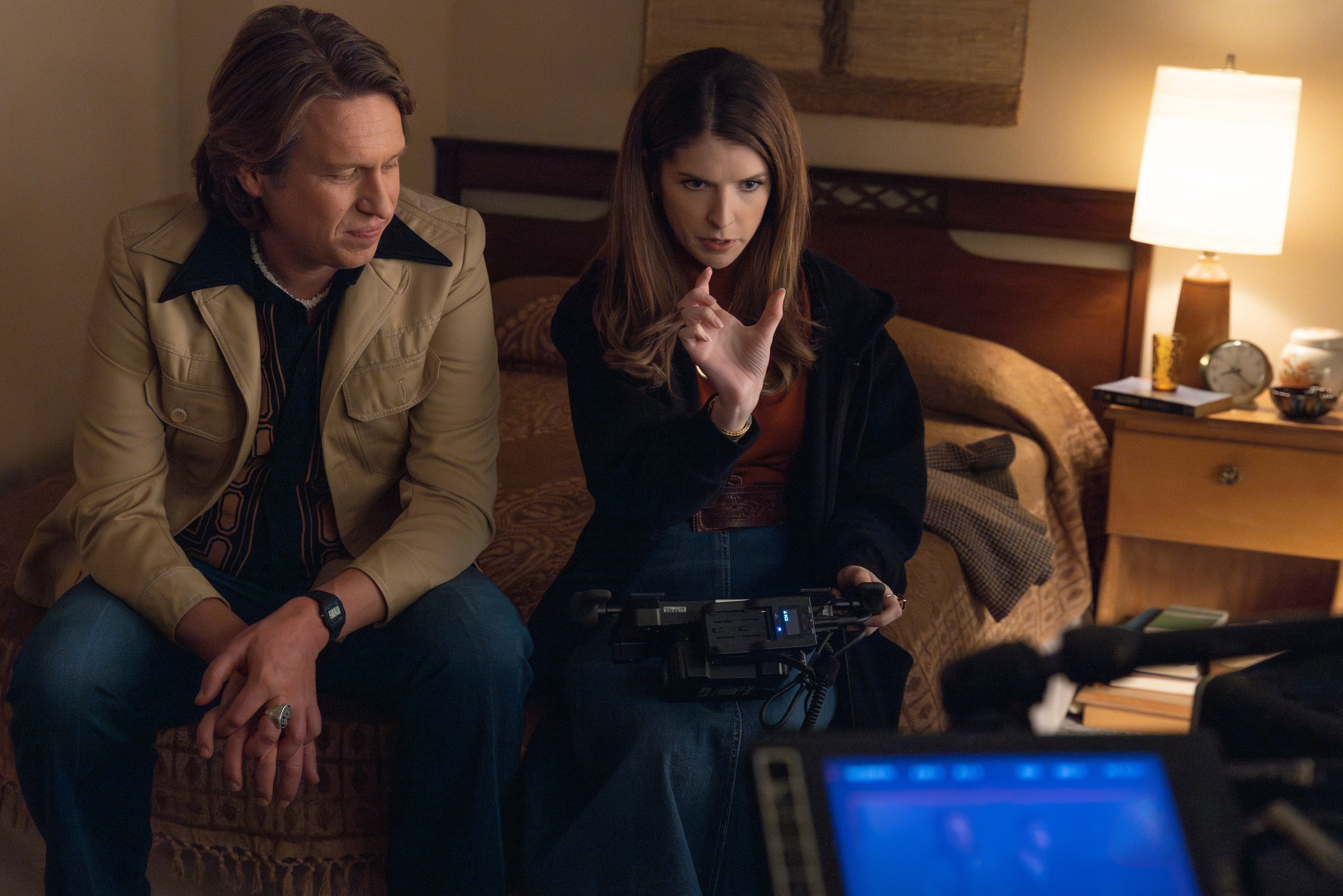
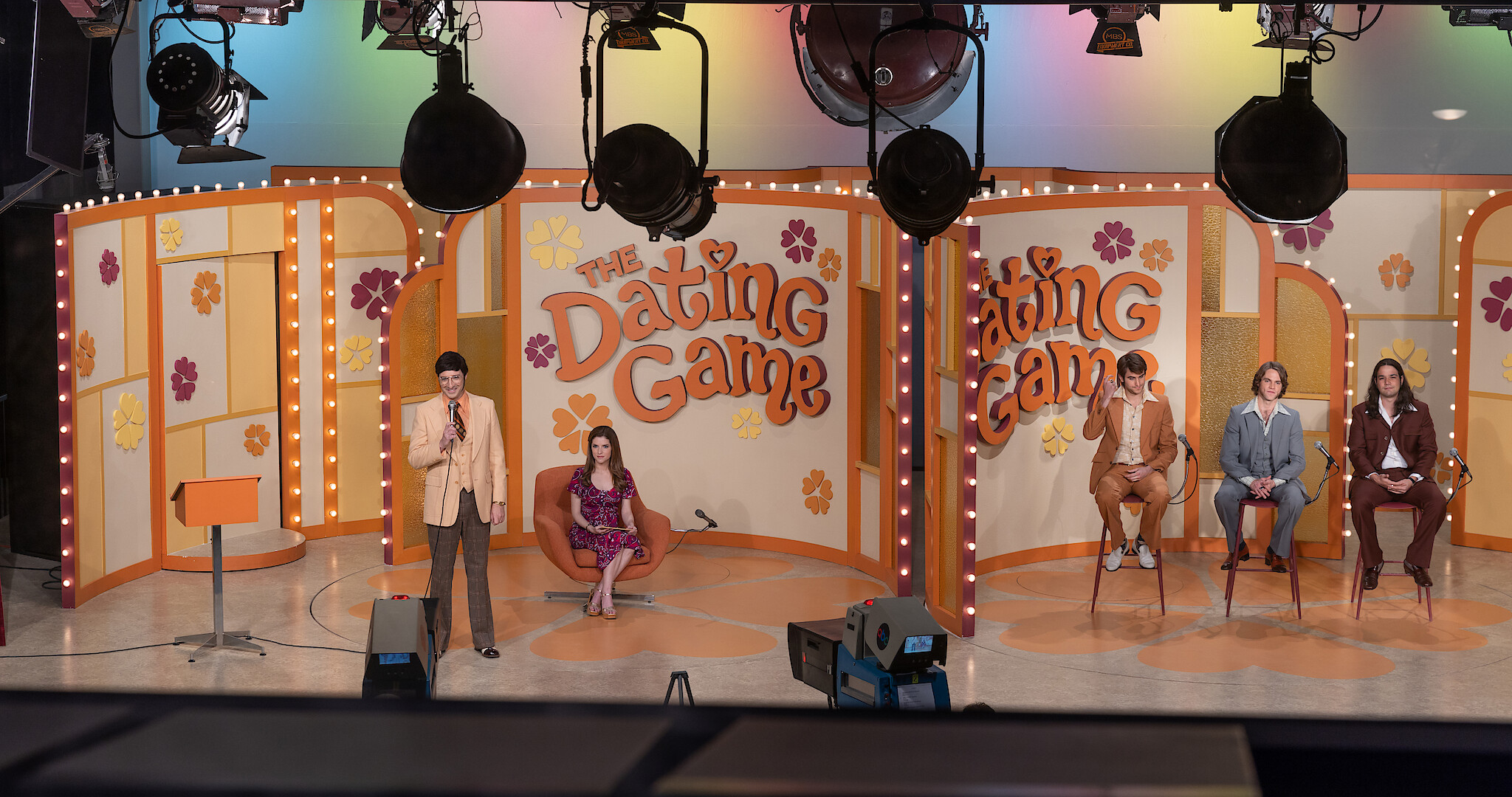
Anna Kendrick makes her feature directorial debut and stars as aspiring actor Sheryl Bradshaw in Woman of the Hour, a tense Netflix crime drama based on the chilling true story of serial killer Rodney Alcala, who famously appeared on the television game show The Dating Game in 1978.
Introduction to Woman of the Hour
The true crime genre has long fascinated audiences, but few stories possess the bizarre, harrowing real-life elements found in Woman of the Hour. Directed by and starring Anna Kendrick, the Netflix film brings to light one of the most unsettling episodes in American criminal history: a serial killer winning a televised dating show while actively murdering women. The project represents a major creative milestone for Kendrick, shifting her talents behind the camera to helm a psychological thriller that prioritizes tension, systemic misogyny, and the vulnerability of women navigating everyday spaces over gratuitous violence.
Released globally on Netflix following a successful festival run, the film examines the chilling intersection of mid-century popular culture and hidden predatory behavior. Through a meticulously structured narrative, the movie contrasts the bright, superficial lights of 1970s television with the dark realities faced by women who encounter seemingly charming men. Understanding the production, historical context, and thematic weight of Woman of the Hour requires looking closely at how Kendrick approaches a sensitive subject with both stylistic precision and acute social awareness.
The True Story Behind Rodney Alcala and The Dating Game
To fully appreciate the narrative impact of Woman of the Hour, viewers must understand the historical facts that inspired the screenplay written by Ian McDonald. In 1978, Rodney Alcala—an active serial killer who had already assaulted and murdered multiple women—was a contestant on the popular television program The Dating Game. Billed as a charming photographer, Alcala was chosen as "Bachelor Number Three" by bachelorette Sheryl Bradshaw.
Despite his outward charisma, Bradshaw ultimately declined to go on a date with him after the taping, reportedly telling producers backstage that he gave her an immediate sense of unease. This intuition likely saved her life. Alcala's appearance on national television occurred while he was in the midst of a multi-year killing spree, showcasing a terrifying ability to blend seamlessly into mainstream society. The film uses this central, unbelievable premise to explore how predators manipulate social norms and institutional blind spots to operate in plain sight.
Anna Kendrick as Director and Star: A Dual Challenge
Stepping into a dual role as both lead actor and first-time feature director is a daunting undertaking in Hollywood, yet Anna Kendrick executes the transition with remarkable poise. Playing Sheryl Bradshaw, Kendrick captures the exhausting tightrope women must walk: balancing professional ambition, societal expectations of politeness, and the constant, underlying need for self-preservation. Bradshaw is not depicted merely as a passive victim, but as a perceptive woman trying to navigate an industry and an environment designed to dismiss her instincts.
As a director, Kendrick makes deliberate stylistic choices that elevate the material above standard true-crime adaptations. Rather than focusing heavily on the graphic nature of Alcala's crimes, she trains her lens on the micro-interactions, casual sexism, and systemic vulnerabilities that allowed him to evade detection for years. The pacing builds dread organically, transforming a familiar television studio set into a claustrophobic arena of psychological suspense. Critics have widely praised her ability to maintain a steady, gripping tone while juggling complex narrative timelines.
Cast, Performances, and Character Dynamics
The success of Woman of the Hour relies heavily on its ensemble cast, who bring depth and authenticity to both the victims and the perpetrator. Daniel Zovatto delivers a chilling performance as Rodney Alcala, portraying the killer not as a cinematic monster living in the shadows, but as an ordinary, affable man who weaponizes charm to disarm his targets. Zovatto's ability to shift from seemingly harmless to deeply unsettling underpins the film's core theme: danger often wears a familiar face.
Complementing Kendrick and Zovatto is a strong supporting cast, including Nicolette Robinson as Laura, a contestant who experiences firsthand the casual dismissal of women's concerns by authorities and producers. The narrative structures its perspective around various women who cross paths with Alcala, giving voice to those who were historically overlooked or ignored by law enforcement. This multi-perspective approach prevents the film from sensationalizing the killer, focusing instead on the collective experience of female resilience and institutional failure.
| Character / Role | Actor | Narrative Significance |
|---|---|---|
| Sheryl Bradshaw | Anna Kendrick | An aspiring actor whose intuition on The Dating Game helps her avoid a fatal encounter. |
| Rodney Alcala | Daniel Zovatto | A serial killer who uses charm and photography to target women during the 1970s. |
| Laura | Nicolette Robinson | A studio audience member who recognizes danger and tries to sound the alarm. |
| Amy | Autumn Best | A hitchhiker who encounters Alcala, representing the vulnerability of his victims. |
Themes of Misogyny and Systemic Blindness
At its core, Woman of the Hour functions as a scathing critique of how society treats women's intuition and safety, particularly during the late 1970s. The film repeatedly highlights moments where women express discomfort, fear, or suspicion, only to be met with minimization, mockery, or outright dismissal by men in authority. Whether it is television producers prioritizing entertainment over participant safety or law enforcement slow to act on missing persons reports, the systemic failures are portrayed as active enablers of the killer's freedom.
Kendrick's direction ensures that the audience feels the weight of these micro-aggressions and institutional oversights. By centering the narratives of the women Alcala targeted—giving them agency, interiority, and distinct personalities—the film moves away from traditional true-crime tropes that center the perpetrator. Instead, it honors the victims and examines the cultural conditions that permitted such a bizarre and terrifying event to occur on national television.
Production Design and 1970s Aesthetic
Recreating the late 1970s television and cultural landscape required careful attention to detail from the production and costume design teams. The bright, saturated hues of The Dating Game set contrast sharply with the muted, ominous tones of the exterior scenes, visually reinforcing the dissonance between public entertainment and private peril.
The wardrobe, hairstyles, and set dressings accurately reflect the era without slipping into caricature. This authenticity grounds the bizarre true story in a tangible reality, reminding viewers that these events took place in an ordinary world recognizable to anyone who has lived through or studied the period. The cinematography utilizes tight framing and deliberate pacing to heighten tension, making every interaction feel consequential and fraught with hidden danger.
Critical Reception and Audience Impact
Following its premiere, *Woman of Woman of the Hour received largely positive reviews from critics, who lauded Anna Kendrick's directorial vision and the film's respectful, tension-driven approach to true crime. Reviewers noted that Kendrick avoids the common pitfalls of the genre—such as glorifying the killer or exploiting violence—and instead delivers a thoughtful thriller that resonates with contemporary conversations regarding safety and systemic inequality.
Streaming on Netflix has allowed the film to reach a massive global audience, sparking widespread discussion online about the unbelievable true story of Rodney Alcala and the real Sheryl Bradshaw. Viewers have praised the movie for its psychological depth, strong performances, and the refreshing perspective brought by a female director taking control of a narrative traditionally dominated by male-centric storytelling.
Frequently Asked Questions
Is Woman of the Hour based on a true story?
Yes, the film is based on the true story of serial killer Rodney Alcala, who appeared as a contestant on The Dating Game in 1978 while actively committing murders across the United States.
Who directed Woman of the Hour?
The film was directed by Anna Kendrick, marking her feature film directorial debut. She also stars in the lead role as Sheryl Bradshaw.
What is the primary message or theme of the movie?
The film explores themes of systemic misogyny, the dismissal of women's intuition, and the terrifying reality of how predators can hide behind a facade of charm in everyday society.
How accurate is the depiction of The Dating Game appearance?
The core premise—a serial killer participating in and winning a televised dating game show—is historically accurate, though certain dramatic elements and character interactions were adapted for cinematic narrative flow.
Where can I stream Woman of the Hour?
The film is available to stream globally on Netflix, following its initial festival release and theatrical run.
Final Recommendation and Next Actions
For viewers interested in intelligent psychological thrillers, true crime history, or witnessing Anna Kendrick's impressive transition behind the camera, Woman of the Hour is well worth streaming on Netflix. To gain a deeper understanding of the historical context after watching the film, consider reading investigative journalism accounts detailing Rodney Alcala's crimes and the systemic failures that allowed him to evade capture for years.