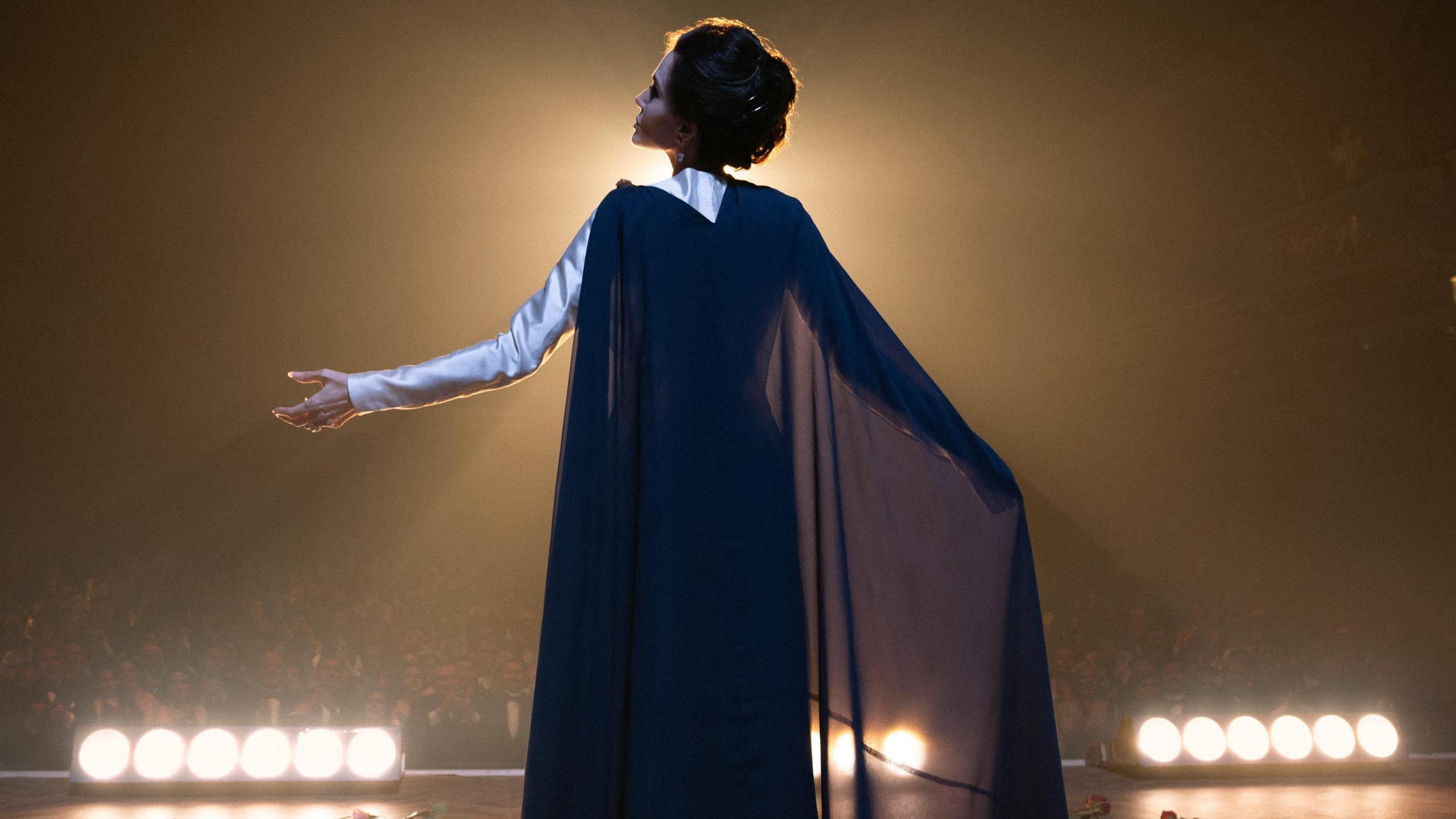
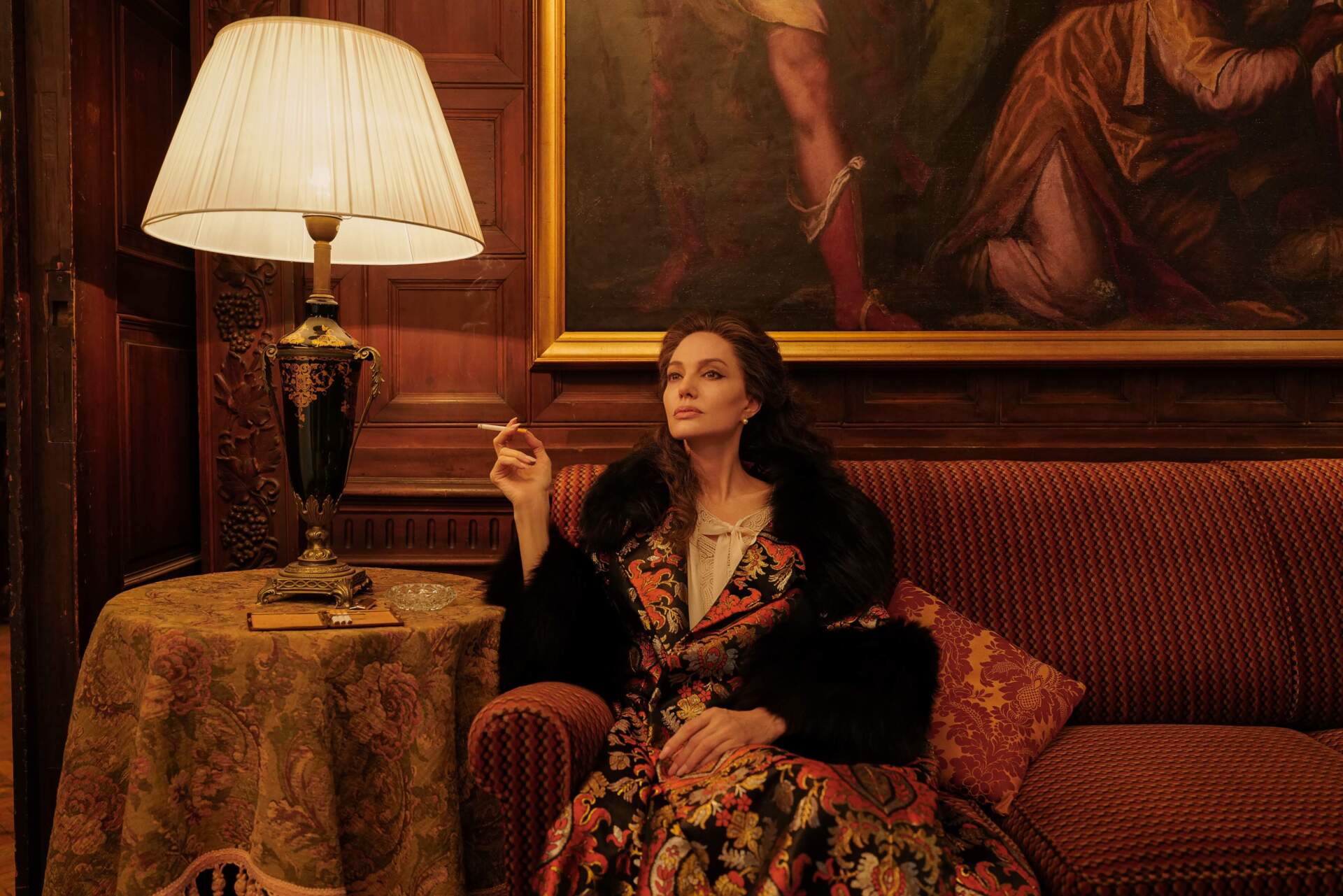
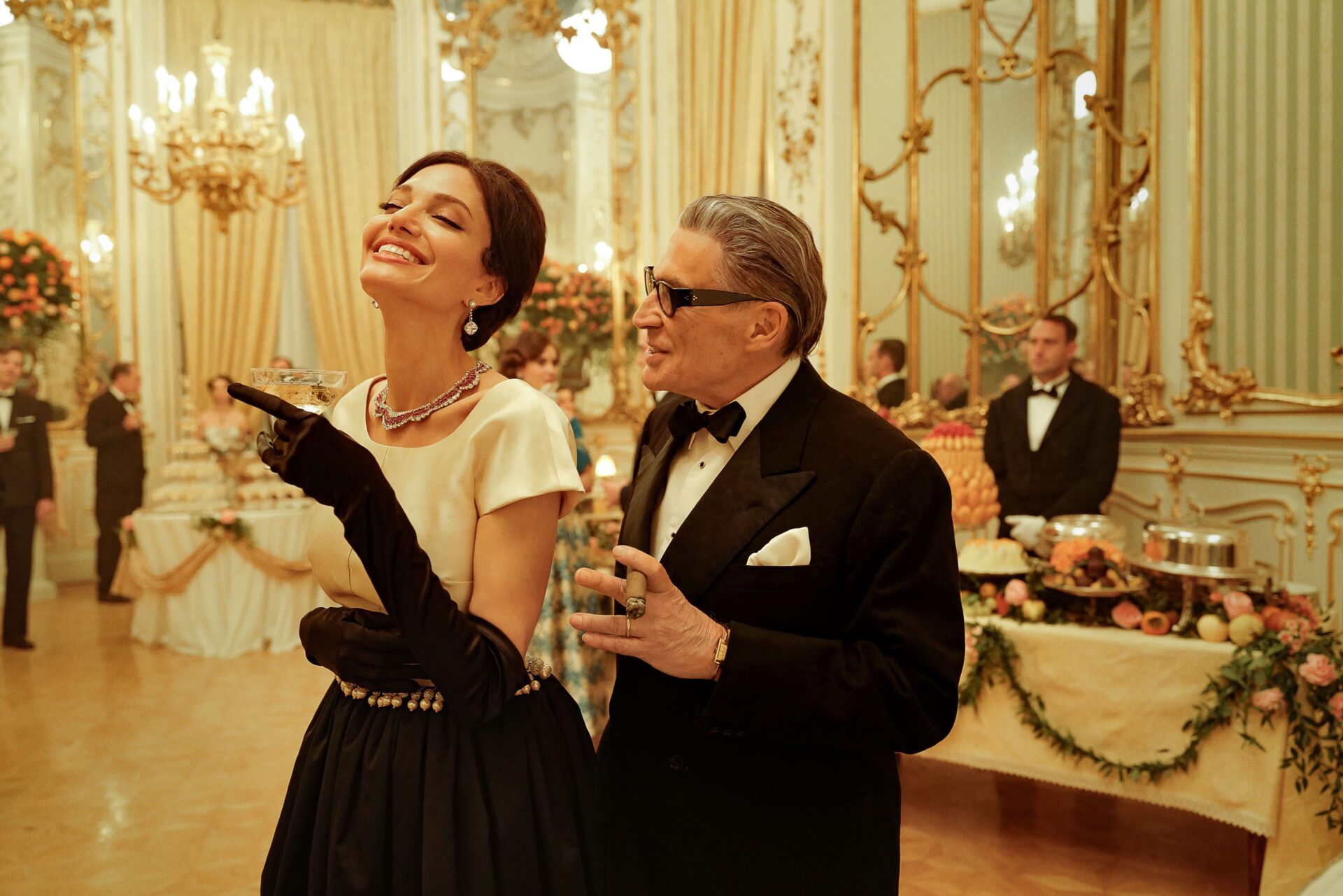
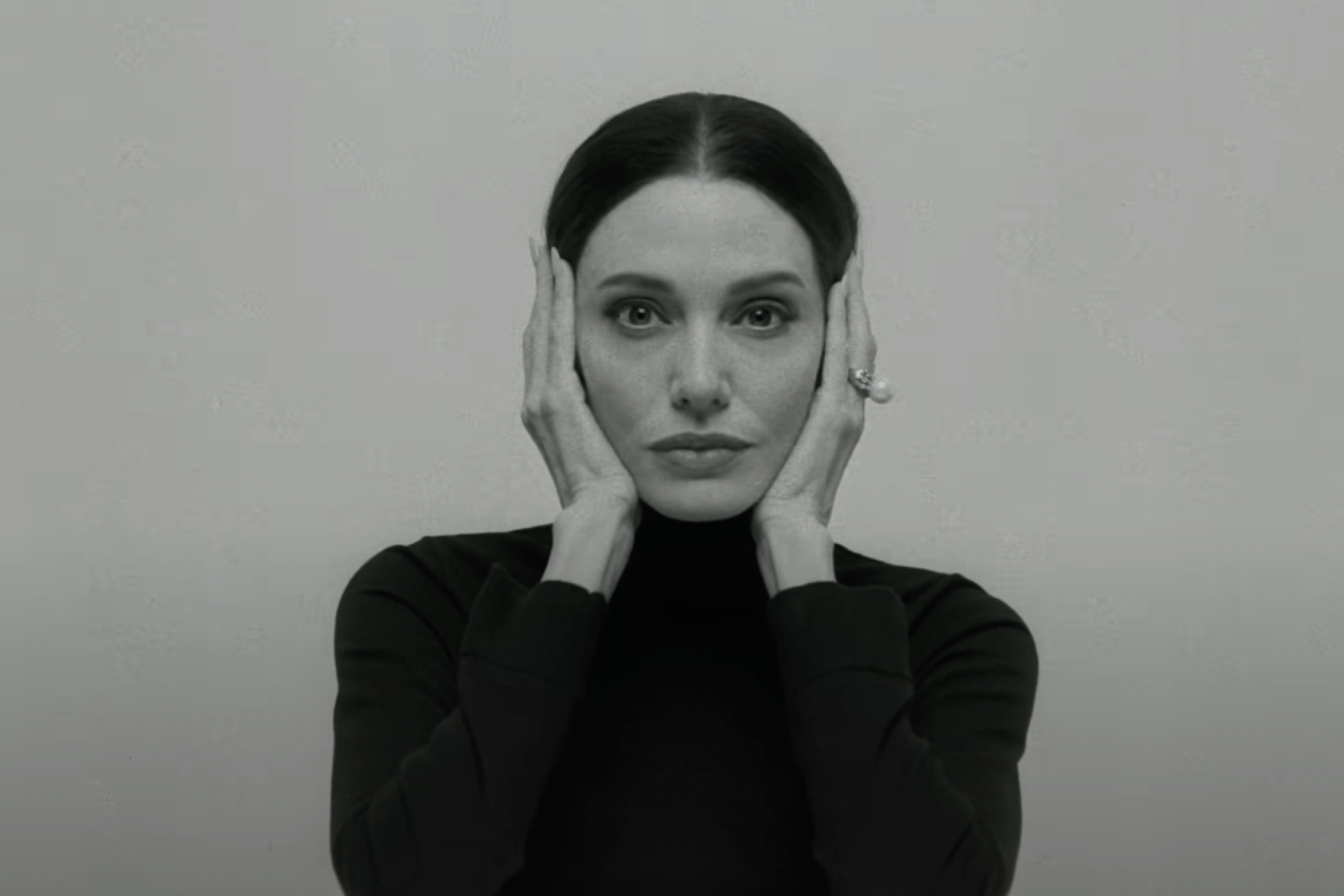
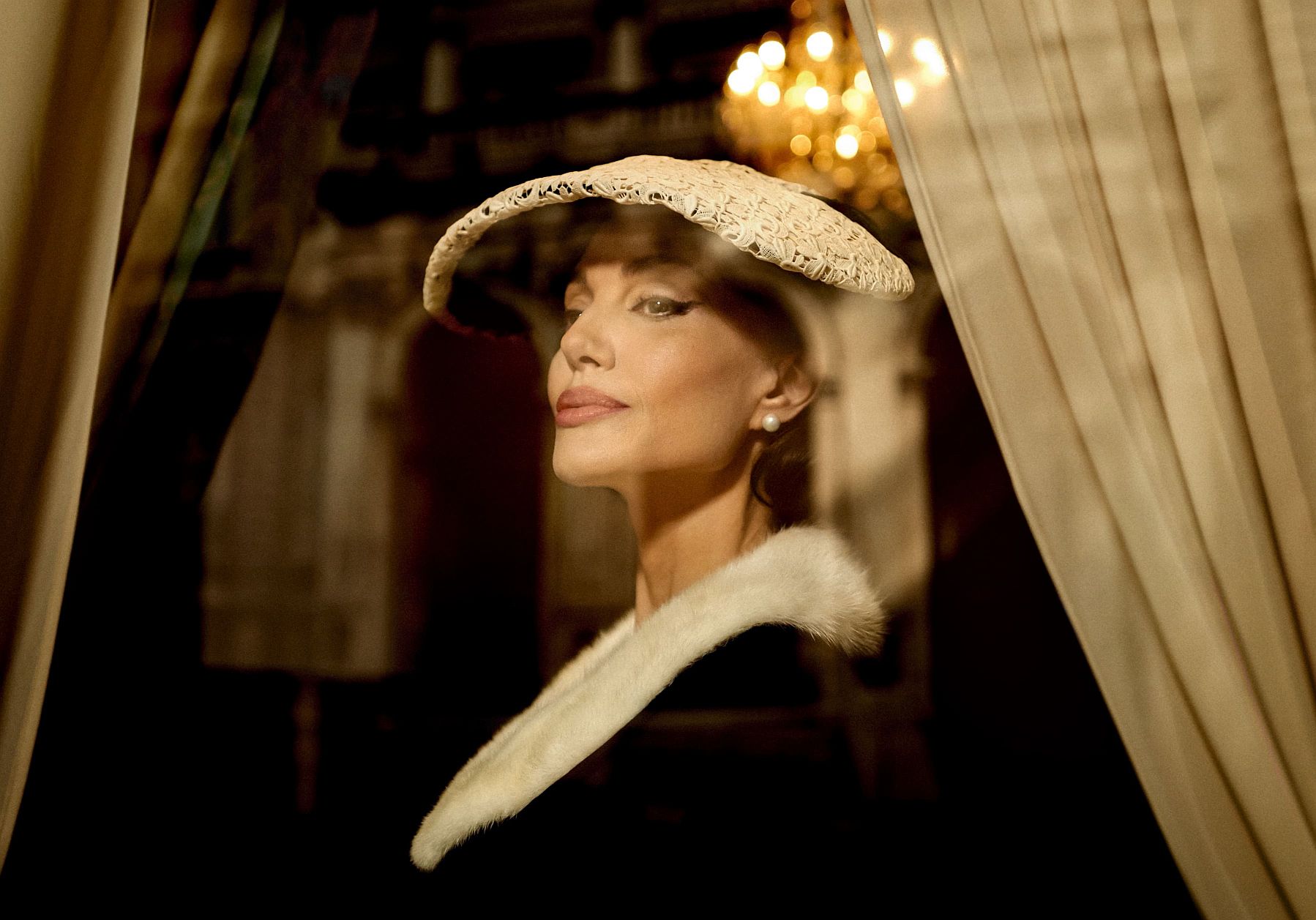
In the biographical drama Maria (2024), Angelina Jolie portrays the legendary opera soprano Maria Callas. To maintain the authenticity of the character’s final days in 1970s Paris, Jolie performed her own vocals for the film’s operatic sequences. These scenes blend her natural voice with archival recordings of Callas, creating a layered, immersive experience that captures the vulnerability and technical decline of the iconic singer.
The Artistic Challenge of Portraying Maria Callas
Portraying Maria Callas is widely considered one of the most daunting tasks for an actor. Known as "La Divina," Callas was not merely a singer; she was a cultural phenomenon whose voice redefined opera in the mid-20th century. When Angelina Jolie accepted the role in director Pablo Larraín’s film, the primary hurdle was addressing the iconic voice that defines the very subject matter of the movie.
The production faced a critical decision: should they use playback exclusively, or should the lead actress attempt to inhabit the vocal requirements of the role? For Jolie, the commitment to the character involved months of rigorous vocal training. She had to learn how to produce the specific resonance and breath control required for opera, even while portraying a character whose vocal powers were, within the narrative of the film, fading.
Technical Integration: How the Vocals Were Crafted
Achieving the soundscape of Maria required a sophisticated hybrid approach. It would be a disservice to both the audience and the legacy of Callas to either completely replace the actress's voice or force an amateur performance to carry the weight of operatic arias. Instead, the film’s sound design team utilized a technique of "blending."
The production merged Angelina Jolie’s voice with original, remastered recordings of Maria Callas. This technique allows the film to transition fluidly between the internal, lived experience of the character and the objective, legendary sound of the soprano. During the film's climax, the audience hears the texture of Jolie’s physical performance—the intake of breath, the quiver in the phrasing, and the emotional exhaustion—layered beneath the unmistakable, soaring timbre of Callas herself. This pedagogical approach ensures that while the viewer is immersed in the drama, they are never pulled out of the suspension of disbelief by an inaccurate vocal rendition.
The Role of Vocal Coaching and Preparation
Angelina Jolie spent approximately seven months preparing for the role of Maria Callas. Opera singing is a physiological feat that requires the engagement of the entire body, from the diaphragm to the soft palate. For an actor, this training is often transformative, as it forces the body into a posture of vulnerability and tension that is essential for depicting the character's fragile state.
Her training focused on three primary areas:
- Breath Management: Learning to hold notes while maintaining the specific cadence and dramatic pauses characteristic of Callas’s performance style.
- Postural Alignment: Opera requires an upright, open chest cavity. Jolie worked to integrate these physical requirements into her movement on set, ensuring that even when she was not singing, her body language suggested the habits of a lifelong professional singer.
- Phonetic Precision: Callas was known for her exceptional diction in various languages, including Italian and French. Jolie studied the specific linguistic nuances of the period to match the rhythmic delivery of the soprano.
Comparing Performance Approaches in Biographical Films
The approach taken in Maria differs significantly from other music-centric biopics where actors often opt for complete lip-syncing or complete vocal replacement. The following table illustrates the varying strategies used in recent biographical dramas:
| Film | Subject | Vocal Strategy | Impact on Realism |
|---|---|---|---|
| Maria (2024) | Maria Callas | Hybrid (Blended tracks) | High: Captures emotion and technical reality |
| Judy (2019) | Judy Garland | Lead actor singing | High: Allows for dramatic flexibility |
| Bohemian Rhapsody (2018) | Freddie Mercury | Archival/Studio hybrid | High: Iconic vocal integrity preserved |
| Elvis (2022) | Elvis Presley | Lead actor/Archival blend | Moderate: Focuses on kinetic performance |
The choice in Maria to use a hybrid method serves the narrative goal of representing a "ghost" of a once-great voice. By grounding the performance in Jolie’s own vocal effort, the film highlights the frailty of Callas during her final years in Paris.
Why the Hybrid Approach Matters
The decision to include Jolie’s vocals was not merely an aesthetic choice; it was a narrative necessity. By 1970, the real Maria Callas was suffering from significant vocal decline. The film needed to demonstrate that struggle. If the producers had used purely archival recordings—which are often flawless examples of Callas at her peak—the dissonance between the visual of an aging woman and the sound of a youthful, powerful voice would have been jarring.
By weaving in Jolie’s voice, the sound engineers could simulate the "cracks" and the effort required for an aging artist to hit certain notes. This reinforces the central theme of the movie: the disconnect between the myth of the opera star and the reality of the human being beneath the fame.
Common Questions Regarding the Performance
Did Angelina Jolie sing the entire opera in the movie? No, the film utilizes a layered approach that combines Jolie’s vocal efforts with original, archival recordings of Maria Callas. The intent was to capture the emotional reality of the character’s later life rather than produce a perfect studio cover album of Callas’s greatest hits.
Is it difficult for an actor to learn to sing opera for a film? Yes. Opera requires years of specialized training to master the technique of projecting over an orchestra without a microphone. While Jolie did not need to become a professional opera singer, the months of training were essential to achieving the correct physiological responses and breath control required for the camera.
Does the film use dubbing? The film uses a sophisticated audio-mixing process rather than traditional "dubbing." Dubbing implies a complete replacement of the actor's vocal contribution. In Maria, the final audio is a composite, intended to serve the dramatic narrative of a declining legend.
Why is this considered a career-defining role? The role of Maria Callas is widely regarded as a tour de force because it requires the actor to balance extreme emotional intensity with the physical discipline of a musician. It forces the lead to be both a dramatic actor and a performative artist simultaneously.
The Impact on the Audience and Legacy
For fans of opera, the film Maria serves as a bridge between the historical records of the past and a modern, dramatic interpretation. The film does not attempt to "replace" Callas; rather, it attempts to humanize her. By seeing Angelina Jolie perform these arias—with all the associated physical exertion and vulnerability—the audience is given a window into the cost of such a high-profile life.
This performance highlights how cinema can utilize sound design to elevate a biographical study. It moves beyond the standard biopic structure, utilizing the technical art of opera to convey the interior life of its protagonist. Whether viewers are long-time opera enthusiasts or newcomers to the works of Callas, the performance provides a compelling case for the necessity of authentic, character-led physical acting in musical dramas.
Recommendations for Further Viewing
If you are interested in the technical and emotional aspects of the film Maria, consider these actions:
- Listen to the Callas Originals: Prior to or following your viewing of the film, listen to original recordings of the arias featured in the movie, such as those from Norma or Tosca. Comparing the raw archival audio with the film’s soundscape will provide a deeper appreciation for the work done by the sound team.
- Review Behind-the-Scenes Featurettes: Look for official production insights released by the film’s distributor, which often detail the sound mixing process and Jolie’s preparation with vocal coaches.
- Explore the Setting: Familiarize yourself with the 1970s Paris timeline mentioned in the film, as the social and cultural environment of that era played a significant role in Callas’s final years.
By understanding the intricate balance between archive and performance, you will gain a clearer picture of how modern biographical films bridge the gap between historical figures and contemporary audiences.