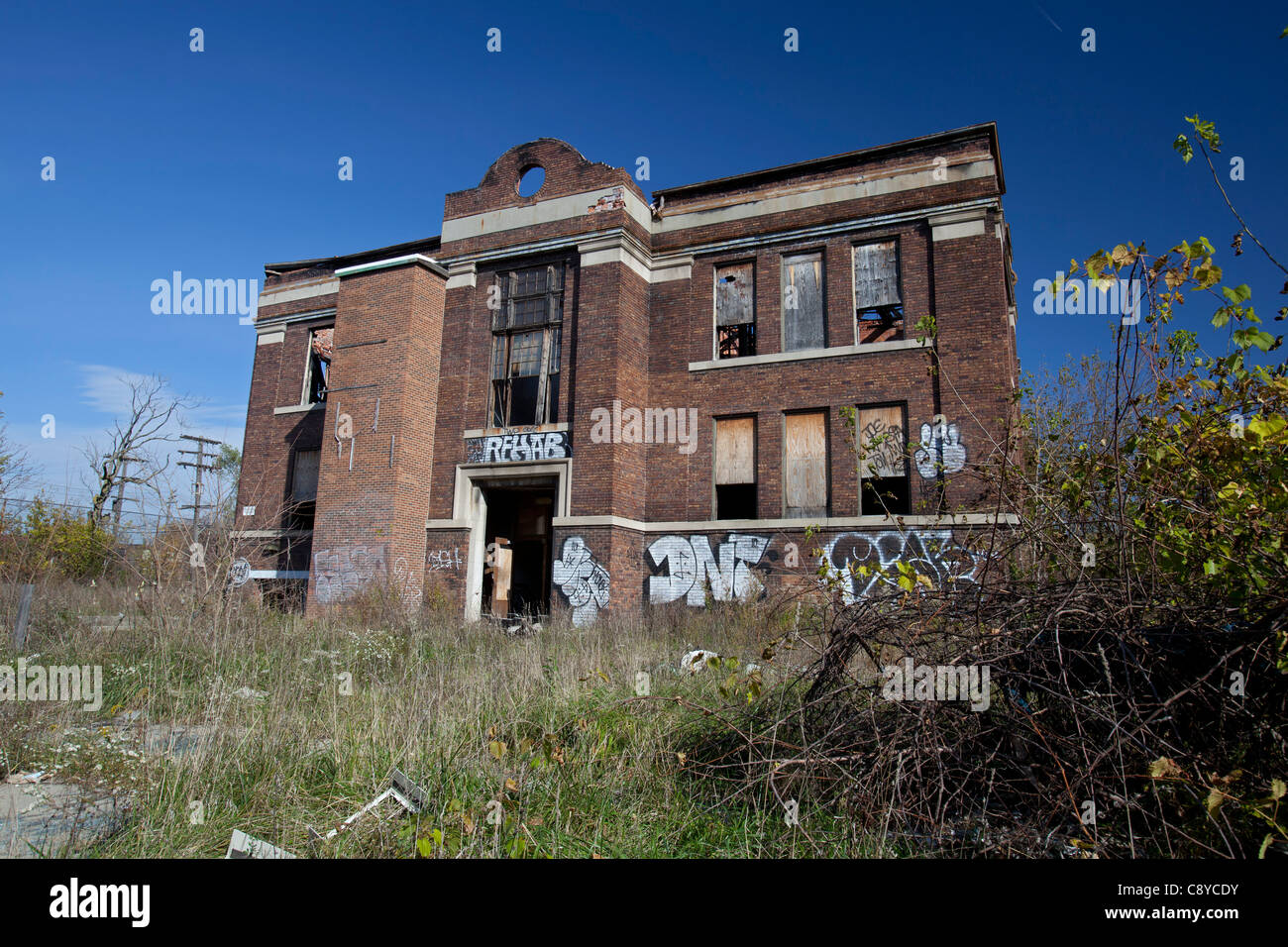
Alternative schools in Detroit, Michigan, provide specialized environments for students who require non-traditional paths to academic success, ranging from credit recovery and behavioral support to trauma-informed instruction. These institutions, including both Detroit Public Schools Community District (DPSCD) programs and various charter academies, offer flexible schedules, smaller class sizes, and integrated social services to help students earn a high school diploma or GED.
Understanding the Alternative Education Landscape in Detroit
As of 2026, the educational landscape in Detroit continues to evolve, placing a heavy emphasis on "alternative" pathways as a core component of the city’s mission to increase graduation rates. In Detroit, alternative education is not a one-size-fits-all category. It serves a diverse population including students who have fallen behind in credits, those dealing with significant life obstacles such as homelessness or parenthood, and students who simply do not thrive in the large, fast-paced environment of a traditional comprehensive high school.
The distinction between "alternative" schools and "specialty" schools is vital for Detroit families to understand. While specialty schools like Cass Technical High School or Renaissance High School are selective, application-based programs focused on high academic achievement or the arts, alternative schools are intervention-based. Their primary goal is to re-engage the "disconnected" learner. In the 2025–2026 academic year, the focus has shifted toward holistic wellness, recognizing that academic failure is often a symptom of external stressors such as food insecurity, housing instability, or untreated mental health needs.
The governance of these schools is split between the Detroit Public Schools Community District (DPSCD) and authorized charter school networks. Both sectors receive public funding, meaning there is no tuition cost for Detroit residents. However, the operational philosophy can vary significantly between a district-run "alternative program" and a "strict discipline academy" or a "charter for at-risk youth."
Key Categories of Alternative Schools in Detroit
When searching for the right placement, it is helpful to categorize Detroit’s alternative options by their primary mission. This ensures that the student’s specific barrier to education is being addressed by the school's specialized resources.
Credit Recovery and Accelerated Learning
These schools are designed for "over-age and under-credited" students. If a student is 17 years old but only has the credits of a freshman, a traditional high school can feel demoralizing. Accelerated programs allow students to work at a faster pace, often using modular, computer-based curricula paired with teacher support, to "catch up" to their graduating class.
Behavioral Support and Therapeutic Settings
Some students require a more structured environment due to behavioral challenges that have led to suspensions or expulsions in traditional settings. In Detroit, these schools often employ a higher ratio of social workers and counselors. The goal is not just punishment but the teaching of "soft skills" and emotional regulation, eventually aiming to transition the student back into a general education setting.
Career and Technical Education (CTE) Alternatives
While many traditional schools offer CTE, some alternative programs in Detroit lead with a "work-first" model. These are ideal for students who are more motivated by hands-on learning—such as automotive technology, culinary arts, or medical assisting—than by traditional liberal arts instruction. By 2026, many of these programs have expanded partnerships with local industries like the electric vehicle (EV) sector and urban agriculture.
Programs for Pregnant and Parenting Teens
Detroit has a long history of providing specific support for student parents. These alternative settings often provide on-site childcare, flexible "swing shifts" for classes, and prenatal/parenting education alongside standard academic requirements. This removes the primary barrier to attendance for young parents.
Notable Alternative Schools and Programs
Several institutions stand out in the Detroit area for their longevity and specific focus. These schools have adapted to the 2026 technological and economic environment to provide relevant support.
Covenant House Academy
Covenant House Academy operates several campuses across Detroit, including Southwest, Central, and East Side locations. It is a premier choice for students aged 16–22 who have dropped out or are at risk of doing so. Their model is uniquely flexible, offering year-round enrollment and a self-paced curriculum. Because they work closely with the Covenant House shelter, they are exceptionally well-equipped to handle the needs of homeless or highly mobile youth.
Legacy Academy (DPSCD)
As the flagship alternative school for the district, Legacy Academy focuses on providing a smaller, more intimate learning environment. For the 2026 school year, Legacy has integrated more "blended learning" models, allowing students to complete a portion of their coursework online while attending in-person sessions for targeted tutoring and social-emotional support.
West Side Academy
West Side Academy of Information Technology and Cyber Security serves as an alternative for students who need a different pace but are interested in the tech sector. It combines credit recovery with specialized certifications. This dual-purpose approach helps students see the immediate value of their high school diploma in the Detroit job market.
Pathways Academy
This charter high school specifically targets students who have struggled in larger environments. Pathways is known for its intensive "wraparound services," which include life coaching and help with navigating social services. Their approach assumes that if a student's basic needs are met, academic performance will naturally follow.
Comparing School Types in Detroit (2026 Data)
| Feature | Traditional DPSCD High School | Charter Alternative Academy | District Alternative (Legacy) |
|---|---|---|---|
| Class Size | 25–35 Students | 10–15 Students | 12–18 Students |
| Curriculum Pace | Semester-based / Fixed | Self-paced / Modular | Hybrid / Flexible |
| Enrollment Window | Fall/Winter Starts | Rolling Enrollment | Monthly or Semester |
| Age Limit | Typically 18–19 | Often up to 22 | Up to 20 (varies) |
| Focus Area | General Education/College Prep | Credit Recovery/Life Skills | Intensive Support/Intervention |
| Transportation | Standard Bus Routes | Often Limited / DDOT Passes | Varies by Program |
Eligibility and the Enrollment Process
Enrolling in an alternative school in Detroit is different from the standard "neighborhood school" assignment. Because these programs are specialized, there are often prerequisites or specific intake steps.
- Referral or Self-Identification: Many students are referred to alternative programs by their current school counselor after a series of academic failures or disciplinary incidents. However, students and parents can also self-identify as needing an alternative setting.
- Age and Residency Verification: Most programs require proof of residency within the City of Detroit. For charter academies like Covenant House, the age limit extends to 22, making them a vital resource for "returning" students who previously dropped out.
- Transcripts and IEPs: Schools will need a copy of the student's most recent transcripts to determine which credits are missing. If a student has an Individualized Education Program (IEP) for special education services, the alternative school must review it to ensure they can provide the necessary accommodations.
- The Intake Interview: Unlike traditional schools, many alternative programs require an interview with the student and parent. This is not to "weed out" students, but to ensure the school’s specific model (e.g., self-paced vs. strict discipline) aligns with the student’s needs.
For more information on state-level requirements for alternative education, the Michigan Department of Education provides guidelines on how these schools must operate to maintain accreditation and receive funding.
The Role of Wraparound Services in 2026
In 2026, the success of Detroit’s alternative schools is largely attributed to "wraparound services." This term refers to any support service that exists outside of direct classroom instruction but is necessary for a student to stay in school.
- Mental Health Support: Given the high rates of community trauma, schools have moved beyond having one counselor for 500 students. Alternative schools in Detroit often have a 1:50 ratio of social workers to students.
- Transportation Assistance: For many Detroiters, getting to school is a hurdle. Many alternative schools provide free Detroit Department of Transportation (DDOT) passes or operate their own small-shuttle van services to pick up students in areas underserved by major bus lines.
- Nutrition and Basic Needs: Many campuses now host "peace closets" or pantries where students can access professional clothing for interviews, hygiene products, and non-perishable food.
- Legal and Housing Advocacy: Because housing instability is a leading cause of school dropout, some alternative programs partner with local nonprofits to provide legal aid or housing referrals directly on the school campus.
Success Strategies for Families
Choosing an alternative school is a significant decision. To ensure the best outcome for the student, families should consider several factors during the selection process.
First, evaluate the school's graduation requirements. Ensure that the school offers a high school diploma recognized by the state of Michigan, rather than just a certificate of completion. A standard diploma is essential for joining the military, applying for federal financial aid (FAFSA), or entering most trade schools.
Second, consider the "vibe" of the campus. Some alternative schools are "Strict Discipline Academies" which operate with a high degree of security and rigid rules. This may be exactly what some students need for a "reset," while others may find it stifling and do better in a "Therapeutic" or "Open" model that emphasizes student autonomy.
Third, ask about post-graduation placement. The best alternative schools in Detroit don't stop at the diploma. They have robust programs to transition students into the workforce or higher education. Look for schools that have active partnerships with the Wayne County RESA for career training or local community colleges like Wayne County Community College District (WCCCD).
Challenges and Considerations
While alternative schools offer a lifeline, they are not without challenges. One common issue in Detroit is the "stigma" associated with these schools. Students may feel that attending an alternative school means they have "failed." It is important for parents and educators to frame these schools as "specialized pathways" rather than "second-best" options.
Furthermore, students in self-paced programs must have a high degree of self-discipline. Without the rigid structure of a traditional 8:00 AM to 3:00 PM bell schedule, some students may struggle to make progress. Finding a school that balances flexibility with regular "check-ins" from a mentor or success coach is often the key to avoiding this pitfall.
Frequently Asked Questions
Are alternative schools in Detroit free to attend?
Yes. All alternative schools that are part of DPSCD or are authorized charter schools are tuition-free, public institutions. They are funded by state and federal tax dollars.
Can a student return to a traditional high school after attending an alternative school?
In many cases, yes. The goal of some alternative programs is "remediation and transition." Once a student has caught up on credits or demonstrated behavioral stability, they can work with their counselor to transition back to their neighborhood school. However, many students choose to stay in the alternative setting once they find success there.
Do alternative schools offer sports and extracurricular activities?
This varies. Some smaller alternative academies do not have the facilities for competitive sports teams. However, some programs allow students to participate in sports at their "home" traditional school, or they offer unique clubs like e-sports, robotics, or urban gardening that fit their smaller student body.
Is a diploma from an alternative school viewed differently by colleges?
No. A high school diploma issued by a state-accredited alternative school in Michigan is legally and academically equivalent to any other high school diploma. Colleges and employers focus on the fact that the requirements for the Michigan Merit Curriculum were met.
What is the maximum age to enroll in a Detroit alternative high school?
For most traditional districts, the age limit is 18 or 19. However, "Alternative Education for Adults" and certain charter academies like Covenant House allow students to remain enrolled until they are 22 years old, provided they are making continuous progress toward their diploma.
Recommendations and Next Steps
If you believe a student would benefit from an alternative school in Detroit, the first step is to request a meeting with their current school counselor to discuss "Alternative Placement Options." If the student is currently out of school, contact the DPSCD Enrollment Office or visit a Covenant House Academy campus directly for an intake assessment.
Before committing, visit the campus during school hours. Observe the interactions between students and staff. In an effective alternative setting, you should see a high level of mutual respect and a clear focus on individual student goals. For the 2026 school year, the best time to begin this process is in late spring for a fall start, or in December for a mid-year transition.