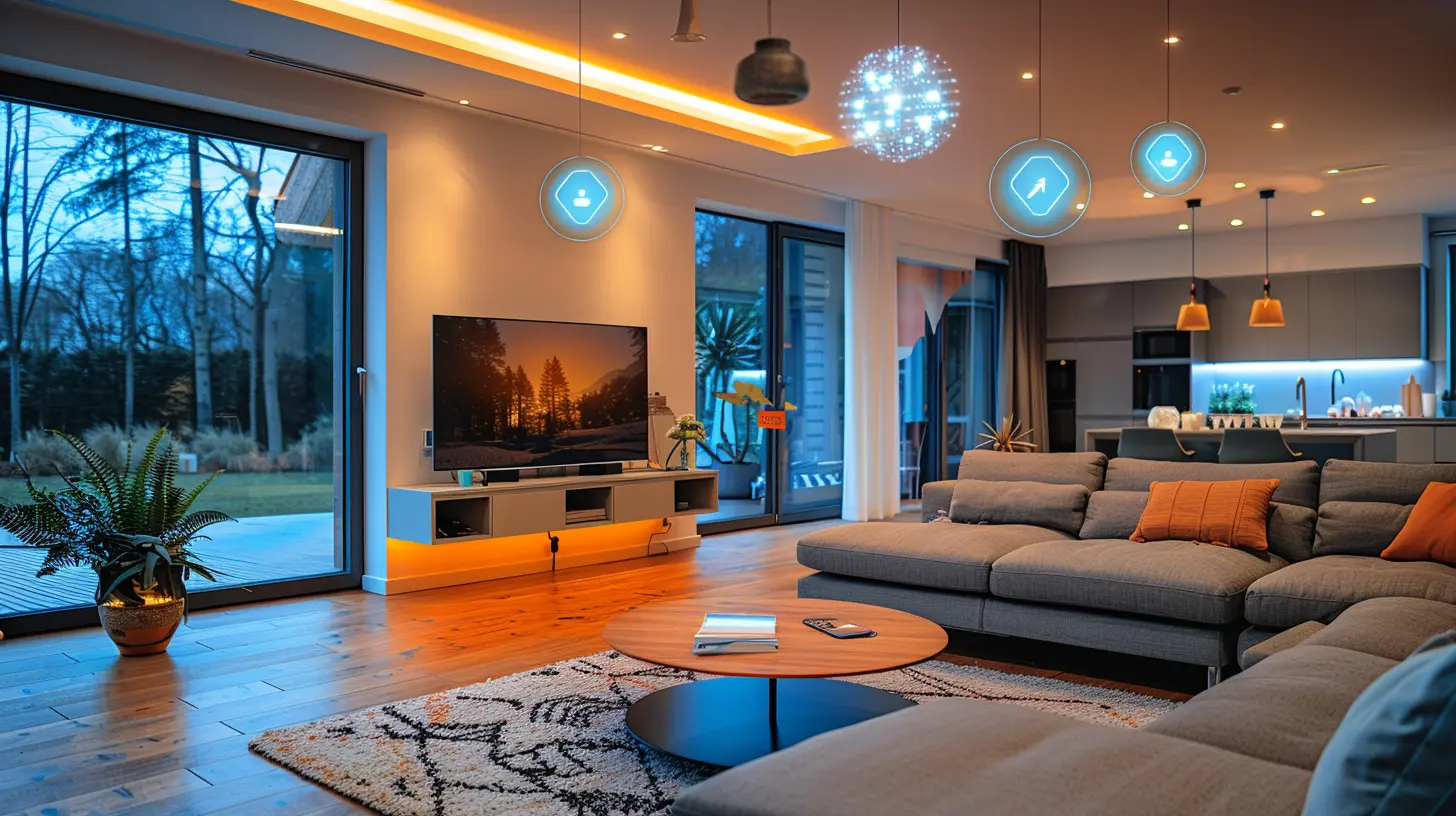
In 2026, Alsons Development and Investment Corporation (Alsons Dev) has successfully redefined the residential landscape by shifting smart home design from optional gadgetry to an integrated architectural standard. This transition focuses on embedding fiber-ready infrastructure, automated security, and energy-efficient climate controls directly into the structural DNA of their premium Mindanao-based developments.
The evolution of residential real estate is no longer measured solely by square footage or aesthetic finishes. As we move through 2026, the industry has seen a decisive pivot toward "intelligent living environments." Leading this charge in the southern Philippines is Alsons Corp, specifically through its real estate arm, Alsons Dev. For decades, the company built a reputation on sprawling suburban estates like Ladislawa Garden Village and Woodridge Park. However, the last few years have marked a significant "shift" where technology is treated as a core utility, much like water or electricity.
The Philosophical Pivot: From Add-on to Integration
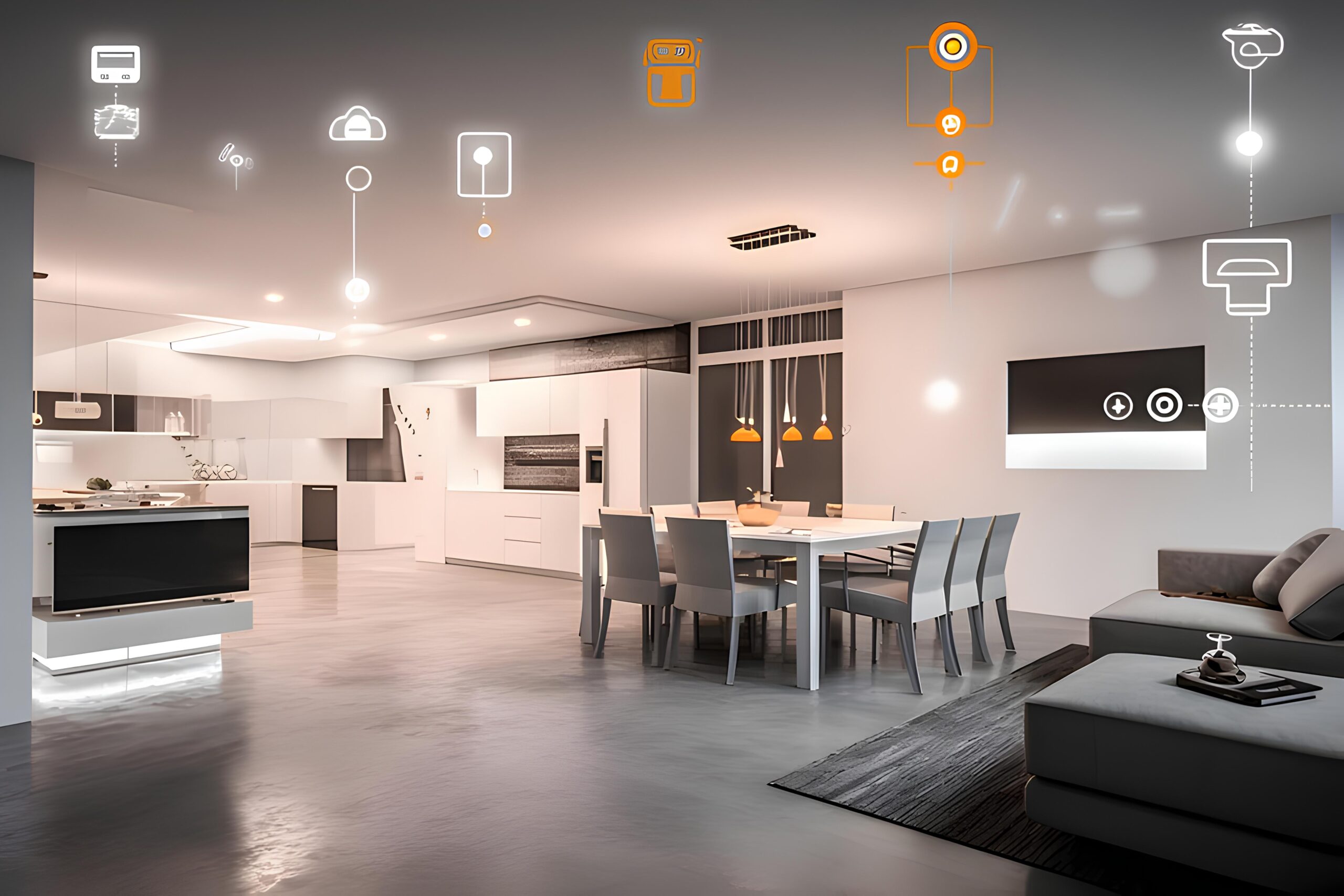
The core of the shift in smart home design at Alsons Corp lies in the philosophy of "Invisible Technology." In the early 2020s, a smart home was often defined by the number of third-party devices a homeowner could plug into a wall—smart bulbs, standalone cameras, and voice assistants that often struggled to communicate with one another. By 2026, Alsons Dev has moved toward a holistic design approach where the hardware is recessed, the wiring is foundational, and the software is unified.
This shift addresses a primary pain point for modern homeowners: complexity. By designing homes that are "Smart-Ready" from the blueprint stage, Alsons Corp eliminates the need for invasive retrofitting. This includes dedicated conduits for high-speed data, centralized hubs for Internet of Things (IoT) connectivity, and architectural considerations for signal propagation, ensuring that thick concrete walls do not create "dead zones" for Wi-Fi 7 or 5G indoor relays.
Foundational Infrastructure: The Backbone of the Modern Home
A smart home is only as reliable as the network supporting it. Alsons Corp recognized early that the shift in design required a partnership with telecommunications providers to ensure fiber-to-the-home (FTTH) was not just available, but optimized.
High-Speed Connectivity and Mesh Readiness
In 2026 developments, such as the expanded phases of Northtown and the newer Avia Estate, homes are built with pre-installed mesh network nodes. This architectural foresight ensures that as the resident moves from the kitchen to the outdoor patio, their connection remains seamless. This is critical for the "Work from Anywhere" culture that has solidified in 2026, where low-latency video conferencing and cloud-based CAD processing are standard requirements for professionals living in these communities.
The Unified Control Hub
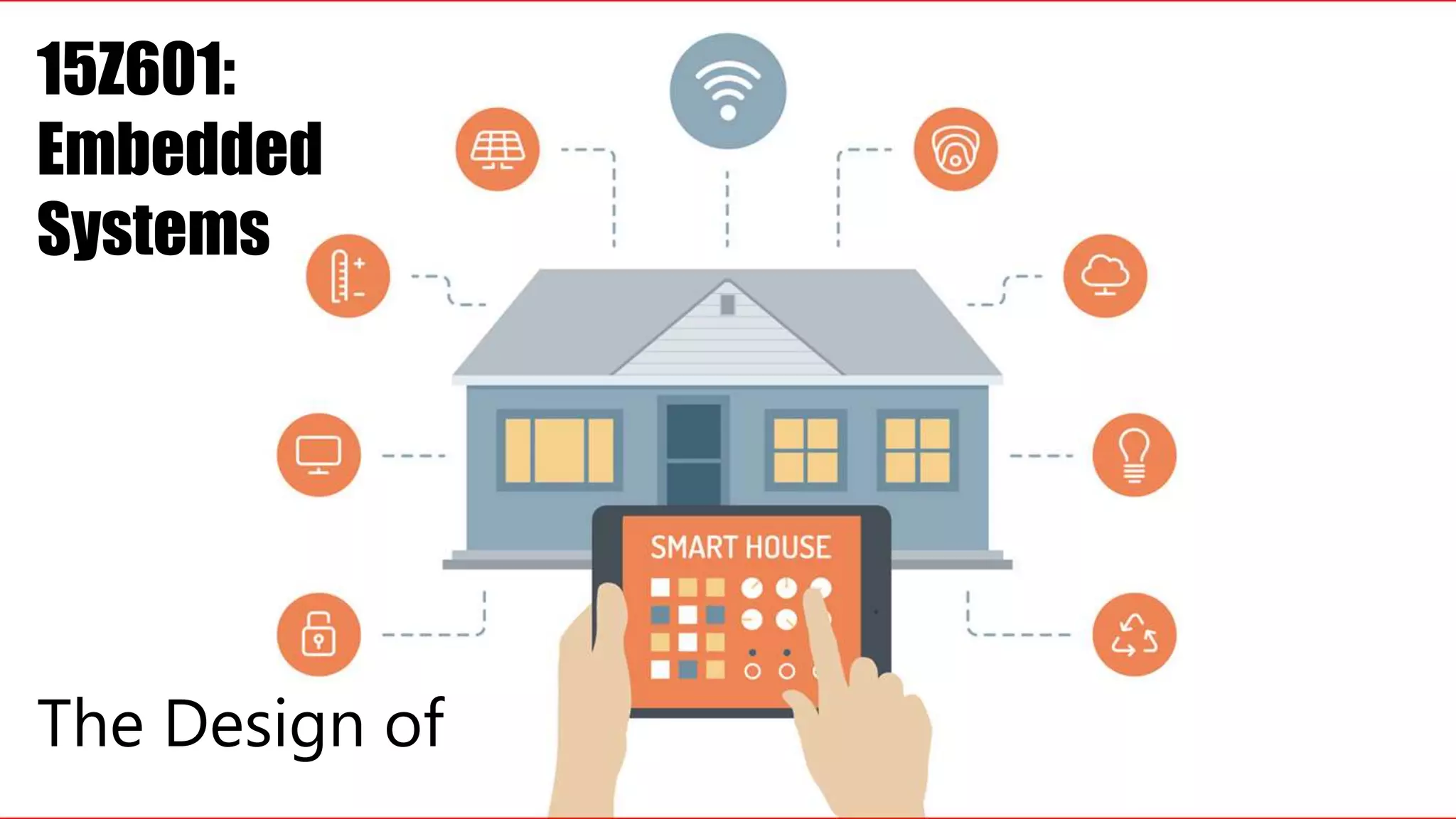
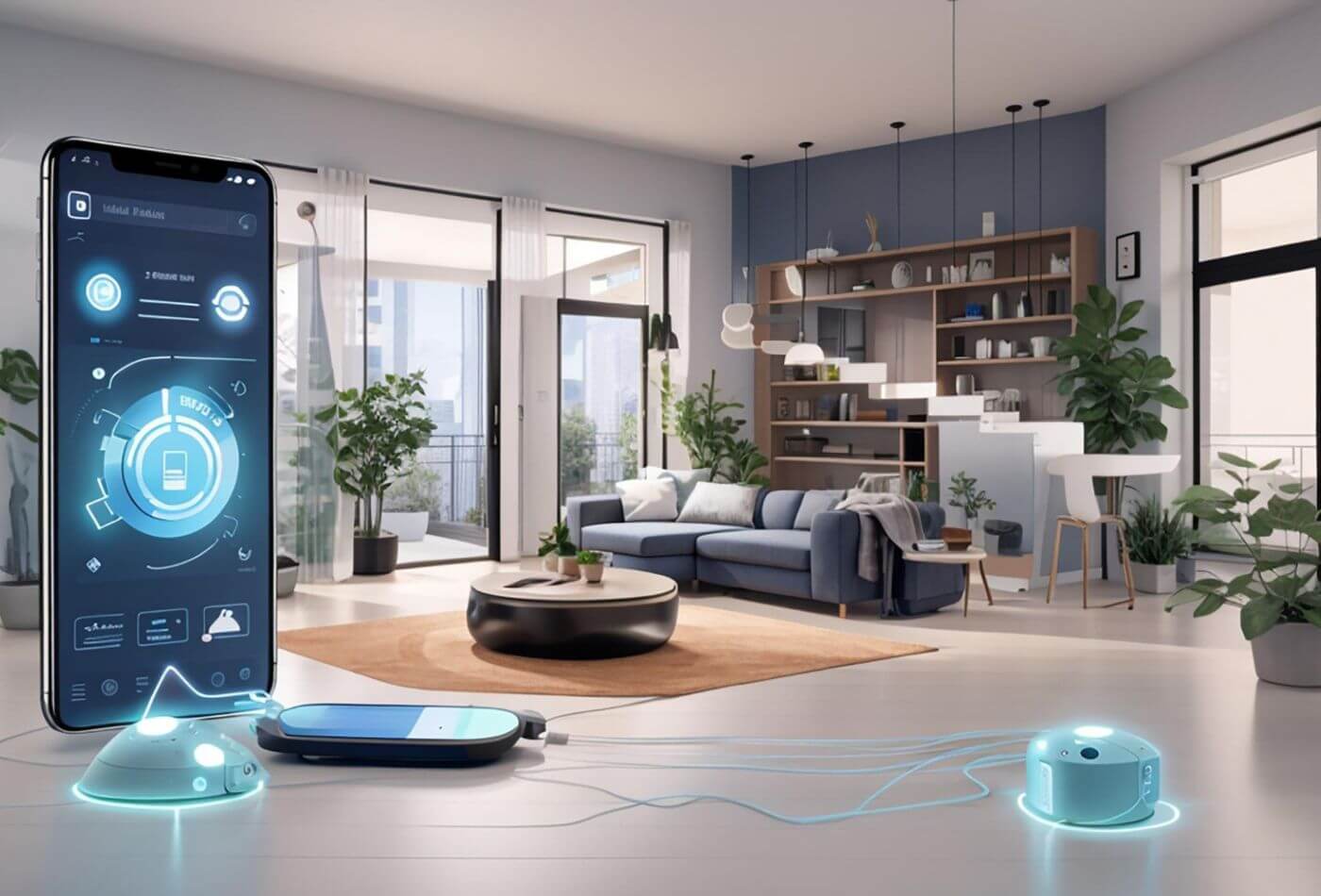
The design shift also includes the standardization of the Matter protocol. By ensuring that the built-in infrastructure is compatible with the Matter standard, Alsons Corp allows homeowners to use their preferred ecosystem—whether it be Apple Home, Google Home, or Amazon Alexa—without worrying about device fragmentation. The home itself acts as a neutral platform, providing the power and connectivity needed for a diverse range of smart appliances.
Security as a Structural Component
Security has always been a hallmark of Alsons Dev properties, but the shift in smart home design has moved security from the perimeter fence to the front door and beyond. In 2026, "Design-Led Security" means that surveillance and access control are discreetly integrated into the aesthetic of the house.
Biometric and Touchless Access
Standard design now includes smart locks with biometric authentication (fingerprint and facial recognition) and temporary digital keys for guests or service providers. This eliminates the physical management of keys and provides a digital audit trail for the homeowner.
AI-Driven Perimeter Monitoring
On a community level, Alsons Corp has integrated AI-driven analytics into the neighborhood's CCTV systems. These systems can distinguish between a stray animal and an unauthorized intruder, reducing false alarms and ensuring a faster response from onsite security teams. For the individual homeowner, these community-level feeds can often be integrated into their personal home dashboard, providing a "layers of protection" approach that begins at the township gate and ends at the bedroom door.
Sustainability Through Intelligent Automation
In 2026, the shift in smart home design is inextricably linked to environmental responsibility. Mindanao’s climate demands significant energy for cooling, and Alsons Corp has responded by using smart design to mitigate energy waste.
Smart Climate Control
Modern Alsons homes are equipped with multi-zone HVAC (Heating, Ventilation, and Air Conditioning) systems. Rather than cooling an entire house, sensors detect occupancy and adjust temperatures accordingly. Furthermore, smart window treatments are programmed to close during the peak heat of the afternoon, reducing the thermal load on the interior and lowering energy consumption.
Solar Integration and Monitoring
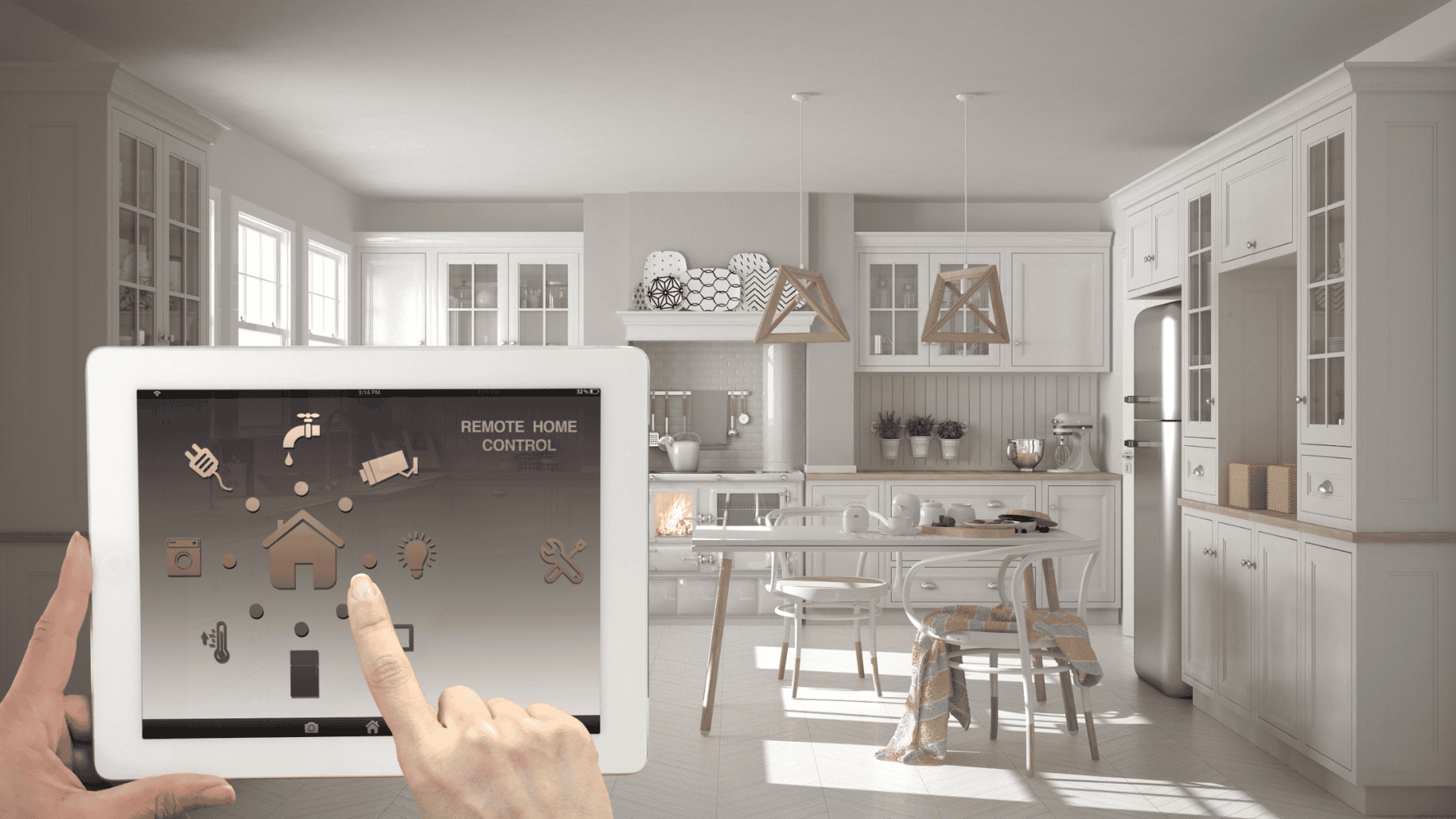
Reflecting the 2026 trend toward energy independence, many of Alsons’ newer builds come "solar-ready." This means the structural load-bearing capacity of the roofs is calculated for photovoltaic panels, and the electrical rooms are pre-wired for battery storage systems like the latest generation of home power walls. Integrated software allows homeowners to monitor their energy production versus consumption in real-time via their smartphones.
Architectural Adaptations for Tech-Centric Living
The physical layout of the home has changed to reflect this shift. Architects at Alsons Corp now prioritize different elements than they did a decade ago:
- Dedicated Tech Closets: Small, ventilated spaces designed to house routers, servers, and security DVRs, keeping unsightly wires out of living areas.
- Smart Kitchens: Countertops with integrated wireless charging pads and cabinetry designed to accommodate smart appliances that require both water and data connections.
- Flexible Home Offices: Rooms designed with acoustic buffering and "background-ready" lighting, specifically optimized for professional remote work.
- Outdoor Living Connectivity: Patios and gardens are now designed with weatherproof smart speakers and lighting systems, extending the "living room" into the outdoors.
Comparison: Traditional vs. 2026 Smart Home Design
The following table highlights the specific shifts in design standards implemented by Alsons Corp between the traditional building era and the 2026 standard.
| Feature | Traditional Design (Pre-2020) | 2026 Smart Design (Alsons Corp) |
|---|---|---|
| Connectivity | Standard copper/coaxial wiring; Wi-Fi via a single router. | Fiber-to-the-home (FTTH) with pre-installed mesh nodes. |
| Security | Physical keys; independent alarm systems; manual gates. | Biometric access; AI-integrated surveillance; unified app control. |
| Energy Management | Manual thermostats; standard lighting switches. | AI-driven multi-zone HVAC; automated smart lighting and shades. |
| Infrastructure | Visible wiring; limited power outlets; no data conduits. | Recessed hardware; tech-closets; Matter-compatible hubs. |
| Sustainability | Passive cooling; standard roofing materials. | Solar-ready roofs; smart energy monitoring; optimized thermal loads. |
| Water Management | Manual irrigation for gardens. | Soil-moisture sensors with automated, weather-synced irrigation. |
Practical Implementation: Steps for Homeowners
For those looking to transition into an Alsons Corp smart-designed home in 2026, the process is streamlined to ensure user-friendliness.
Step 1: Needs Assessment
Before moving in, homeowners work with a digital lifestyle consultant provided by the developer. This involves identifying which aspects of automation are most important—be it security, entertainment, or energy savings.
Step 2: Ecosystem Selection
While the home is Matter-compatible, the user must choose their primary interface (e.g., Apple HomeKit). The pre-installed infrastructure is then configured to sync with this specific ecosystem.
Step 3: Hardware Commissioning
Devices like smart appliances, cameras, and thermostats are "onboarded" to the home's private, encrypted network. Alsons Dev ensures that all foundational hardware is updated to the latest firmware before handover.
Step 4: Ongoing Optimization
The shift in design includes post-occupancy support. In 2026, this often involves "over-the-air" updates for the home’s central operating system, ensuring that the security protocols remain robust against new cyber threats.
Challenges and Considerations in the Shift
While the shift toward smart design offers numerous benefits, it is not without challenges. Alsons Corp has addressed several key concerns:
- Privacy and Data Security: With more devices connected to the internet, data privacy is paramount. Alsons' design standards prioritize local processing—meaning data from security cameras is stored and processed within the home’s local hub rather than the cloud whenever possible.
- Technological Obsolescence: To prevent the home from becoming "outdated," the company uses modular components. For instance, the smart hubs are designed to be easily swappable if a new wireless standard replaces Wi-Fi 7 in the future.
- User Learning Curve: Not every homeowner is a "tech-native." Alsons Dev provides comprehensive digital handbooks and "concierge" services to help residents master their home's automation features without frustration.
FAQ
What does "Smart-Ready" mean in an Alsons Corp development?
"Smart-Ready" indicates that the home is built with the necessary physical and digital infrastructure to support a wide array of automation. This includes fiber-optic conduits, strategically placed power outlets for sensors, and a centralized hub location, allowing for immediate tech integration without drilling or rewiring.
Is the smart home technology mandatory for all residents?
While the infrastructure is built-in as a standard, the level of "active" technology is at the discretion of the homeowner. Residents can choose to use the home as a traditional residence or activate various layers of automation as they see fit.
How does the 2026 design shift affect property value?
Properties with integrated smart design typically command higher resale values and attract premium tenants. In 2026, a home without foundational smart infrastructure is often viewed similarly to a home without proper insulation or modern plumbing—it is seen as a liability that requires future investment.
Does Alsons Corp provide technical support for these smart features?
Yes. As part of the shift in service delivery, Alsons Dev offers dedicated technical support for the home’s foundational systems. This ensures that the essential connectivity and security features remain operational, though third-party gadgets (like a specific brand of smart toaster) are usually supported by their respective manufacturers.
How secure are these homes from hacking?
Security is handled through a combination of hardware-level encryption and the Matter protocol’s strict security standards. By encouraging "local-first" data processing, the design minimizes the exposure of sensitive information to the public internet.
Moving Forward: The Future of Residential Living
The shift in smart home design pioneered by Alsons Corp in 2026 represents more than just a trend; it is a fundamental change in how we define "home." By moving away from a collection of disparate gadgets and toward a unified, architecturally integrated system, they have created living spaces that are more secure, more efficient, and more adaptable to the needs of the modern family.
For prospective homeowners and investors, the recommendation is clear: prioritize properties where technology is a foundational element rather than a superficial addition. This ensures that the home remains relevant, functional, and valuable in an increasingly connected world.