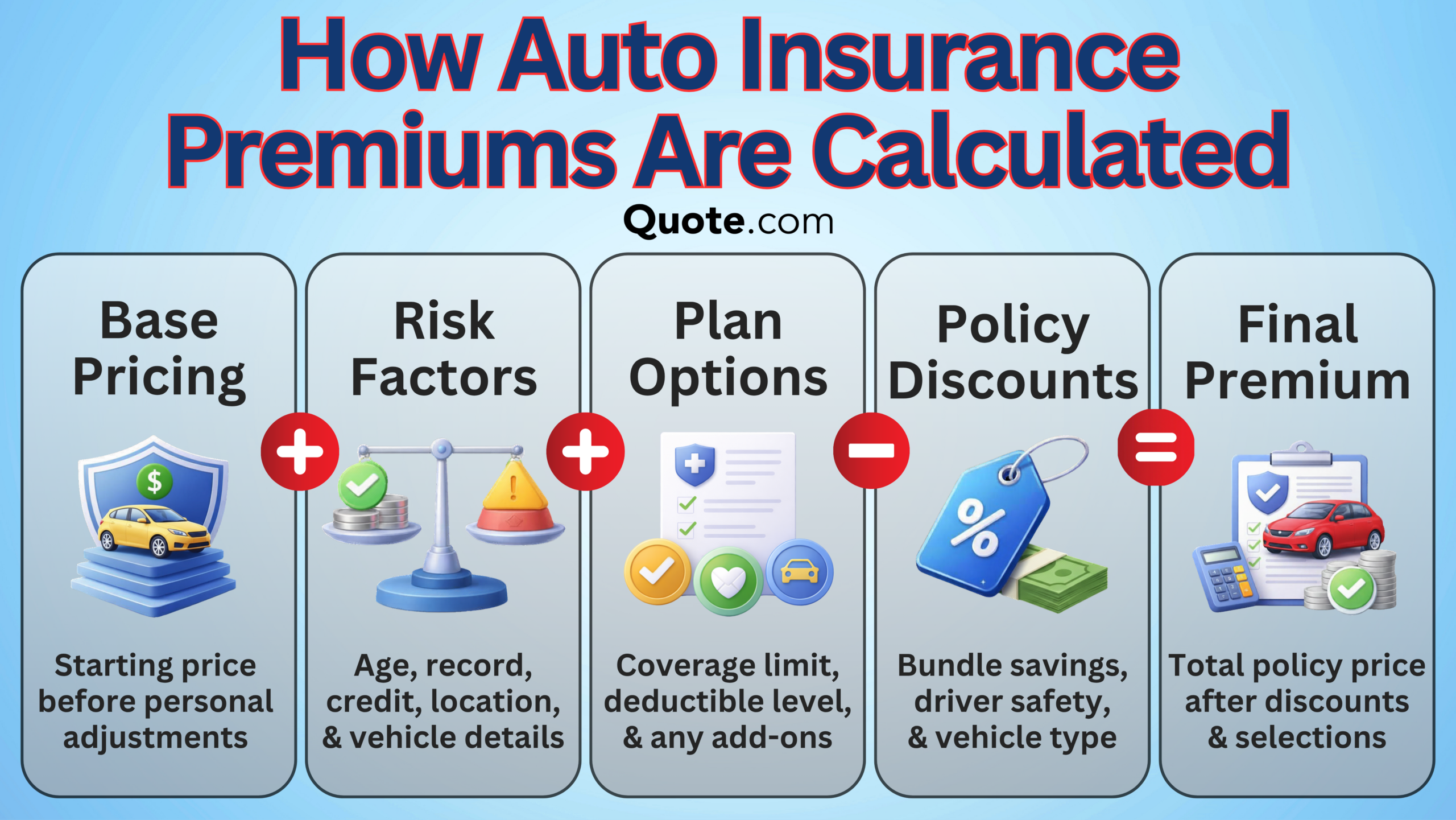
Allstate, like many major auto insurance providers in the United States, uses a proprietary credit-based insurance score as one of several rating factors to calculate policy premiums. This numerical value is derived from your credit report and is statistically correlated with the likelihood of filing an insurance claim. A higher score typically correlates with a lower premium, while a lower score can lead to higher costs, though state regulations often dictate the extent to which this data can influence your final rate.
Understanding the Credit-Based Insurance Score
To understand how Allstate prices your policy, it is essential to distinguish between a standard credit score used by lenders and the credit-based insurance score used by insurers. When you apply for an auto policy, Allstate does not look at your FICO or VantageScore used for mortgages or credit cards. Instead, they access a specialized report that isolates credit-related behaviors relevant to risk assessment.
This score is calculated using data from your credit history, including payment history, the age of your accounts, outstanding debt, and the types of credit you utilize. Insurance companies rely on actuarial science, which suggests that individuals who manage their financial obligations reliably are often more conscientious in other areas of their lives, including the maintenance and operation of their vehicles.
It is important to note that this process is a "soft inquiry." Unlike applying for a loan or a new credit card, which can temporarily dip your credit score due to a "hard inquiry," an insurance quote from Allstate will not negatively impact your credit standing.
The Regulatory Landscape and Geographic Variability
The application of credit data in insurance pricing is not uniform across the United States. While Allstate generally utilizes these scores to adjust premiums, they must comply with specific state insurance department regulations.
Several states have enacted legislation that restricts or entirely prohibits the use of credit-based insurance scores in auto insurance underwriting. For example, states like California, Hawaii, Massachusetts, and Michigan have passed laws that prevent insurance companies from using credit history as a primary factor in determining the cost of coverage. If you reside in one of these jurisdictions, your credit score will have no impact on your Allstate auto insurance premium, regardless of your personal financial history.
In states where the practice is permitted, Allstate must adhere to guidelines set by the local insurance commissioner. These rules ensure that the scoring models are fair and do not unfairly discriminate against protected classes, though the specific weight given to the score remains a component of the company's approved rate filings.
Factors Influencing Your Insurance Score
While Allstate does not publish the exact internal formula used to weigh your credit data, the industry standard focuses on patterns rather than raw debt totals. The components generally include:
- Payment History: This is the most significant factor. Late payments, accounts sent to collections, or bankruptcies are viewed as indicators of potential risk.
- Credit Utilization: The amount of available credit you are currently using. High utilization relative to your limits can suggest financial stress.
- Length of Credit History: Longer credit history provides more data points for actuarial models to assess, which is generally viewed as more stable.
- Types of Credit in Use: A diverse mix of credit accounts (e.g., installment loans, credit cards, mortgages) is typically viewed more favorably than a history consisting exclusively of high-interest revolving debt.
- New Credit Inquiries: Frequent applications for new credit within a short timeframe may be perceived as an indicator of instability.
Why Allstate Correlates Credit with Risk
The primary reason insurers use these metrics is the statistical correlation between credit management and claim frequency. Data has consistently shown across the insurance industry that policyholders with lower credit-based insurance scores are statistically more likely to be involved in accidents or file claims.
From the insurer's perspective, this is a matter of managing the "loss ratio." By pricing policies according to the risk profile of the individual, Allstate aims to keep premiums sustainable for their entire pool of policyholders. When an individual is categorized as a higher risk due to a lower insurance score, the higher premium is intended to account for the increased statistical likelihood that the company will have to pay out on a future claim.
Comparison of Rating Factors
Credit is only one piece of the puzzle. When Allstate generates a quote, they utilize a multi-factor rating system. Understanding how credit stacks up against other factors can help you determine where you have the most leverage to lower your costs.
| Rating Factor | Typical Impact on Premium | Control Level |
|---|---|---|
| Credit-Based Score | Moderate to High | Long-term |
| Driving Record | Very High | Short to Medium-term |
| Vehicle Type | Moderate | Immediate |
| Annual Mileage | Low to Moderate | Immediate |
| Coverage Limits | High | Immediate |
| Location/Garaging | High | Limited (Requires move) |
While you cannot change your address or driving history instantly, your credit-based insurance score is a factor you can influence over time. If your score is low, focusing on improving your general credit health will likely result in a more favorable insurance rate upon your policy renewal or when you request a re-evaluation.
Steps to Take if Your Score Is Low
If you believe your insurance score is negatively impacting your Allstate premium, you are not permanently tethered to a high rate. Since the score is based on credit, improvements in your financial habits can translate to lower insurance costs over time.
- Monitor Your Credit Report: Obtain your credit reports from the three major bureaus (Equifax, Experian, and TransUnion) to check for errors. Incorrect information, such as fraudulent accounts or settled debts marked as unpaid, can artificially lower your score.
- Focus on Payment Timeliness: Ensure all bills are paid by their due date. Setting up automatic payments for minimum balances can prevent accidental late marks.
- Lower Your Utilization: If possible, pay down revolving credit balances. Keeping your utilization below 30% of your total limit is a common target for improving score health.
- Request a Re-Rate: If you have significantly improved your credit situation, reach out to your Allstate agent. While companies are not always required to rerun your score mid-term, they may be willing to do so at renewal or provide information on when your next scheduled update will occur.
- Shop for Other Discounts: If your credit score is currently low, pivot your focus to other areas where you can earn discounts. Allstate offers various programs such as the Safe Driving Bonus, multi-policy discounts (bundling home and auto), and vehicle safety feature discounts.
Common Misconceptions
There is often confusion regarding how long financial "blips" affect insurance pricing. Unlike a traffic ticket or an accident, which may drop off your record after three to five years, credit information stays on your report for seven years (and up to ten years for certain bankruptcies). However, your insurance score is a "snapshot" of your current credit file. As your credit profile improves, the data reported to Allstate will reflect that improvement, potentially triggering a better score calculation during your next renewal cycle.
Additionally, some policyholders worry that having no credit history at all is better than having "bad" credit. In reality, having "no score" or a "thin file" can sometimes result in a neutral or unfavorable rating because the insurer has no data to verify your financial responsibility. If you have no credit, you may find that traditional rating factors (like driving experience and age) take on more weight.
When to Seek Professional Advice
Managing your insurance premiums is a financial management task. If you are struggling with debt or credit issues, consulting a non-profit credit counseling agency can provide you with a structured plan to improve your credit standing. While these counselors do not deal directly with Allstate or insurance pricing, the resulting improvement in your credit health will naturally improve your insurance scores.
If you believe your rate increase is entirely due to an error in your credit report, you should follow the official dispute process provided by the credit bureaus. Once the error is corrected, ensure that you provide updated documentation to Allstate so they can verify that the outdated information is no longer affecting your risk profile.
Final Recommendations for Policyholders
The relationship between your credit and your Allstate auto insurance premium is a long-term financial variable. While it is rarely the sole reason for a premium hike—as factors like rising repair costs, vehicle complexity, and local climate data also play roles—it is a significant lever you can control.
Your next action should be to log into your account or contact your local Allstate agent to discuss your current policy summary. If you suspect your credit has improved significantly since your last policy review, ask specifically if a credit-based insurance score re-run is possible at your next renewal. Meanwhile, maintain your focus on safe driving habits and coverage adjustments, as these remain the most immediate ways to manage your insurance budget effectively.