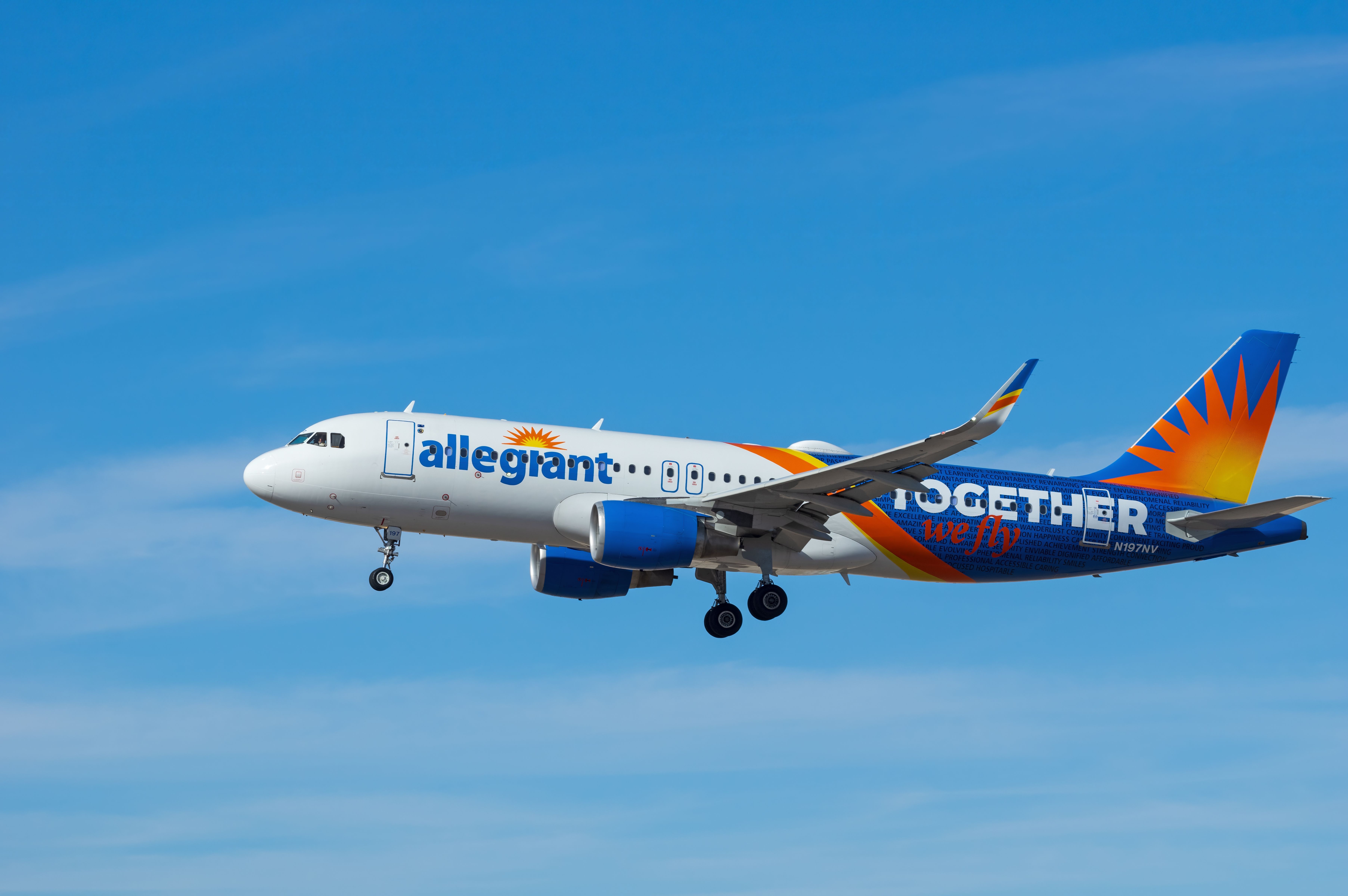
Allegiant Air remains a financially stable and operational airline as of 2026. The company continues to execute its long-term growth strategy, focusing on fleet modernization with Boeing 737 MAX aircraft and expanding its hospitality footprint through the Sunseeker Resort. There is no evidence supporting claims of bankruptcy or cessation of operations.
Analyzing the Source of Bankruptcy Rumors
In the volatile world of commercial aviation, rumors regarding an airline’s demise often spread faster than factual financial reports. For Allegiant Air, these rumors typically stem from a misunderstanding of the ultra-low-cost carrier (ULCC) business model or are conflated with the financial struggles of other budget airlines. In 2026, despite fluctuating fuel prices and shifting consumer demands, Allegiant’s specific niche has allowed it to remain insulated from the more severe pressures facing traditional hub-and-spoke carriers.
The primary driver of "going out of business" rumors is usually the observation of localized flight cancellations or the consolidation of specific routes. However, Allegiant’s operational philosophy differs from major carriers like Delta or United. Allegiant often operates on a low-frequency schedule—sometimes flying certain routes only twice a week. To an outsider, a lack of daily flights might look like a sign of retreat, but it is actually a calculated method of maintaining high load factors and profitability.
Furthermore, social media misinformation often gains traction during periods of industry-wide turbulence. When other budget carriers face liquidity crises or merger complications, the entire ULCC sector is sometimes painted with a broad brush of instability. It is essential to distinguish between the structural challenges of the industry and the specific financial health of the Allegiant Travel Company (NASDAQ: ALGT), which remains on firm footing.
The Financial Health of Allegiant Travel Company (ALGT)
To understand why Allegiant Air is not going out of business, one must look at the balance sheet of its parent organization, Allegiant Travel Company. Unlike some competitors that struggle with massive debt-to-equity ratios, Allegiant has historically maintained a disciplined approach to capital allocation. As we navigate 2026, the company continues to demonstrate resilience through diversified revenue streams.
Ancillary Revenue: The Secret to Profitability
Allegiant is a pioneer in the "unbundled" pricing model. While base fares are kept remarkably low to stimulate demand, the company generates significant income through ancillary services. This includes fees for seat assignments, checked luggage, carry-on bags, and on-board refreshments. By 2026, these ancillary streams have become more sophisticated, integrating personalized offers through the Allegiant mobile app.
Beyond baggage fees, Allegiant earns substantial commissions through third-party partnerships. When customers book a flight, they are presented with options for rental cars, hotel stays, and vacation packages. This "travel agency" aspect of their business model ensures that even if ticket margins are thin, the total revenue per passenger remains high enough to sustain operations.
Loyalty Programs and Co-Branded Credit Cards
The Allegiant World Card, issued in partnership with major financial institutions, serves as a significant source of high-margin cash flow. The loyalty program encourages repeat business and provides a steady stream of marketing data, allowing the airline to target promotions more effectively. The contractual payments from credit card partners often provide a liquidity buffer that many traditional airlines lack during economic downturns.
Fleet Modernization: The Transition to Boeing 737 MAX
A significant indicator of a healthy airline is its willingness to invest billions of dollars in new hardware. Allegiant Air is currently in the midst of a major fleet transformation. Historically known for purchasing used aircraft to keep capital costs low, the airline made a pivot to new Boeing 737 MAX aircraft starting in the early 2020s.
By 2026, a substantial portion of the Allegiant fleet consists of these newer, more fuel-efficient models. This transition is a clear signal of long-term intent. A company going out of business does not take delivery of brand-new, multi-million dollar jets. These aircraft offer several operational advantages:
- Fuel Efficiency: The 737 MAX consumes significantly less fuel than the aging Airbus A320s and retired MD-80s, reducing the airline's largest variable cost.
- Maintenance Costs: New aircraft require less frequent unscheduled maintenance, leading to better reliability and fewer "operational "creeps" that can hurt the bottom line.
- Environmental Compliance: As carbon emissions regulations tighten in 2026, the modern fleet ensures Allegiant remains compliant without facing heavy fines or restrictions.
Strategic Differentiation: The "Underserved Market" Focus
Allegiant’s survival is largely due to its unique route strategy. While most airlines fight for dominance in major hubs like Atlanta, Chicago, or Los Angeles, Allegiant focuses on connecting small-to-medium-sized cities (like Grand Rapids, Michigan, or Provo, Utah) to major leisure destinations (like Orlando, Las Vegas, or Phoenix).
In many of these markets, Allegiant is the only airline providing non-stop service. This "monopoly" on specific niche routes allows them to control pricing and maintain steady demand from travelers who would otherwise have to drive hours to a larger airport or endure multiple layovers. This lack of direct competition is a structural defense mechanism that protects Allegiant’s market share even when the broader economy is sluggish.
The Sunseeker Resort Integration
Perhaps the most ambitious move in Allegiant's history—and a major reason they are not just another airline—is the Sunseeker Resort Charlotte Harbor. Located in Florida, this massive resort represents Allegiant’s evolution into a full-scale hospitality company.
By 2026, Sunseeker has become a central component of the Allegiant ecosystem. The resort allows the company to capture the entire "travel dollar." Instead of merely flying a passenger to Florida and letting them spend their money at a Hilton or Marriott, Allegiant can now fly the passenger, house them, and provide their entertainment. This vertical integration is rare in the aviation industry and provides a diversified revenue base that can offset losses if the airline sector faces a temporary slump.
Safety and Maintenance: Addressing Historical Concerns
No discussion of Allegiant's status is complete without addressing past concerns regarding maintenance and safety, specifically the legacy of the 2018 "60 Minutes" report. In the years following that report, Allegiant underwent a massive overhaul of its safety culture and maintenance protocols.
As of 2026, Allegiant’s safety record is consistent with other major U.S. carriers. The transition to a newer fleet has significantly reduced the mechanical issues associated with the older MD-80 aircraft that were the focus of previous criticisms. The Federal Aviation Administration (FAA) maintains rigorous oversight of the carrier, and Allegiant has consistently passed required safety audits and inspections. For passengers, the airline is as safe as any other Part 121 commercial operator in the United States.
Operational Stability Comparison
To visualize how Allegiant stands compared to its peers in 2026, consider the following operational metrics:
| Metric | Allegiant Air | Industry Average (ULCC) | Significance |
|---|---|---|---|
| Fleet Age (Average) | ~12.5 Years | ~9.0 Years | Improving with 737 MAX deliveries |
| Route Overlap | < 20% | > 50% | High protection from direct competition |
| Ancillary Revenue % | ~50% of total | ~40% of total | Superior ability to monetize passengers |
| Primary Markets | Secondary/Regional | Major Hubs | Reduced airport landing fees/congestion |
| Liquidity Ratio | 1.2 | 0.9 | Stronger short-term debt coverage |
How to Verify Allegiant’s Current Status
If you are a traveler or investor looking for real-time confirmation of Allegiant's health, there are several authoritative sources you can consult. In the aviation world, rumors are debunked by data, not social media posts.
- SEC Filings: As a public company, Allegiant must file Form 10-K (annual) and Form 10-Q (quarterly) reports. These documents provide a transparent look at their cash on hand, debt levels, and profitability. Look for "Allegiant Travel Company" on the SEC EDGAR database.
- DOT Air Travel Consumer Reports: The Department of Transportation (DOT) publishes monthly reports on airline performance, including cancellations, delays, and financial complaints. If an airline were failing, it would show up here first.
- Official Press Room: Allegiant’s Investor Relations page lists all major announcements regarding aircraft acquisitions, new route launches, and quarterly earnings.
- FAA Registry: You can verify the status of Allegiant's operating certificate and fleet through the Federal Aviation Administration.
Troubleshooting Common Passenger Concerns
Sometimes, a bad personal experience leads a traveler to believe an airline is failing. It is important to separate service issues from company insolvency.
- Flight Cancellations: If your flight is canceled, it is usually due to weather, air traffic control (ATC) shortages, or a specific mechanical issue. In 2026, ATC shortages remain a challenge for all U.S. airlines, not just Allegiant.
- Difficulty Contacting Support: Budget airlines often use automated chat or lean call centers to save costs. Long wait times are a hallmark of the ULCC model, not an indicator of bankruptcy.
- Route Discontinuations: Allegiant frequently tests routes. If a route isn't profitable after a season, they will cut it and move the aircraft to a more lucrative market. This is a sign of good management, not a sign of the airline closing.
FAQ: Allegiant Air Status 2026
Is Allegiant Air currently in Chapter 11 bankruptcy?
No, Allegiant Air is not in Chapter 11 bankruptcy. The company remains profitable and continues to trade publicly on the NASDAQ. Chapter 11 is a reorganization process that some airlines use to shed debt (like American Airlines or Delta have in the past), but Allegiant has not needed this protection in recent years.
Why are there so many rumors about Allegiant closing?
Most rumors are fueled by the general volatility of the airline industry. High fuel prices or the financial struggles of other budget carriers like Spirit or Frontier often lead to speculation about the entire sector. Additionally, Allegiant’s unique schedule (not flying every day) can lead to the false perception that they are reducing operations.
Is it safe to book a flight with Allegiant for later this year?
Yes, it is safe to book flights. Allegiant’s financial indicators, including their cash reserves and continued aircraft deliveries from Boeing, suggest they will remain operational for the foreseeable future. If you are concerned, booking with a credit card provides federal protections that allow for chargebacks if a service is not provided.
Has Allegiant been sold to another airline?
As of 2026, Allegiant remains an independent company. While the airline industry often sees merger talk (such as the JetBlue/Spirit attempts of previous years), Allegiant’s unique business model and focus on small airports make it a difficult "fit" for many other carriers, which has helped it remain independent.
Does Allegiant still fly to my city?
Allegiant’s route map is dynamic. They often fly seasonally to leisure destinations. To see current service, you should check the route map on the official Allegiant website. If a city is removed from their list, it is likely due to lack of demand rather than the company going out of business.
What happens to my tickets if an airline goes out of business?
In the unlikely event of a total cessation of operations, passengers are generally protected by the Fair Credit Billing Act if they paid by credit card. Additionally, other airlines sometimes offer "rescue fares" for stranded passengers, though this is not a legal requirement. However, this scenario does not apply to Allegiant’s current stable status.
Practical Recommendation for Travelers
If you are planning to fly Allegiant Air in 2026, proceed with confidence. To maximize your experience and mitigate the risks associated with the ULCC model, follow these expert tips:
- Download the App: Use the Allegiant app to monitor your flight status in real-time. This is the fastest way to get updates on delays or gate changes.
- Purchase Travel Insurance: For high-stakes trips (like a wedding or a cruise), consider third-party travel insurance that covers "cancel for any reason" (CFAR) to protect against unexpected disruptions.
- Understand the Fees: Read the baggage and seating policies carefully before you arrive at the airport. Most "surprises" with Allegiant are related to fees that were disclosed but ignored during the booking process.
- Flexible Planning: Because Allegiant may only fly your route twice a week, have a "Plan B" (such as a nearby larger airport) in case your specific flight is canceled due to weather.