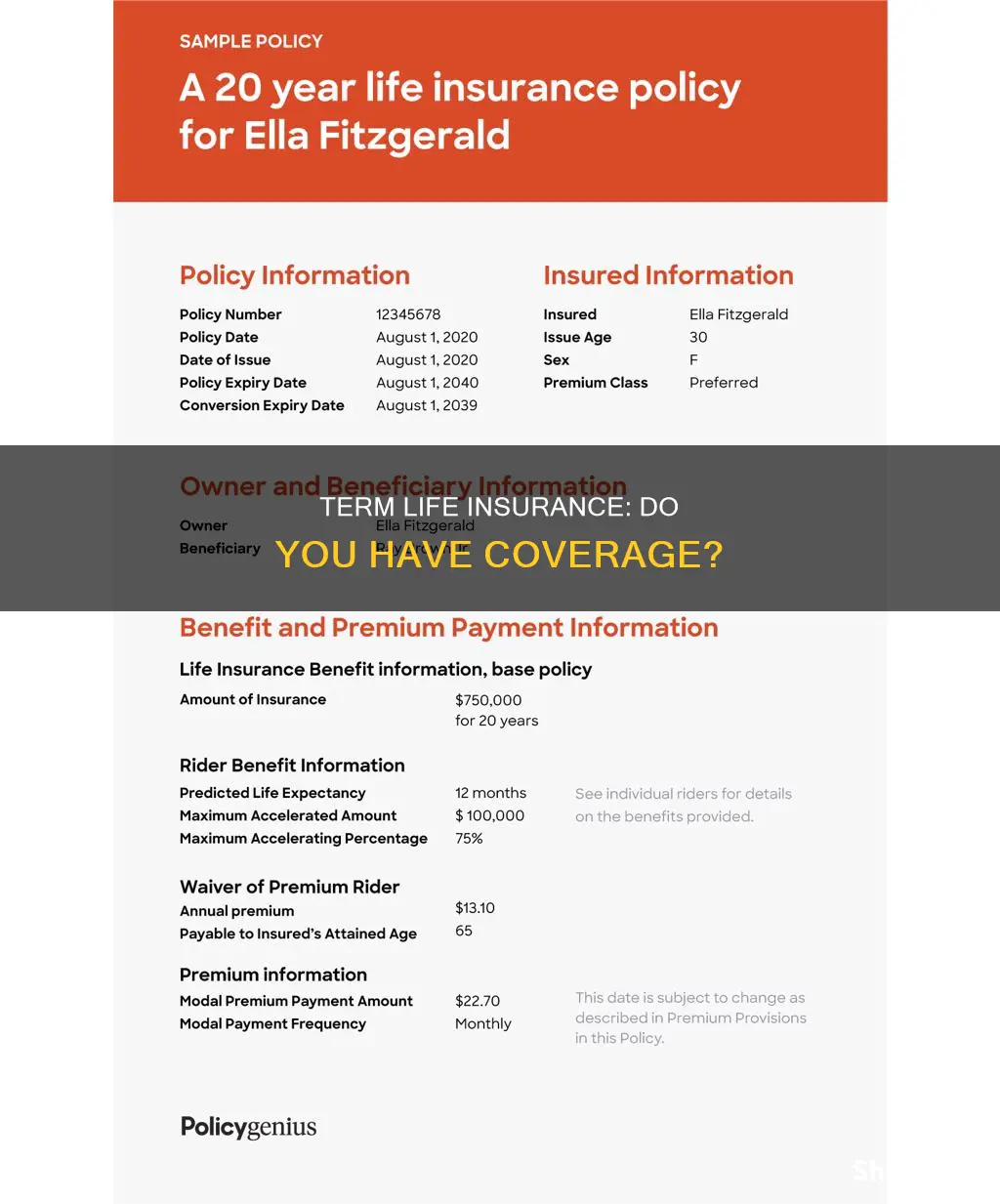
Term life insurance provides straightforward, temporary financial protection for a specified period, paying a tax-free death benefit to your beneficiaries if you pass away while the policy is active. Designed to cover high-financial-obligation years, it offers affordable premiums, flexible coverage terms, and reliable income replacement for families, business owners, and mortgage holders.
Navigating the landscape of financial protection can feel overwhelming, particularly when trying to balance immediate household expenses with long-term security. Among the various risk-management tools available, term life insurance remains one of the most accessible and cost-effective methods to safeguard your family's financial future. Unlike permanent policies that build cash value and last a lifetime, term coverage focuses purely on protection during your peak earning and liability years.
Understanding how this financial product works, what it costs, and how to select the right policy ensures you can make an informed decision without paying for unnecessary features. This guide breaks down every core aspect of term life insurance, equipping you with the knowledge needed to secure the ideal policy for your unique circumstances.
What Is Term Life Insurance and How Does It Work?
Term life insurance is a type of life insurance policy that provides coverage for a specific period, or "term"—typically ranging from 10 to 30 years. If the insured individual passes away during this active term, the insurance company pays a predetermined amount of money, known as the death benefit, to the designated beneficiaries. This money can be used to replace lost income, pay off a mortgage, fund children's education, or cover final expenses.
The mechanics of a term policy are intentionally simple. When you apply, you choose a coverage amount (the face value) and a term length. The insurer assesses your health, lifestyle, and medical history to determine your premium rate. Once a rate is established under a level-term policy, your premium payments remain locked and unchanged for the entire duration of the term.
However, if you outlive the term, the policy simply expires. There is no residual cash value, and the insurance protection ceases unless you take specific contractual steps, such as renewing the policy or converting it into a permanent life insurance plan. Because term insurance does not incorporate an investment or savings component, it functions purely as financial risk protection.
Key Features and Structural Mechanics
To fully grasp how term policies operate, it is helpful to examine their defining structural components. These features distinguish term insurance from whole life or universal life alternatives.
- Fixed Death Benefit: The payout amount guaranteed to your beneficiaries remains constant throughout the life of the policy. A $500,000 policy purchased in year one will pay out $500,000 in year twenty if the insured passes away.
- Level Premiums: Most modern term policies feature level premiums. Your monthly or annual cost stays exactly the same for the duration of the term, making budgeting predictable.
- Expiration Date: Once the term concludes (e.g., after 20 years), the contract terminates. Continuing coverage requires purchasing a new policy, which will be priced based on your older age and current health status.
- No Cash Value Accumulation: Unlike permanent insurance, premium payments go entirely toward the cost of insurance and administrative fees. You cannot borrow against a term policy or surrender it for cash.
Term Life Insurance vs. Permanent Life Insurance
Choosing the right coverage requires a clear comparison between term life insurance and permanent life insurance options, such as whole life or universal life.
| Feature | Term Life Insurance | Permanent Life Insurance (Whole Life) |
|---|---|---|
| Duration | Specific period (e.g., 10, 20, 30 years) | Lifetime (as long as premiums are paid) |
| Cost | Highly affordable, lower initial premiums | Significantly higher initial premiums |
| Cash Value | None | Builds tax-deferred cash value over time |
| Primary Purpose | Income replacement during high-liability years | Estate planning, lifetime protection, wealth accumulation |
| Flexibility | Lower flexibility; expires or requires conversion | Higher flexibility; cash withdrawals and loans permitted |
For the vast majority of individuals, term life insurance represents the most logical financial choice. It delivers maximum coverage for the lowest cost precisely when financial responsibilities—such as raising children or paying down a mortgage—are at their highest. Permanent insurance, while useful for specialized estate planning or lifelong financial needs, often carries a price tag five to fifteen times higher than term coverage for the same death benefit.
Types of Term Life Insurance Policies
Insurance providers offer several variations of term policies to match different planning horizons and life goals. Understanding these variations helps you choose the correct structural framework for your household.
Level Term Life Insurance
This is the most common and widely purchased form of term insurance. Both the death benefit and the premium payments remain level (unchanged) throughout the entire term. If you purchase a 20-year level term policy, your rate in year twenty will be identical to your rate in month one.
Decreasing Term Life Insurance
In a decreasing term policy, the premium remains constant, but the death benefit decreases over time, usually in annual increments. This type of insurance is frequently purchased to cover a specific declining debt, such as a traditional amortizing mortgage or a business loan. As your principal balance decreases, your coverage amount scales down accordingly.
Annual Renewable Term (ART) Life Insurance
An annual renewable term policy provides coverage for just one year, but it includes a guaranteed option to renew the policy annually without taking a new medical exam. However, because you age one year with every renewal, the premium increases annually. While initial rates are very low, ART policies can become prohibitively expensive as the insured grows older.
Understanding the Application and Underwriting Process
Securing a term life insurance policy requires going through an underwriting process where insurance companies evaluate your risk profile. Knowing what to expect can streamline your application and help secure the best possible rates.
The Application Steps
- Needs Analysis: Calculate your financial obligations, income replacement needs, and future expenses to determine your ideal coverage amount.
- Quote Comparison: Request quotes from multiple reputable carriers to compare pricing, financial strength ratings, and policy riders.
- Formal Application: Complete the application detailing your medical history, lifestyle, occupation, and hobbies.
- Medical Exam: Most traditional policies require a brief paramedical exam, which typically includes checking your height, weight, blood pressure, and collecting blood and urine samples.
- Underwriting Review: The insurance company reviews your exam results, medical records ( через Medical Information Bureau and prescription databases), and motor vehicle report.
- Offer and Approval: The insurer issues a formal offer, which you review, accept, and activate by paying your first premium.
Medical vs. Accelerated Underwriting
In recent years, many insurers have introduced accelerated underwriting or "no-exam" term life insurance. Qualified applicants who meet specific age and health criteria can skip the physical paramedical exam. Instead, underwriters evaluate risk using real-time data databases, electronic health records, and prescription histories. While convenient, policies requiring full medical exams often yield lower rates for individuals with minor, well-managed health conditions.
Factors That Influence Term Life Insurance Rates
Insurance companies price policies based on statistical mortality risk. Several primary factors determine how much you will pay for your term life insurance policy.
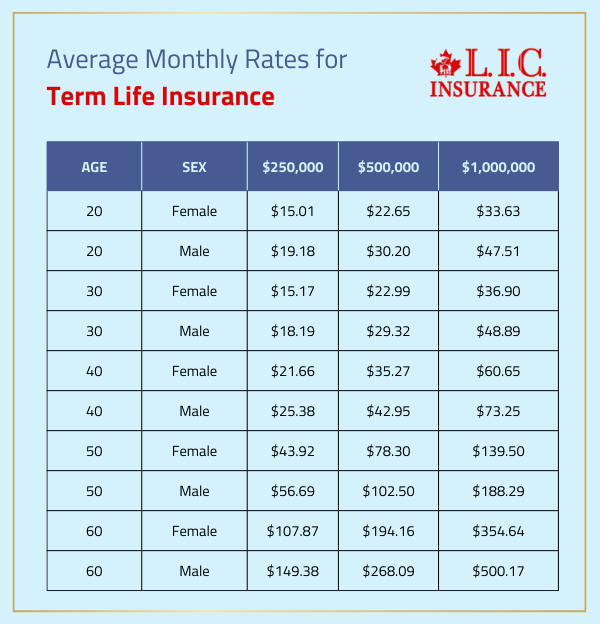
- Age: Age is the single most significant pricing factor. Insurance costs increase incrementally with each year you age, making it significantly more affordable to purchase a policy when you are young and healthy.
- Health and Medical History: Underwriters examine your current health, chronic conditions, family medical history, and body mass index (BMI). Conditions like high blood pressure, diabetes, or heart disease will impact your rate class.
- Tobacco Use: Smokers and tobacco users pay substantially higher rates—often two to three times more than non-smokers—due to the associated health risks. This includes cigarettes, cigars, pipes, chewing tobacco, and sometimes marijuana or vaping products, depending on the carrier.
- Gender: Statistically, women live longer than men, which means females generally enjoy lower life insurance premiums than males of the same age and health profile.
- Occupation and Hobbies: Engaging in hazardous occupations (such as commercial fishing or structural ironworking) or dangerous recreational hobbies (such as skydiving, rock climbing, or private aviation) can increase your premium or require a policy rider.
Essential Policy Riders to Consider
Policy riders are customizable add-ons that modify your base term contract to provide extra protection or flexibility. While they typically increase your premium slightly, they can be invaluable in unexpected situations.
- Accelerated Death Benefit Rider: Allows you to access a portion of your death benefit early if you are diagnosed with a terminal illness with a limited life expectancy. This helps cover mounting medical bills and end-of-life care.
- Waiver of Premium Rider: If you become totally disabled due to injury or illness and cannot work, this rider waives your premium payments while keeping your life insurance policy fully active.
- Conversion Rider: Permits you to convert your temporary term policy into a permanent life insurance policy (like whole life) without undergoing a new medical exam or proving insurability. This is crucial for long-term flexibility.
- Child Term Rider: Adds temporary life insurance coverage for your children under a single parent policy, with the option to convert it to an individual permanent policy when the child reaches adulthood.
Common Mistakes to Avoid When Buying Term Life Insurance
Navigating the insurance market requires avoiding common pitfalls that can leave your family underinsured or lead to wasted money.
- Underestimating Coverage Needs: Relying solely on a basic employer-provided group policy (which typically offers only one or two times your salary) leaves most families severely underinsured. Calculate your actual debt, future living costs, and income replacement requirements.
- Waiting Too Long to Buy: Procrastinating on purchasing a policy guarantees higher rates as you age. Locking in a 20- or 30-year term in your twenties or thirties locks in rock-bottom pricing for decades.
- Focusing Exclusively on Price: While affordability is essential, selecting the cheapest carrier without verifying their financial stability rating (from agencies like A.M. Best) can be risky. Ensure the company has a strong history of paying claims promptly.
- Ignoring the Conversion Privilege: Failing to verify whether a policy includes a conversion option can trap you if your health changes and you later want permanent coverage without a medical exam.
Frequently Asked Questions About Term Life Insurance
How much term life insurance coverage do I actually need?
A common rule of thumb is to purchase a policy worth 10 to 12 times your annual income, but a comprehensive calculation should account for total outstanding debts (mortgage, student loans), future education costs for children, final expenses, and the number of years your dependents will need financial support.
What happens when my term life insurance policy expires?
When the term ends, your coverage ceases, and your premium payments stop. You can choose to walk away, renew the policy on an annual renewable basis (at significantly higher rates), or convert the policy into a permanent insurance plan if your contract includes a conversion rider.
Can I get term life insurance if I have pre-existing medical conditions?
Yes, many people with well-managed chronic conditions like asthma, controlled hypertension, or type 2 diabetes successfully qualify for term life insurance. Premiums will depend on how effectively the condition is managed and your overall health profile.
Is the payout from a term life insurance policy taxable?
In most jurisdictions, death benefits paid out to beneficiaries from a term life insurance policy are entirely income tax-free. However, if the policy is owned by an estate or structured in complex corporate arrangements, estate or income tax implications may occasionally apply.
Can I have multiple term life insurance policies at the same time?
Yes. Many individuals utilize a strategy called "laddering," where they purchase multiple smaller term policies with different expiration dates (e.g., a 10-year, 20-year, and 30-year term) to match their decreasing financial liabilities over time, minimizing overall insurance costs.
Next Actions for Securing Your Policy
Determining the right term life insurance policy starts with assessing your family's specific financial obligations and timeline for support. Gather your financial documents, evaluate your income replacement requirements, and obtain comparative quotes from multiple reputable insurers. By selecting an appropriate term length, locking in level premiums, and ensuring your policy includes vital conversion privileges, you can establish reliable financial security for the people who matter most.