Identifying effective all-natural anxiety relief involves understanding how specific botanicals, amino acids, and minerals interact with the central nervous system. While not legally classified as "medications" by regulatory bodies, substances such as Ashwagandha, L-theanine, and Magnesium Glycinate are clinically recognized for their ability to modulate cortisol, enhance GABAergic activity, and reduce the physiological symptoms of stress.
Understanding the Landscape of Natural Anxiety Interventions
As we move through 2026, the distinction between pharmaceutical anxiolytics and natural supplements has become increasingly refined through rigorous clinical trials. When searching for "all natural anxiety meds," it is vital to understand that the U.S. Food and Drug Administration (FDA) regulates these products as dietary supplements, not as drugs. This means they are not intended to "cure" or "treat" clinical anxiety disorders in the same legal sense as alprazolam or sertraline. However, the evidence supporting their use for managing stress, mild-to-moderate anxiety, and sleep disturbances is robust.
The primary mechanism for most natural interventions involves the modulation of the body’s stress response system, specifically the Hypothalamic-Pituitary-Adrenal (HPA) axis. By influencing the production of stress hormones like cortisol or the availability of calming neurotransmitters like Gamma-aminobutyric acid (GABA), these natural options provide a "bottom-up" approach to nervous system regulation. Unlike many prescription medications, natural alternatives often have a lower risk of dependency and fewer cognitive side effects, making them a preferred starting point for many individuals.
The Role of Adaptogens in Long-Term Stress Management
Adaptogens are a unique class of herbal substances that help the body "adapt" to stressors. They do not work like a sedative that forces the body into a relaxed state; instead, they help maintain homeostasis (balance).
Ashwagandha (Withania somnifera)
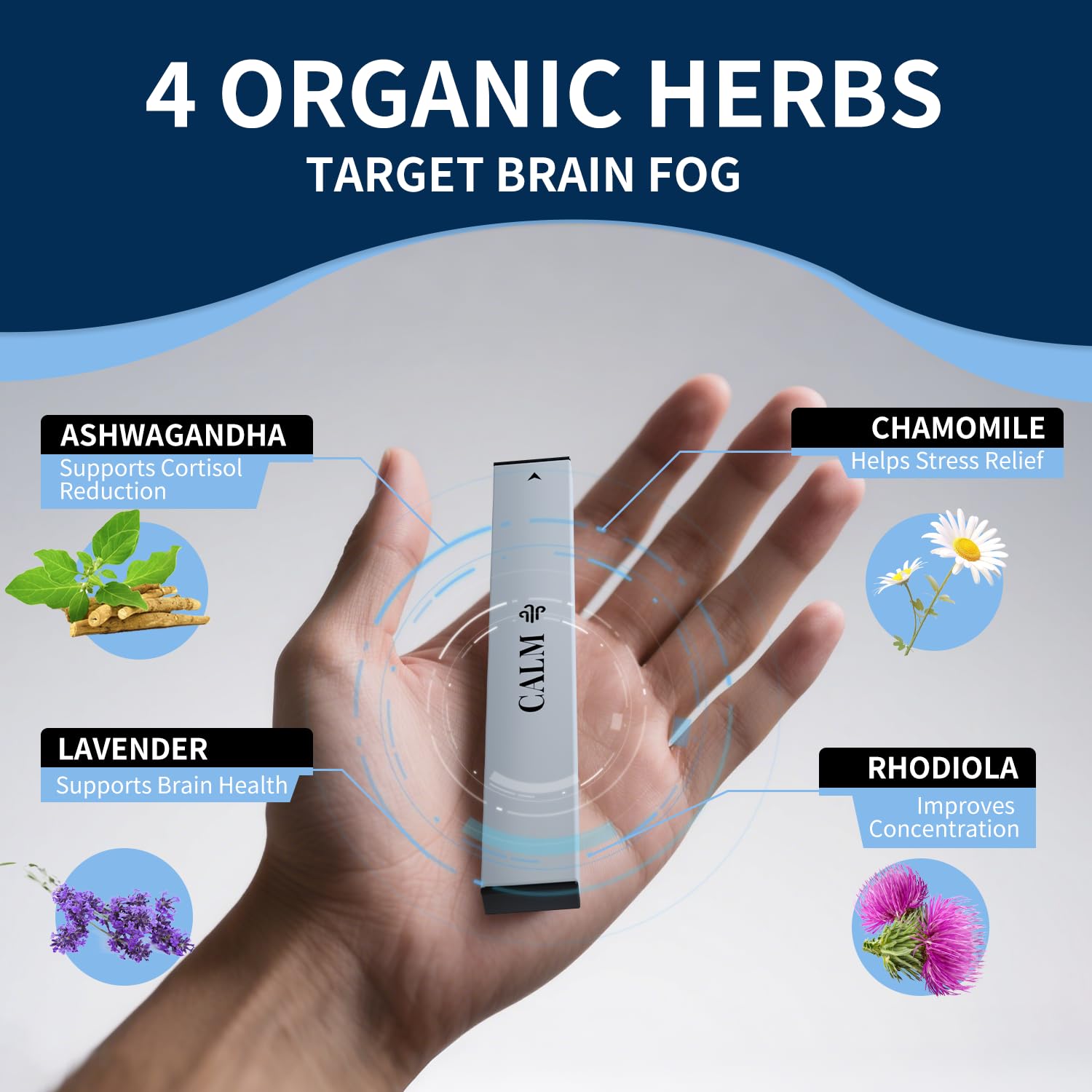
Ashwagandha remains the gold standard for natural anxiety support in 2026. Extensive research, including meta-analyses of randomized controlled trials, consistently shows that standardized extracts of Ashwagandha (such as KSM-66 or Shoden) significantly reduce serum cortisol levels. High cortisol is the primary driver of the "fight or flight" response. By lowering this hormone, Ashwagandha helps reduce the physical sensations of anxiety, such as a racing heart or shallow breathing. Most clinical studies suggest a dosage of 300mg to 600mg daily, though it often takes two to four weeks of consistent use to reach peak efficacy.
Rhodiola Rosea
Rhodiola is particularly effective for those whose anxiety is coupled with fatigue or "burnout." It works by inhibiting the breakdown of serotonin and norepinephrine, two neurotransmitters critical for mood regulation and mental clarity. Rhodiola is considered a stimulating adaptogen, meaning it provides a calm energy without the jitters associated with caffeine. It is often recommended for use in the morning to prevent interference with sleep patterns.
Amino Acids and Neurotransmitter Modulation
Amino acids are the building blocks of proteins, but in the context of anxiety, they serve as precursors to essential neurochemicals. These options often provide more immediate relief than adaptogens.
L-Theanine
Found naturally in green tea leaves, L-theanine is a non-protein amino acid that promotes relaxation without drowsiness. It works by increasing the production of alpha brain waves, which are associated with a state of "alert relaxation." In 2026, L-theanine is frequently used as a counter-measure to the anxiety-inducing effects of caffeine. Because it crosses the blood-brain barrier efficiently, its effects are typically felt within 30 to 60 minutes.
Magnesium Glycinate
Magnesium is a mineral involved in over 300 biochemical reactions in the human body, many of which involve the nervous system. A deficiency in magnesium can lead to heightened anxiety, muscle tension, and insomnia. Magnesium Glycinate is the preferred form for anxiety because it is bound to glycine, a calming amino acid, and has superior bioavailability compared to magnesium oxide or citrate. It helps regulate the N-methyl-D-aspartate (NMDA) receptors, which manage the flow of calcium into neurons. By blocking excessive calcium, magnesium prevents neurons from becoming over-excited, effectively "quieting" the nervous system.
Botanical Sedatives for Acute Symptoms
For individuals experiencing acute spikes in anxiety or difficulty falling asleep due to a racing mind, certain herbs act as mild sedatives. These are often used as needed rather than as a daily foundational supplement.
Lavender (Silexan)
While lavender is often thought of as an aromatherapy scent, oral preparations of lavender oil, specifically a standardized extract known as Silexan, have been shown in clinical trials to be as effective as low-dose lorazepam for generalized anxiety, but without the risk of addiction. Silexan works by modulating voltage-gated calcium channels, reducing the release of excitatory neurotransmitters.
Valerian Root and Passionflower
Valerian root is one of the most studied herbal sedatives. Its active compounds, valerenic acids, inhibit the breakdown of GABA in the brain. Passionflower (Passiflora incarnata) works through similar GABAergic pathways but is generally considered milder and is often used during the day to manage "nervous restlessness." Both are staples in natural medicine for those looking to avoid synthetic sleep aids.
Comparison of Common Natural Anxiety Interventions
The following table compares the most popular natural options based on their primary mechanism, typical onset of action, and common use cases.
| Ingredient | Primary Mechanism | Onset of Action | Best Used For |
|---|---|---|---|
| Ashwagandha | Cortisol reduction (HPA axis) | 2–4 Weeks | Chronic stress and physical anxiety |
| L-Theanine | Alpha brain wave induction | 30–60 Minutes | Social anxiety and focus under pressure |
| Magnesium Glycinate | NMDA receptor regulation | Daily (Cumulative) | Muscle tension and "wired but tired" feeling |
| Silexan (Lavender) | Calcium channel modulation | 1–2 Weeks | Generalized anxiety and rumination |
| Valerian Root | GABA breakdown inhibition | 1 Hour | Acute nighttime anxiety and insomnia |
| Rhodiola Rosea | Serotonin/Norepinephrine support | 1–3 Days | Stress-related fatigue and mental fog |
Essential Safety Considerations and Drug Interactions
Even though these substances are "all-natural," they are pharmacologically active and can interact with conventional medications. It is imperative to consult with a healthcare provider before beginning any new supplement regimen, especially if you are currently taking prescription drugs.
- SSRIs and SNRIs: Supplements like St. John’s Wort (often used for mood) can cause a dangerous condition called serotonin syndrome when mixed with prescription antidepressants.
- Benzodiazepines: Herbs that increase GABA (like Valerian or Kava) can have an additive effect with drugs like Xanax or Valium, leading to excessive sedation or respiratory depression.
- Liver Health: Certain botanicals, most notably Kava Kava, have been linked to liver toxicity in rare cases or when prepared improperly. Ensuring you use high-quality, water-extracted "noble" Kava is essential.
- Pregnancy and Breastfeeding: Many adaptogens have not been thoroughly tested for safety during pregnancy. Always seek medical clearance.
For more detailed safety profiles on herbal supplements, the National Center for Complementary and Integrative Health (NCCIH) provides comprehensive evidence-based fact sheets.
Maximizing Efficacy Through Lifestyle Integration
Natural anxiety relief is rarely achieved through a single pill, even a natural one. These supplements work best when integrated into a lifestyle that supports nervous system health.
- Circadian Rhythm Alignment: Magnesium and Valerian are significantly more effective when combined with consistent sleep-wake cycles.
- Dietary Factors: Reducing systemic inflammation through an antioxidant-rich diet can lower the "baseline" level of anxiety, making supplements like L-theanine more noticeable in their effects.
- Vagus Nerve Stimulation: Practices such as deep diaphragmatic breathing or cold-water immersion can physically signal the body to shift from the sympathetic (stress) to the parasympathetic (rest) nervous system.
Frequently Asked Questions
Can natural supplements replace my prescription anxiety medication?
You should never discontinue prescription medication without a tapering plan supervised by your doctor. Natural supplements can often be used alongside medication to manage residual symptoms, but stopping pharmaceutical anxiolytics "cold turkey" can lead to severe withdrawal symptoms, including seizures and rebound anxiety.
How long does it take for Ashwagandha to work for anxiety?
While some users report feeling a sense of calm within a few days, clinical evidence suggests that the full benefits for cortisol reduction and stress management typically peak after 60 days of consistent daily use. Consistency is more important than dosage size for adaptogens.
Is CBD considered an "all-natural" anxiety med?
Cannabidiol (CBD) is a phytocannabinoid derived from hemp. In 2026, it is widely used for anxiety due to its interaction with the endocannabinoid system and 5-HT1A serotonin receptors. However, its legality and regulation vary by jurisdiction, and users should look for "Third-Party Lab Tested" products to ensure the absence of THC and contaminants.
Are there side effects to taking natural anxiety supplements?
Yes, though they are usually milder than pharmaceutical side effects. Common issues include digestive upset (especially with high doses of magnesium or valerian), mild headaches, or daytime grogginess. Ashwagandha can also affect thyroid hormone levels, so individuals with thyroid disorders should exercise caution.
Which form of magnesium is best for anxiety?
Magnesium Glycinate is widely considered the best form for anxiety and sleep. Magnesium Citrate is more likely to cause a laxative effect, and Magnesium Oxide has very poor absorption rates. Magnesium Threonate is another option, specifically touted for its ability to cross the blood-brain barrier to support cognitive function.
Taking the Next Step Toward Natural Relief
If you are looking to start a natural regimen for anxiety, the most effective approach in 2026 is to start with a "foundation" mineral like Magnesium Glycinate and an adaptogen like Ashwagandha. Monitor your symptoms in a journal for 30 days to track changes in heart rate, sleep quality, and ruminating thoughts.
Before purchasing, verify that the product has been verified by an independent third party such as NSF International or USP. These certifications ensure that the ingredients listed on the label are actually in the bottle and that the product is free from heavy metals and contaminants. For further research on specific botanical interactions, the National Library of Medicine's PubMed database remains the most authoritative source for the latest clinical trial results.