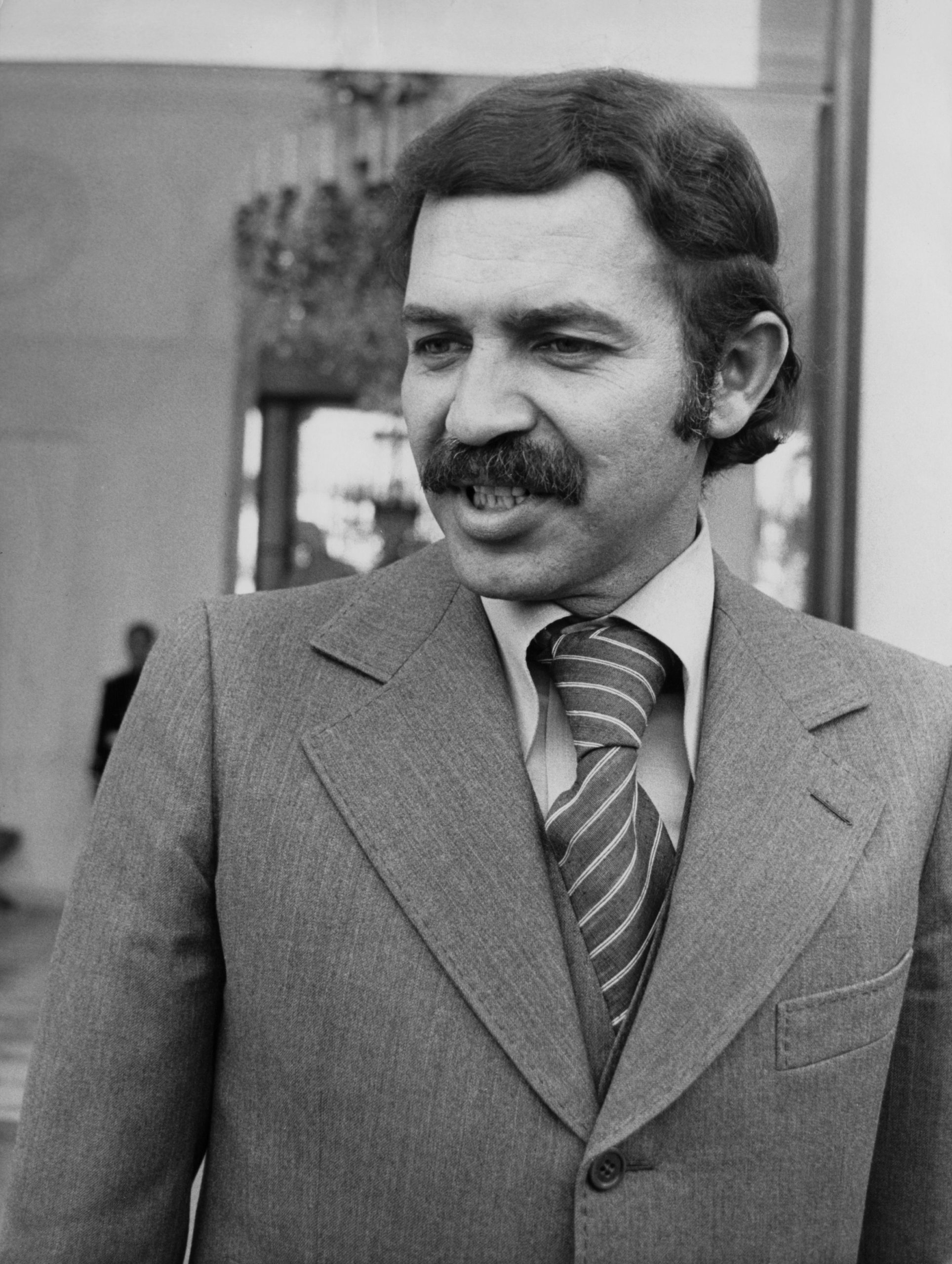
Evaluating Ali Abdelaziz’s net worth in 2020 requires looking at his role as a prominent and polarizing manager in mixed martial arts (MMA), specifically as the founder and president of Dominance MMA Management. By 2020, while specific financial disclosures for private management agencies are not publicly registered or audited by regulatory bodies like public corporations, financial estimates placed his net worth between $2 million and $5 million. This valuation was driven by fighter endorsement cuts, pay-per-view incentives, management commission structures, and his extensive roster of elite athletes competing in the Ultimate Fighting Championship (UFC) and other major global promotions.
The Business Model of MMA Management
To understand how Ali Abdelaziz generated his wealth leading into 2020, one must analyze the economics of combat sports representation. Unlike team sports where agents negotiate standard collective bargaining agreements, MMA managers operate in an individual-sport ecosystem. Fighters are independent contractors who negotiate bout agreements on a fight-by-fight basis.
Dominance MMA Management established itself as a dominant agency by representing a high volume of elite fighters, including world champions and top contenders across multiple weight classes. The primary revenue streams for an MMA manager during this period included:
- Fight Purse Commissions: Standard industry practice dictates that managers take a percentage—typically ranging from 10% to 20%—of a fighter's base purse and win bonuses for each bout.
- Sponsorship and Endorsement Cuts: Prior to and following the implementation of the UFC outfitting policy with Reebok (and later Venum), managers negotiated separate outside apparel, supplement, and lifestyle sponsorships, taking a commission on those outside deals.
- Bonus and PPV Share Negotiations: For championship-level athletes or high-profile pay-per-view draws, managers secure performance bonuses, locker room bonuses, and percentage cuts of pay-per-view revenue, multiplying the commission value for the agency.
- Media and Appearance Fees: Managing promotional appearances, media obligations, and documentary features for high-visibility athletes.
Key Assets and Roster Strength in 2020
The valuation of a sports management agency is inextricably tied to the market value and championship status of its roster. By 2020, Ali Abdelaziz represented some of the most visible and dominant fighters in the sport, which directly impacted his professional leverage and earning potential.
During this era, Dominance MMA managed fighters such as:
- Khabib Nurmagomedov: As the undefeated UFC Lightweight Champion and one of the biggest global stars in combat sports, Nurmagomedov commanded multi-million-dollar paydays per fight, especially surrounding his high-profile October 2020 bout against Justin Gaethje at UFC 254.
- Kamaru Usman: The dominant UFC Welterweight Champion who headlined multiple pay-per-view events throughout 2019 and 2020.
- Henry Cejudo: A simultaneous two-division champion (flyweight and bantamweight) who defended his titles and maintained high market visibility before briefly retiring in mid-2020.
- Justin Gaethje: The interim lightweight champion who secured high-stakes, high-payout championship opportunities against top-tier competition.
Having multiple champions and title challengers concurrently active in the UFC created a compounding revenue effect for Abdelaziz's agency. Championship bouts command higher purses, larger pay-per-view point distributions, and significantly elevated global brand endorsement opportunities.
Financial Breakdown and Estimation Factors
Because private sports agencies are not publicly traded companies, exact financial statements, balance sheets, and tax filings are confidential. Therefore, net worth figures cited in financial media and biographical profiles for figures like Ali Abdelaziz in 2020 are calculated approximations based on industry standards, known fighter payouts, and agency scale.
| Factor | Description | Estimated Impact on Wealth (2020) |
|---|---|---|
| Fighter Roster Size | Representing over 50 professional athletes across elite organizations. | High volume of baseline 10%–20% commissions from undercard and main card purses. |
| Championship Representation | Multiple active UFC champions (Nurmagomedov, Usman, Cejudo). | Substantial income from championship purse bonuses, title defense pay, and PPV points. |
| Endorsement Portfolio | Securing global brand partnerships for top athletes. | Lucrative commission cuts on external corporate sponsorships. |
| Business Overhead | Operating costs of Dominance MMA, including staff, travel, and legal representation. | Moderate operational expenses deducted from gross agency revenue. |
Financial analysts compiling combat sports wealth metrics in 2020 synthesized these variables to arrive at the $2 million to $5 million range. While top-tier fighters earn tens of millions over their careers, agents operate on commission percentages, meaning their accumulated wealth scales proportionally over years of sustained operational success and high-volume client activity.
Professional Evolution and Industry Standing
Abdelaziz’s financial standing in 2020 was also supported by his unique positioning within the geopolitical landscape of international MMA. By establishing deep connections in North American promotions as well as emerging markets in the Middle East and Russia, he positioned Dominance MMA as an international pipeline for talent.
This global network allowed him to secure favorable co-promotional agreements, international sponsorship deals, and exclusive training camp arrangements for his clients. These operational advantages reinforced the stability of his agency during a turbulent economic year marked by the global COVID-19 pandemic, which temporarily disrupted live gate revenues but saw the UFC successfully resume closed-door events on Fight Island and in Las Vegas.
Common Misconceptions Regarding MMA Manager Wealth
Public discussions surrounding sports management wealth frequently conflate the total earnings of the athletes with the personal net worth of the manager.
- Gross Fighter Revenue vs. Agency Revenue: A fighter earning a $1,000,000 purse does not transfer that wealth to the manager; the manager receives a contractually agreed-upon percentage (e.g., 10% to 20%), out of which agency operational costs must also be paid.
- Private vs. Public Valuations: Unlike corporate executives whose net worths are tied to publicly traded stock portfolios, sports agents hold private equity in their agencies and liquid capital from past commissions, making exact real-time valuation speculative.
- Legal and Promotional Costs: Managing elite fighters involves substantial expenditure on legal counsel for contract negotiations, travel logistics, and dispute resolution, which reduces the net profit margin of the agency.
Frequently Asked Questions
What was Ali Abdelaziz’s estimated net worth in 2020?
Financial estimates placed his net worth between $2 million and $5 million in 2020. This figure was derived from industry-standard commission cuts on fighter purses, pay-per-view incentives, and endorsement deals negotiated for his extensive roster of elite MMA athletes.
How do MMA managers like Ali Abdelaziz make their money?
MMA managers primarily earn revenue by taking a percentage commission—typically between 10% and 20%—from their fighters' bout agreements, win bonuses, performance bonuses, and outside corporate sponsorships.
Which major fighters did Ali Abdelaziz manage in 2020?
In 2020, Dominance MMA represented some of the biggest names in the sport, including undefeated UFC Lightweight Champion Khabib Nurmagomedov, Welterweight Champion Kamaru Usman, dual-division champion Henry Cejudo, and interim lightweight champion Justin Gaethje.
Are sports management agency financial records public?
No. Because private sports management agencies are privately held limited liability companies or sole proprietorships, they are not required to publicly disclose their financial statements, tax returns, or profit margins.
How did the COVID-19 pandemic impact MMA management earnings in 2020?
While live gate revenue was eliminated for a significant portion of 2020, the UFC's rapid resumption of events—first at the UFC Apex and later on Fight Island—ensured that fighters continued to compete and earn purses, allowing managers to maintain consistent commission streams.
Next Actions for Verification
Readers researching combat sports finance should consult primary fight purse disclosures reported by state athletic commissions (such as the Nevada State Athletic Commission), official promotional broadcast data, and verified sports journalism reporting on fighter compensation structures to better understand the underlying economics of sports agency operations.