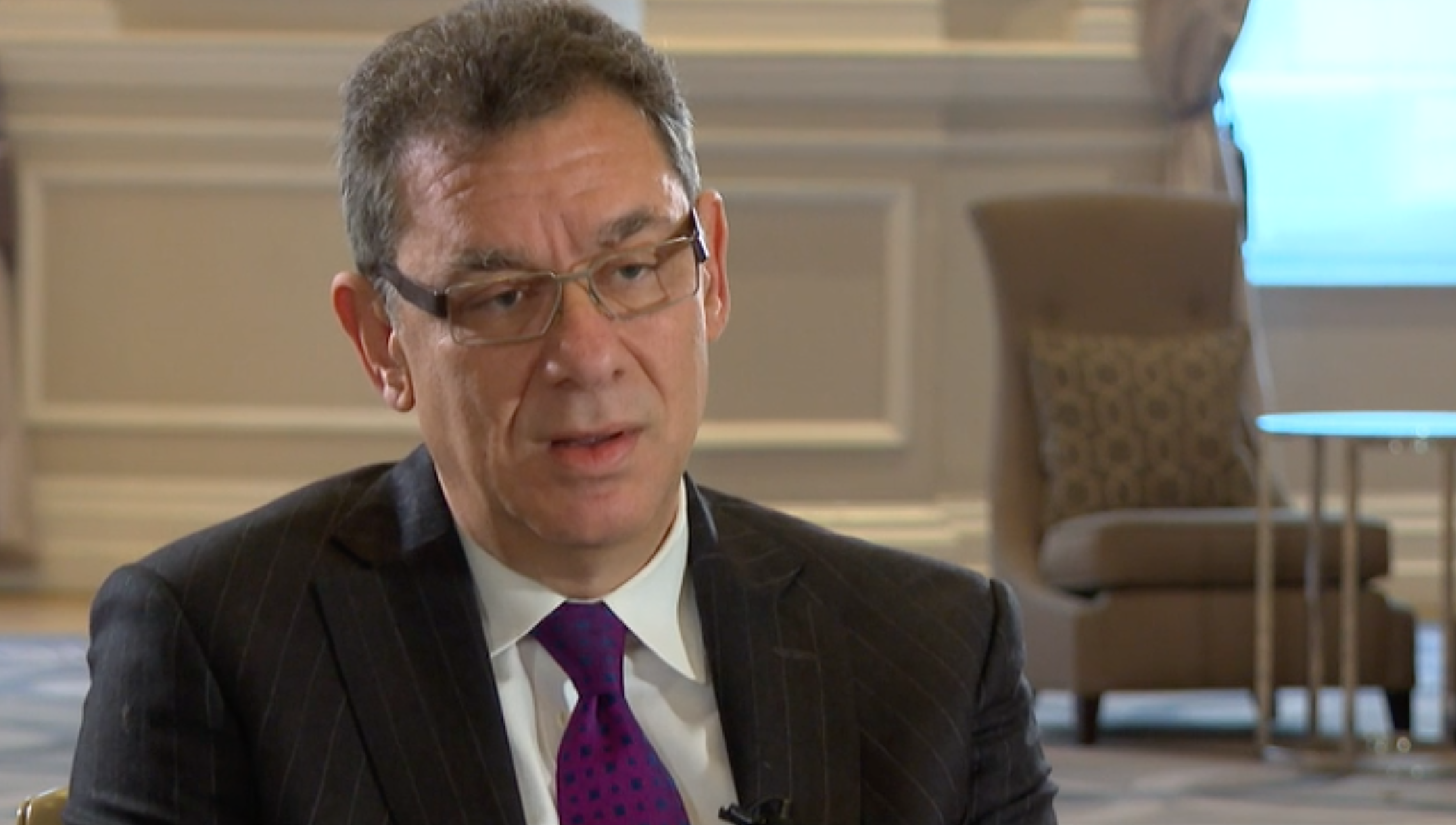
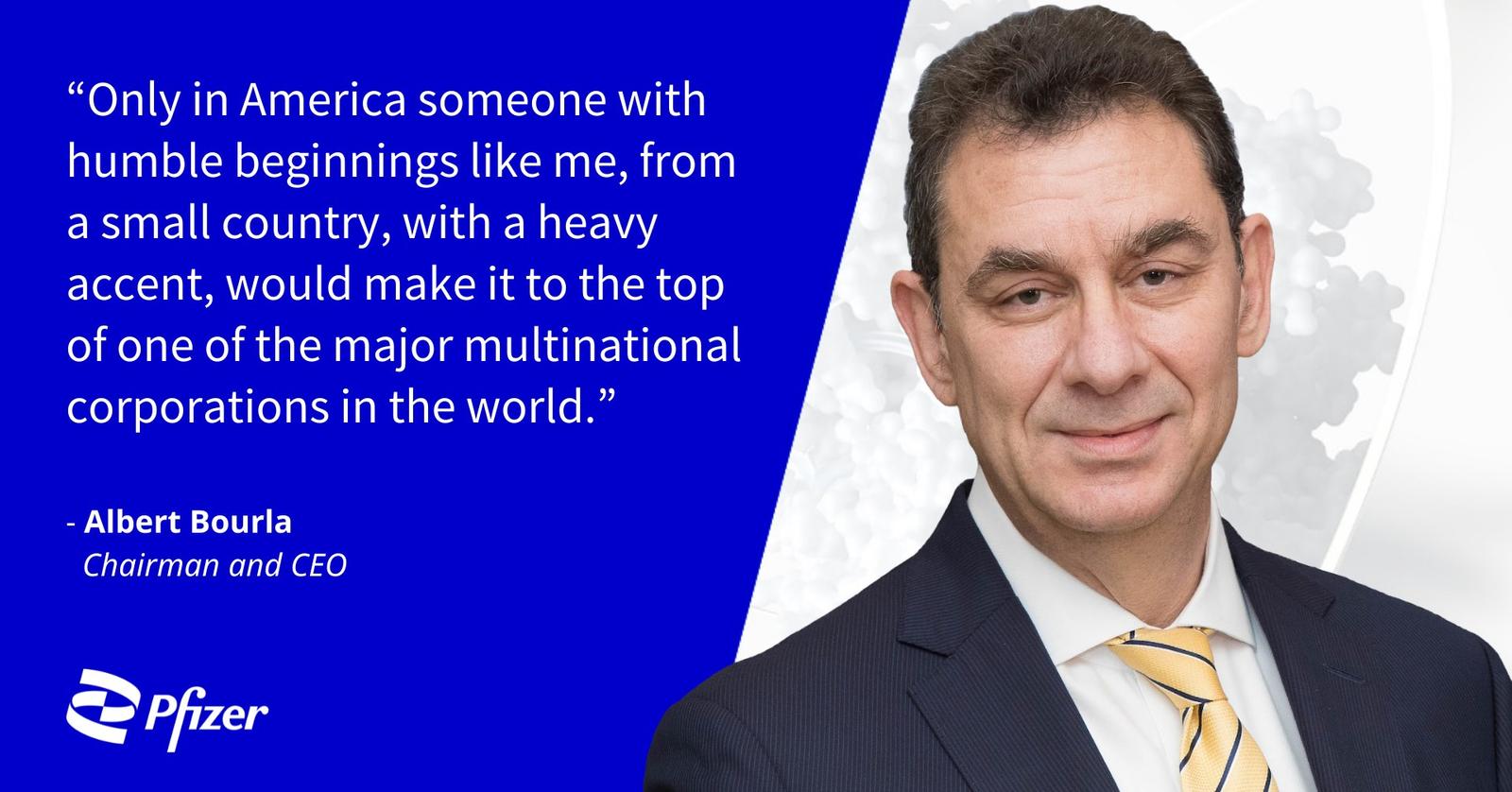
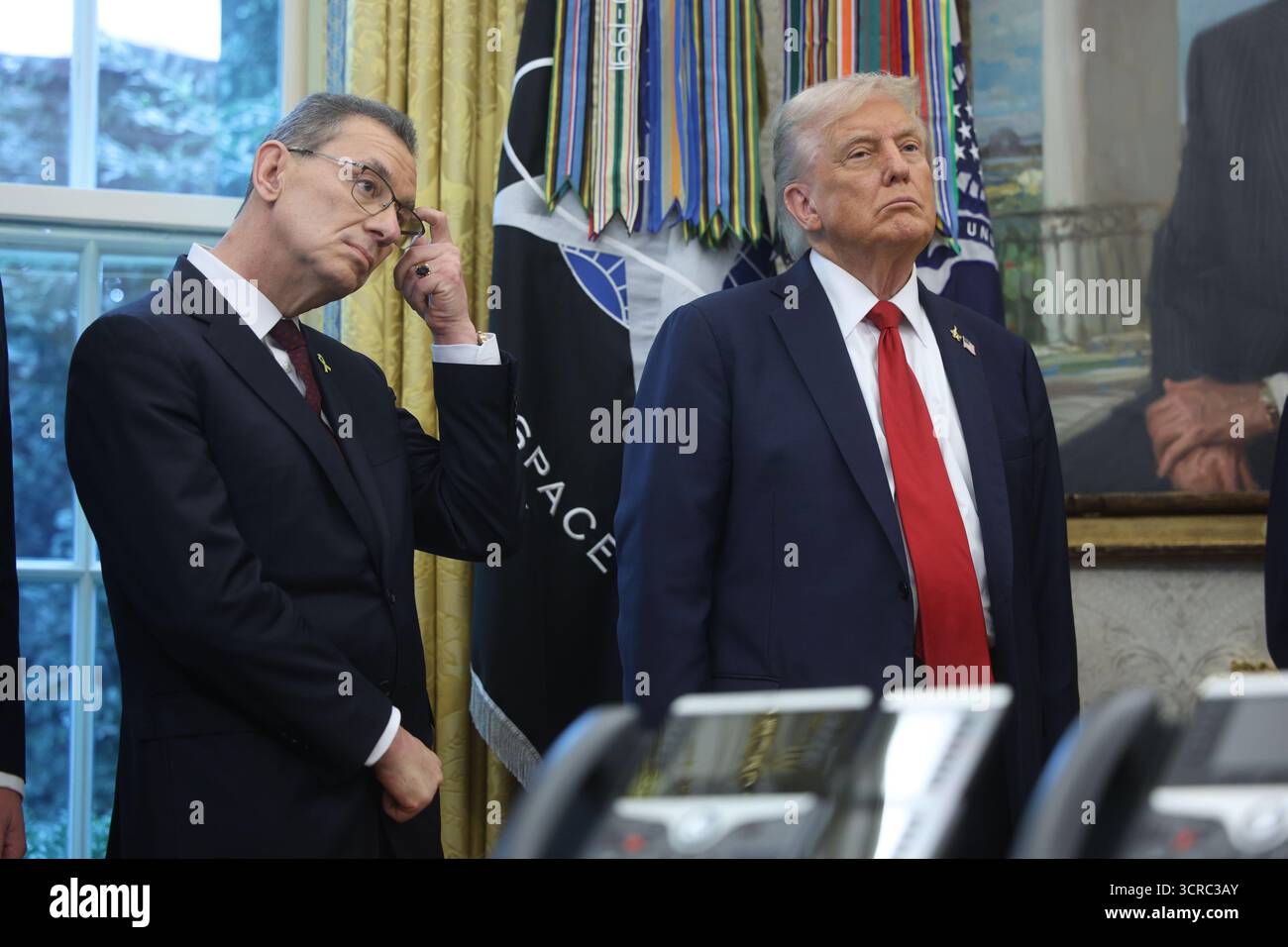
Albert Bourla is 64 years old as of early 2026. Born on October 21, 1961, in Thessaloniki, Greece, he has spent over three decades at Pfizer, rising from a technical role in the animal health division to becoming the Chairman and Chief Executive Officer of one of the world's most influential pharmaceutical companies.
Dr. Albert Bourla’s age and extensive experience have become focal points for industry analysts and the public alike, particularly following his leadership during the global COVID-19 pandemic. His tenure is marked by a shift in Pfizer’s corporate strategy, moving the company away from a diversified conglomerate toward a focused, science-led biopharmaceutical powerhouse. As he approaches his mid-60s, Bourla continues to oversee a massive transformation in Pfizer’s oncology and immunology pipelines, cementing his legacy as a pivotal figure in modern medicine.
Early Life and Academic Foundations in Greece
To understand the trajectory that led Albert Bourla to the helm of a global corporation, one must look back at his upbringing in Thessaloniki, Greece’s second-largest city. His family history is deeply rooted in the Sephardic Jewish community of Thessaloniki, a community that was nearly decimated during the Holocaust. Bourla has often spoken about how his parents were among the few survivors, a fact that shaped his resilience and perspective on the value of life and scientific progress.
Bourla’s academic journey began at the Aristotle University of Thessaloniki, where he pursued a degree in veterinary medicine. He didn't stop at a clinical degree, however; he went on to earn a PhD in the Biotechnology of Reproduction from the same institution. This specific academic background—focused on the intersection of biology, medicine, and technology—provided a unique foundation for his future career in the pharmaceutical industry. Unlike many CEOs of major pharmaceutical firms who come from finance or legal backgrounds, Bourla’s scientific training allowed him to engage deeply with the research and development aspects of the business from the start.
The Pfizer Career Path: 1993 to the Present
Albert Bourla joined Pfizer in 1993, a time when the pharmaceutical landscape was vastly different than it is in 2026. He started in the Animal Health division in Greece, serving as a Technical Director. His early years were characterized by a series of regional leadership roles that took him across the globe, providing him with a comprehensive understanding of international markets and regulatory environments.
The Rise through Global Management
Between 2001 and 2013, Bourla held various high-level positions, including President of Pfizer’s Animal Health division in Europe, Africa, and the Middle East. By 2014, he had moved into the human health sector of the company, taking on the role of President of the Vaccines, Oncology, and Consumer Healthcare business unit. This transition was critical, as it placed him at the center of Pfizer’s most profitable and research-intensive sectors.
His performance in these roles led to his appointment as the Chief Operating Officer (COO) in 2018. As COO, he was responsible for overseeing the company's commercial operations, manufacturing, and strategy. Just one year later, on January 1, 2019, Bourla succeeded Ian Read as CEO, and in 2020, he took on the additional role of Chairman of the Board.
Strategic Refocusing
One of Bourla’s most significant contributions before the pandemic was the "Pfizer 2.0" initiative. He recognized that for Pfizer to remain competitive in a landscape of rapid innovation, it needed to shed its less profitable or non-core divisions. This led to the spin-off of Upjohn (Pfizer’s off-patent medicine business) and the merger of its consumer healthcare business with GSK to create a joint venture. These moves allowed Pfizer to reinvest billions into high-growth areas like mRNA technology and specialized oncology treatments.
Leadership During the COVID-19 Pandemic
Albert Bourla’s age and experience were put to the ultimate test in early 2020. As the COVID-19 pandemic began to sweep across the globe, Bourla made the high-stakes decision to partner with the German firm BioNTech to develop an mRNA-based vaccine.
The "Moonshot" Methodology
Bourla’s leadership during this period is often described using the term "Moonshot," which later became the title of his 2022 book. He challenged his scientists to compress a decade’s worth of vaccine development into less than nine months. This required not only scientific brilliance but also massive financial risk; Pfizer famously declined government funding from the U.S. "Operation Warp Speed" for the development of the vaccine, choosing instead to invest $2 billion of its own capital to maintain full control over the research and manufacturing process.
The success of the Comirnaty vaccine and the subsequent antiviral treatment Paxlovid transformed Pfizer’s financial standing and Bourla’s public profile. Under his guidance, Pfizer became a household name, and the company’s revenue saw unprecedented growth, peaking in the early 2020s.
The Seagen Acquisition and Post-Pandemic Strategy
As we look at Albert Bourla in 2026, his focus has shifted toward the future of the company beyond COVID-19 products. One of the most significant moves in his recent career was the $43 billion acquisition of Seagen, a leader in antibody-drug conjugate (ADC) technology.
This acquisition, completed in late 2023, was a clear signal that Bourla intended to position Pfizer as a dominant force in oncology. ADCs are often referred to as "guided missiles" for cancer, delivering potent medicine directly to tumor cells while minimizing damage to healthy tissue. By integrating Seagen’s pipeline, Bourla aims to offset the "patent cliff"—the period when several of Pfizer’s blockbuster drugs will lose their patent protection and face generic competition.
Managing Market Expectations
In 2024 and 2025, Bourla faced challenges common to leaders of companies that experience "windfall" growth. As pandemic-related sales naturally declined, investors looked for new growth drivers. Bourla’s strategy in 2026 remains focused on:
- Oncology Expansion: Doubling down on breast, genitourinary, and hematologic cancer treatments.
- Cost Realignment: Executing multi-billion dollar cost-cutting initiatives to ensure the company remains lean and profitable in a post-pandemic economy.
- Pipeline Innovation: Advancing new treatments for RSV (Respiratory Syncytial Virus) and migraine.
Career Milestones and Age-Related Transitions
The following table outlines the key milestones in Albert Bourla’s life and career, illustrating his progression from a veterinary student to a global healthcare leader.
| Age | Year | Milestone |
|---|---|---|
| 0 | 1961 | Born in Thessaloniki, Greece. |
| 20s | 1980s | Earned DVM and PhD from Aristotle University of Thessaloniki. |
| 32 | 1993 | Joined Pfizer as Technical Director of the Animal Health Division in Greece. |
| 40 | 2001 | Appointed Area President for Animal Health (Europe, Africa, Middle East). |
| 53 | 2014 | Became President of Vaccines, Oncology, and Consumer Healthcare. |
| 56 | 2018 | Promoted to Chief Operating Officer (COO). |
| 57 | 2019 | Appointed Chief Executive Officer (CEO) of Pfizer. |
| 58 | 2020 | Named Chairman of the Board of Directors. |
| 59 | 2020 | Oversaw the authorization of the first COVID-19 mRNA vaccine (Comirnaty). |
| 62 | 2023 | Led the $43 billion acquisition of Seagen to bolster oncology pipeline. |
| 64 | 2026 | Currently serving as Chairman and CEO, focusing on post-pandemic growth. |
Corporate Governance and Succession Planning
At 64 years old, questions regarding succession planning at Pfizer are natural. In many Fortune 500 companies, the age of 65 was traditionally seen as a standard retirement age for CEOs. However, this trend has shifted significantly in recent years, with many boards extending the tenures of high-performing leaders.
The Pfizer Board of Directors has consistently expressed confidence in Bourla’s vision. His ability to navigate the complexities of the Seagen integration and the company’s pivot toward oncology suggests that he may continue in his role for several more years. Succession planning at this level is usually a multi-year process involving the identification of internal candidates—often the COO or heads of major business units—and Bourla is expected to play a key role in mentoring his eventual successor.
Awards, Honors, and Public Influence
Albert Bourla’s impact extends beyond the boardroom. His age and tenure have allowed him to collect numerous accolades that recognize both his scientific contributions and his business acumen.
- The Genesis Prize (2022): Often referred to as the "Jewish Nobel," this $1 million prize was awarded to Bourla for his leadership in developing the COVID-19 vaccine and his commitment to Jewish values and the State of Israel. Bourla directed the prize money toward the establishment of a Holocaust Museum in Greece.
- CNN Business CEO of the Year (2021): Recognized for the unprecedented speed and scale of Pfizer’s vaccine production.
- Global Citizen Award: Presented by the Atlantic Council for his work in advancing global health equity.
Bourla is also a member of several prestigious organizations, including the Business Roundtable and the Council on Foreign Relations. His influence is felt in policy discussions regarding drug pricing, patent laws, and international pandemic preparedness.
Frequently Asked Questions
Where was Albert Bourla born?
Albert Bourla was born in Thessaloniki, Greece. He grew up in the city's Sephardic Jewish community and maintains strong ties to his home country, frequently visiting and participating in Greek economic and scientific forums.
What is Albert Bourla’s educational background?
He holds a Doctor of Veterinary Medicine (DVM) and a PhD in the Biotechnology of Reproduction from the Aristotle University of Thessaloniki. This background in veterinary science and biotechnology provided the technical expertise necessary for a career in pharmaceutical research and development.
How long has Albert Bourla been the CEO of Pfizer?
Albert Bourla has been the CEO of Pfizer since January 1, 2019. He took over the role from Ian Read. In 2020, he also assumed the role of Chairman of the Board.
Did Albert Bourla write a book?
Yes, Bourla authored a book titled "Moonshot: Inside Pfizer's Nine-Month Race to Make the Impossible Possible," published in 2022. The book provides a first-hand account of the intense pressure and logistical challenges the company faced while developing the COVID-19 vaccine.
What is Albert Bourla’s current focus at Pfizer?
As of 2026, his primary focus is on oncology and the successful integration of Seagen. He is also overseeing a broader strategy to launch multiple new molecular entities to counter the loss of revenue from patent expirations on older medications.
Is Albert Bourla planning to retire soon?
While there has been no official announcement regarding his retirement, at age 64, the topic is a point of discussion for investors. However, given his current involvement in major strategic shifts, most analysts expect him to remain at the helm through the critical transition years of 2026 and 2027.
Staying Updated on Pfizer Leadership
For those tracking the career of Albert Bourla or the performance of Pfizer, it is essential to monitor the company’s quarterly earnings reports and annual proxy statements. These documents provide the most accurate information regarding executive compensation, board decisions, and potential leadership changes.
Investors and healthcare professionals should also follow the Pfizer Press Center for official announcements regarding Dr. Bourla’s public appearances, policy statements, and the company’s progress in its diverse R&D pipeline.