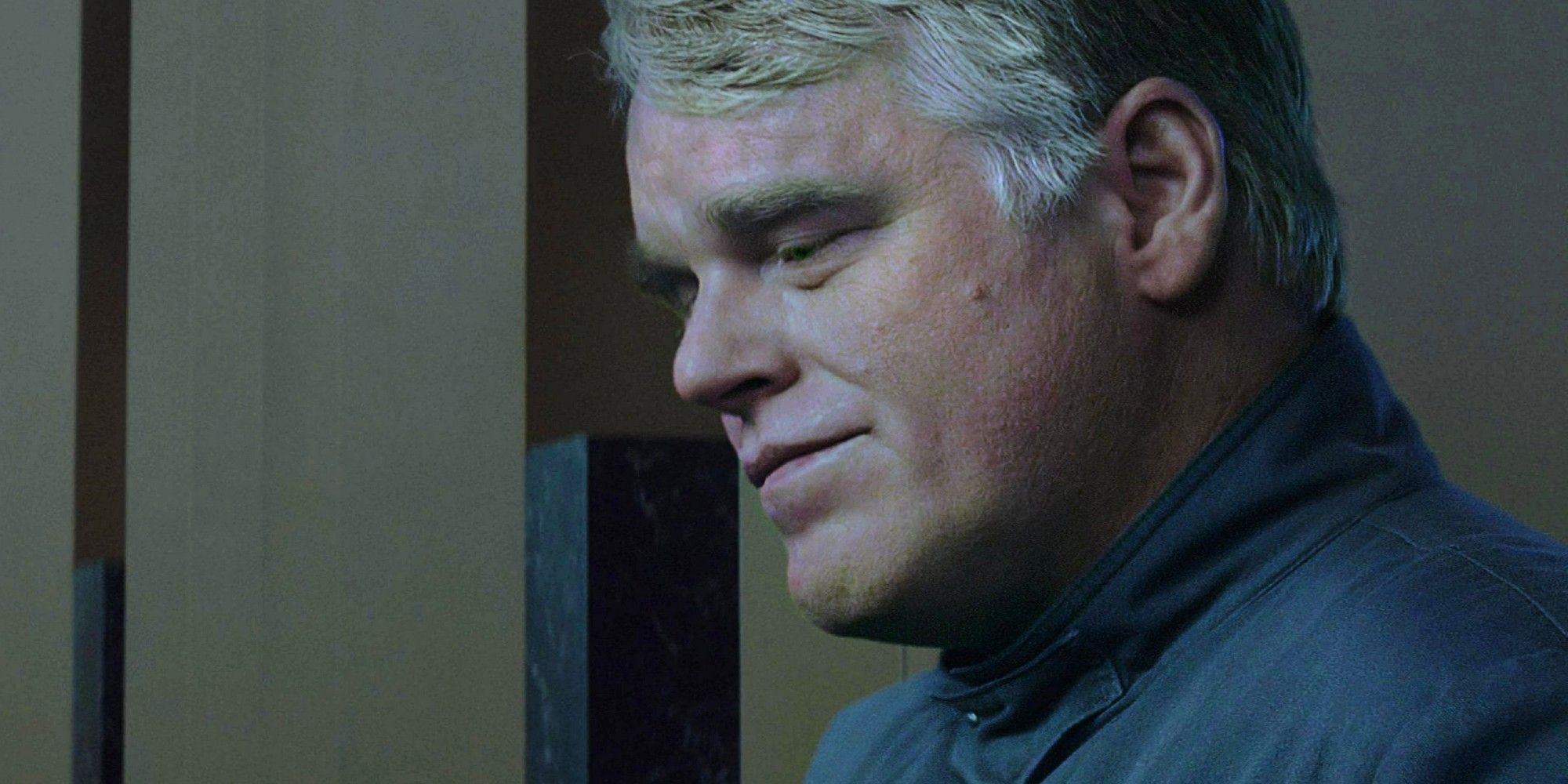
Alan Ritchson portrayed Gloss, the formidable District 1 tribute, in the 2013 blockbuster The Hunger Games: Catching Fire. As a former Victor competing in the 75th Hunger Games (the Quarter Quell), Ritchson’s character served as a primary "Career" antagonist, showcasing the physical intensity and lethal precision that would later define his leading role in the Reacher series.
The Character of Gloss: A Legacy of District 1
In the lore of Panem, District 1 is known for its luxury and its "Career" tributes—individuals who spend their entire lives training for the Games before volunteering. Gloss, played by Alan Ritchson, represents the pinnacle of this culture. Unlike tributes from poorer districts who view the Games as a death sentence, Gloss and his sister, Cashmere, were celebrated Victors who returned to the arena for the Third Quarter Quell.
Gloss is characterized by a mix of arrogance, physical prowess, and tactical intelligence. In the 2013 film, Ritchson captures the essence of a man who has already won the ultimate prize but remains a loyal pawn of the Capitol. His presence in the film is defined by high-stakes combat and a chillingly professional approach to the "sport" of the Games.
District 1 victors were often the Capitol's favorites, and Gloss was no exception. His background as a former winner meant he possessed a level of fame and comfort that few others in Panem could imagine. However, the 75th Games stripped that security away, forcing him back into the arena against other seasoned killers. This narrative layer allowed Ritchson to portray a more dangerous version of a tribute—one who was not just fighting for survival, but fighting to maintain his status as a champion.
Physicality and Combat: Ritchson’s Performance in the Arena
Even in 2013, Alan Ritchson’s physical presence was his most striking attribute. Standing at 6'3" with a muscular build, he was the ideal choice for a "Career" tribute. The role required significant stunt work, particularly during the "Cornucopia" sequences and the chaotic jungle battles.
Gloss’s primary weapon of choice was the throwing knife, a tool requiring immense coordination and speed. Ritchson’s performance during the opening bloodbath and the later confrontation at the Cornucopia showcased a high level of choreography. His movements were calculated and explosive, reflecting the training a District 1 tribute would have undergone since childhood.
The physical demands of The Hunger Games: Catching Fire served as an early indicator of Ritchson's suitability for action-heavy roles. While the role of Gloss did not have the extensive dialogue of Katniss or Peeta, Ritchson used his physicality to communicate the threat he posed. The sheer intimidation factor he brought to the screen was essential in establishing the high stakes for the protagonist, Katniss Everdeen.
The Relationship with Cashmere: The Sibling Dynamic
One of the more tragic, albeit briefly explored, elements of Gloss’s character is his relationship with his sister, Cashmere (portrayed by Stephanie Leigh Schlund). They are the only brother-sister duo of Victors in the history of the Games to be sent back into the arena together. This dynamic adds a layer of humanity to otherwise "villainous" characters.
The bond between Gloss and Cashmere is evident in their tactical synchronization. During the training sequences and the actual Games, they operate as a unit. Their mutual protection is a sharp contrast to the more individualistic or temporary alliances formed by other tributes. Ritchson and Schlund portrayed this connection through subtle cues—shared glances and defensive positioning—suggesting a deep-seated shared trauma from their first time in the Games.
In the context of the Panem political landscape, the inclusion of both siblings in the Quarter Quell was a calculated move by President Snow to break the spirit of the Victors. For Gloss, the Games were no longer about personal glory; they were about protecting the only family he had left in a world that viewed them as disposable entertainment.
The 75th Hunger Games: The Strategy and Demise of Gloss
Gloss was a central member of the "Career Pack" in the 75th Games, alongside Cashmere, Enobaria, and Brutus. Their strategy was classic Career doctrine: seize the Cornucopia, secure the most valuable supplies, and systematically hunt down the weaker tributes.
The role of Gloss reached its climax during the battle at the Cornucopia when the arena's "clock" mechanism was discovered. Gloss managed to kill Wiress, a tribute from District 3, by slitting her throat with a throwing knife. This act of lethality triggered an immediate response from Katniss Everdeen. In one of the film's most pivotal action beats, Katniss fired an arrow directly into Gloss’s chest, killing him instantly.
His death was a turning point for the Career Pack, signaling the beginning of their dissolution. For the audience, Gloss’s demise served to highlight the increasing lethality of Katniss and the desperate nature of the Quarter Quell. Ritchson’s exit from the film was as impactful as his entrance, leaving a lasting impression of a formidable foe who fell only to the franchise's most skilled archer.
From Career Tribute to Reacher: Evolution of Alan Ritchson’s On-Screen Presence
Looking back from the perspective of 2026, Alan Ritchson’s role in The Hunger Games was a vital stepping stone in his career trajectory. While he was already known for roles in Smallville and Blue Mountain State, Catching Fire placed him in one of the highest-grossing film franchises of all time.
The leap from Gloss to Jack Reacher is not as large as it might seem. Both characters rely on a massive physical frame and a specialized set of combat skills. However, where Gloss was a "polished" version of a killer—groomed by the Capitol and dressed in fine fabrics—Reacher is the "unpolished" equivalent. The discipline Ritchson showed in the stunt-heavy environment of The Hunger Games clearly prepared him for the brutal, close-quarters combat scenes that define his current work.
Furthermore, the "Career" tribute training mirrored the real-world preparation Ritchson now undergoes for his action roles. The intensity required for the arena scenes in Hawaii (where Catching Fire was filmed) set a standard for the level of commitment Ritchson brings to his characters today.
Comparison of Key Tributes in the 75th Hunger Games
The following table compares Gloss with other prominent tributes from the 75th Hunger Games to illustrate his standing within the competition.
| Tribute Name | District | Primary Weapon | Outcome in the 75th Games | Notable Skill |
|---|---|---|---|---|
| Gloss (Alan Ritchson) | 1 | Throwing Knives | Deceased (Killed by Katniss) | Precision and speed |
| Cashmere | 1 | Throwing Knives | Deceased (Killed by Johanna) | Tactical coordination |
| Katniss Everdeen | 12 | Bow and Arrow | Survived (Extracted) | Archery and survivalism |
| Finnick Odair | 4 | Trident | Survived (Extracted) | Aquatic combat |
| Enobaria | 2 | Teeth/Sword | Survived (Captured) | Brutality and intimidation |
| Brutus | 2 | Spear | Deceased (Killed by Peeta) | Raw strength |
Technical Behind-the-Scenes: Training and Production
The production of The Hunger Games: Catching Fire was a massive undertaking, particularly the sequences involving the arena. The "Clock Arena" was a masterpiece of set design and practical effects. For Ritchson and the other tributes, this meant filming in challenging conditions in Hawaii, often submerged in water or navigating difficult jungle terrain.
Ritchson has often spoken about the "Career training" the actors underwent. This was not merely for show; the actors were required to look and move like professional athletes. This involved hours of weapons training and physical conditioning. For Gloss, the focus was on the mechanics of knife throwing—ensuring that the motion looked natural and lethal on camera.
The costumes for District 1, designed by Trish Summerville, also played a role in Ritchson’s characterization. The tributes from District 1 wore outfits that were more ornate and structured than those from the other districts, emphasizing their status as the Capitol’s elite. Even in the arena, Gloss’s gear reflected a sense of high-performance luxury that Ritchson wore with a characteristic confidence.
The Cultural Impact of the Hunger Games Villains
While Katniss Everdeen is the heart of the story, the franchise's success relied heavily on the quality of its antagonists. Gloss represents a specific type of villain: the "systemic" antagonist. He is not a mustache-twirling villain with a personal vendetta against Katniss; he is a product of a broken system that forces children to kill for sport.
Ritchson’s portrayal of Gloss helped ground the stakes of the film. If the "villains" were not credible threats, Katniss’s struggle would have felt less urgent. By bringing a sense of professional competence to Gloss, Ritchson ensured that the audience understood exactly why the Careers were so feared by the rest of Panem.
In the decade plus since the film's release, the character of Gloss has remained a fan favorite among those who appreciate the deeper lore of the Districts. Ritchson’s performance is often cited in discussions about how the films successfully adapted the "Careers" from Suzanne Collins' novels, bringing a layer of physical reality to the page's descriptions.
FAQ
Who killed Gloss in The Hunger Games?
Gloss was killed by Katniss Everdeen. During the battle at the Cornucopia, after Gloss killed Wiress by slitting her throat, Katniss immediately retaliated by shooting an arrow into his chest. This occurred shortly before his sister, Cashmere, was also killed by Johanna Mason.
Did Alan Ritchson do his own stunts in Catching Fire?
Yes, Ritchson performed a significant portion of his own stunts and combat choreography. The production utilized a rigorous "tribute boot camp" to prepare the actors for the physical demands of the arena scenes, including training with their character-specific weapons.
Was Gloss a Victor before the 75th Hunger Games?
Yes, Gloss was the winner of a previous, unspecified Hunger Games. In the 75th Games (the Third Quarter Quell), the twist was that the tributes were reaped from the existing pool of Victors. This made Gloss one of the most dangerous competitors, as he had already survived and won the Games once before.
Is Alan Ritchson in any other Hunger Games movies?
No, Alan Ritchson only appears in The Hunger Games: Catching Fire. His character, Gloss, is killed during the 75th Games, and while he is mentioned or seen in flashbacks/archival footage in later materials, his active role was limited to the second film in the franchise.
How tall is Alan Ritchson compared to other tributes?
Alan Ritchson stands approximately 6'3" (190 cm). He was one of the tallest and most physically imposing actors in the Catching Fire cast, which helped distinguish his character as a "Career" tribute from District 1.
Practical Recommendation for Fans
For those interested in seeing the origins of Alan Ritchson's action-star persona, a re-watch of The Hunger Games: Catching Fire is highly recommended. Pay close attention to the Cornucopia bloodbath and the training center sequences. These scenes highlight Ritchson's ability to command the screen through physical presence and technical movement, traits that have become his trademark in his 2026-era projects. Additionally, exploring the "behind-the-scenes" features on the Catching Fire home media releases provides excellent insight into the "Career training" Ritchson underwent to bring Gloss to life.