To effectively use air duct cleaning service reviews in 2026, focus on identifying specific mentions of "source removal" methods, specialized equipment like truck-mounted vacuums, and NADCA certification. Authentic reviews prioritize technical transparency over vague praise, helping you distinguish professional HVAC hygiene from "bait-and-switch" scams that use low-cost introductory offers to upsell unnecessary services.
Air duct cleaning remains one of the most scrutinized sectors of the home services industry. While the technology for cleaning ventilation systems has matured, the methods for marketing these services have become increasingly complex. In 2026, consumers must navigate a landscape of AI-enhanced testimonials and sophisticated "blow-and-go" scams. Finding a reputable provider requires a disciplined approach to analyzing customer feedback, verifying industry credentials, and understanding the technical requirements of a proper HVAC system cleaning.
Distinguishing Authentic Reviews from Marketing Noise
The first step in analyzing air duct cleaning service reviews is separating genuine customer experiences from manufactured sentiment. In 2026, the prevalence of automated review generation means that "5-star" ratings alone are insufficient metrics for quality.
Identifying the "Bait and Switch" Pattern
The most common grievance found in negative air duct cleaning reviews involves the "bait and switch" pricing model. Scammers often advertise a "whole house special" for a remarkably low price—typically between $79 and $149. Reviews of these companies often follow a predictable trajectory:
- The Initial Hook: The customer is lured by a coupon or social media advertisement.
- The "Discovery": Upon arrival, the technician "discovers" mold, "black dust," or "dangerous pathogens" that supposedly require immediate, expensive treatment.
- The Price Leap: The final bill jumps from the advertised $99 to $1,500 or more.
When reading reviews, look for keywords like "unforeseen costs," "mold scare tactics," or "per-vent pricing." If a company has a high volume of reviews mentioning that the final price was significantly higher than the quote, it is a definitive red flag, regardless of their overall star rating.
Verifying Technical Specifics in Reviews
A high-quality review will often contain technical details that a casual or fake reviewer would likely omit. Look for feedback that mentions:
- Access Holes: Professional cleaners must often cut access holes in the plenum to reach the main supply and return trunks.
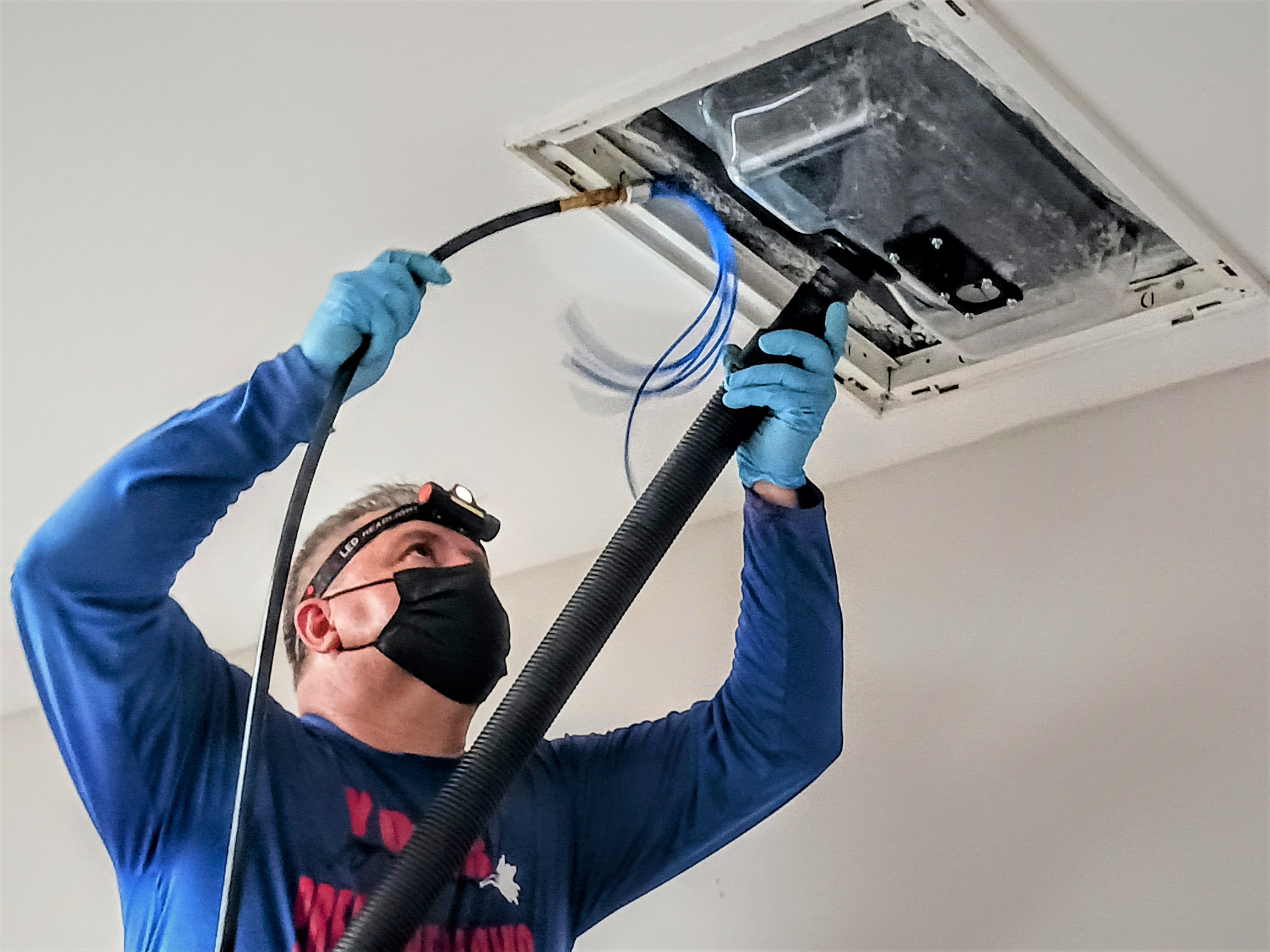
- Negative Pressure: Reviews should mention the use of high-powered vacuum units that create a vacuum throughout the system to ensure dust is pulled out of the home, not blown into the living space.
- Before-and-After Evidence: Many reputable 2026 service providers use remote cameras to show customers the state of their ducts before and after the service. Positive reviews that mention these visual confirmations are much more reliable.
Industry Standards: The NADCA Gold Standard
In 2026, the National Air Duct Cleaners Association (NADCA) remains the primary authority for HVAC inspection, cleaning, and restoration. Any review or service description should be measured against the NADCA ACR Standard.
Why NADCA Certification Matters
NADCA-certified technicians are required to follow a specific set of protocols known as "Source Removal." This involves mechanical agitation (using brushes, air whips, or compressed air) to dislodge debris while the system is under constant negative pressure.
When scanning reviews, prioritize companies where customers explicitly mention the technician’s certification. A company may claim to "follow NADCA standards," but true certification means they have at least one Air Systems Cleaning Specialist (ASCS) on staff who has passed a rigorous examination and maintains ongoing education. You can verify a company’s current 2026 standing directly through the NADCA Find a Professional directory.
The Role of the EPA
It is important to remember that the Environmental Protection Agency (EPA) does not "certify" air duct cleaning companies. If you see a review or a company website claiming to be "EPA-Certified" for duct cleaning, this is a deceptive marketing tactic. The EPA provides guidance on when cleaning is necessary—such as in cases of visible mold, vermin infestation, or excessive clogging—but they do not endorse specific service providers. For more information on official guidance, refer to the EPA’s guide on air duct cleaning.
Decoding Technical Terminology in Customer Feedback
To find the best service, you must understand the terminology used in detailed reviews. This helps you determine if the provider is performing a comprehensive cleaning or a superficial one.
Source Removal vs. "Blow-and-Go"
- Source Removal: This is the only effective way to clean a system. It involves the physical removal of dirt and contaminants. If a review mentions that the technician "just used a shop-vac," the service was likely a "blow-and-go" operation.
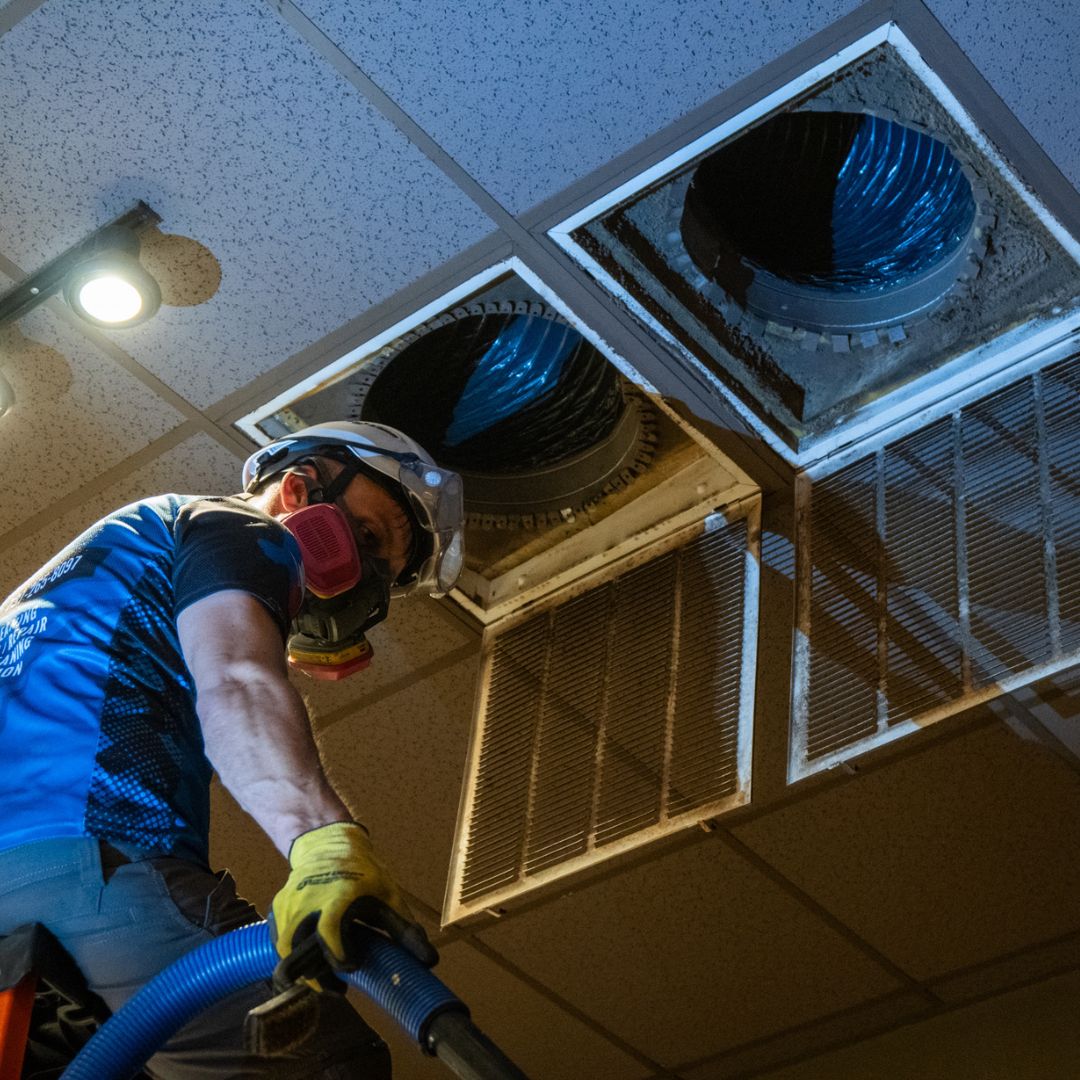
- Truck-Mounted Vacuums: These are the most powerful units available. Reviews that mention a large hose running from a truck into the house generally indicate a more thorough cleaning than those mentioning a small, portable "Suitcase" vacuum.
- Antimicrobial Treatments: Be cautious of reviews praising "sanitizing" or "deodorizing" sprays. The NADCA position is that these should only be used after the ducts have been mechanically cleaned. Applying chemicals to dust and debris is ineffective and may introduce irritants into the air.
Comparison of Major Review Platforms in 2026
Different platforms offer varying levels of reliability for air duct cleaning services. Use the following table to weigh the feedback you find:
| Platform | Verification Level | Common Use Case | Reliability Factor |
|---|---|---|---|
| Google Maps/Search | Moderate | Checking local proximity and recent volume. | Look for "Local Guide" status on reviewers. |
| Better Business Bureau (BBB) | High | Investigating formal complaints and resolution history. | Essential for checking "Bait and Switch" patterns. |
| Angi (formerly Angie's List) | Moderate | Finding pros with background checks. | Useful for seeing "Super Service Award" history. |
| Yelp | Moderate | Reading detailed, long-form customer narratives. | Watch out for hidden "unrecommended" reviews. |
| Nextdoor | Low | Getting local neighborhood recommendations. | High risk of "hidden" employee recommendations. |
Cost Expectations vs. Review Promises
As of 2026, the average cost for a professional, full-system air duct cleaning for a 2,000-square-foot home ranges from $450 to $1,000. This pricing reflects the 3 to 5 hours of labor required for two technicians to properly clean the supply, return, and trunk lines.
If you encounter reviews for a company charging significantly less (e.g., $99 specials), you are almost certainly looking at a company that relies on volume and aggressive upselling. Conversely, reviews that mention prices exceeding $1,500 without a specific reason (such as extensive mold remediation or duct repair) may indicate overcharging.
Factors that Legitimately Increase Cost:
- Number of Systems: Homes with two or more furnace/AC units will naturally cost more.
- Duct Material: Flexible ductwork is more delicate and requires different tools than rigid sheet metal.
- Accessibility: Crawlspaces or high-ceiling commercial vents increase labor time.
- Additional Services: Dryer vent cleaning is often bundled but should be priced separately ($100–$200).
Common Pitfalls: What Negative Reviews Reveal
Negative reviews are often more educational than positive ones. When analyzing 1-star and 2-star feedback for 2026 air duct cleaning services, look for these specific complaints:
- Dust Blowback: If a customer complains that their house was dustier after the cleaning, the technician failed to maintain negative pressure. This is a fundamental failure of the cleaning process.
- Damaged Ductwork: "Air whips" and brushes can tear older flexible ducts if used improperly. Reviews mentioning "lost suction" after a cleaning might indicate the technicians tore a line and didn't fix it.
- Incomplete Cleaning: Some companies only clean the supply vents and ignore the return air ducts—where the majority of dust actually accumulates. Look for reviews that confirm the technicians "accessed both the hot and cold sides" of the system.
- Sales Pressure: Reviews that describe the technician as a "salesman first, cleaner second" are a warning that the company’s business model is based on commissions rather than service quality.
Health Claims and Performance Realities
In 2026, many air duct cleaning reviews focus on health benefits, particularly for allergy or asthma sufferers. While cleaning can remove significant amounts of allergens (pollen, pet dander, dust mites), it is not a "cure-all."
Expert consensus, supported by the EPA, suggests that duct cleaning has not yet been conclusively proven to prevent health problems. However, a clean system operates more efficiently. If reviews mention "lower energy bills" or "less frequent dusting," these are legitimate outcomes of a well-performed cleaning. If a review claims that duct cleaning "cured my chronic illness," treat it with skepticism; such claims are often exaggerated or subjective.
Step-by-Step Guide to Hiring Based on Reviews
- Shortlist 3 Companies: Find providers with at least 50 reviews and a rating above 4.2.
- Filter for "Negative Pressure": Use the search function within the reviews (on Google or Yelp) to find mentions of equipment and technical methods.
- Check BBB for "Bait and Switch": Ensure there are no patterns of price gouging once on-site.
- Request a Written Quote: A reputable company should provide a quote based on the number of vents or the square footage, not a "flat rate" that sounds too good to be true.
- Ask About the ACR Standard: When calling, ask if they clean in accordance with the NADCA ACR Standard. If they don't know what that is, move on.
Frequently Asked Questions
How often should I have my air ducts cleaned according to 2026 standards?
Most experts recommend cleaning every 3 to 5 years. However, homes with shedding pets, smokers, or recent renovation projects (which create significant drywall dust) should consider more frequent cleanings. Reviews that suggest "every 6 months" are usually promoting unnecessary services.
Is mold in air ducts a common problem?
Actual mold growth in ducts is relatively rare and requires a moisture source. If a company claims you have mold based on a quick visual inspection, ask for a lab-certified test. Many reviews warn of technicians who mistake ordinary household dust for "black mold" to justify expensive treatments.
Can air duct cleaning damage my HVAC system?
If performed by an uncertified technician using improper tools, yes. High-pressure air can detach joints in the ductwork or damage the internal insulation of the "flex duct." Reading reviews for mentions of "low airflow" or "rattling noises" after service can help you avoid these careless providers.
Should I get my dryer vent cleaned at the same time?
Yes, this is highly recommended for fire safety. Most air duct cleaning reviews that mention a "package deal" for dryer vents are describing a legitimate and useful service. The lint buildup in dryer vents is a much higher fire hazard than the dust in your HVAC ducts.
Does a "sanitizer" or "sealant" help?
Sanitizers should only be used if there is a documented biological growth issue. Sealants (like Aeroseal) are used to fix leaks in the ductwork to improve efficiency, but they are a separate service from "cleaning." Reviews that conflate the two may indicate a lack of technical understanding by the provider.
Final Recommendation for 2026 Homeowners
When researching air duct cleaning service reviews, prioritize technical transparency over promotional pricing. A legitimate professional service in 2026 will be proud of their equipment, their NADCA certification, and their methodical source-removal process. Avoid any company that uses high-pressure sales tactics or offers prices that fall significantly below the market average of $450–$1,000 for a standard home. By focusing on detailed, verified feedback that mentions negative pressure and visual verification, you can ensure your HVAC system is genuinely cleaned and your indoor air quality is protected.