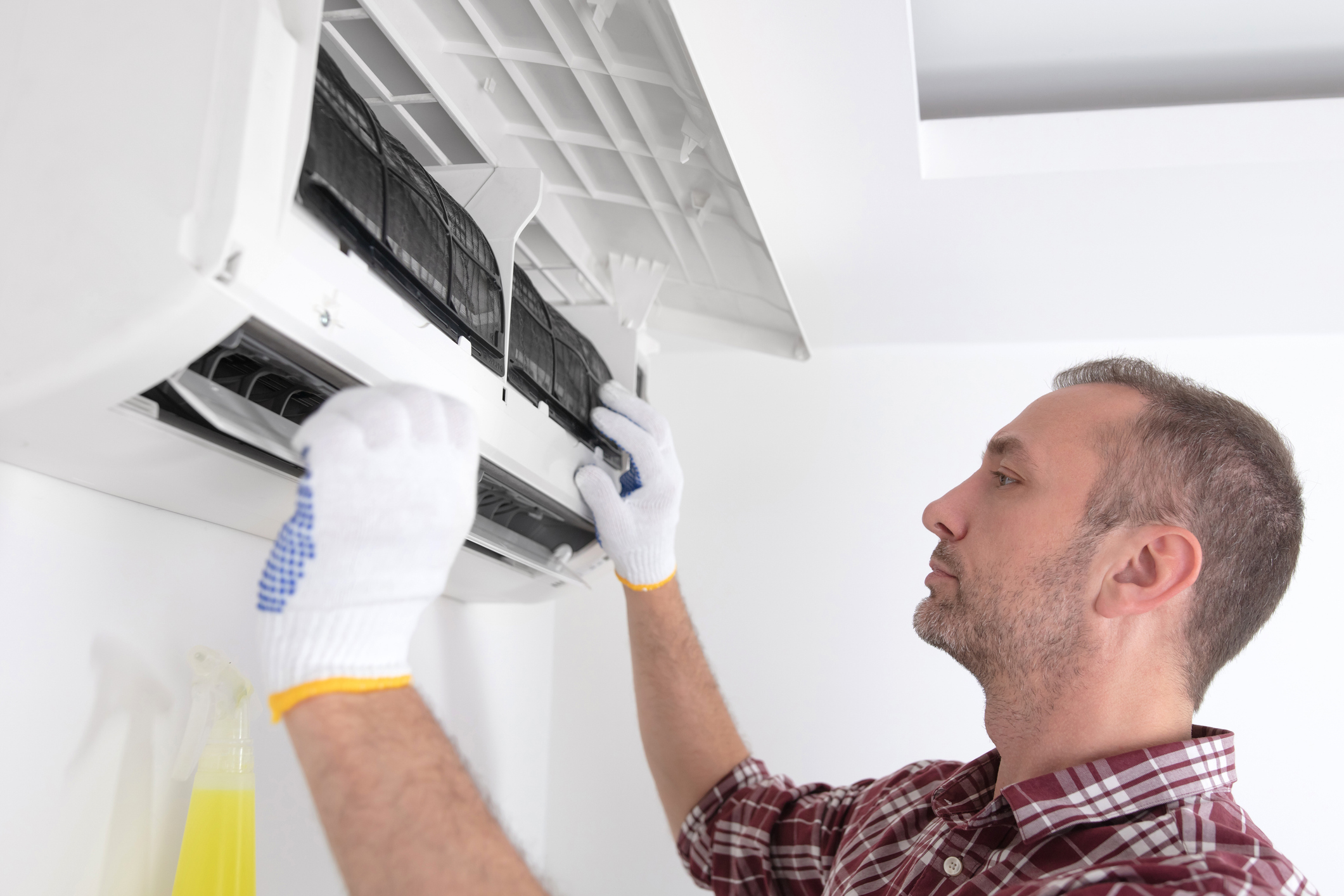
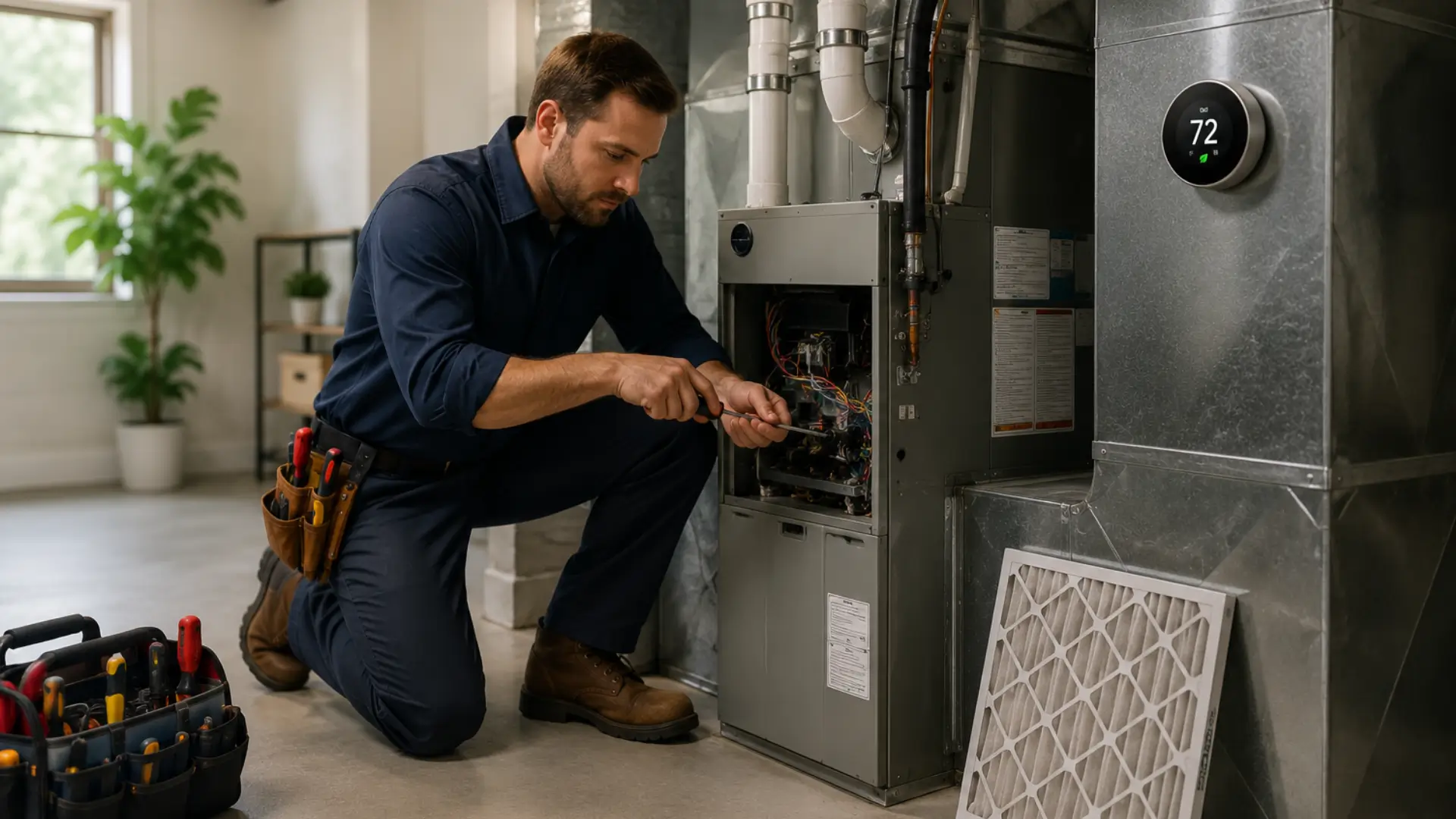
To ensure reliable air conditioning repair in The Woodlands, TX, homeowners must prioritize verifying a contractor’s Texas Department of Licensing and Regulation (TDLR) status and NATE certification. Effective repair involves addressing Southeast Texas's extreme humidity, managing modern A2L refrigerants, and adhering to The Woodlands Township’s specific residential design standards for exterior equipment placement.
In the climate of The Woodlands, a functioning air conditioning system is not a luxury; it is a fundamental requirement for home safety and structural integrity. With summer temperatures frequently exceeding 95°F and relative humidity levels often hovering above 70%, the cooling system undergoes immense mechanical stress. By 2026, the landscape of HVAC technology has shifted significantly, with new environmental regulations and advanced diagnostic tools changing how repairs are conducted. Understanding the nuances of local climate demands, modern refrigerant standards, and professional requirements is essential for every resident from Grogan’s Mill to Creekside Park.
The Local Climate Impact on HVAC Systems
The Woodlands is characterized by a humid subtropical climate. This specific environment creates a set of challenges for air conditioning systems that differ from those in drier parts of Texas. The high moisture content in the air means that an AC unit in The Woodlands spends nearly half of its energy on latent cooling—removing moisture—rather than just sensible cooling (lowering the temperature).
Humidity and Biological Growth
Excessive humidity can lead to moisture accumulation within the ductwork and on the evaporator coils. If a system is not properly maintained or if a repair is botched, the resulting "dirty sock syndrome" or mold growth can compromise indoor air quality. Repairs in this region often involve cleaning the condensate drain lines and ensuring that the secondary drain pan is free of obstructions. In The Woodlands, a clogged drain line is the leading cause of emergency service calls during the peak months of July and August.
Pine Needles and Outdoor Units
The signature pine trees of The Woodlands present a unique maintenance challenge. Pine needles and organic debris frequently clog the fins of the condenser unit located outside. This restricts airflow, forcing the compressor to work harder and significantly shortening its lifespan. Homeowners should ensure that any repair service includes a thorough cleaning of the condenser coils and a check of the fan motor's integrity, which can be damaged by persistent debris.
Identifying Common AC Failures in 2026
As of 2026, many homes in The Woodlands are utilizing systems installed during the construction booms of the 2010s or the more recent high-efficiency upgrades. Identifying the root cause of a failure requires an understanding of both mechanical and electronic components.
Refrigerant Leaks and the A2L Shift
By 2026, the industry has transitioned away from R-410A toward lower global warming potential (GWP) refrigerants, such as R-454B and R-32. If your system was installed after 2024, it likely uses these A2L refrigerants. Repairs involving these substances require specialized sensors and "spark-proof" tools. A common issue in older systems is a leak in the evaporator coil. In the humid Texas environment, formicary corrosion—a specific type of copper pitting—is a frequent culprit for these leaks.
Capacitor and Contactor Failures
The intense heat in Southeast Texas causes electrical components to degrade. The start/run capacitor, which provides the initial "jolt" to start the compressor and fan, is often the first part to fail during a heatwave. If you hear a humming sound from your outdoor unit but the fan isn't spinning, the capacitor is likely the issue. Replacing a capacitor is a common repair, but it must be sized correctly to the motor’s microfarad (µF) requirements to prevent permanent motor damage.
Control Board and Thermostat Issues
Modern HVAC systems are increasingly reliant on complex control boards and "communicating" thermostats. These systems provide precise climate control but are sensitive to power surges, which are common in Montgomery County during spring thunderstorms. A failure in the communication line can lead to the system failing to engage, even if the mechanical components are healthy.
The Professional Repair Process: What to Expect
When a professional technician arrives at your home in The Woodlands, the diagnostic process should be systematic. A "slash and dash" repair—where a technician simply adds refrigerant without finding a leak—is a temporary fix that leads to higher costs and environmental harm.
- Initial Inspection: The technician should check the thermostat settings, the air filter, and the circuit breakers.
- Static Pressure Testing: By 2026, advanced technicians use digital manometers to check the static pressure within your ducts. High static pressure indicates restricted airflow, which can cause the blower motor to burn out.
- Delta T Calculation: The technician will measure the temperature difference between the return air and the supply air. A healthy system in The Woodlands should typically show a drop of 16 to 20 degrees Fahrenheit.
- Refrigerant Charge Verification: Using digital gauges, the technician will check subcooling and superheat levels. This ensures the system has the exact amount of refrigerant needed for optimal efficiency.
- Electrical Component Check: Measuring the "amp draw" of the compressor and motors helps identify parts that are beginning to fail before they cause a total system shutdown.
Cost Considerations for Repairs in 2026
Pricing for AC repair in The Woodlands reflects the high demand for skilled labor and the rising cost of advanced components. While prices vary by company, the following table provides a general baseline for common repair services in the 2026 market.
| Repair Type | Estimated Cost Range (Parts & Labor) | Complexity Level | Estimated Duration |
|---|---|---|---|
| Capacitor Replacement | $180 – $350 | Low | 30 – 60 Minutes |
| Condensate Drain Cleaning | $150 – $300 | Low | 45 – 75 Minutes |
| Contactor Replacement | $200 – $400 | Medium | 1 Hour |
| Blower Motor Replacement | $600 – $1,200 | High | 2 – 3 Hours |
| Evaporator Coil Repair/Leak Fix | $800 – $2,000+ | Very High | 4 – 6 Hours |
| Fan Motor Replacement | $500 – $900 | Medium | 1 – 2 Hours |
| Refrigerant Recharge (per lb) | $100 – $250 | Medium | 1 – 2 Hours |
Note: Costs are estimates and can be influenced by system brand, warranty status, and emergency "after-hours" fees.
Navigating The Woodlands Homeowner Regulations
The Woodlands is a master-planned community with specific covenants managed by The Woodlands Township. While internal AC repairs do not require Township approval, exterior modifications might.
Residential Design Review Committees (RDRC)
If a repair necessitates replacing the entire outdoor condenser unit and you intend to move its location, you may need to consult the Residential Design Standards. Generally, replacing a unit in its existing footprint is considered maintenance and does not require an application. However, if you are installing a larger unit that requires a new concrete pad or if you are adding a second unit, you must ensure it meets setback requirements and is properly screened from view by neighbors or the street.
Montgomery and Harris County Permitting
Depending on your exact location within The Woodlands, your contractor may need to pull a permit for significant work, such as a full furnace or evaporator coil replacement. In the State of Texas, any work that involves opening the refrigerant circuit or modifying gas lines requires a licensed HVAC contractor. Homeowners can verify a contractor's license via the Texas Department of Licensing and Regulation (TDLR) website.
Preventive Maintenance: Reducing Repair Frequency
The best way to handle AC repair is to avoid the need for it through rigorous preventive maintenance. In The Woodlands, maintenance should be performed twice a year: once in the spring before the cooling season and once in the fall for the heating components.
Filter Management
In the dusty, pollen-heavy environment of Southeast Texas, standard 1-inch filters should be changed every 30 days. If you use high-MERV pleated filters, they may last 90 days, but they also increase static pressure. A dirty filter is the primary cause of frozen evaporator coils and blower motor failure.
Clearing the Condensate Line
Homeowners can proactively pour a cup of distilled white vinegar down the condensate drain line every few months. This helps kill algae and prevent the thick "sludge" that leads to backups. In The Woodlands, where high humidity means the AC generates gallons of water daily, keeping this line clear is critical to preventing water damage to your ceiling or flooring.
Clearing Vegetation
Maintain at least two feet of clearance around your outdoor condenser. Prune back any bushes, and regularly remove pine needles from the top of the unit. This ensures the fan can move air efficiently across the coils, reducing the heat load on the compressor.
When to Repair vs. When to Replace
A common dilemma for homeowners in The Woodlands is deciding whether to continue repairing an aging unit or invest in a new system. By 2026, the efficiency gains of new SEER2-rated systems often make replacement the more economical choice for units over 12 years old.
Consider replacement if:
- The "5,000 Rule" applies: Multiply the age of the unit by the cost of the repair. If the result exceeds $5,000, replacement is often more logical.
- Refrigerant availability: If your system still uses R-22 (a refrigerant phased out years ago), the cost of even a minor leak repair is often prohibitively expensive.
- Frequency of failure: If the system has required more than two major repairs in the last three years, its overall reliability is compromised.
Frequently Asked Questions
1. How long does an AC unit typically last in The Woodlands?
Due to the high run-time and humidity, AC units in The Woodlands and the greater Houston area typically last 10 to 14 years. This is slightly shorter than the national average of 15 to 20 years. Regular maintenance can extend this lifespan toward the 15-year mark, while neglect can lead to failure in under a decade.
2. Is a "service call fee" standard in The Woodlands?
Yes, most reputable HVAC companies in The Woodlands charge a diagnostic or service call fee, typically ranging from $89 to $150. This fee covers the technician’s travel and the time required to identify the problem. Many companies will waive or credit this fee toward the total cost if you choose to proceed with the recommended repair.
3. Why is my AC running but not cooling my home?
This is often caused by a dirty air filter, a clogged outdoor condenser, or a refrigerant leak. In The Woodlands, it can also be a sign that the evaporator coil has frozen over due to high humidity and restricted airflow. Turn the system off and set the fan to "On" to allow it to defrost before the technician arrives.
4. Do I need a permit for AC repair in Montgomery County?
For minor repairs like replacing a capacitor, fan motor, or thermostat, no permit is required. However, for "major" repairs that involve replacing the compressor, coils, or the entire air handler, a permit is often required by the local jurisdiction (either Montgomery County or the City of Conroe/Houston depending on your specific address) to ensure the work meets current mechanical codes.
5. What are the signs that my AC is leaking refrigerant?
Common signs include a noticeable decrease in cooling capacity, longer run cycles, and a hissing or bubbling sound near the indoor coil. You might also notice ice formation on the copper lines leading to the outdoor unit. In The Woodlands, the moisture on the coils can mask a leak, so a technician must use an electronic leak detector or UV dye to confirm the issue.
6. Does homeowner's insurance cover AC repair?
Standard homeowner's insurance typically only covers AC repair if the damage was caused by a "covered peril," such as a fire, a fallen tree limb, or a lightning strike. It does not cover mechanical failure due to wear and tear or lack of maintenance. Home warranties, however, are separate products that may cover these repairs depending on your specific contract.
Final Recommendation for Homeowners
When faced with an air conditioning failure in The Woodlands, the most important step is to act quickly but cautiously. Do not attempt to repair electrical components or refrigerant systems yourself, as this can void warranties and create safety hazards. Always confirm that the contractor is licensed through the TDLR and carries adequate liability insurance. Prioritize companies that offer upfront, flat-rate pricing and provide a written warranty on both parts and labor. For the best long-term results, consider a local provider who understands the specific environmental demands of the Texas Piney Woods and can ensure your system is optimized for both temperature control and dehumidification.