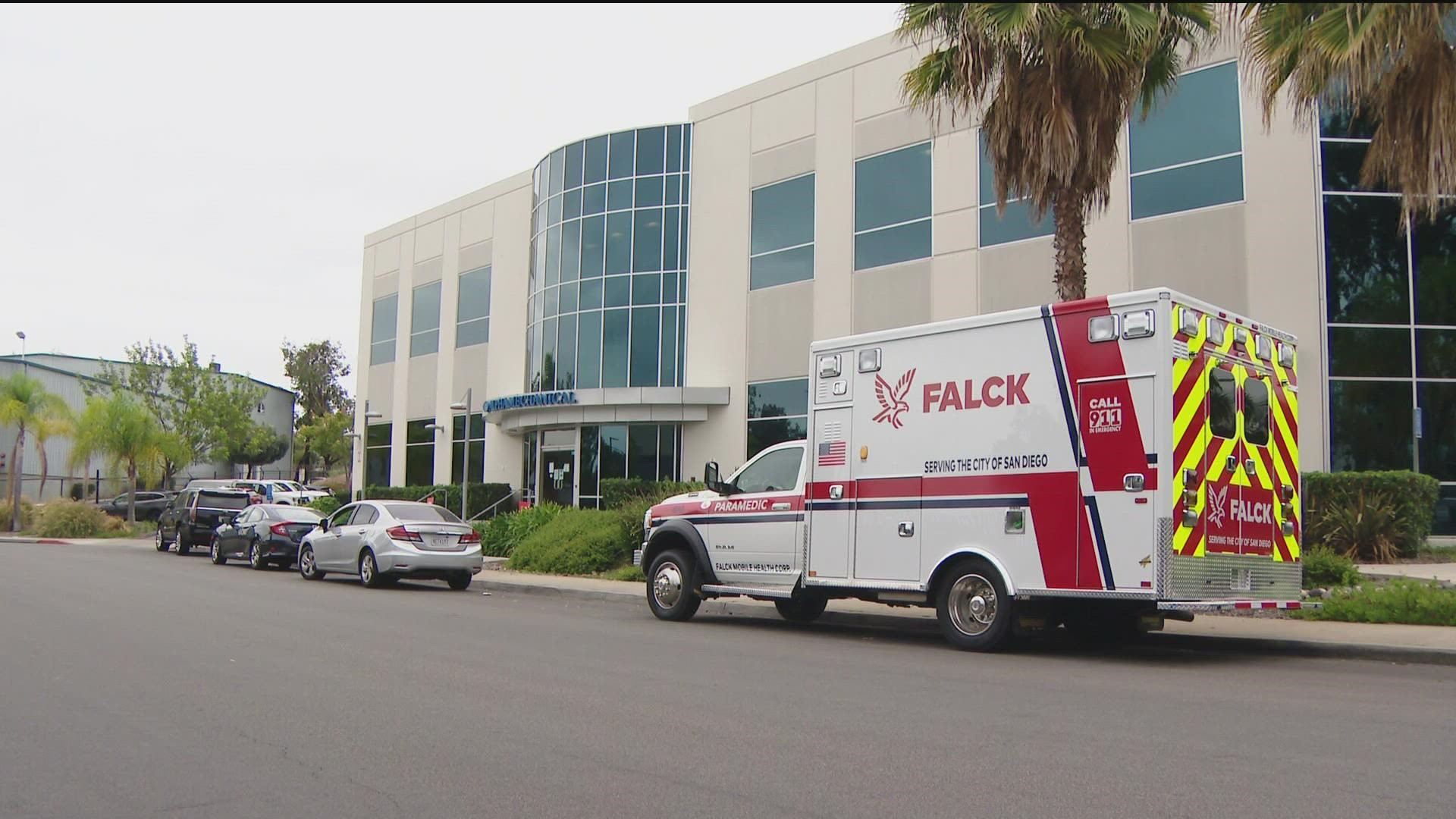
Air ambulance services in San Diego provide critical, life-saving transport for patients requiring rapid evacuation or specialized care. These services operate via helicopters (rotor-wing) for scene calls and inter-facility transfers, or fixed-wing aircraft for long-distance and international repatriation, connecting patients to San Diego’s world-class Level I trauma centers and specialty hospitals.
Air medical transport in San Diego County is a sophisticated intersection of aviation, emergency medicine, and regional geography. As of 2026, the network of providers and the regulatory framework surrounding them have evolved to ensure that patients in the most remote areas of the county—from the Cleveland National Forest to the Anza-Borrego Desert—receive the same level of intensive care found in the city’s premier medical institutions. Whether it is a "scene call" following a highway accident or a "repatriation" flight from across the border in Baja California, understanding how these services function is essential for patients, families, and healthcare providers.
Understanding the Two Primary Types of Air Medical Transport
In San Diego, air ambulance services are generally categorized into two distinct operational models: rotor-wing (helicopters) and fixed-wing (airplanes). Each serves a specific purpose based on the patient’s location, medical urgency, and the distance to the receiving facility.
Rotor-Wing Services (Helicopters)
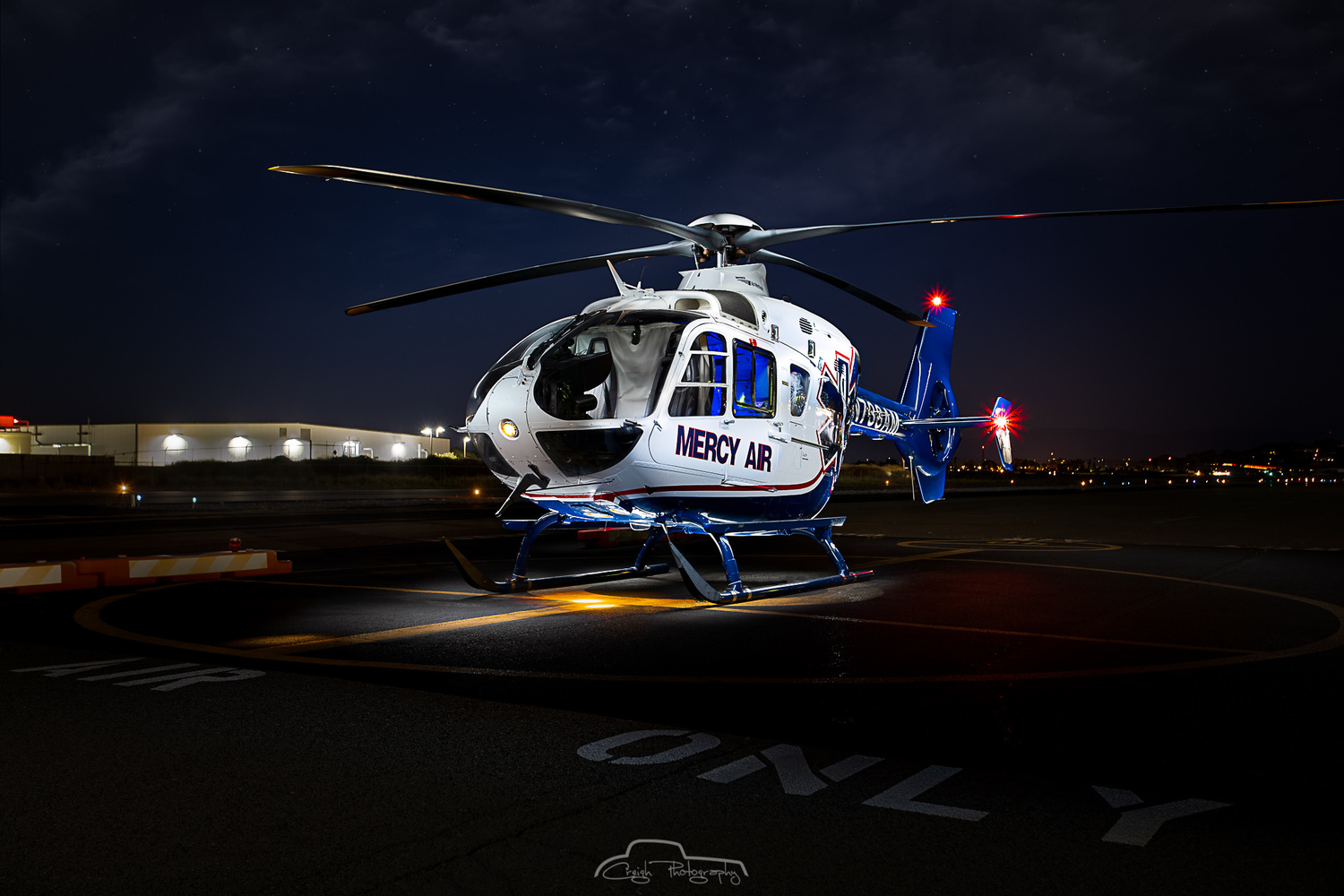
Helicopters are the backbone of emergency medical services (EMS) in the region. They are primarily utilized for "scene responses," where they land directly at the site of an accident or medical emergency to stabilize and transport patients to a trauma center. They are also frequently used for short-range inter-facility transfers (IFT), such as moving a patient from a smaller community hospital in North County to a specialized cardiac or burn unit in Hillcrest or La Jolla.
The advantage of rotor-wing transport in San Diego is the ability to bypass the city’s notorious traffic congestion on the I-5 or I-15 and navigate the rugged terrain of the East County mountains. Most medical helicopters in the region are equipped as mobile Intensive Care Units (ICUs), staffed by highly trained flight nurses and flight paramedics.
Fixed-Wing Services (Airplanes)
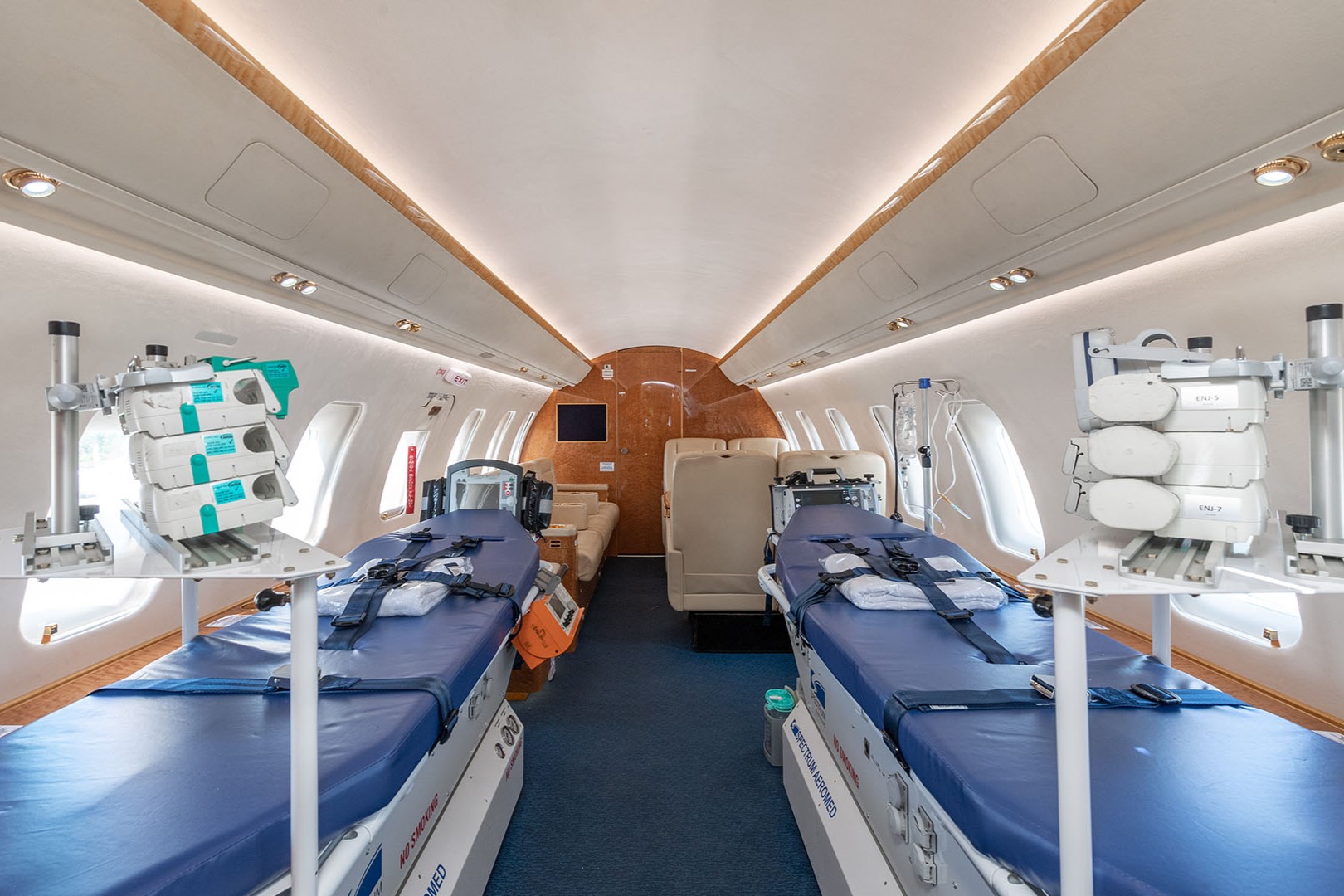
Fixed-wing air ambulances are utilized for long-distance transports, typically exceeding 150 to 200 miles. These aircraft are used when a patient needs to be moved to a facility outside of Southern California or when a San Diego resident is injured abroad and needs to be brought home.
Because San Diego serves as a major international gateway, fixed-wing services are frequently involved in cross-border medical evacuations. These aircraft can fly in weather conditions that might ground helicopters and offer a more stable, pressurized environment for patients with specific respiratory or neurological conditions.
Key Air Ambulance Providers in San Diego
San Diego’s air medical landscape is served by a mix of private providers, hospital-based programs, and public safety agencies.
- Mercy Air (Global Medical Response): One of the most prominent providers in the region, Mercy Air operates several bases throughout San Diego County, including sites in El Cajon, Oceanside, and near the border. They provide 24/7 emergency response and are integrated into the county’s 911 dispatch system.
- REACH Air Medical Services: Often working in conjunction with local fire departments, REACH provides both rotor-wing and fixed-wing services. Their aircraft are often seen responding to incidents in the North County and the inland valleys.
- UCSD AirMed: This is a specialized hospital-based program affiliated with UC San Diego Health. UCSD AirMed focuses heavily on complex inter-facility transfers, utilizing advanced equipment like Extracorporeal Membrane Oxygenation (ECMO) for patients with severe heart or lung failure.
- San Diego County Sheriff’s Department (ASTREA): While primarily a law enforcement asset, ASTREA (Aerial Support to Regional Enforcement Agencies) provides rescue and emergency medical transport in rural and mountainous areas when private air ambulances are unavailable or the terrain requires specialized hoist capabilities.
Trauma Centers and Medical Destinations
The primary goal of an air ambulance in San Diego is to transport the patient to the "most appropriate" facility, which is not always the closest. San Diego County has a highly organized trauma system with several designated centers capable of handling the highest acuity patients.
- UC San Diego Medical Center (Hillcrest): Known for its regional burn center and Level I trauma status, it is a frequent destination for air ambulances.
- Scripps Mercy Hospital (Hillcrest): Another Level I trauma center serving the central and southern parts of the county.
- Scripps Memorial Hospital (La Jolla): A Level I trauma center and a major hub for cardiac care in the northern part of the city.
- Sharp Memorial Hospital: Located in Kearny Mesa, this facility is a Level II trauma center with specialized services in heart and multi-organ transplants.
- Palomar Medical Center (Escondido): A Level II trauma center that serves as the primary destination for air transports originating in North County and the inland desert areas.
- Rady Children’s Hospital: The only designated pediatric trauma center in the region, receiving almost all air medical transports involving critically ill or injured children.
Logistics: The Dispatch and Flight Process
The activation of an air ambulance is a strictly regulated process. On a scene call, the decision is typically made by the first-responding fire department or EMS captain based on "trauma criteria" established by the San Diego County EMS Office. These criteria include the patient’s physiological status (e.g., low blood pressure, difficulty breathing) and the mechanism of injury (e.g., a fall from a significant height or a high-speed vehicle collision).
Once the request is made, the dispatch center coordinates via CALCORD (California On-Scene Emergency Coordination Radio) to ensure the flight crew has accurate landing zone (LZ) coordinates. In San Diego, landing zones are often established in parking lots, open fields, or cleared sections of highways.
For inter-facility transfers, the referring physician at the sending hospital coordinates with the receiving physician and the air ambulance provider. This "bed-to-bed" service ensures that the patient is monitored continuously from the moment they leave their original room until they are admitted to the destination hospital.
The Role of Weather and Geography
San Diego’s unique geography presents specific challenges for air medical operations. While the region is known for pleasant weather, "marine layer" fog can frequently roll in from the Pacific Ocean, obscuring visibility at coastal hospitals and airports. In such cases, pilots must rely on Instrument Flight Rules (IFR), which require specific equipment and certifications.
Furthermore, the Santa Ana winds—strong, dry downslope winds—can create significant turbulence in the canyons and mountain passes of East County. Professional air ambulance providers in San Diego use advanced meteorological monitoring to determine the safety of a flight. If weather prevents a flight, "ground-ing" occurs, and the patient is transported via a critical care ground ambulance.
Cross-Border Medical Evacuations (Tijuana and Baja California)
San Diego’s proximity to the international border makes it a hub for cross-border air medical services. Every year, hundreds of tourists and expatriates in Baja California require emergency transport back to the United States for care.
Medical evacuations from Mexico involve complex logistics, including coordinating with U.S. Customs and Border Protection (CBP) and Mexican authorities. Fixed-wing air ambulances often fly into Brown Field Municipal Airport (SDM) or San Diego International Airport (SAN), where the patient is cleared by customs while remaining on the aircraft before being transferred to a local trauma center.
Air Ambulance Costs and the No Surprises Act in 2026
The cost of air ambulance transport is high due to the specialized equipment, highly trained medical staff, and the immense overhead of maintaining aircraft in a constant state of readiness. Historically, these costs could lead to "balance billing," where patients were billed for the difference between what their insurance paid and the provider's total charge.
As of 2026, the No Surprises Act has significantly stabilized this landscape. Under federal law:
- Patients are generally only responsible for their in-network cost-sharing amounts (deductibles and co-pays).
- Providers are prohibited from sending "balance bills" for emergency air medical services.
- Disputes between insurance companies and air ambulance providers are settled through an Independent Dispute Resolution (IDR) process, shielding the patient from the financial conflict.
Despite these protections, it is important to verify if a flight is deemed "medically necessary" by the insurance provider, as this remains the primary requirement for coverage.
Comparison of Transport Capabilities in San Diego
| Aircraft Type | Primary Use Case | Range | Medical Crew | Common Models in SD |
|---|---|---|---|---|
| Rotor-Wing (Helicopter) | Scene Response / Short IFT | ~150 Miles | 1 Flight Nurse, 1 Paramedic | Bell 407, Airbus H135/H145 |
| Fixed-Wing (Small Jet) | Long-Distance / International | 1,500+ Miles | 1 Flight Nurse, 1 Paramedic/RT | Learjet 35/45, King Air 200 |
| Fixed-Wing (Turboprop) | Regional / Medium Distance | ~800 Miles | 1 Flight Nurse, 1 Paramedic | Pilatus PC-12, King Air |
| Specialty Transport | Neonatal / ECMO / Burn | Variable | Specialized Teams (Physician/RN) | Dedicated Hospital Units |
Selecting an Air Ambulance Provider
While in an emergency the choice of provider is usually made by first responders, for non-emergency or inter-facility transfers, patients and families may have a say. When evaluating a service, consider the following:
- CAMTS Accreditation: The Commission on Accreditation of Medical Transport Systems (CAMTS) is the gold standard for safety and quality. Ensure the provider holds this accreditation.
- Clinical Capabilities: Does the crew have experience with the patient's specific condition? For example, some crews are specially trained in pediatric advanced life support (PALS) or advanced cardiac life support (ACLS).
- Response Time: For time-sensitive issues like stroke or myocardial infarction (heart attack), the proximity of the aircraft's base to the patient is the most critical factor.
- Insurance Coordination: Reputable providers have dedicated teams to handle insurance authorizations and navigate the complexities of the No Surprises Act.
Professional Medical-Legal Disclaimer
The information provided in this article is for educational and informational purposes only. Air medical transport decisions should be made by qualified medical professionals. For legal or financial advice regarding medical billing and the No Surprises Act, consult with a qualified attorney or insurance specialist. If you are experiencing a medical emergency, dial 911 immediately.
Frequently Asked Questions
Does insurance cover air ambulance services in San Diego?
In most cases, yes, provided the transport is deemed "medically necessary." This typically means that ground transport would be too slow to save the patient's life or that the patient requires specialized care only available at a distant facility. Under the No Surprises Act of 2026, patients are protected from out-of-network balance billing for emergency air transport.
Can I request an air ambulance for a family member?
For an emergency (scene call), you cannot "order" an air ambulance; that decision is made by 911 dispatchers and on-scene paramedics. However, for an inter-facility transfer (moving a patient from one hospital to another), a family can work with the hospital's case manager to request and coordinate air transport through a private provider.
How long does it take for an air ambulance to arrive in San Diego?
Response times vary based on the aircraft's base location and weather. For scene calls in the San Diego metro area, helicopters can often be on-site within 10 to 20 minutes of being dispatched. Fixed-wing aircraft for long-distance transfers may require several hours for flight planning, crew rest requirements, and positioning.
What happens if the weather is too bad for a helicopter?
If weather conditions (such as heavy fog or high winds) fall below safety minimums, the flight is "turned down." In these instances, San Diego’s EMS system utilizes "Critical Care Ground" (CCG) ambulances. These are ground units staffed with the same level of medical expertise as an air ambulance crew, ensuring the patient still receives intensive care during transport.
Are air ambulances allowed to land anywhere in San Diego?
Not exactly. While helicopters can land in "unimproved" areas like fields or highways during an emergency, they must follow strict safety protocols. For hospital transfers, they utilize designated rooftop or ground-level helipads. Fixed-wing air ambulances must land at FAA-regulated airports, such as Montgomery-Gibbs Executive, Gillespie Field, or McClellan-Palomar.
Practical Recommendation for San Diego Residents
If you live in a remote area of San Diego County, such as Julian, Borrego Springs, or the rural parts of Alpine, it is wise to review your health insurance policy specifically for "air medical transport" coverage. While federal law now protects against many predatory billing practices, knowing which providers are in-network for your specific plan can streamline the process during a crisis. Additionally, if you frequently travel to Baja California, consider a specialized "medevac" membership or travel insurance policy that specifically includes international air repatriation, as the No Surprises Act does not always apply to services initiated in foreign countries.