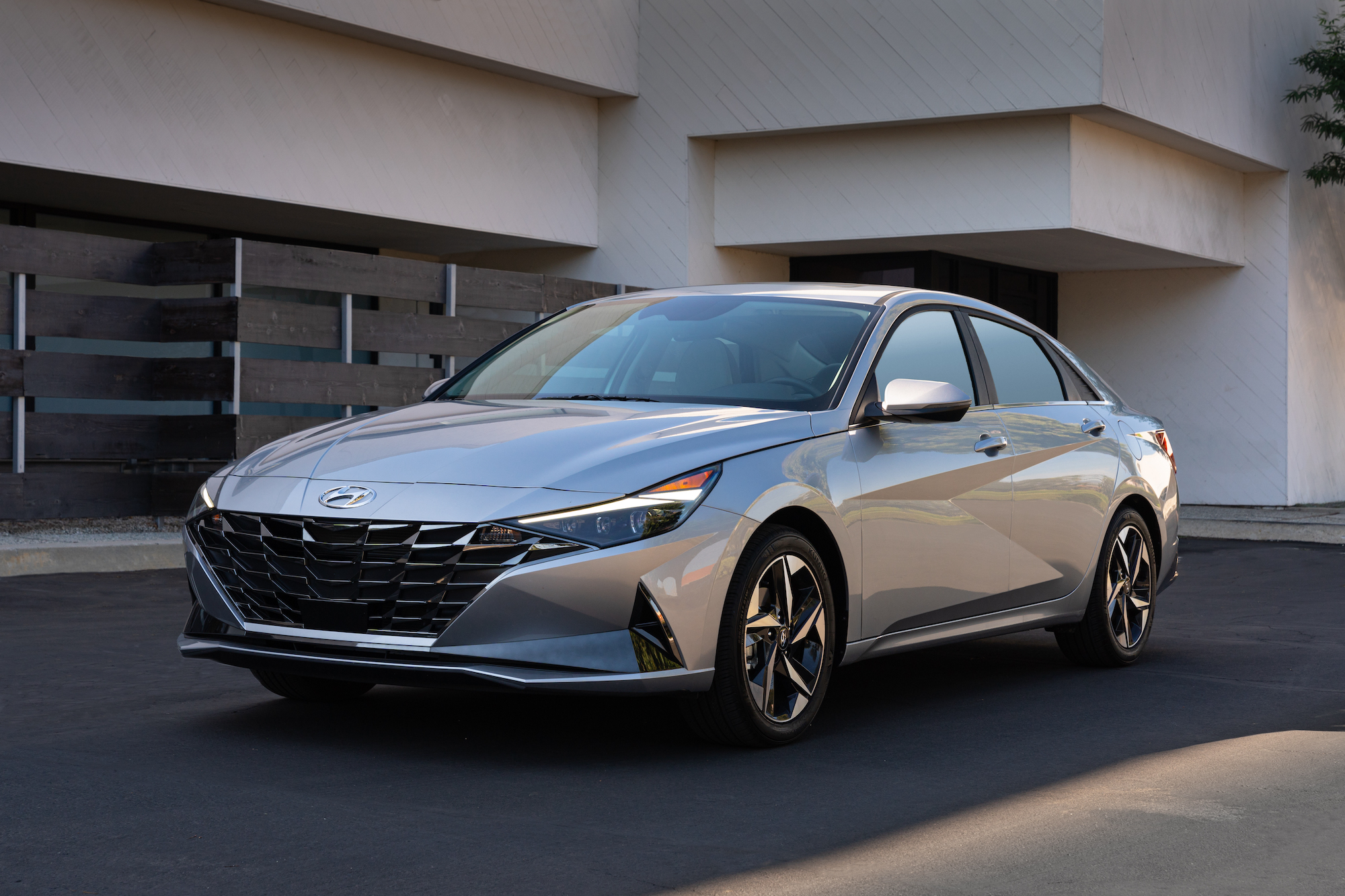
Navigating the market for affordable Hyundai Elantra options requires a strategic look at recent model years, trim level hierarchies, certified pre-owned programs, and key cost factors like fuel economy and maintenance to maximize long-term value.
Finding an affordable Hyundai Elantra requires balancing upfront purchase costs with long-term ownership expenses, fuel efficiency, and feature sets. As a fixture in the compact sedan segment, the Hyundai Elantra has long been celebrated for offering high-tech features, competitive fuel economy, and strong warranty support at a lower price point than many of its Japanese and American competitors. Whether you are shopping for a brand-new entry-level model or hunting for a reliable used sedan, understanding how different model years, trims, and ownership avenues affect pricing is essential for making a sound financial decision.
Understanding the Hyundai Elantra Value Proposition
The appeal of the Hyundai Elantra stems from its position as a value-oriented compact sedan. Over successive generations, Hyundai has consistently packed the Elantra with standard and optional technology that often requires stepping up to higher, more expensive trims in competing vehicles like the Toyota Corolla or Honda Civic.
When evaluating affordable Hyundai Elantra options, buyers generally look at three primary acquisition paths: brand-new base models, certified pre-owned (CPO) vehicles, and standard used cars from private parties or independent dealerships. Each path carries distinct financial implications, warranty coverages, and risk profiles. Brand-new base models offer the security of full factory warranties and modern safety technology, whereas used models absorb the steepest portion of automotive depreciation, often delivering significantly more features for a lower total cash outlay.
Key Trim Levels and Feature Hierarchies
To find the right balance between cost and comfort, buyers must understand the Elantra’s trim level structure. While specific features vary depending on the model year, Hyundai generally organizes the Elantra lineup into several core tiers.
Entry-Level Trims: SE and Essential
The base-level trims—historically labeled as the SE or Essential depending on the regional market—are designed for pure affordability.
- Focus: Stripped of non-essential luxuries to achieve the lowest possible sticker price.
- Features: Typically include basic cloth upholstery, a touchscreen infotainment system with smartphone integration (Apple CarPlay and Android Auto), and a robust suite of advanced driver-assistance systems (ADAS) such as forward collision-avoidance and lane-keep assist.
- Best For: Budget-conscious commuters, rideshare drivers, and fleet buyers prioritizing low acquisition costs and high fuel economy over premium amenities.
Mid-Tier Trims: SEL, Preferred, and Value Edition
Stepping up to the mid-tier trims represents the sweet spot for most value-seeking consumers.
- Focus: Balancing added comfort, convenience, and safety features without crossing into luxury pricing territory.
- Features: Often add alloy wheels, dual-zone automatic climate control, push-button start, blind-spot monitoring, and heated front seats.
- Best For: Daily drivers who want modern conveniences like heated seats or enhanced driver aids without paying for leather upholstery or turbocharged performance engines.
Sport, N-Line, and Limited Trims
While the performance-oriented variants (like the Elantra N-Line or older Sport trims) and the luxury-focused Limited trim command higher prices, they can still represent good value on the used market.
- Focus: Enhanced driving dynamics, sport-tuned suspensions, leather seating, Bose premium audio systems, and advanced digital gauge clusters.
- Best For: Buyers willing to trade absolute minimum purchase price for driving engagement or upscale cabin materials.
Comparing Acquisition Paths for an Affordable Elantra
Choosing how and where to buy your Elantra significantly impacts your total cost of ownership. The table below outlines the primary acquisition avenues for buyers seeking an affordable Hyundai Elantra.
| Acquisition Path | Upfront Cost | Warranty Coverage | Depreciation Risk | Maintenance Expectations |
|---|---|---|---|---|
| New Base Model (SE) | Moderate to High | Full 10-year/100,000-mile powertrain; 5-year/60,000-mile comprehensive | High initial rate (first 3 years) | Low (factory maintenance plans may apply) |
| Certified Pre-Owned (CPO) | Moderate | Balance of factory warranty plus extended CPO powertrain protection | Moderate (post-initial drop) | Low to Moderate (rigorous inspection completed) |
| Used Standard Market (3–6 Years Old) | Low to Moderate | Limited or expired factory warranty; optional third-party warranties | Low | Moderate (potential wear-and-tear item replacements) |
Evaluating Used and Certified Pre-Owned Options
For buyers aiming to maximize affordability, the pre-owned market is typically where the best financial deals are found. However, purchasing a used Hyundai Elantra requires careful attention to model years, known mechanical histories, and certification programs.
Certified Pre-Owned (CPO) Advantages
Hyundai’s CPO program offers a reassuring middle ground between buying brand new and taking a risk on a private sale. To qualify as a Hyundai CPO vehicle, the Elantra must meet strict age and mileage limits (typically under 5 years old and fewer than 60,000 miles) and pass a comprehensive multi-point inspection.
- Warranty Transfer: CPO buyers receive the remainder of the original 10-year/100,000-mile powertrain limited warranty from the original in-service date, along with roadside assistance and rental car reimbursement.
- Cost Factor: CPO vehicles generally command a small price premium over non-certified used models, but the peace of mind and warranty protection often outweigh the upfront cost difference.
Standard Used Market Considerations
When shopping for older Elantras in the private party or independent dealer market, thorough verification is necessary.
- Generation Focus: The sixth generation (2017–2020) and seventh generation (2021–present) offer modern safety structures, efficient powertrains, and contemporary infotainment layouts.
- Vehicle History Reports: Always pull a vehicle history report (such as CARFAX or AutoCheck) to verify title status, service records, and accident history.
- Pre-Purchase Inspection (PPI): Have an independent mechanic evaluate the vehicle before finalizing the purchase to catch hidden suspension, brake, or engine issues.
Operating Costs, Fuel Economy, and Insurance
Affordability extends far beyond the initial purchase price or monthly loan payment. True ownership costs encompass fuel consumption, routine maintenance, and insurance premiums.
Fuel Efficiency
The Hyundai Elantra has long been recognized for its exceptional fuel economy. Most modern non-hybrid variants achieve impressive highway and city mileage figures, making them economical daily drivers. For maximum fuel savings, buyers can also look for the Elantra Hybrid, though initial used or new purchase prices for hybrid variants are typically higher than standard gasoline models.
Maintenance and Reliability
Hyundai vehicles generally feature affordable replacement parts and straightforward mechanical layouts, keeping routine maintenance costs manageable. Oil changes, brake pad replacements, and tire rotations fall in line with industry averages for compact sedans. Adhering to the factory-recommended maintenance schedule is the single most effective way to prevent costly mechanical failures down the road.
Insurance Rates
Because the Elantra is classified as a compact sedan equipped with robust standard safety features, insurance premiums are typically lower than those for sports cars, large SUVs, or luxury vehicles. However, insurance rates vary widely based on driver age, location, driving history, and the specific trim level selected (with base models generally costing less to insure than high-performance N-Line trims).
Common Mistakes to Avoid When Buying an Elantra
Navigating the Elantra market successfully involves steering clear of several common pitfalls that can undermine your financial goals.
- Focusing Solely on the Monthly Payment: Stretching loan terms over 72 or 84 months to lower a monthly payment significantly increases the total interest paid and risks leaving the buyer "upside down" (owing more than the car is worth).
- Skipping the Inspection: Buying an older used Elantra without a professional inspection can lead to unexpected repair bills that erase any initial savings achieved on the purchase price.
- Overlooking Insurance Differences: Assuming insurance costs will be identical across all trims. High-performance or heavily optioned trims often carry higher insurance premiums.
- Ignoring Recall Histories: Failing to check whether previous owners completed mandatory safety or emissions recalls issued by the manufacturer.
Frequently Asked Questions
What is the most affordable Hyundai Elantra trim level?
The base-level SE (or Essential, depending on the model year and market) is consistently the lowest-priced trim in the lineup. It eliminates non-essential luxury items to provide a dependable, fuel-efficient commuter car at the lowest possible entry price.
Are older used Hyundai Elantras reliable?
Yes, most model years—particularly those from the sixth generation onward—offer strong reliability when properly maintained. Reviewing vehicle history reports and confirming that regular oil changes and service intervals were followed is crucial when buying older models.
Does Hyundai’s factory warranty transfer to a second owner?
When purchased as a Certified Pre-Owned (CPO) vehicle from an authorized dealer, the remaining balance of the 10-year/100,000-mile powertrain warranty transfers to the secondary owner. If purchased as a standard used car from a private party or non-certified dealer, the powertrain warranty typically reverts to a 5-year/60,000-mile limit from the original in-service date.
Is the Hyundai Elantra Hybrid worth the extra upfront cost?
The Elantra Hybrid delivers significantly higher fuel economy, particularly in city driving environments. Whether it is worth the higher purchase price depends entirely on your annual mileage; drivers with heavy daily commutes will recoup the upfront price difference through fuel savings much faster than low-mileage drivers.
What should I look for during a pre-purchase inspection on a used Elantra?
An independent mechanic should inspect the braking system, suspension components, fluid conditions, tire wear patterns, and the electronic infotainment and safety systems to ensure everything operates correctly and no hidden damage exists.
Final Recommendations for Buyers
Finding the right affordable Hyundai Elantra comes down to defining your budget, prioritizing your must-have features, and choosing the acquisition path that matches your risk tolerance. If you want maximum financial security and full warranty protection, a new base model or a Certified Pre-Owned vehicle represents an ideal choice. If minimizing upfront cash outlays is your primary goal, a thoroughly inspected, mid-tier used model from a reputable seller will deliver the best balance of modern technology, efficiency, and long-term value. Always verify vehicle history, secure pre-approval for financing when possible, and ensure the total cost of ownership aligns with your financial plan before signing any purchase agreement.