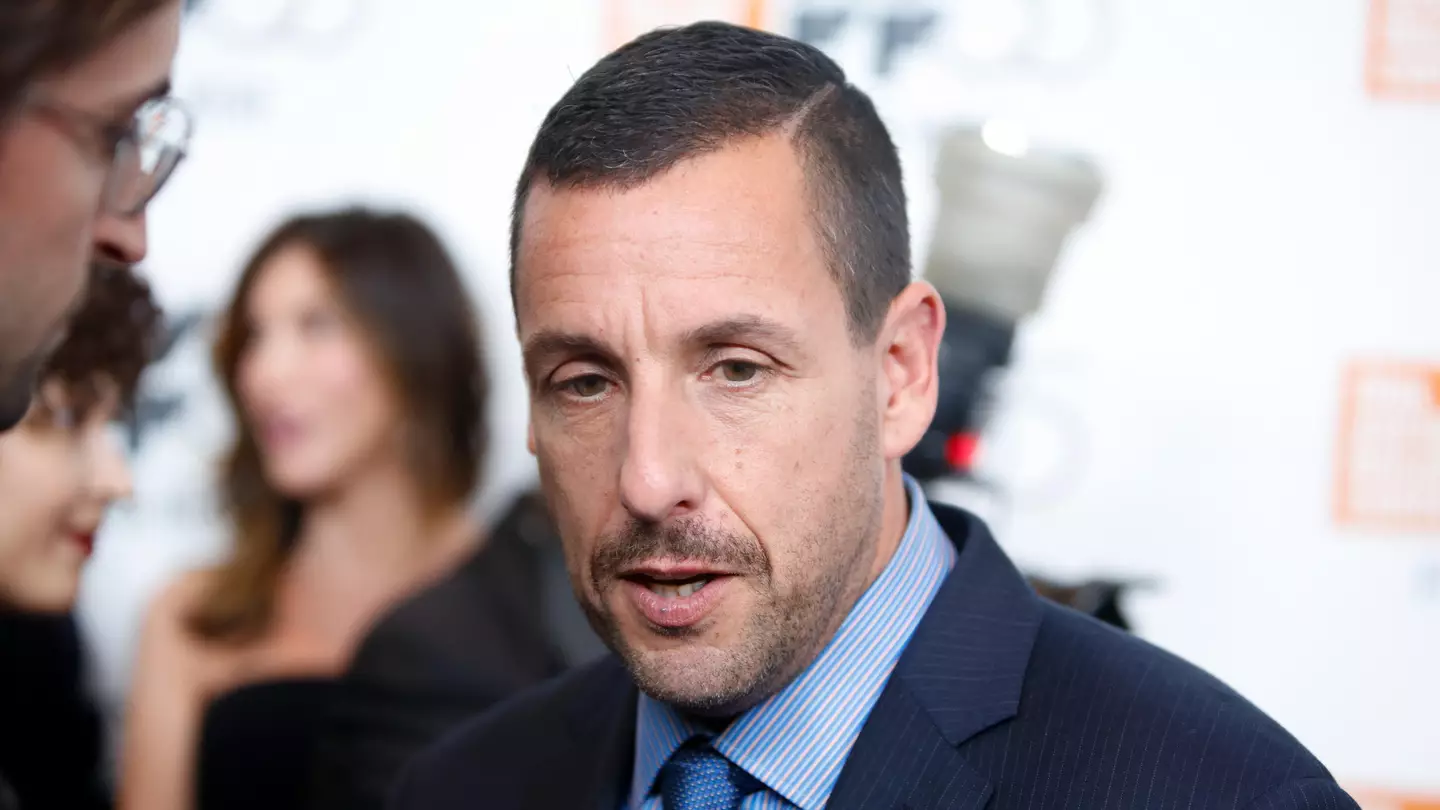
Adam Sandler and Taylor Lautner occupy distinct tiers of Hollywood success, with their respective net worths and current career paths reflecting long-term industry endurance versus early-career volatility and strategic resurgence. While Sandler maintains his position as one of the most bankable stars in motion picture history, Lautner continues to refine his professional trajectory following his massive cultural impact during the late 2000s and early 2010s.
The Financial Stature of Adam Sandler
Adam Sandler’s financial journey is a testament to the power of vertical integration in the entertainment industry. As of 2026, his estimated net worth is reported to be in the range of $450 million to $500 million. This wealth is not merely a product of acting fees but is derived from his foundational work as a writer, producer, and the strategic oversight of his production company, Happy Madison Productions.
Founded in 1999, Happy Madison provided Sandler with unprecedented autonomy. By producing his own projects, he secured a larger share of back-end profits, distribution rights, and merchandise royalties. This model shifted his financial profile from that of a "hired gun" actor to a media entrepreneur. His transition to streaming, most notably through a lucrative multi-film deal with Netflix, further solidified his financial independence. These agreements ensured consistent revenue streams regardless of critical reception, proving that his core demographic remains loyal and highly engaged across global markets.
Beyond his film work, Sandler’s stand-up comedy specials and his real estate portfolio contribute significantly to his total assets. He owns multiple high-value properties, including estates in Los Angeles and the Pacific Palisades, which function both as primary residences and as long-term investment vehicles.
The Professional Evolution of Taylor Lautner
Taylor Lautner’s financial and career status presents a different narrative. Rising to global superstardom through The Twilight Saga between 2008 and 2012, Lautner became one of the highest-paid teen actors in history. His net worth is currently estimated to be approximately $40 million.
The trajectory of his earnings saw a rapid ascent during the height of the Twilight phenomenon. Following the conclusion of the series, Lautner entered a period of professional reassessment. Unlike the studio-dominant era of his youth, his current career is characterized by more selective project choices, recurring roles in television series, and an increased focus on digital media and brand partnerships.
Lautner’s approach today reflects the reality of a modern actor navigating the post-blockbuster landscape. By leveraging his immense social media following and recognizable status, he has successfully diversified his income streams. This includes appearances in independent films, guest spots on major network television shows, and strategic endorsements. His ability to maintain a consistent public profile while transitioning away from the pressures of high-budget franchise acting demonstrates a measured approach to career sustainability.
Comparative Financial Metrics
Understanding the discrepancy in their net worths requires an appreciation for the different stages of their careers and the varying levels of control they exercise over their intellectual property.
| Metric | Adam Sandler | Taylor Lautner |
|---|---|---|
| Primary Wealth Source | Production company ownership, film deals | Franchise acting, brand endorsements |
| Industry Standing | Established mogul/producer | Recognized talent/performer |
| Estimated Net Worth | $450M – $500M | ~$40M |
| Key Business Strategy | Vertical integration (Happy Madison) | Diversification of media presence |
| Career Longevity | Over 35 years | Over 20 years |
The Impact of Production Control
The primary differentiator between these two figures is the ownership of the "means of production." Adam Sandler’s net worth is heavily buffered by his status as a producer. When a film is released under the Happy Madison banner, Sandler captures a percentage of the revenue that traditional actors never see. This creates a compounding effect where even smaller, lower-budget projects contribute to his long-term financial stability.
Conversely, Taylor Lautner’s early success was largely tied to his participation in a massive studio franchise. While he commanded significant salaries during the Twilight era, his wealth accumulation became more dependent on his market value as a performer rather than a creator. In the current 2026 landscape, Lautner’s focus on long-term sustainability suggests a shift toward roles that offer better creative control or equity, rather than solely chasing high-fee, short-term contracts.
Economic Realities of Modern Hollywood
The landscape for actors in 2026 is vastly different from the era when both stars first achieved prominence. The rise of content aggregation platforms and the shifting nature of theatrical releases have forced performers to reconsider how they build wealth.
For established figures like Sandler, the strategy is "volume and consistency." By delivering content that aligns with existing audience expectations, he creates a recurring revenue cycle with streaming giants. For actors like Lautner, the path forward relies on "niche engagement." This involves cultivating specific fanbases, participating in social media campaigns, and accepting roles that maximize visibility while minimizing the risk of career burnout.
Frequently Asked Questions
1. How does Adam Sandler maintain his high net worth? Adam Sandler’s wealth is maintained through a combination of his production company, Happy Madison, and long-term, high-value contracts with streaming platforms like Netflix. By owning the rights to his films and acting as a primary producer, he avoids the common pitfall of relying solely on an acting salary, ensuring he earns from the distribution and backend of his creative content.
2. Why is Taylor Lautner’s net worth lower than Sandler’s? The difference in net worth is primarily a matter of career stage and role. Sandler has had over three decades of building a production empire, whereas Lautner’s career was defined by a specific, high-intensity franchise period. Lautner’s current wealth is consistent with a successful actor who has transitioned into a steady phase of working in television and independent film, whereas Sandler operates as a major industry stakeholder.
3. Is Taylor Lautner currently active in the film industry? Yes, as of 2026, Taylor Lautner remains active. He balances film projects with television appearances and digital brand building. His approach is less about high-budget global blockbusters and more about consistent, strategic roles that fit his current lifestyle and professional goals.
4. Does Adam Sandler still act in other directors' films? Yes. While Sandler produces most of his work through Happy Madison, he frequently collaborates with prestigious directors outside of his own company. These roles are often critically acclaimed and help maintain his status as a versatile actor, effectively balancing his commercial "Netflix" output with prestige projects.
5. How do streaming platforms influence the wealth of actors like these? Streaming platforms provide a reliable, high-volume revenue stream for established stars. For an actor/producer like Sandler, these deals guarantee budget support and a built-in audience, which mitigates the financial risks associated with traditional theatrical box office performance.
Practical Implications for Career Longevity
The career paths of Sandler and Lautner offer lessons for those observing the mechanics of fame and finance. For Sandler, the lesson is clear: ownership is the ultimate hedge against market volatility. By becoming the boss of his own creative output, he removed the uncertainty of being "castable."
For Lautner, the current stage of his career highlights the importance of adaptability. Successfully transitioning from a teen idol to a steady, working actor is a challenge that many in his position fail to achieve. By pivoting to diverse roles and maintaining a public presence through modern media channels, he has secured his place in the industry well into the mid-2020s.
Ultimately, both figures exemplify different strategies for success. Sandler has achieved a level of financial independence that allows him to dictate his own terms, while Lautner is currently navigating the professional maturity that comes with evolving beyond one’s defining early-career role. For those looking to follow in these footsteps, the move from performer to producer remains the most effective way to secure long-term financial and professional independence.