Accessing high-quality Adam Sandler images requires balancing search engine optimization, copyright awareness, and an understanding of the specific context—whether for journalistic use, editorial features, or personal creative projects. By utilizing professional stock libraries, public domain repositories, and official press portals, users can effectively source images while adhering to intellectual property standards and licensing requirements.
Understanding the Landscape of Celebrity Imagery
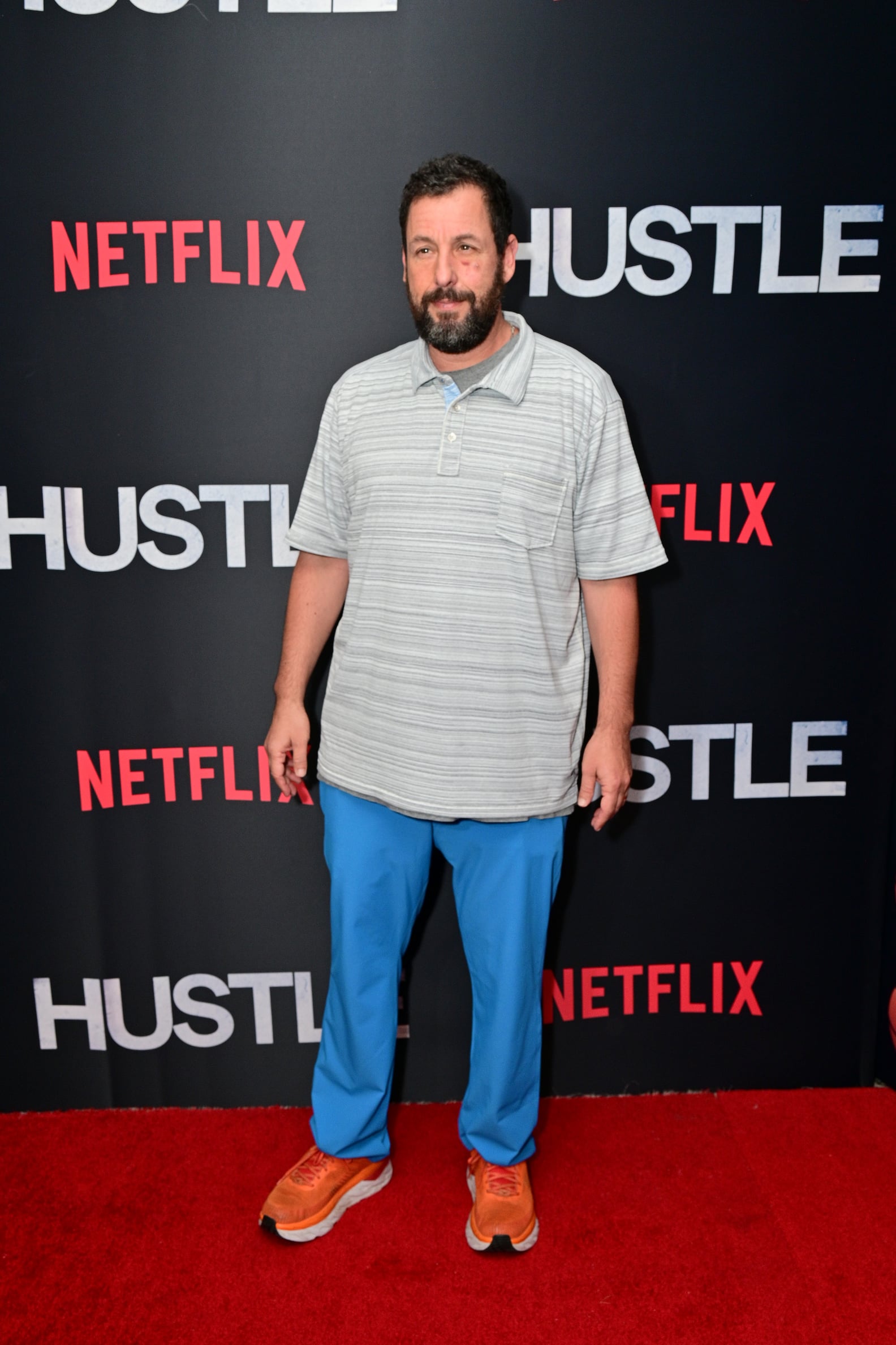
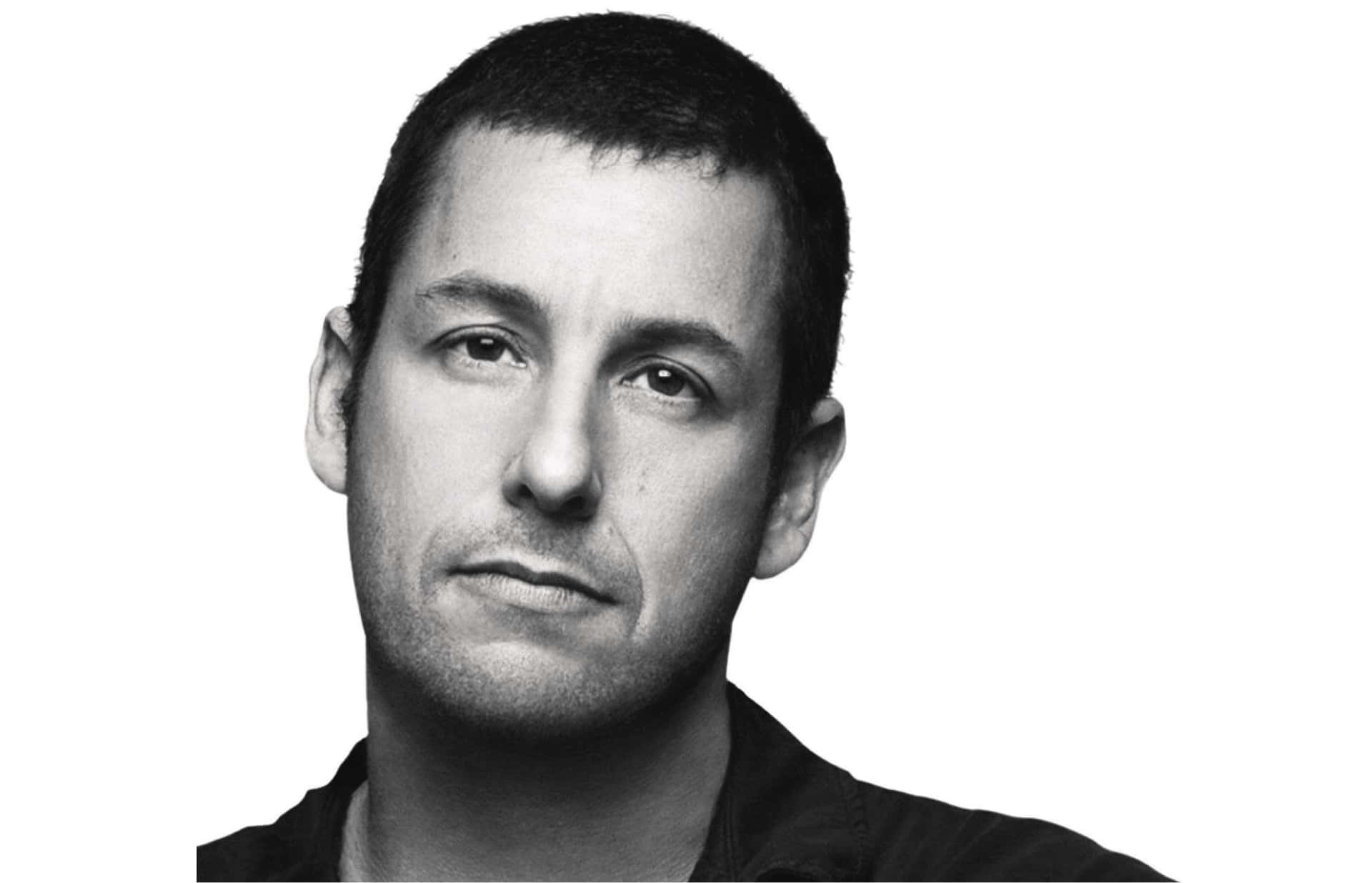
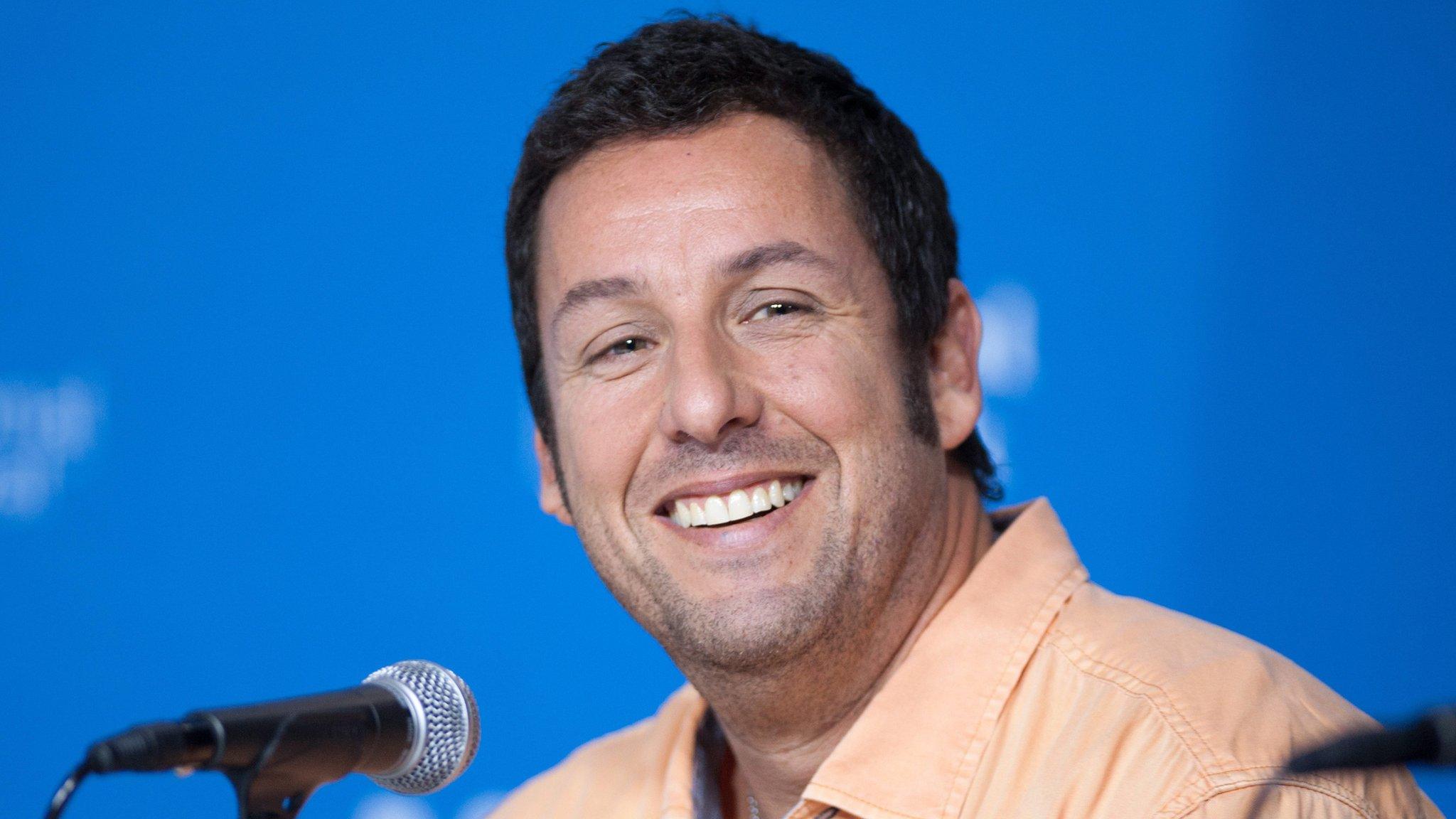
Adam Sandler, a prolific actor, producer, and comedian, is one of the most photographed figures in modern cinema. Because his career spans over three decades, the visual archive of his life is vast, encompassing early Saturday Night Live sketches to his current work with major streaming platforms like Netflix.
When searching for images, it is critical to distinguish between the various types of photography available. Most images of celebrities are subject to strict copyright protections held by individual photographers, photo agencies, or the studios that produce the films. Understanding these distinctions ensures that you are using assets in a way that is legally and professionally permissible.
Identifying Reliable Sources for Professional Assets
To obtain high-resolution, professionally captured images, you must look toward established media partners. Attempting to use images from social media or personal blogs often leads to copyright infringement.
1. Editorial Stock Agencies
Editorial stock agencies are the primary source for professional photography. Unlike commercial stock photography, which is designed for advertising, editorial photos are intended for use in newspapers, magazines, and digital news outlets.
- Getty Images: Holds a massive library of red-carpet, film-set, and event photography featuring Sandler. These images are licensed specifically for editorial use.
- Alamy: Offers a diverse range of historical and contemporary images, often sourced from smaller, specialized agencies or independent photojournalists.
- Shutterstock (Editorial): Provides a broad catalog of event-based photography, allowing users to filter by "Editorial Only" to ensure compliance.
2. Studio Press Kits
If you are writing an article about a specific film, such as a project produced by Happy Madison Productions, the most accurate source for images is the official press site for the distributor. When a movie is released, the studio creates a digital press kit (EPK) containing high-resolution stills, behind-the-scenes shots, and promotional posters. These are intended for journalists and critics to use in their coverage.
3. Public Domain and Creative Commons
While rare for high-profile celebrities, some images exist under Creative Commons licenses or in the public domain. This typically applies to photographs taken by government employees in the line of duty (such as events at the White House) or images where the copyright has expired or been waived by the creator. Websites like Wikimedia Commons can be used, but always verify the specific license attached to each file before usage.
Technical Considerations: Licensing and Permissions
Licensing is the most common area of confusion for those searching for Adam Sandler images. It is vital to understand the difference between the two main categories of licensing:
| License Type | Definition | Typical Use |
|---|---|---|
| Editorial License | Limited to news, educational, or illustrative purposes. | Articles, documentaries, news blogs, biographies. |
| Commercial License | Grants permission to use the image for profit or advertising. | Product branding, television commercials, physical ads. |
Important: You generally cannot obtain a commercial license for an image of a celebrity like Adam Sandler without explicit, separate approval from the subject’s publicity team. Even if you purchase an image from a stock site, that license only covers the copyright of the photograph, not the right of publicity of the individual portrayed. For editorial purposes, however, most agencies provide a standardized license that covers the usage of the image in news-related content.
Evaluating Image Quality and File Formats
When selecting images for a professional project, technical specifications are just as important as the subject matter.
Resolution and DPI
For digital publications, a resolution of 72 DPI (dots per inch) is often sufficient, but you should prioritize the pixel dimensions. A standard image for a web article header should generally be at least 1,200 pixels wide to ensure it appears crisp on high-definition displays. If the image is intended for print media, you must source high-resolution files, typically 300 DPI, to avoid pixelation during the printing process.
File Formats
- JPEG (JPG): The industry standard for photographs. It offers a good balance between compression and quality. Ensure that the JPEG is not overly compressed, as this creates "artifacts" or blurriness around the subject.
- PNG: Generally unnecessary for standard photographs unless the image requires transparency, which is rare for celebrity photography.
- WebP: An increasingly common format that provides superior compression for web use, helping pages load faster without sacrificing visual clarity.
Common Mistakes to Avoid
The most frequent error in sourcing celebrity imagery is the assumption that because a photo is on the internet, it is "free." This is legally incorrect.
- Copyright Infringement: Do not scrape images from Google Images or social media and repost them without a license. Even if you provide credit, you may still be liable for damages.
- Improper Alteration: When using editorial imagery, check the license terms regarding cropping or editing. Excessive editing that changes the context of the photo or frames the subject in a defamatory way can lead to legal issues.
- Ignoring Expiration Dates: Some editorial licenses for stock images have time limits. Always check the duration of your license to ensure your publication does not inadvertently host an image after the agreement has expired.
How to Effectively Manage Your Assets
If you are managing a large project, such as a retrospective or a deep-dive biography, you need a system for asset management. Create a spreadsheet that tracks each image you use, including:
- The source URL or provider.
- The licensing type (Editorial/Commercial).
- The expiration date of the license.
- The specific caption or credit line required by the photographer or agency.
By keeping these records, you protect yourself against future audits and ensure that you remain compliant with intellectual property laws.
Frequently Asked Questions
Are photos of Adam Sandler on social media free to use? No. Content posted on social media remains the intellectual property of the person who took the photo or the platform user who owns the rights. Sharing or embedding posts is generally safer than downloading and re-uploading, but using them for commercial or editorial content requires explicit permission.
Can I use images of Adam Sandler to promote my business? Generally, no. Using a celebrity's likeness for commercial gain (such as an advertisement or a branded product) requires a specific "Right of Publicity" agreement, which is a private legal contract separate from the copyright of the photo itself.
What is the difference between an editorial image and a promotional still? An editorial image is a candid or event-based shot captured by a photojournalist. A promotional still is a carefully staged photograph released by a studio to promote a specific movie. While both can be used for editorial purposes, promotional stills are often provided directly by film studios for free to legitimate media outlets.
Where can I find free, legal images for a student project? For academic or non-profit student projects, you may be able to use images under "Fair Use" doctrines depending on your jurisdiction. However, it is safer to search specifically for "Creative Commons" or "Public Domain" images on platforms like Flickr or Wikimedia Commons, which explicitly allow for free use with proper attribution.
How do I credit an image properly? Standard credit follows the format: "Photo by [Photographer Name] / [Agency Name]." Always refer to the specific metadata provided by the image library to ensure you are using the exact credit line requested by the copyright holder.
Next Actions
To successfully source your required imagery, start by defining your scope. If you are writing a news piece, visit the press portal of the distributor for the film in question. If you require a high-quality portrait for an editorial feature, search the editorial sections of Getty Images or Alamy. Ensure you create a licensing log to track your permissions and maintain compliance. For any high-stakes project or commercial endeavor, consult with a legal professional specializing in intellectual property to verify that your usage rights are secure and that you are not infringing on the subject's right of publicity.