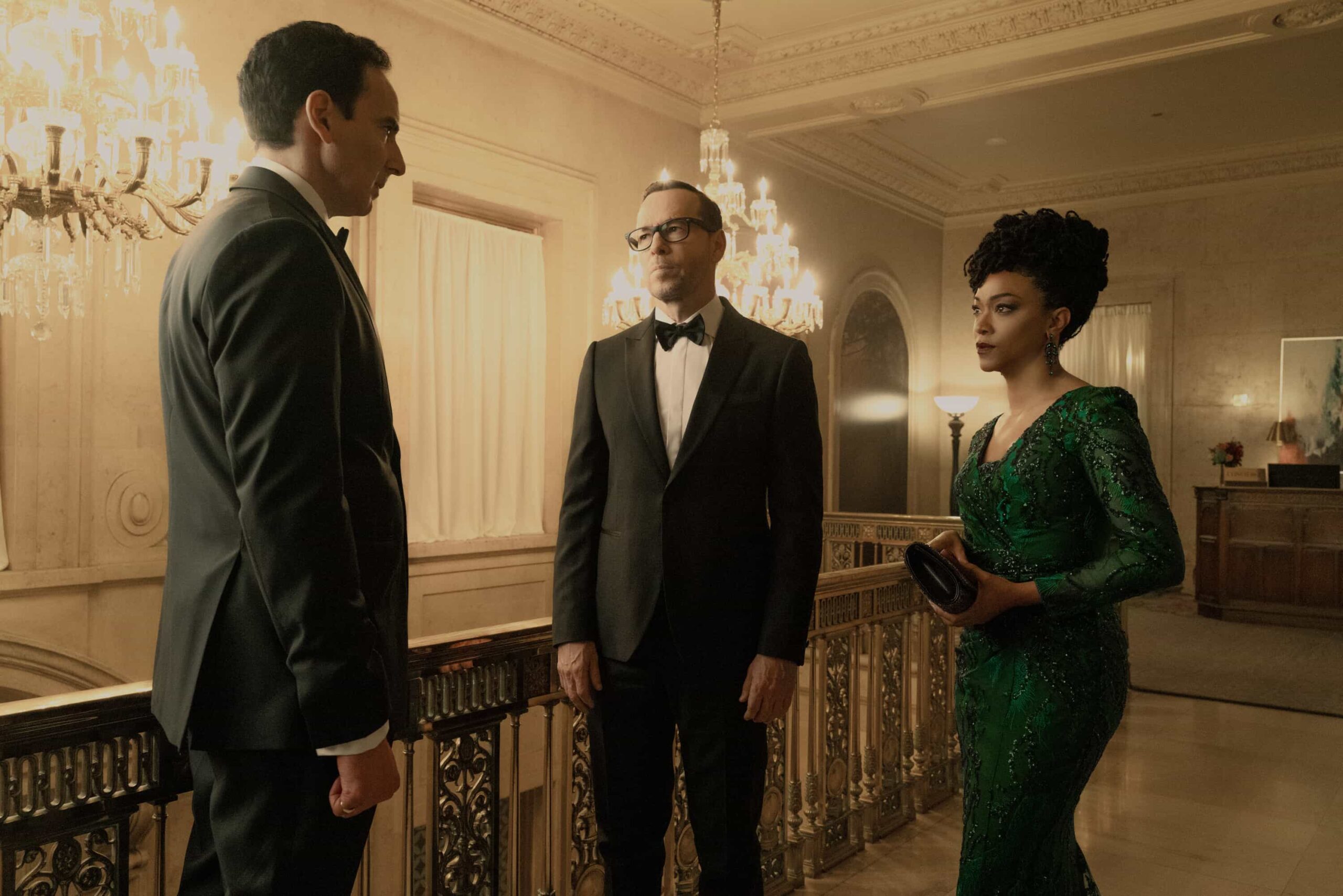
The phrase "actors in boston blue" typically references the vibrant community of professional performers, theatrical institutions, and specialized media productions linked to Boston, Massachusetts, often intersecting with blue-collar narratives, police dramas, or distinct regional aesthetics. Navigating this niche requires understanding the local talent pools, union regulations, training grounds, and the unique casting dynamics that define the Hub's entertainment landscape.
The Landscape of Performance and Casting in Boston
Boston boasts a rich, century-old theatrical and cinematic heritage. While Hollywood and New York often dominate mainstream entertainment discourse, the regional ecosystem of actors working out of Massachusetts maintains a distinct identity. Performers in this market frequently balance stage work in historic venues like the Huntington Theatre Company or the American Repertory Theater with film, television, and commercial casting calls.
The regional market is heavily shaped by local production hubs. Major motion pictures, streaming series, and network television shows frequently film on location in Greater Boston, drawn by state tax incentives and diverse architectural backdrops. Consequently, local actors provide both the principal supporting roles and the authentic background atmosphere that grounds these stories in a genuine New England reality.
Union Representation and Industry Standards
For professional actors in Boston, navigating the industry requires a firm understanding of labor organizations, primarily SAG-AFTRA (Screen Actors Guild-American Federation of Television and Radio Artists) and Actors' Equity Association (AEA).
- SAG-AFTRA New England Local: Represents film, television, and radio performers throughout the region. It ensures minimum pay scales, health and retirement benefits, and safe working conditions on union sets.
- Actors' Equity Association (AEA): Governs actors and stage managers working in live theatrical productions. Boston features numerous Equity-affiliated theaters, ranging from large regional houses to smaller mid-tier professional spaces.
The Impact of Right-to-Work and Taft-Hartley
Massachusetts operates under specific labor laws that affect how non-union talent transitions into professional guilds. Under the Taft-Hartley Act, performers can land union gigs without prior membership, initiating a process to "join the union" upon securing subsequent union employment. This dynamic creates a fluid boundary where local non-union talent frequently auditions alongside established union veterans for regional casting calls.
Training Grounds and Educational Institutions
The exceptional caliber of actors found in the Boston market is largely sustained by world-class educational institutions and conservatories. The city and its surrounding areas serve as a national epicenter for formal actor training.
Institutions such as the Boston University School of Theatre, Emerson College, the Boston Conservatory at Berklee, and Harvard University's American Repertory Theater (in conjunction with MXAT) cultivate rigorous technical discipline. Actors emerging from these programs are well-versed in classical text analysis, voice and speech mechanics (including the diverse spectrum of New England accents), and contemporary movement techniques. This foundational training ensures that local casting directors have access to versatile talent capable of seamlessly transitioning from Shakespearean verse to gritty, modern television dramas.
Thematic and Aesthetic Tropes: The "Boston Blue" Dynamic
When media productions focus on Boston, they frequently lean into specific cultural archetypes. The color blue in this context often evokes the working-class ethos, maritime history, and law enforcement narratives that dominate Boston-centric cinema.
- The Procedural and Crime Genre: Boston has long served as fertile ground for crime fiction, police procedurals, and gritty dramas. Actors in these roles must master authentic local vernacular without slipping into caricature.
- Labor and Community Portrayals: Stories focusing on blue-collar neighborhoods, dockworkers, and municipal workers require performers to convey a specific grit and community loyalty characteristic of South Boston, Charlestown, or working-class suburbs.
Comparison of Performance Sectors in Boston
| Sector | Primary Governing Body | Typical Venue/Platform | Key Requirements |
|---|---|---|---|
| Commercial & Industrial | SAG-AFTRA / Non-Union | Advertising agencies, corporate media | Quick memorization, strong cold-reading skills, versatile "everyday" look |
| Film & Television | SAG-AFTRA | Studio features, streaming series, local indies | On-camera technique, adaptability to fast-paced sets, reel availability |
| Live Theatre | Actors' Equity Association | Regional houses, fringe festivals, repertory companies | Vocal projection, stamina, classical/contemporary text interpretation |
| Voiceover | SAG-AFTRA / Independent | Dedicated local studios, remote home setups | Exceptional diction, microphone technique, character range |
Frequently Asked Questions
How do casting directors find actors in Boston?
Casting directors typically utilize established online casting platforms such as Casting Networks, Actors Access, and Breakdown Services for professional union projects. For local independent films, student projects, and commercials, regional casting directors also post open calls on specialized social media groups, local trade sites, and university boards.
Do actors in Boston need to have a local accent?
While mastering a generalized Boston accent can be an asset for specific regional crime dramas or comedies, professional actors are generally expected to possess a neutral American accent ("General American"). Being able to turn a regional dialect on or off is considered a valuable specialized skill rather than a universal requirement.
Is it possible to build a full-time acting career based solely in Boston?
Many professional performers maintain successful, sustainable careers living in Greater Boston by combining local commercial work, industrial video production, voiceover recording, and regional theatre contracts. However, some actors choose to split their time between Boston and New York City to maximize their audition opportunities for major television and film projects.
What is the best way for aspiring actors to start in the Boston market?
Beginners typically start by taking foundational acting classes at reputable local studios, building a professional headshot and resume, and participating in student films and independent shorts to build initial footage for a demo reel. Joining local theatre workshops is also an effective way to network with other working creatives.
Practical Next Steps for Navigating the Local Market
For those looking to engage with the Boston acting community—whether as a casting professional, researcher, or aspiring performer—the key lies in active participation within local industry networks. Attend showcase performances at regional universities, monitor local film office bulletins for active production updates, and engage with regional chapters of national artists' organizations. By understanding the rigorous training standards, union frameworks, and cultural contexts that shape performers in the Hub, stakeholders can better appreciate the depth and resilience of the Boston talent pool.