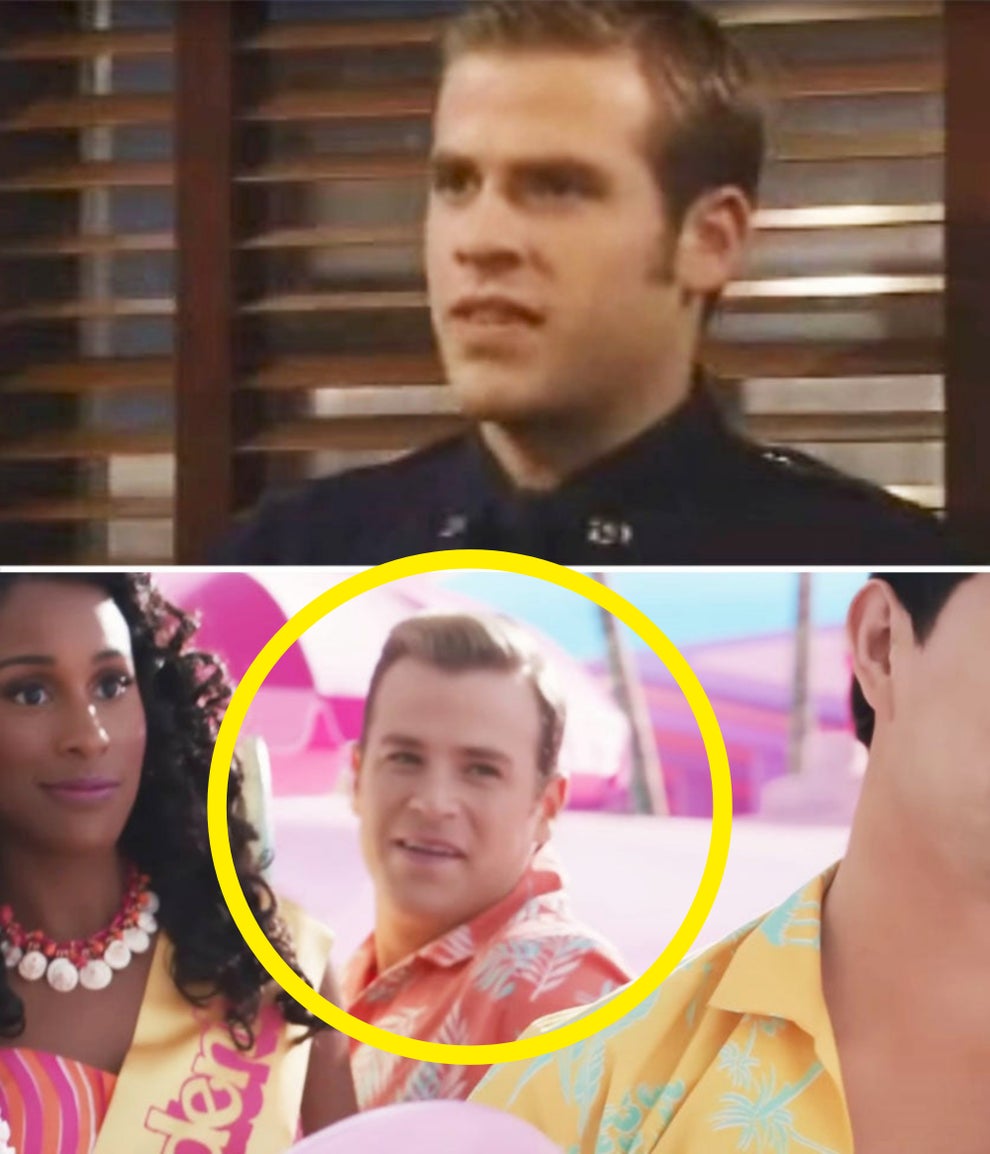
Greta Gerwig’s 2023 film Barbie relies on a meticulously curated ensemble cast and stylized performances to bridge high-concept satirical commentary with physical comedy, emotional vulnerability, and extensive world-building. Examining the casting choices and performance techniques reveals how the actors balance campy aesthetics with grounded character motivations to achieve the film's unique cultural resonance.
The Casting Strategy: Balancing Star Power and Archetypal Energy
The casting process for Barbie required an ensemble that could simultaneously inhabit recognizable plastic toys and complex psychological beings. Casting director Lucy Bevan faced the unique challenge of populating a fictional matriarchal society, Barbieland, alongside the real-world corporate hierarchy of Mattel and ordinary human characters.
Rather than selecting actors purely on box-office draw, the production prioritized performers who could execute heightened, theatrical physical comedy while maintaining emotional authenticity. This dual requirement shaped every tier of the casting manifest, from the central protagonists to the vast ensemble of variants.
Margot Robbie as Stereotypical Barbie: The Anchor of Empathy
Margot Robbie served as both producer and lead actor, anchoring the film’s tonal shifts. Stereotypical Barbie needed to embody physical perfection while transitioning from a carefree, naive plastic existence to an existential crisis. Robbie's performance relies heavily on physical precision—maintaining rigid, doll-like postures and unblinking stares early in the film—before gradually introducing organic movement and emotional depth as her character experiences doubt, mortality, and self-realization.
This transformation required a delicate touch. If the performance leaned too heavily into parody, the emotional stakes of the third act would dissolve; if it played too human from the start, the satire of the opening scenes would fail. Robbie balanced these elements by grounding Barbie's existential dread in universal themes of identity and autonomy.
Ryan Gosling as "Beach" Ken: Weaponized Earnestness
Ryan Gosling’s casting as Ken was pivotal to the film's comedic and thematic success. Gosling brought a total commitment to the absurdity of a character whose entire validation depends on being perceived by Barbie.
The performance style of Ken sits at the intersection of musical theater, melodrama, and deadpan satire. Gosling utilized aggressive, hyper-masculine tropes—inspired by cinematic touchstones from Grease to Saturday Night Fever—and filtered them through the utter helplessness of a supporting toy. His delivery of lines like "I only exist within the warmth of your gaze" highlights the satirical critique of co-dependency, while his physical comedy during the musical numbers requires precise choreography and comedic timing.
Supporting Cast and Variant Ensemble Dynamics
Barbieland is populated by multiple iterations of Barbies and Kens, each reflecting different professions, historical eras, or cultural touchstones. The ensemble cast was structured to create a bustling, heterogeneous society that mimics the diverse product lines of the actual toy brand while serving specific narrative functions.
The Spectrum of Barbies
- President Barbie (Issa Rae): Establishes the political hierarchy of Barbieland with authority and dry wit.
- Physicist Barbie (Emma Mackey): Provides intellectual credibility to the society, often delivering deadpan exposition amidst chaotic environments.
- Doctor Barbie (Hari Nef): Maintains the professional facade of Barbieland with unwavering confidence.
- Diplomat Barbie (Nicola Coughlan): Navigates the social intricacies of the Barbie world with polite detachment.
The Spectrum of Kens and Misfit Toys
- The Rival Kens (Simu Liu, Kingsley Ben-Adir, Ncuti Gatwa): Simu Liu’s "Tourist Ken" or "Dance-Off Ken" serves as the primary foil to Gosling’s Ken, driving the narrative pivot when Ken introduces patriarchy to Barbieland. The ensemble of Kens worked extensively with choreographer Jennifer White to ensure their synchronized dances and machismo-fueled posturing looked simultaneously coordinated and ridiculous.
- Allan (Michael Cera): As the lone discontinued friend, Cera's performance as Allan provides a quiet, bewildered contrast to the high-energy conflict between Barbie and the Kens. Cera utilized understated, deadpan reactions to highlight the absurdity of being the only person trapped outside the dominant social paradigms.
Performance Techniques: Bridging Physical Comedy and Naturalism
The acting style in Barbie draws heavily from classical theatrical traditions, silent film physical comedy, and modern satire. Directors and actors collaborated to establish rules for how toys move, speak, and process emotion within a live-action cinematic space.
| Performance Element | Application in Barbieland | Application in the Real World |
|---|---|---|
| Movement & Posture | Rigid joints, intentional lack of blinking, fixed foot arches (high-heel effect). | Naturalistic, fluid, grounded body language. |
| Vocal Delivery | Bright, enthusiastic, heightened projection, rhythmic cadence. | Conversational, understated, emotionally varied. |
| Emotional Arc | Ignorance giving way to existential awakening and self-determination. | Cynicism giving way to renewed imagination and connection. |
Physicality and Choreography
The actors playing dolls deliberately limited their natural micro-expressions during early scenes to simulate molded plastic features. The transition from walking on rigid toes (mimicking permanent high heels) to flat feet served as a primary physical metaphor for Barbie’s grounding in reality. This required rigorous physical preparation and coordination with costume and prop departments to ensure the artificial constraints looked effortless on screen.
Musical Numbers as Character Development
Performances during large-scale musical sequences, such as "I'm Just Ken," function as narrative exposition rather than mere spectacle. The actors had to convey deep emotional insecurity through synchronized dance routines and soaring pop-rock vocals. Gosling and the supporting Kens rehearsed for weeks to master the tongue-in-cheek intensity required to make the musical numbers land both as comedy and as genuine emotional outbursts.
Human Characters and Counterpoint Performances
To anchor the fantastical elements of Barbieland, the human characters in the real world—specifically Gloria (America Ferrera) and Sasha (Ariana Greenblatt)—required a grounded, naturalistic performance style.
America Ferrera as Gloria
Ferrera’s performance as a stressed Mattel employee and mother provides the emotional anchor for the film's second half. Her delivery of the film's pivotal monologue regarding the contradictory expectations placed on women required absolute sincerity. By contrasting Ferrera's earnestness with the artificiality of Barbieland, the film successfully bridges the gap between toy satire and real-world social commentary.
The Mattel Executive Board
Led by Will Ferrell, the Mattel executives represent corporate bureaucracy and paternalistic oversight. Ferrell’s performance utilizes high-energy, frenetic improvisational comedy, treating the protection of a plastic doll as a matter of global security. This heightened corporate satire serves as a direct mirror to the hyper-masculine insecurity displayed by the Kens later in the film.
Frequently Asked Questions
How did the actors prepare to play toys in a live-action film?
The actors studied classic physical comedy, silent films, and animation to understand how to portray rigid, manufactured bodies. They worked closely with movement coaches and choreographers to establish consistent rules for how toys interact with objects, walk, and express emotions without relying on standard human mannerisms.
Why is Ryan Gosling’s performance as Ken considered a standout?
Gosling’s performance is widely praised because he commits entirely to the character’s emotional sincerity despite the extreme absurdity of the premise. He balances sharp physical comedy, musical theater performance, and satirical commentary without breaking character or winking at the audience.
What was the significance of America Ferrera’s character in the casting balance?
Ferrera provided a necessary human anchor for the audience. While the Barbie characters operated on heightened satirical logic, Ferrera’s portrayal of a working mother brought genuine emotional stakes to the narrative, particularly during her monologue on the pressures of modern womanhood.
How did Greta Gerwig direct the ensemble to maintain a cohesive tone?
Gerwig encouraged actors to draw inspiration from mid-century Technicolor musicals, such as The Wizard of Oz and Singin' in the Rain, while maintaining modern comedic timing. This hybrid approach allowed the diverse cast of Barbies, Kens, and humans to exist within a unified aesthetic universe.
Conclusion and Next Actions
Analyzing the casting and performances in Barbie demonstrates that the film's cultural impact stems from intentional, highly coordinated artistic choices rather than mere spectacle. For filmmakers, actors, and casting directors, studying this ensemble highlights the importance of matching heightened conceptual premises with grounded emotional delivery. To explore further, examine the behind-the-scenes choreography featurettes or read Greta Gerwig’s screenplay annotations regarding character blocking and tonal shifts.