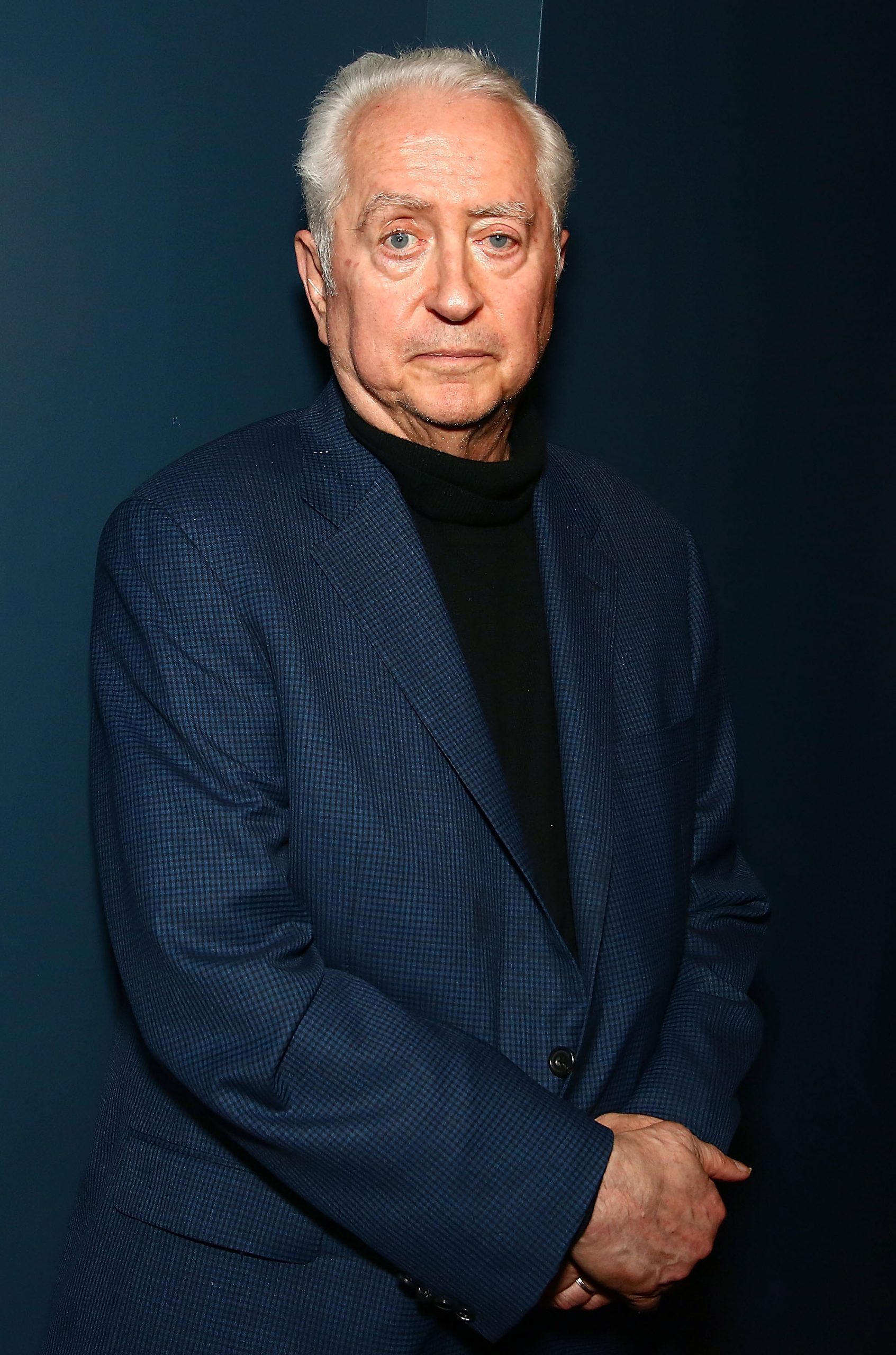
Robert Downey Sr. was a seminal figure in American independent cinema, best known as a daring director, screenwriter, and actor who challenged the conventions of Hollywood through satire and surrealism. Primarily recognized for his 1969 masterpiece Putney Swope, he was a cornerstone of the 1960s underground film movement. Beyond his technical contributions to film, he was the father of actor Robert Downey Jr., and his unconventional approach to life and art profoundly influenced the modern entertainment landscape.
The Origins of a Counterculture Icon
Born Robert Elias Jr. in New York City in 1936, the man who would become Robert Downey Sr. was a rebel from the start. He famously changed his surname to "Downey"—his stepfather’s name—in order to enlist in the U.S. Army while still underage. This early brush with authority and the rigid structures of military life likely fueled the anti-establishment sentiment that permeated his later creative output.
Upon returning from service, Downey immersed himself in the vibrant, gritty atmosphere of New York’s Greenwich Village in the 1960s. This was an era of profound cultural shifting, where the "New American Cinema" was beginning to take root. Downey did not seek a seat at the table of major studios; instead, he embraced the "guerrilla" style of filmmaking. Working with shoestring budgets, 16mm film, and a rotating cast of friends and non-professional actors, he began creating works that were as much social experiments as they were narratives.
His early shorts and features, such as Ball's Bluff (1961) and Babo 73 (1964), established his signature style: a chaotic blend of political absurdity, non-linear storytelling, and a refusal to adhere to traditional "good taste." These films were not meant for mass consumption but for the intellectual and artistic elite who frequented the midnight movie circuit.
Putney Swope: A Landmark in Satire
In 1969, Downey released the film that would define his career and secure his place in the National Film Registry: Putney Swope. The film is a biting, surrealist satire of the advertising industry and race relations in America. The plot follows a Black man who is accidentally elected chairman of a high-powered New York advertising agency after the previous head dies mid-meeting.
Swope renames the agency "Truth and Soul, Inc." and replaces the predominantly white staff with Black militants and activists, vowing to no longer accept accounts for alcohol, tobacco, or war toys. The film was revolutionary not just for its content, but for its execution. Downey used a combination of black-and-white cinematography for the main narrative and vibrant color for the "commercials" created by the agency, creating a jarring, hypnotic visual experience.
As of 2026, Putney Swope remains a critical case study in film schools for its deconstruction of corporate power and the performative nature of radicalism. It was a commercial success in the underground scene, proving that there was a hungry audience for cinema that dared to be uncomfortable and overtly political.
The Aesthetic and Technical Depth of Downey’s Work
Robert Downey Sr.’s directorial style was characterized by a "no-rules" philosophy. While mainstream cinema of the 1970s was moving toward the "New Hollywood" realism of Coppola and Scorsese, Downey remained committed to the absurd.
Narrative Deconstruction
Downey’s films often lacked a traditional protagonist arc. Instead, they were "vignette-heavy," relying on the cumulative effect of strange, often disconnected scenes. In Chafed Elbows (1966), he utilized a series of still photographs and frantic editing to tell a story of a man navigating a surrealist New York. This technique allowed him to bypass the costs of traditional sync-sound filming while creating a unique, jittery energy that felt distinctly modern.
The "Acid Western" and Greaser's Palace
In 1972, Downey released Greaser's Palace, a film often categorized as an "acid western." It is a reimagining of the life of Christ set in the American West, featuring a protagonist named Jesse who parachutes into a frontier town. The film is a masterclass in religious parody and remains one of the most visually striking independent films of the decade. Its blend of high-concept allegory and low-brow humor (including a famous soft-shoe dance sequence) exemplified Downey’s refusal to be categorized.
Improvisation and Sound
Downey was a pioneer in using improvised dialogue to capture authentic, albeit bizarre, human interactions. He often dubbed the voices of his actors himself in post-production, a technique that added another layer of artifice and "otherness" to his films. This manual control over every auditory detail allowed him to heighten the satirical impact of specific scenes, often making the dialogue sound like a distorted version of reality.
Robert Downey Sr. as an Actor and Supporting Force
While his primary passion was directing, Robert Downey Sr. was a frequent presence on screen, often appearing in the works of directors who grew up admiring his underground ethos. His most notable late-career roles were in the films of Paul Thomas Anderson.
Anderson, a devotee of Downey’s work, cast him in Boogie Nights (1997) as a studio manager and in Magnolia (1999) as a show director. These roles were more than just cameos; they were a passing of the torch from one generation of independent-minded filmmakers to another. Downey’s weathered, knowing screen presence brought a sense of historical weight to these films.
He also appeared in mainstream projects like To Live and Die in L.A. (1985) and Tower Heist (2011), often playing characters that possessed a hint of his real-life cynicism and wit. However, his most significant "acting" role may have been the one he played in his own life—as a mentor to his son, Robert Downey Jr.
The Complex Relationship with Robert Downey Jr.
The relationship between the two Roberts was a central narrative in the 2022 documentary Sr., directed by Chris Smith. The film, produced by the younger Downey, provides a raw and intimate look at their bond, which was forged in the experimental, often hedonistic world of 1970s New York.
It is a well-documented fact that Robert Downey Sr. introduced his son to drugs at a very young age, a decision he later deeply regretted. This shared history of addiction and eventual recovery became a defining arc for both men. In 2026, the legacy of this relationship is seen as a story of reconciliation and the redemptive power of art.
Despite the personal struggles, the elder Downey gave his son his start in the industry, casting him in films like Pound (1970), where a five-year-old RDJ played a human version of a puppy. This early exposure to the "family business" of experimental filmmaking gave Robert Downey Jr. the range and fearlessness that would later define his own career, from Chaplin to the Marvel Cinematic Universe.
Filmography and Cultural Impact Comparison
The following table highlights the diversity of Robert Downey Sr.’s contributions to cinema, comparing his most influential works across different eras.
| Title | Year | Primary Role | Genre / Style | Cultural Significance |
|---|---|---|---|---|
| Chafed Elbows | 1966 | Director | Underground Comedy | Early example of experimental New York cinema. |
| Putney Swope | 1969 | Director | Satire | Inducted into the National Film Registry; landmark racial satire. |
| Pound | 1970 | Director | Surrealism | Feature debut of Robert Downey Jr.; anthropomorphic social commentary. |
| Greaser's Palace | 1972 | Director | Acid Western | Cult classic that redefined the Western genre through religious parody. |
| Boogie Nights | 1997 | Actor | Drama | Cemented his status as a "godfather" to the New Hollywood generation. |
| Sr. | 2022 | Subject | Documentary | Posthumous exploration of his life and relationship with his son. |
The Final Act and Continued Relevance
Robert Downey Sr. passed away in July 2021 at the age of 85, following a battle with Parkinson’s disease. His final years were spent working with his son on the Sr. documentary, a project that served as both a career retrospective and a final goodbye.
In 2026, his relevance has not faded; if anything, it has grown as the barriers between "mainstream" and "independent" cinema continue to dissolve. The Academy Film Archive has made significant efforts to preserve his original prints, ensuring that the raw, grainy textures of his 16mm masterpieces are not lost to the digital age.
His influence is felt in the works of directors like Greta Gerwig, Wes Anderson, and the Safdie Brothers, all of whom utilize the same blend of quirky character studies and non-traditional narrative structures that Downey pioneered. He proved that a filmmaker did not need a massive budget or the approval of a studio head to make a lasting impact—they only needed a camera, a vision, and the courage to be misunderstood.
Frequently Asked Questions
Why did Robert Downey Sr. change his name?
He was born Robert Elias Jr. but changed his name to Robert Downey in the early 1950s. The change was a strategic move to enlist in the U.S. Army early; by taking his stepfather's surname, he was able to bypass certain bureaucratic checks regarding his age. He kept the name throughout his professional career.
What is considered his most important movie?
Putney Swope (1969) is widely considered his most significant contribution to cinema. It is recognized for its bold take on race, capitalism, and the advertising industry. In 2016, the Library of Congress selected it for preservation in the National Film Registry, citing its cultural and historical importance.
How did Robert Downey Sr. influence his son's acting?
Beyond giving Robert Downey Jr. his first roles, the elder Downey instilled a sense of creative "fearlessness." The elder Downey’s preference for improvisation and his disregard for "playing it safe" allowed RDJ to develop a highly versatile and unpredictable acting style. The documentary Sr. explores how the elder's directorial eye influenced the younger's approach to performance.
What was Robert Downey Sr.'s cause of death?
Robert Downey Sr. died in his sleep at his home in New York City on July 7, 2021. He had been living with Parkinson’s disease for more than five years prior to his passing.
Where can I watch Robert Downey Sr.'s films today?
As of 2026, many of his films have been restored and are available on specialized streaming platforms like the Criterion Channel or MUBI. Physical restorations are also available through boutiques like Vinegar Syndrome, which specializes in preserving underground and cult cinema.
Practical Recommendation for Further Exploration
To truly understand the impact of Robert Downey Sr., one should not start with his acting roles, but with his 1960s directorial work. Begin with Putney Swope to see his satirical genius at its peak. Follow this with the documentary Sr. (available on Netflix) to gain the necessary personal context regarding his life and the challenges he faced. This "double feature" provides a comprehensive look at both the artist and the man, revealing how his chaotic personal life was inextricably linked to his revolutionary art.